Multidisciplinary Management of Severe Maternal H1N1 Infection With Acute Respiratory Distress Syndrome and Ventilator-Associated Pneumonia Requiring Extracorporeal Membrane Oxygenation: A Case Report
Ashlin Z Thomas, Arjun Sreekumar, Ashtami Krishnan, Gopika Balachandran, Philip Mathew

TL;DR
A pregnant woman with severe H1N1 infection required emergency cesarean section and ECMO, showcasing successful management of life-threatening complications during pregnancy.
Contribution
Demonstrates successful maternal survival and neonatal outcome through ECMO and targeted treatment of multidrug-resistant pneumonia during pregnancy.
Findings
Emergency cesarean section delivered a viable preterm infant despite severe maternal H1N1 infection.
Extracorporeal membrane oxygenation (ECMO) and targeted antibiotics successfully managed ARDS and multidrug-resistant VAP.
Multidisciplinary coordination led to stable maternal and neonatal outcomes after 40 days of intensive care.
Abstract
Pregnant women are at increased risk of severe H1N1 infection, which can lead to complications such as acute respiratory distress syndrome (ARDS) and secondary infections. We report a 29-year-old woman at 29 weeks of gestation who developed fever, cough, and rapidly worsening respiratory distress. Initial management included oxygen therapy, Bilevel Positive Airway Pressure (BiPAP), antivirals, antibiotics, and antenatal corticosteroids; however, worsening hypoxemia necessitated an emergency cesarean section, resulting in the delivery of a viable preterm infant. Postoperatively, she required mechanical ventilation, prone ventilation, and venovenous extracorporeal membrane oxygenation (ECMO). Ventilator-associated pneumonia (VAP) due to multidrug-resistant organisms was successfully treated with targeted antibiotics. The patient was gradually weaned from ECMO and ventilatory support and…
Genes, proteins, chemicals, diseases, species, mutations and cell lines named across the full text — each resolved to its canonical identifier and authoritative record.
Click any figure to enlarge with its caption.
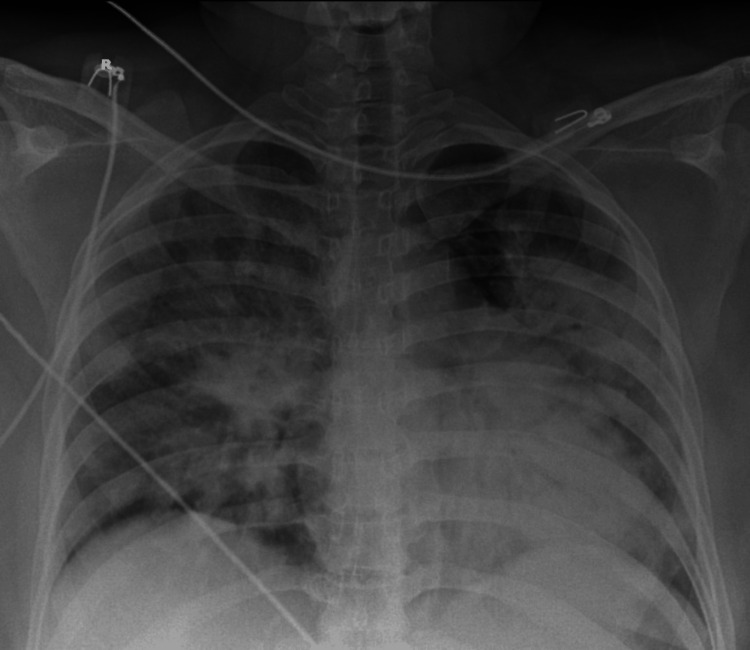 Figure 1
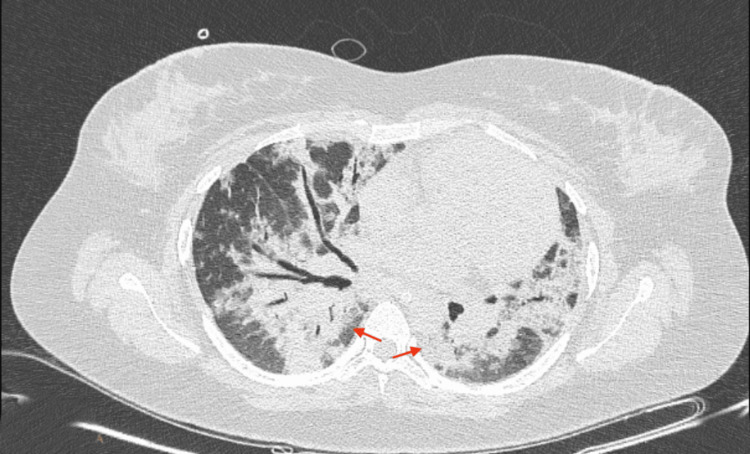 Figure 2
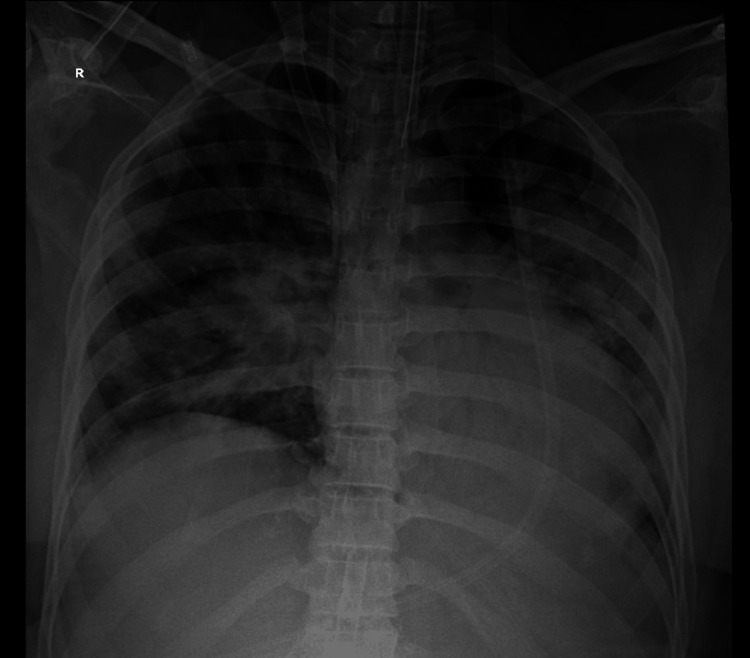 Figure 3
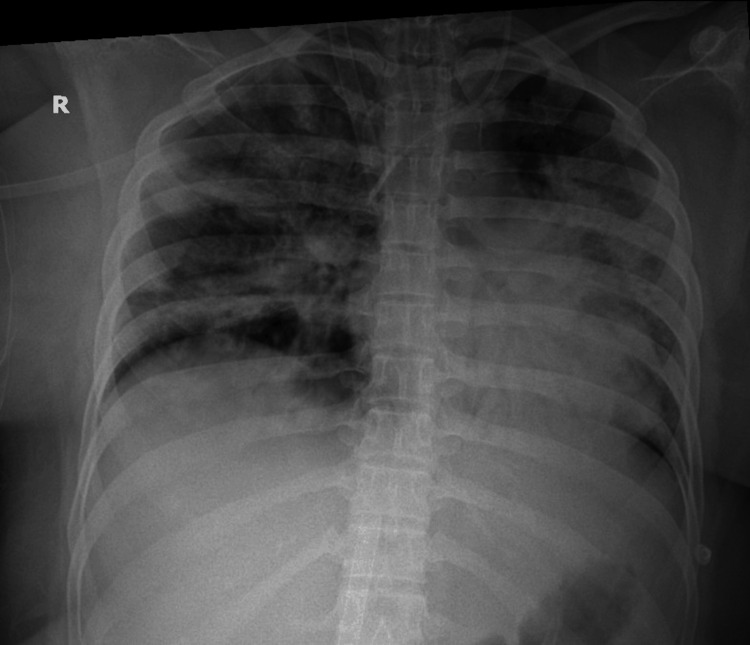 Figure 4
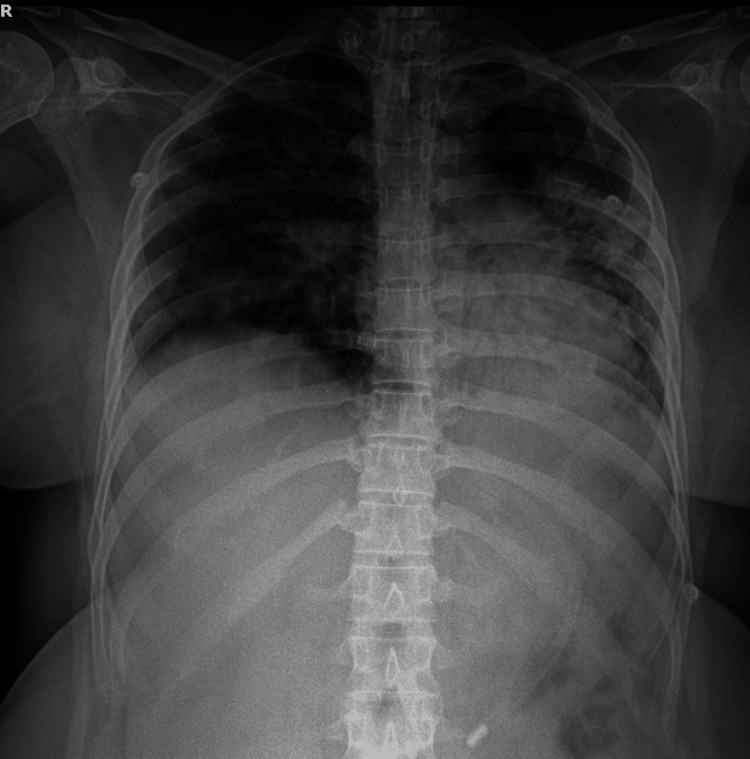 Figure 5
Peer Reviews
No public reviews on file for this paper yet. If you reviewed it on a platform where reviews are public (OpenReview, ICLR, NeurIPS, ICML), you can paste yours below so the community can read it here.
Videos
No videos yet. Explain this paper in a talk, walkthrough, or lecture? Add one.
Taxonomy
TopicsCardiac Arrest and Resuscitation · Mechanical Circulatory Support Devices · Respiratory Support and Mechanisms