Sequencing Therapy for Optimal Response in Mirikizumab (STORM)-study: A tertiary referral center study on patients with therapy-refractory ulcerative colitis
Alica Kubesch, Raul Lande, Anna Leutgöb, Karima Farrag, Iulia Dahmer, Katharina Stratmann-Vollrath, Antje Dienethal, Florian Alexander Michael, Kathrin Sprinzl, Stefan Zeuzem, Irina Blumenstein, Vipula Bataduwaarachchi, Vipula Bataduwaarachchi, Vipula Bataduwaarachchi

TL;DR
This study examines how mirikizumab treatment affects patients with ulcerative colitis who have not responded to other therapies, finding it effective especially in those previously treated with anti-TNF drugs.
Contribution
The study provides real-world data on mirikizumab's efficacy in biologic-refractory ulcerative colitis patients, comparing outcomes based on prior treatment history.
Findings
67.3% of patients achieved clinical remission after 12 weeks of mirikizumab treatment.
Prior anti-TNF treatment was associated with better biochemical remission outcomes.
Patients with prior Janus kinase inhibitor treatment had lower clinical remission rates.
Abstract
Optimized drug sequencing is an emerging area of interest in the treatment of ulcerative colitis (UC). Comparative real-world data on treatment response to mirikizumab in a cohort with exposure to multiple biologic agents, particularly tumor necrosis factor (TNF)-naïve versus TNF-treated patients, remain limited. This study evaluated the therapeutic response to mirikizumab treatment in a cohort of patients with UC who were refractory to biologic therapy. Consecutive patients with UC treated with mirikizumab between July 01, 2023, and May 31, 2025, at a tertiary university referral center were retrospectively analyzed. The primary endpoint was 12-week clinical remission. The secondary endpoints included clinical remission and biochemical remission between weeks 24 and 50 and between weeks 60 and 80. This study included 52 patients. Among them, 17 (32.7%) had previous exposure to ≥3…
Genes, proteins, chemicals, diseases, species, mutations and cell lines named across the full text — each resolved to its canonical identifier and authoritative record.
Click any figure to enlarge with its caption.
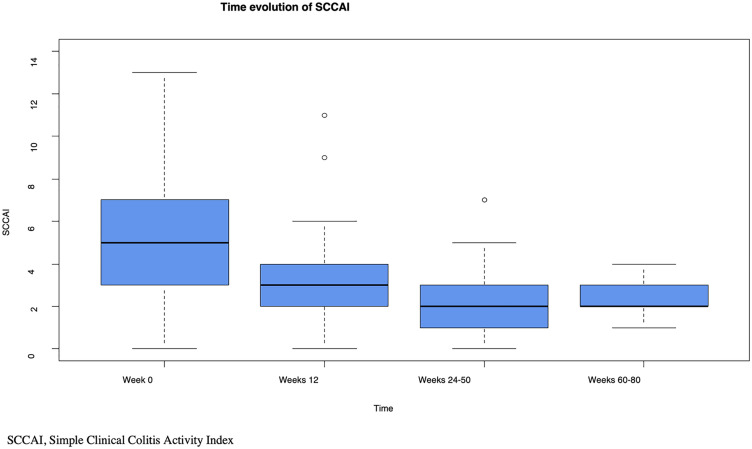 Figure 1
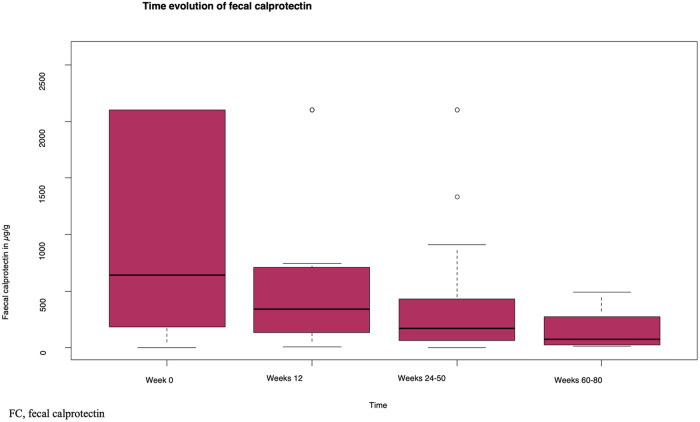 Figure 2
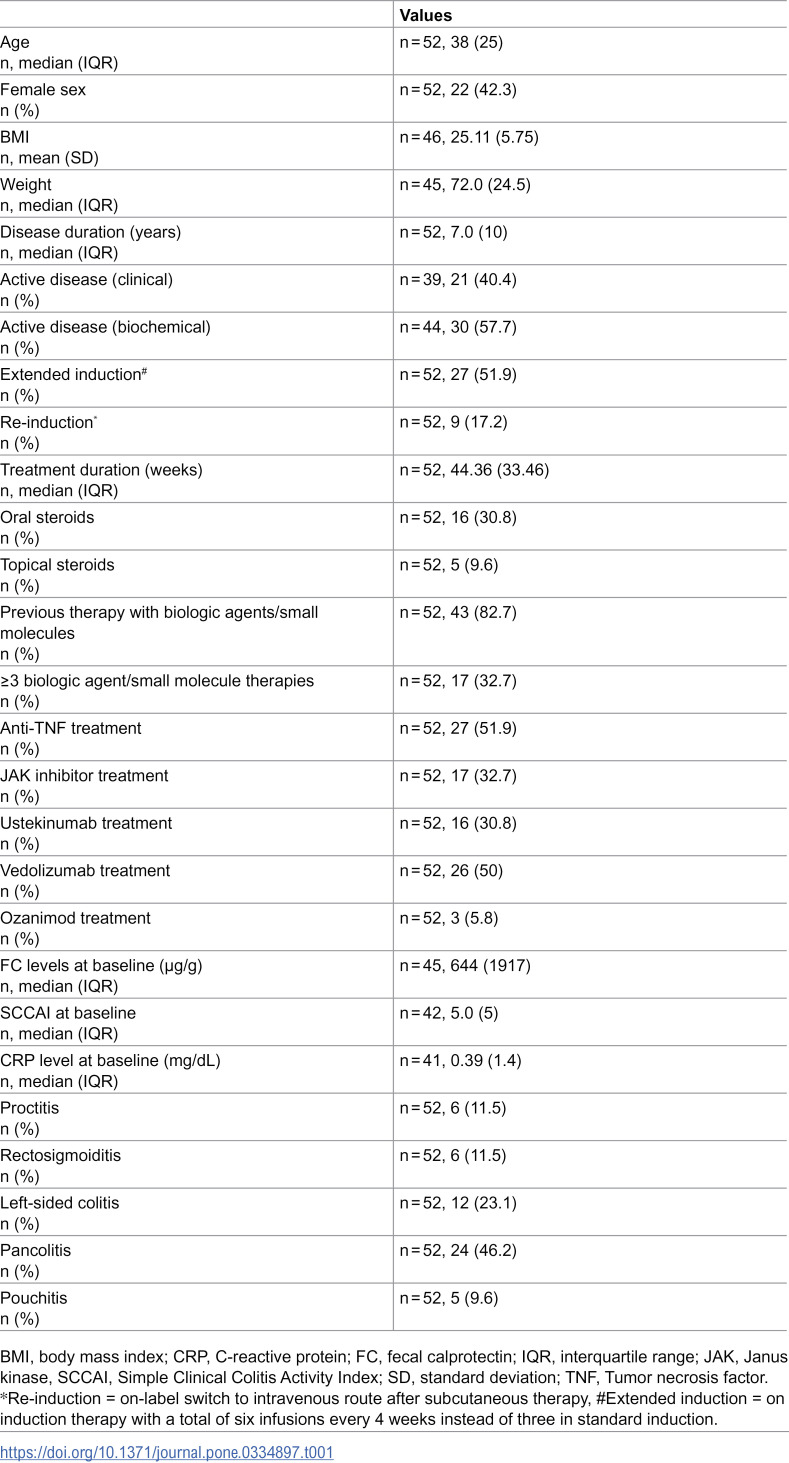 Figure 3
 Figure 4
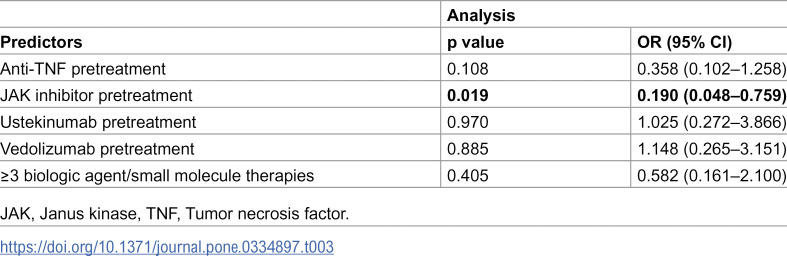 Figure 5
 Figure 6
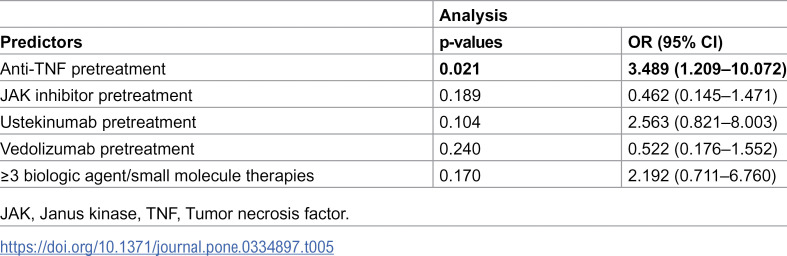 Figure 7
Peer Reviews
No public reviews on file for this paper yet. If you reviewed it on a platform where reviews are public (OpenReview, ICLR, NeurIPS, ICML), you can paste yours below so the community can read it here.
Videos
No videos yet. Explain this paper in a talk, walkthrough, or lecture? Add one.
Taxonomy
TopicsInflammatory Bowel Disease · Mycobacterium research and diagnosis · Helicobacter pylori-related gastroenterology studies