Impact of hydatid cyst laminated layer antigens on cell death rate, apoptosis induction, and key genes in the cell proliferation pathway: Insights from A549 cell line studies
ElaheSadat Hosseini, Masoumeh Tavakoli-Yaraki, Ahmad Reza Meamar, Zeynab Ajam, Maryam Alipour, Ruchika Bagga, Elham Razmjou, Raheleh Rafiei-Sefiddashti

TL;DR
This study explores how antigens from hydatid cysts affect lung cancer cells, inducing cell death and reducing cancer-related gene expression.
Contribution
The study identifies hydatid cyst laminated layer antigens as potential anti-cancer agents by demonstrating their impact on apoptosis and gene expression in lung cancer cells.
Findings
LL antigens reduced viable A549 cells in a dose- and time-dependent manner.
Apoptosis was induced with reduced necrosis and increased ROS production.
Expression of β-catenin, CD133, and CD44 genes decreased significantly after treatment.
Abstract
While lung cancer remains a lethal disease despite treatment advances, some parasitic infections can demonstrate cancer-modulating roles and exhibit anti-tumor effects. The emergence of hydatid cysts as a potential anti-cancer treatment has sparked optimism for the development of more successful therapies. This research examines the effect of hydatic cysts on the growth and proliferation of lung tumor cells, as well as the underlying molecular mechanisms involved. The laminated layer (LL) of the hydatid cyst antigens was administered to lung cancer cells with varying dosages and durations. The MTT assay was applied to evaluate cell viability. After exposure to different concentrations of LL antigens, the apoptosis, necrosis, cell cycle, and intracellular reactive oxygen species (ROS) of the cell culture were measured using flow cytometry. The expression levels of SOX-9, β-catenin,…
Genes, proteins, chemicals, diseases, species, mutations and cell lines named across the full text — each resolved to its canonical identifier and authoritative record.
Click any figure to enlarge with its caption.
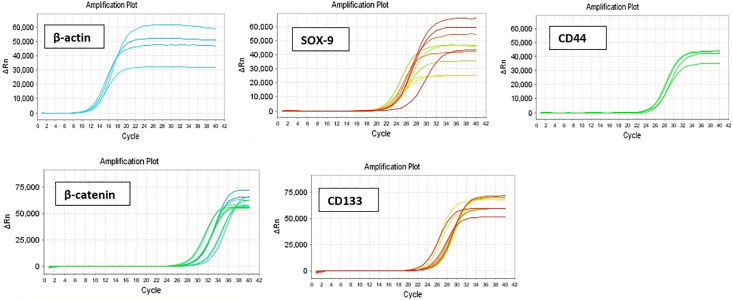 Figure 1
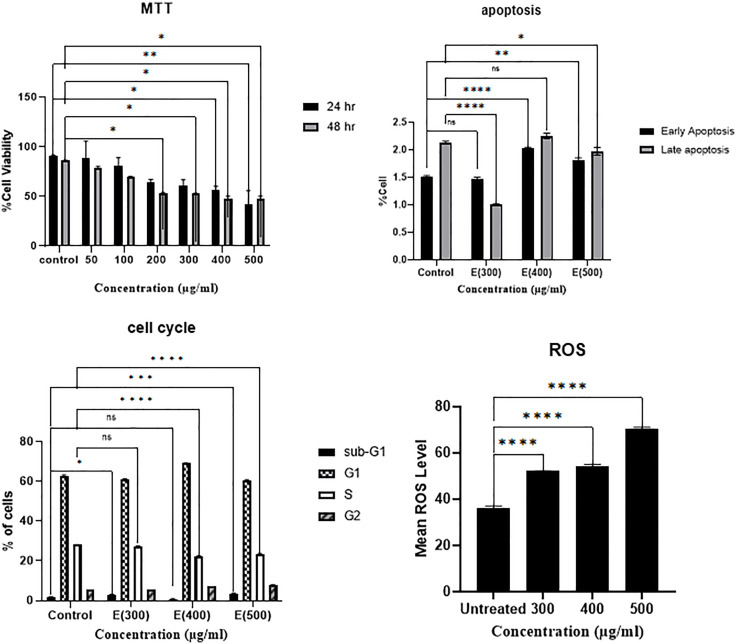 Figure 2
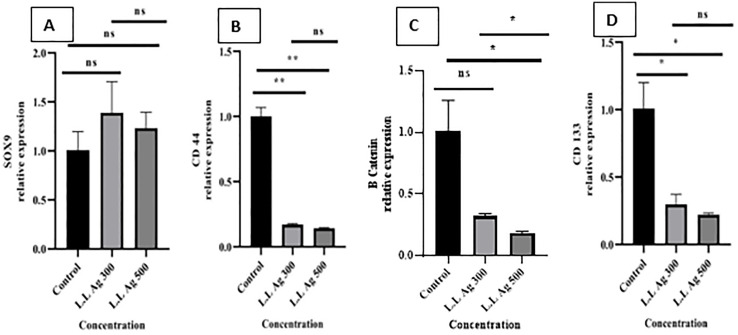 Figure 3
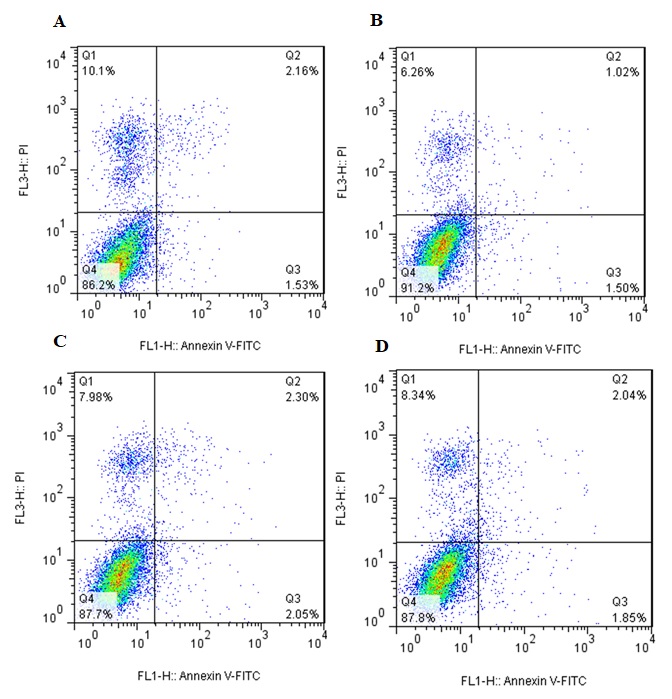 Figure 4
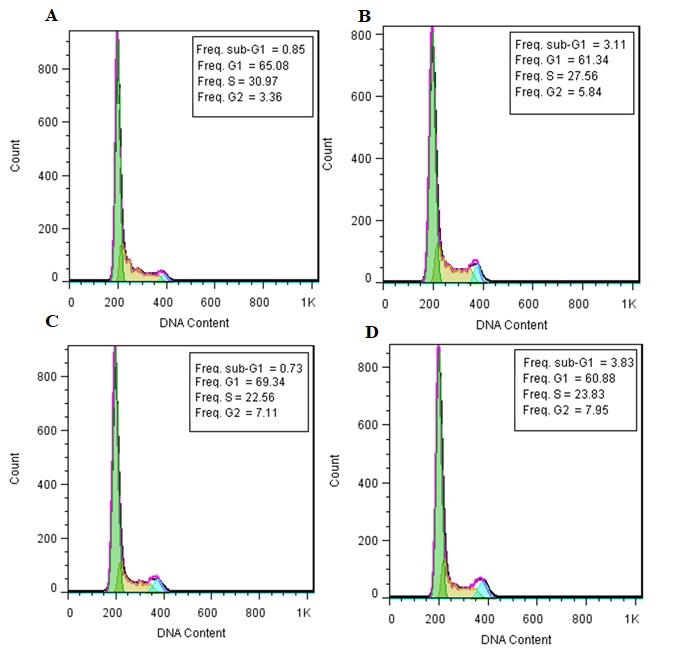 Figure 5
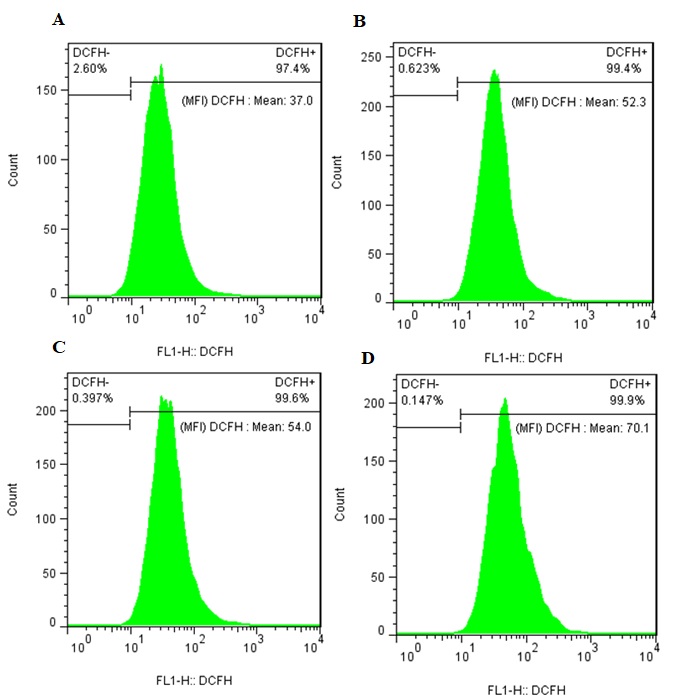 Figure 6
 Figure 7
Peer Reviews
No public reviews on file for this paper yet. If you reviewed it on a platform where reviews are public (OpenReview, ICLR, NeurIPS, ICML), you can paste yours below so the community can read it here.
Videos
No videos yet. Explain this paper in a talk, walkthrough, or lecture? Add one.
Taxonomy
TopicsParasitic infections in humans and animals · Parasitic Infections and Diagnostics · MXene and MAX Phase Materials