Screening mild cognitive impairment using aspects of personal, social, and functional lifestyle: Machine Learning Approaches
Kyle Masato Ishikawa, Matthew Uechi, Hyeong Jun Ahn, Eunjung Lim

TL;DR
This study uses machine learning to predict mild cognitive impairment using lifestyle and social factors, finding that simpler models work best with age, stress, and social factors as key indicators.
Contribution
The study introduces a practical ML approach for MCI screening using routinely collected lifestyle data and identifies key predictors with high interpretability.
Findings
Most ML models achieved good discrimination with AUROC > 0.8 for predicting MCI.
Logistic regression outperformed complex models in predictive accuracy and interpretability.
Age, ethnicity, functional difficulties, social disconnectedness, and stress were consistently key predictors.
Abstract
Mild cognitive impairment (MCI) signals cognitive decline beyond normal aging and increases dementia risk. Early identification enables preventative interventions, yet many patients in primary care go undetected. This study examines whether machine learning (ML) models can predict MCI using routinely collected personal, social, and functional lifestyle factors and identifies the most important predictors. Data from round 2 and 3 of the National Social Life, Health, and Aging Project was used, including 4,586 older adults with complete Montreal Cognitive Assessment (MoCA) scores. Predictors included demographics, childhood experiences, health behaviors, psychosocial measures, and functional difficulties. Eight ML models—including elastic net, multivariate adaptive regression splines, random forest, oblique random forest, boosted trees, decision trees, and a stacked ensemble—were trained…
Genes, proteins, chemicals, diseases, species, mutations and cell lines named across the full text — each resolved to its canonical identifier and authoritative record.
Click any figure to enlarge with its caption.
 Figure 1
 Figure 2
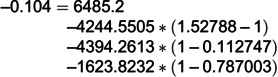 Figure 3
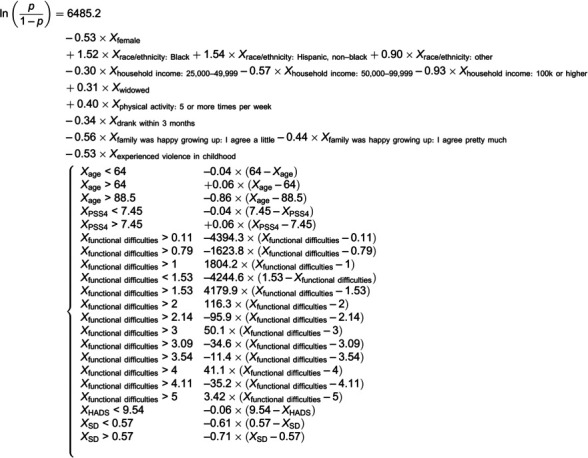 Figure 4
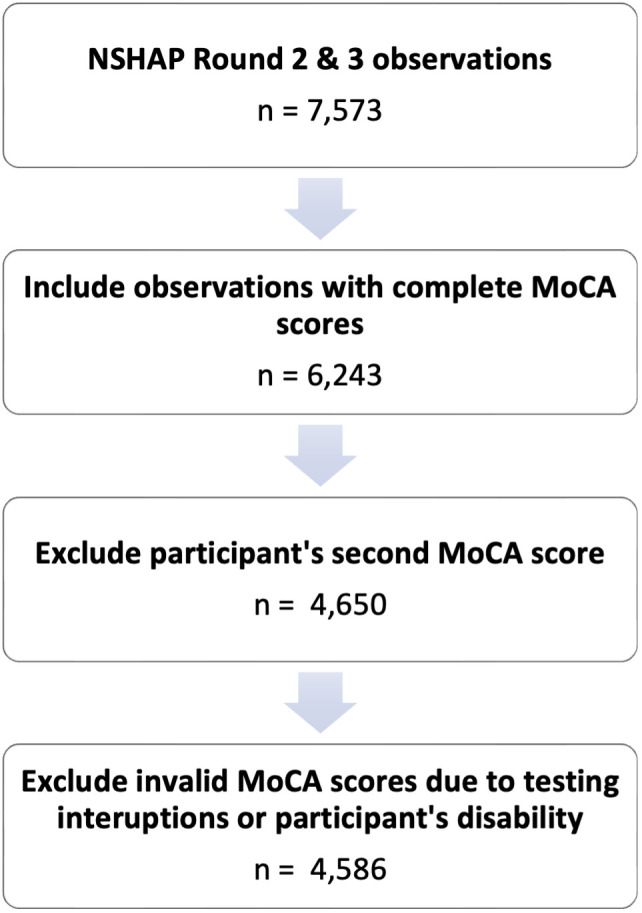 Figure 5
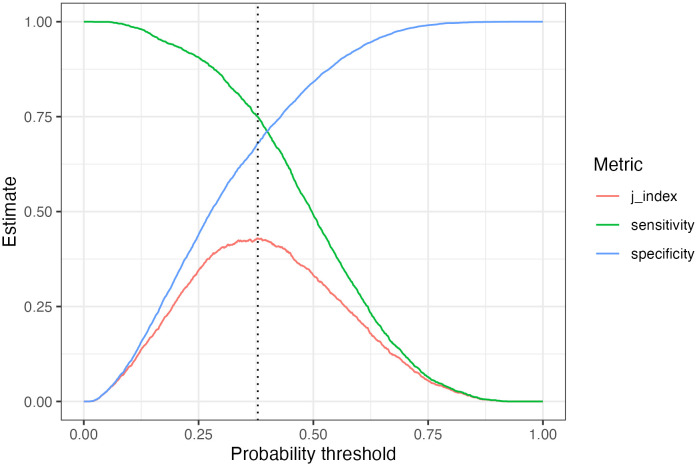 Figure 6
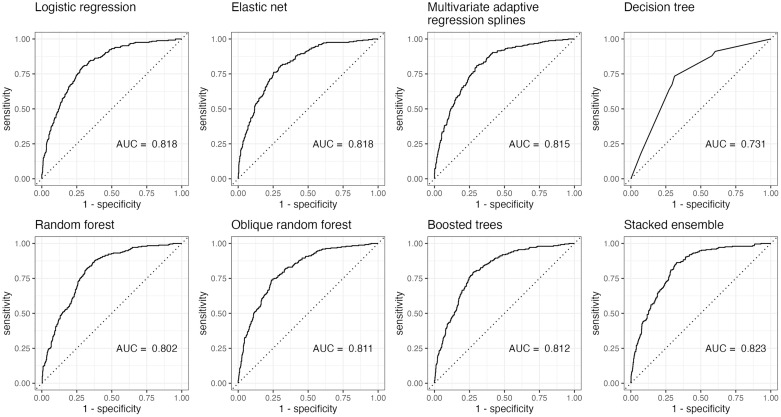 Figure 7
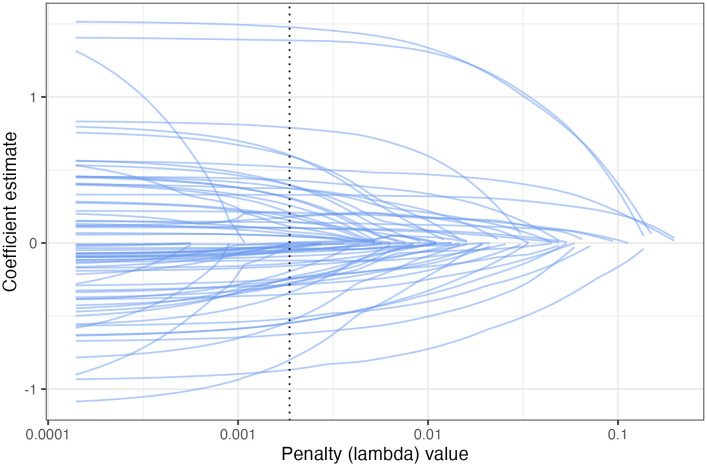 Figure 8
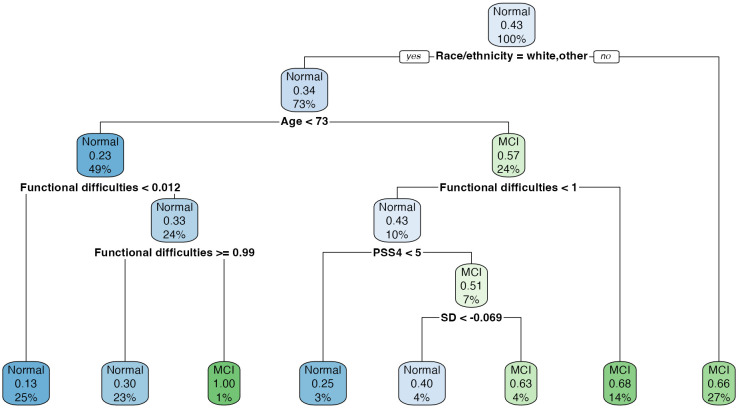 Figure 9
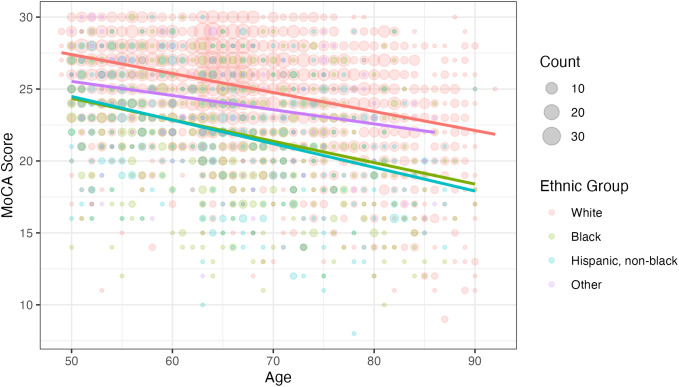 Figure 10
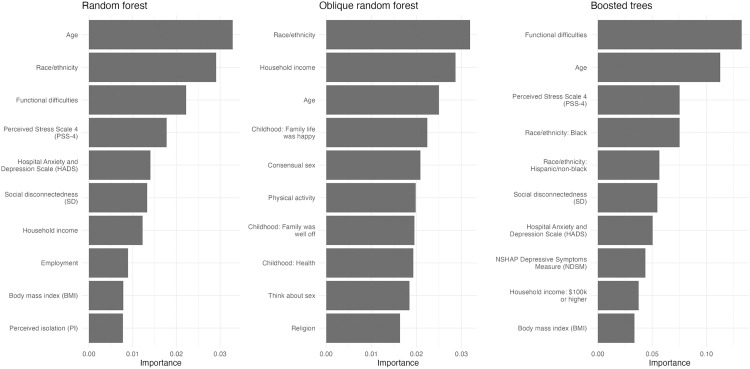 Figure 11
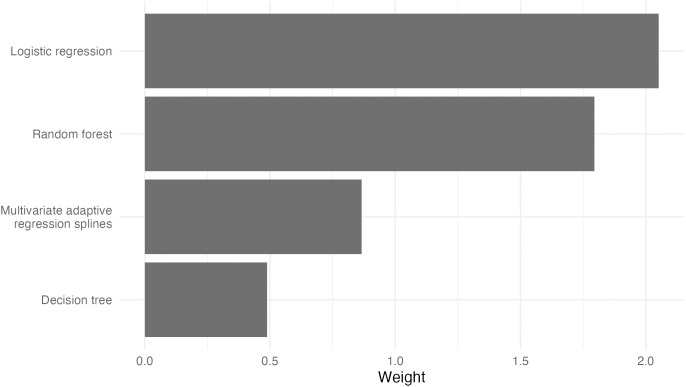 Figure 12
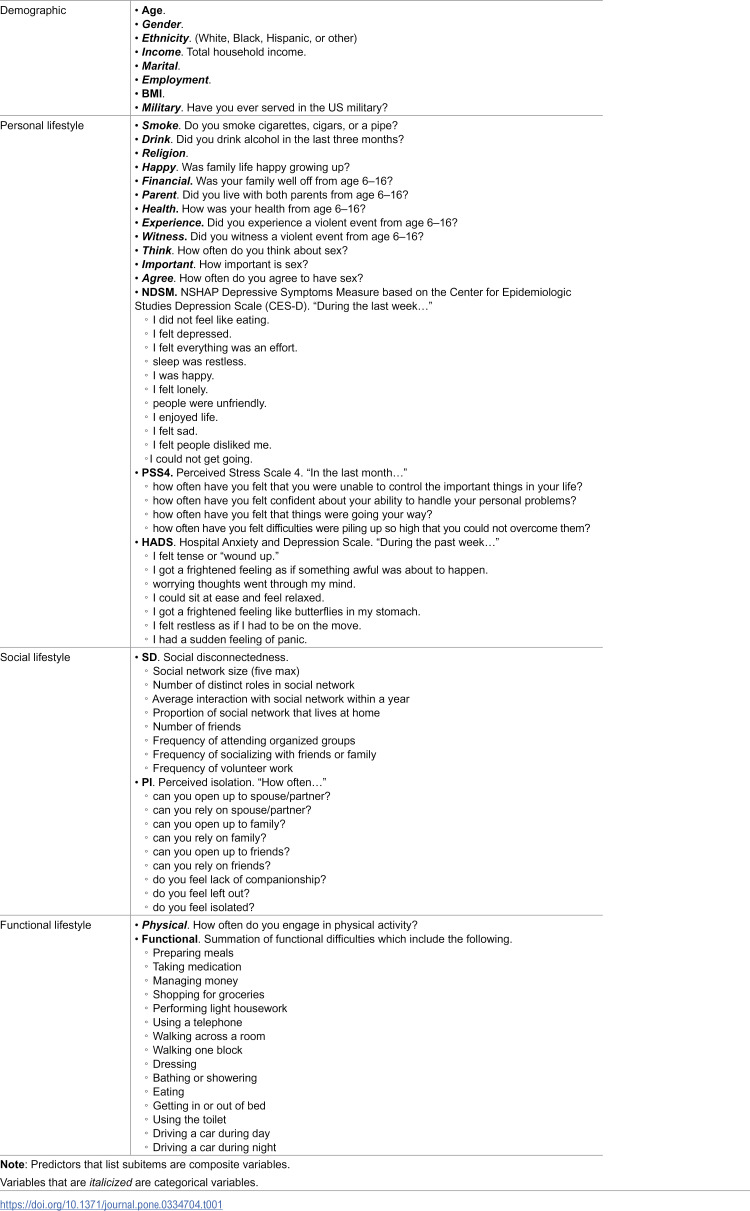 Figure 13
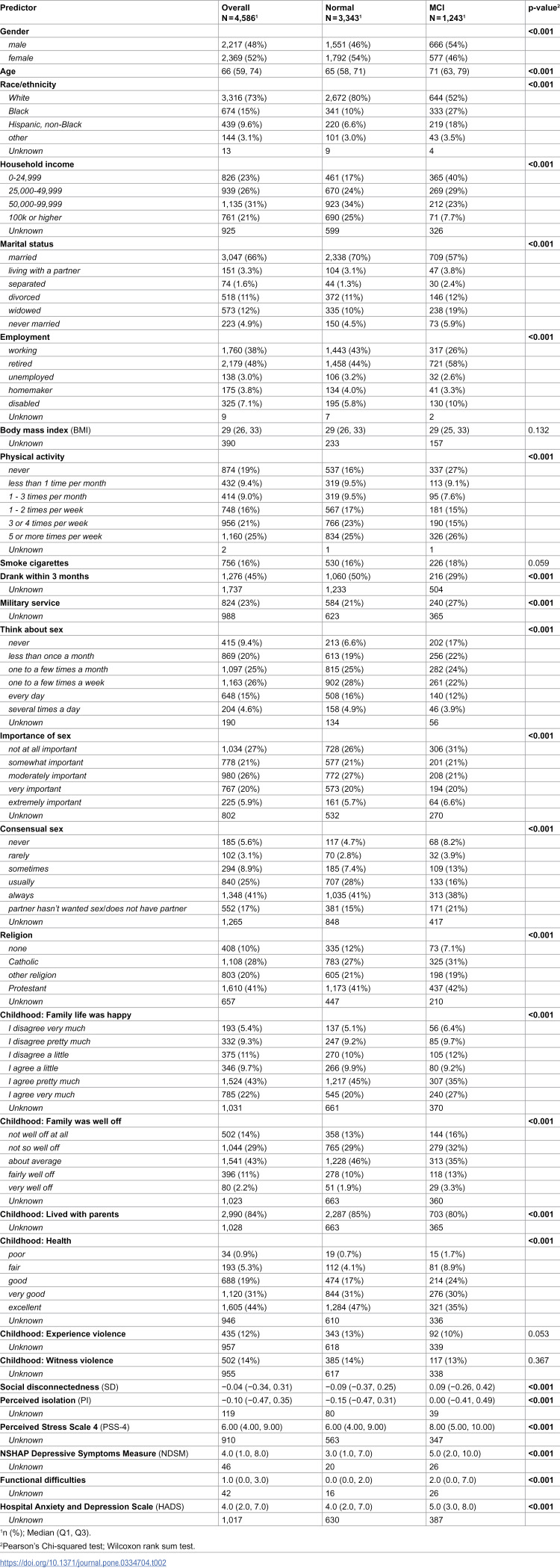 Figure 14
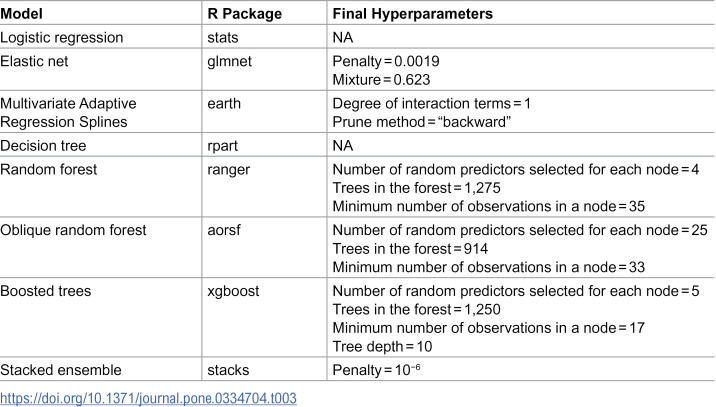 Figure 15
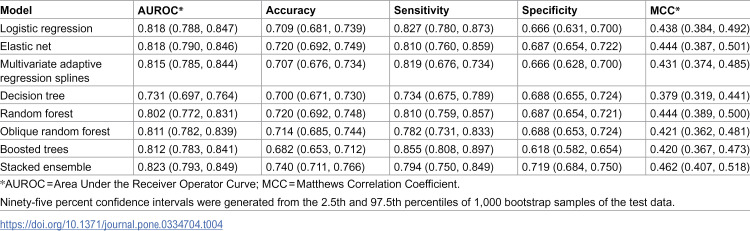 Figure 16
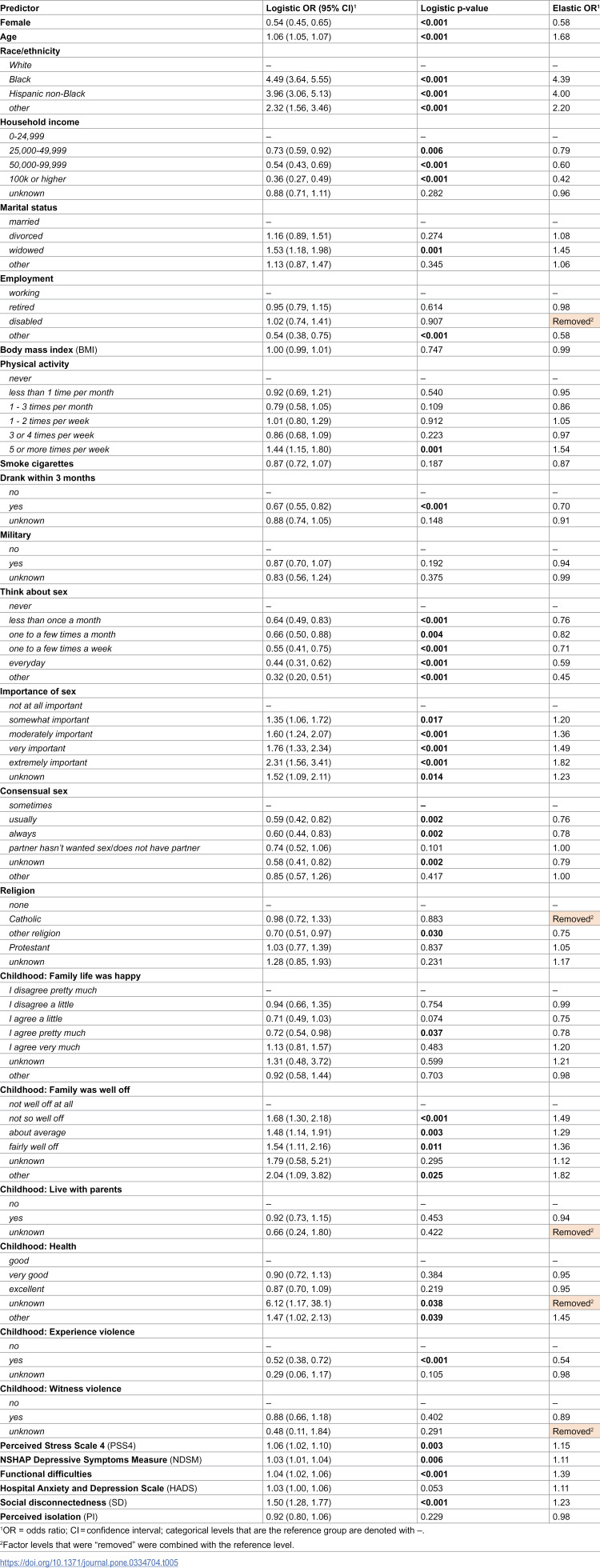 Figure 17
Peer Reviews
No public reviews on file for this paper yet. If you reviewed it on a platform where reviews are public (OpenReview, ICLR, NeurIPS, ICML), you can paste yours below so the community can read it here.
Videos
No videos yet. Explain this paper in a talk, walkthrough, or lecture? Add one.
Taxonomy
TopicsDementia and Cognitive Impairment Research · Frailty in Older Adults · Nutritional Studies and Diet