Caffeine intake and awareness of its adverse effects: Insights from the medical students at the University of Tabuk
Omnia S. El Seifi, Faten Ezzelarab Younis, Nouf Ali Alsaiari, Rama Mathel Alanazi, Atheer Khalaf Alanazi, Lama Mana Alamri, Mona Salem Albalawi, Shahad Hammad Alatawi, Eman M. Mortada

TL;DR
Medical students at the University of Tabuk commonly consume caffeine, often in high amounts, despite knowing its risks, which may harm their mental health.
Contribution
This study reveals high caffeine consumption among medical students and its association with poor mental well-being, despite awareness of risks.
Findings
81.3% of medical students consume caffeine, with 52% consuming ≥400 mg/day.
High caffeine intake is linked to being male and using caffeine for academic or mood purposes.
Mental well-being scores inversely correlate with caffeine consumption (r = -0.563).
Abstract
Medical students may consume more caffeine-containing beverages to cope with their stressors, resulting in negative effects on physical or mental well-being. This study aimed to determine the prevalence of caffeine use among medical students as well as their awareness of the negative consequences of caffeine use and its implications on mental health. 305 medical students participated in this cross-sectional study. An online self-administered questionnaire was provided, which included sociodemographic data, caffeine intake patterns, caffeine side effects, and the World Health Organization’s Five Well-Being Index to measure mental health. 81.3% of the medical students reported consuming caffeine. Of them, 52% consumed ≥ 400 mg of caffeine per day despite 73.1% of them being adequately aware of its negative consequences. The percentage of medical students who reported some negative…
Genes, proteins, chemicals, diseases, species, mutations and cell lines named across the full text — each resolved to its canonical identifier and authoritative record.
Click any figure to enlarge with its caption.
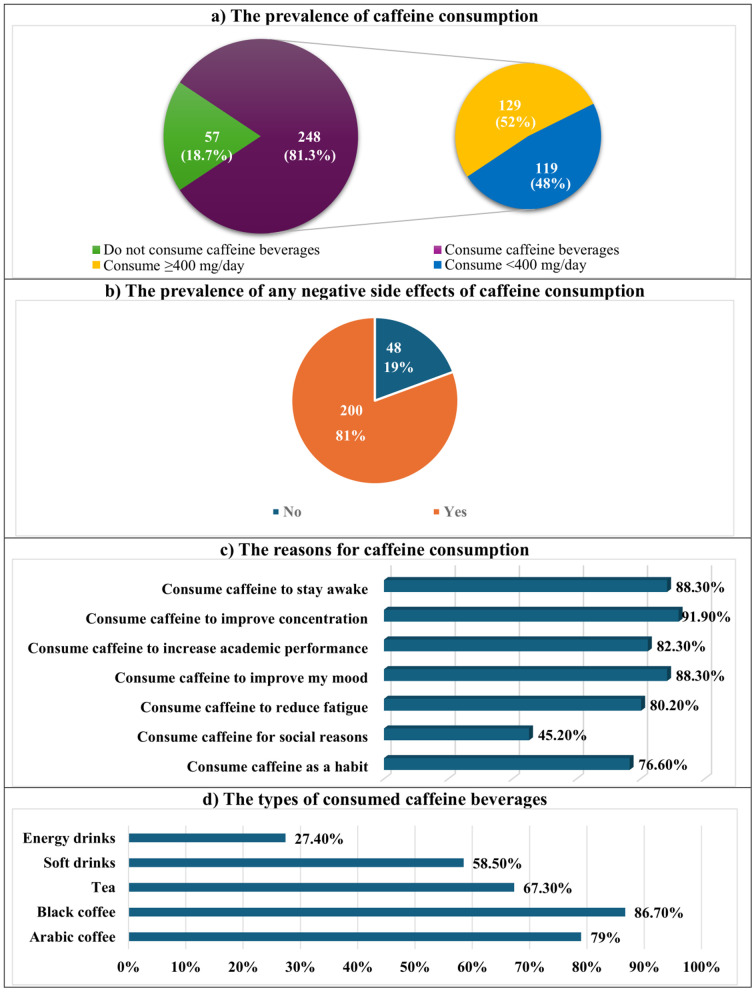 Figure 1
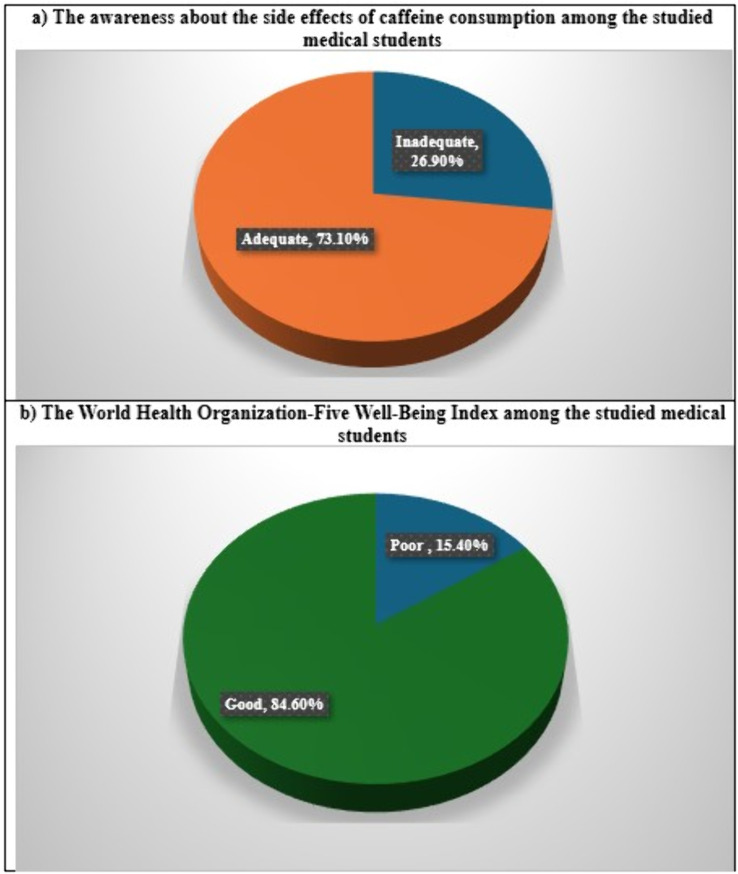 Figure 2
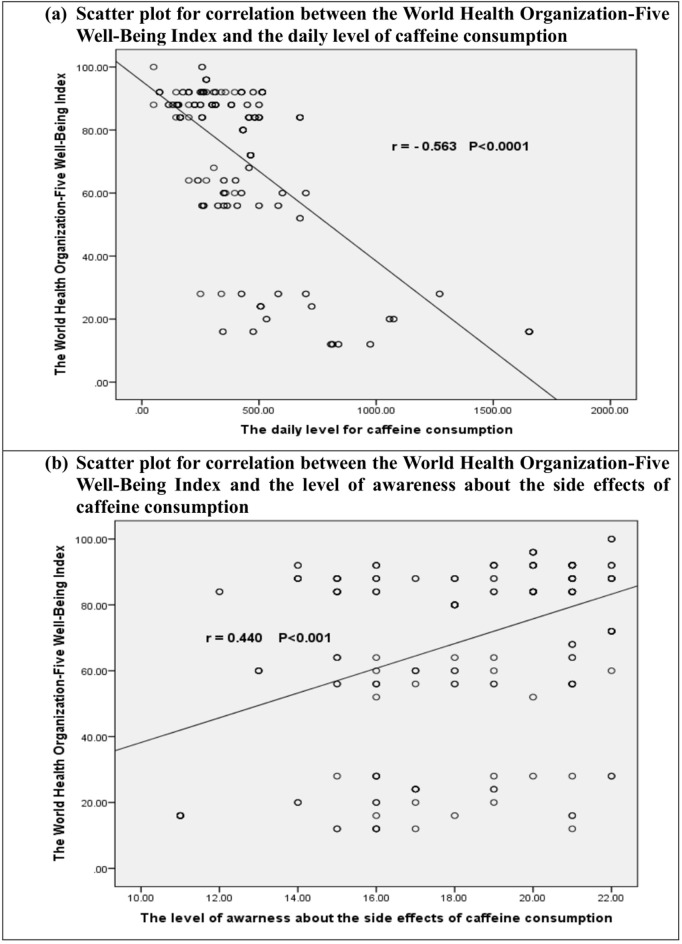 Figure 3
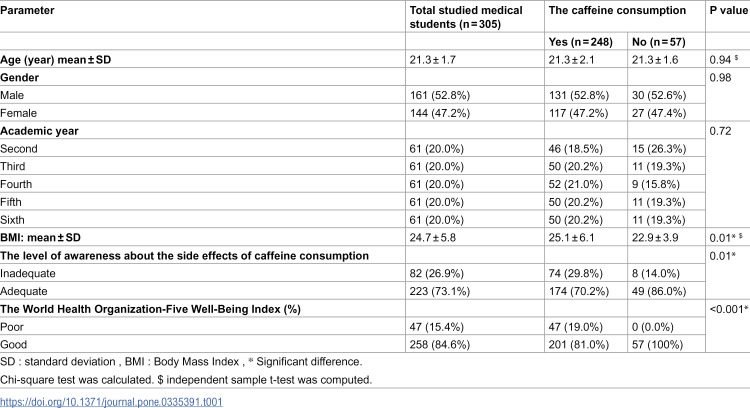 Figure 4
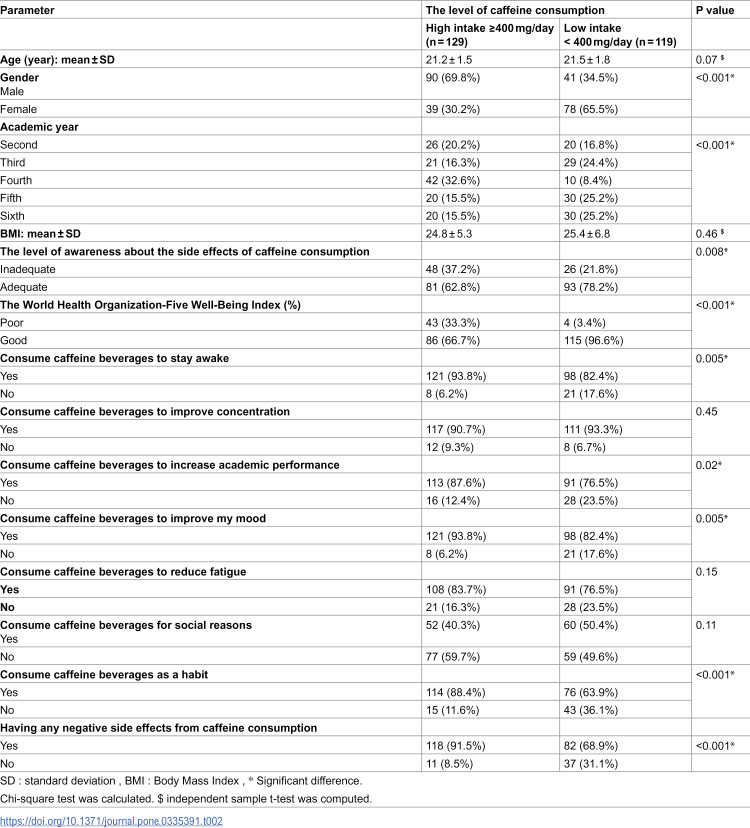 Figure 5
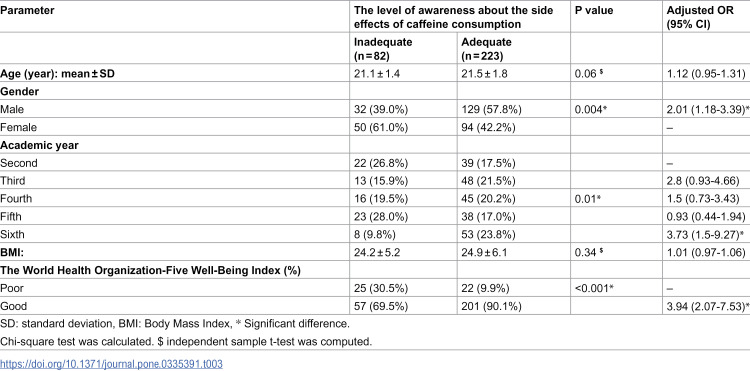 Figure 6
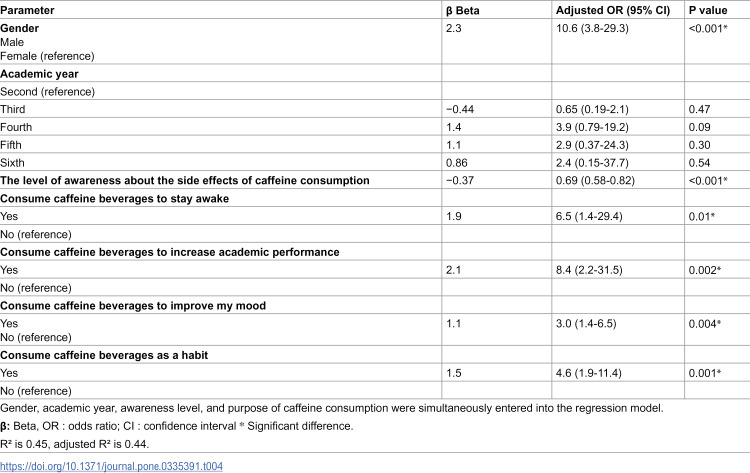 Figure 7
Peer Reviews
No public reviews on file for this paper yet. If you reviewed it on a platform where reviews are public (OpenReview, ICLR, NeurIPS, ICML), you can paste yours below so the community can read it here.
Videos
No videos yet. Explain this paper in a talk, walkthrough, or lecture? Add one.
Taxonomy
TopicsCoffee research and impacts · Obesity, Physical Activity, Diet · Eating Disorders and Behaviors