A multi-epitope vaccine targeting a key virulence factor ClfA: An In-silico approach to combat Staphylococcus aureus infections
Md. Nipatul Hasan Nirob, Ive Sultana, Tawsif al Arian, MD. Sazidul Islam, Md Moniruzzzaman, Safia Jerin Nosi, Sajal Kumar Halder, Aparna Shil, Mahbubul Kabir Himel

TL;DR
This study designs a multi-epitope vaccine targeting the ClfA protein of Staphylococcus aureus using computational methods to combat drug-resistant infections.
Contribution
The novel contribution is the in-silico design of a multi-epitope vaccine with strong immunogenic and structural properties for targeting ClfA.
Findings
The vaccine showed strong HLA-binding affinities and over 50% global population coverage.
The vaccine exhibited favorable binding with TLR4, with a ΔG of –174.41 kcal/mol and structural stability.
Immune simulations showed elevated IgM, IgG1, IFN-γ, and increased B and T cell populations.
Abstract
Staphylococcus aureus, a gram-positive opportunistic pathogen, presents a growing global threat due to the rise of multidrug-resistant (MDR) strains. To counter this, we designed a multi-epitope vaccine (MEV) targeting the ClfA virulence protein using an integrative in silico approach. Sixty-one conserved epitopes (19 CTL, 36 HTL, 6 LBL) were selected based on antigenicity, immunogenicity, non-toxicity, and lack of homology to human proteins. These epitopes demonstrated strong HLA-binding affinities and over 50% global population coverage, indicating broad immunological applicability. Molecular docking revealed the strongest binding between the MEV and TLR4, with a ΔG of –17.1 kcal/mol and an exceptionally low dissociation constant (2.6 × 10 ⁻ ¹² M). HADDOCK 2.4-supported docking scores corroborated these results. Molecular dynamics (MD) simulations and MM/GBSA analysis further assessed…
Genes, proteins, chemicals, diseases, species, mutations and cell lines named across the full text — each resolved to its canonical identifier and authoritative record.
Click any figure to enlarge with its caption.
 Figure 1
 Figure 2
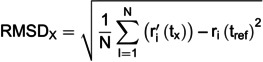 Figure 3
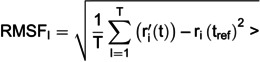 Figure 4
 Figure 5
 Figure 6
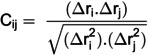 Figure 7
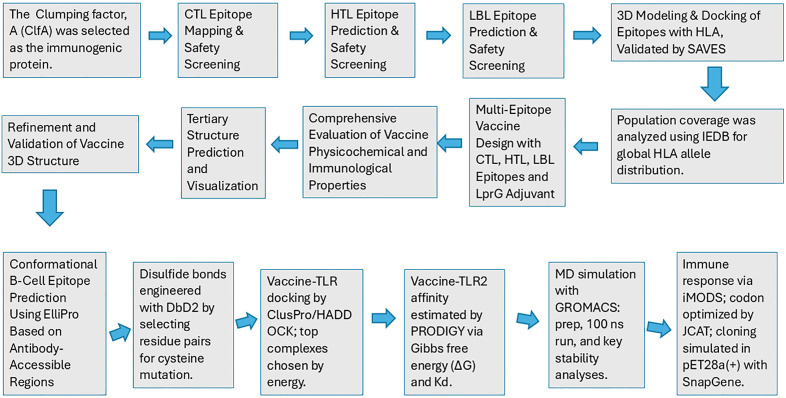 Figure 8
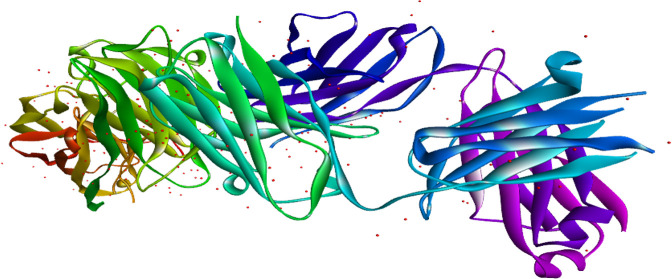 Figure 9
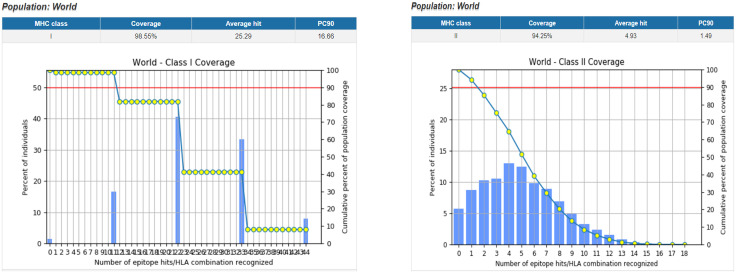 Figure 10
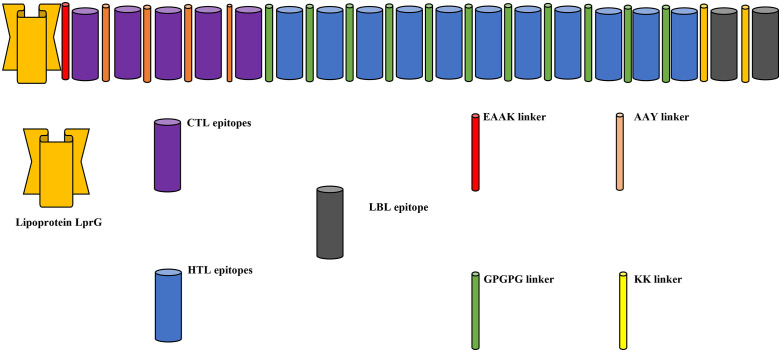 Figure 11
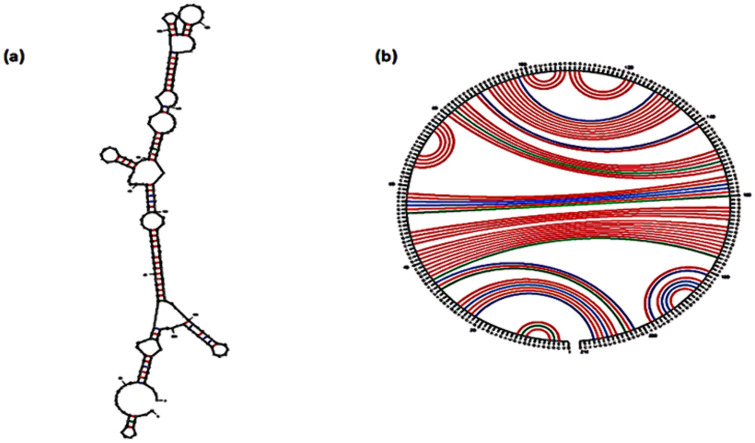 Figure 12
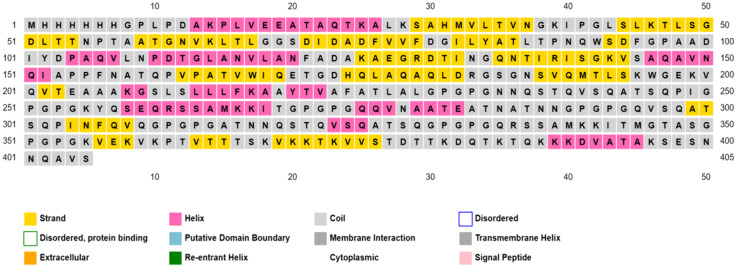 Figure 13
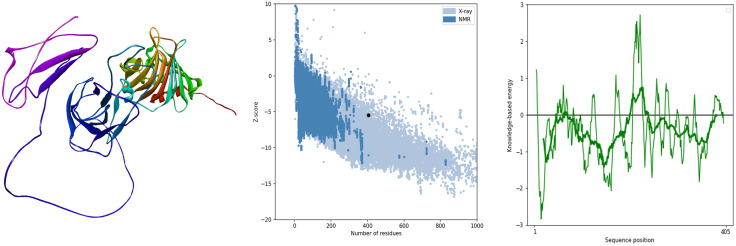 Figure 14
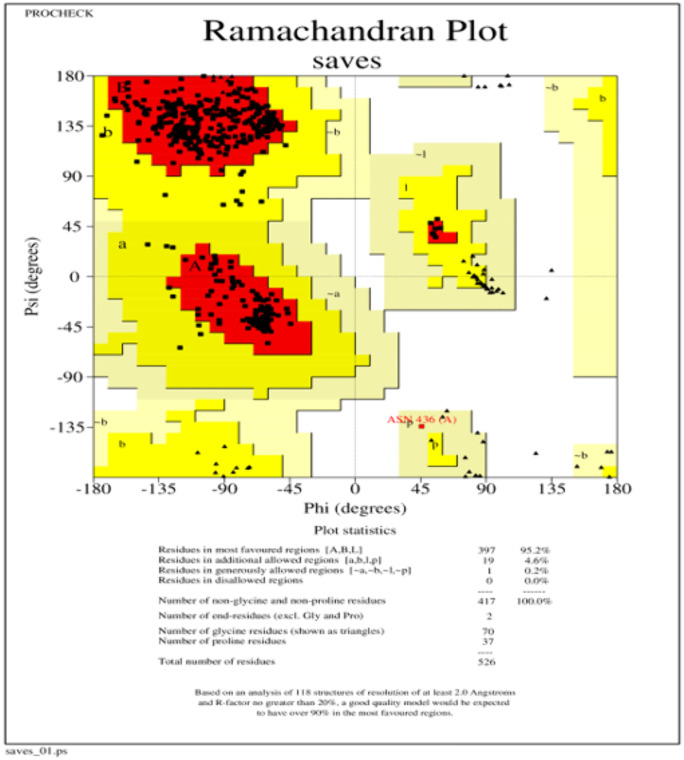 Figure 15
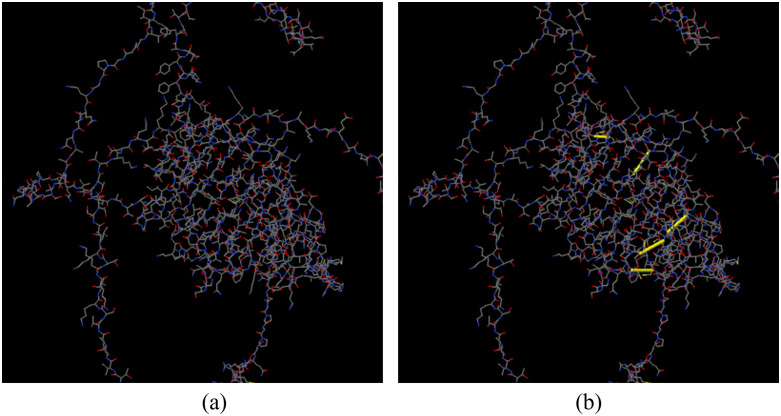 Figure 16
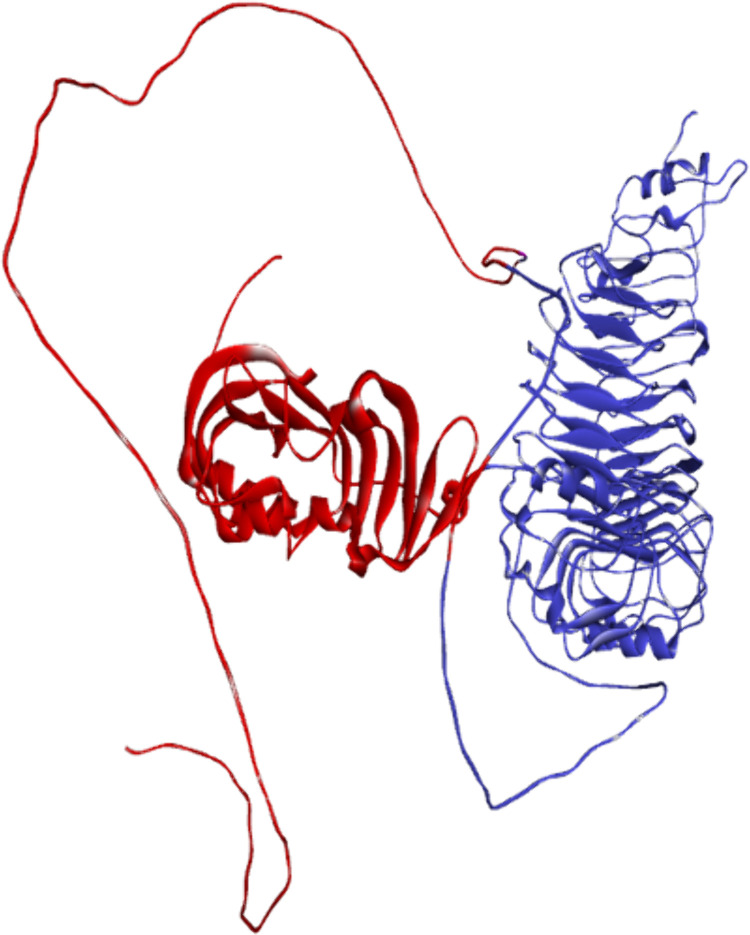 Figure 17
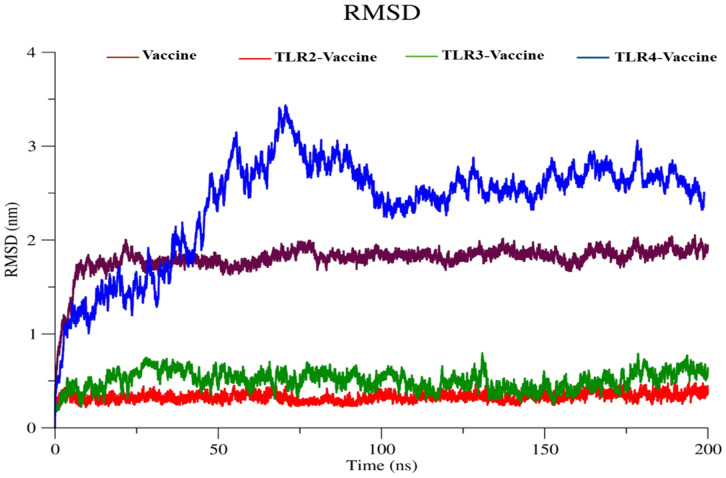 Figure 18
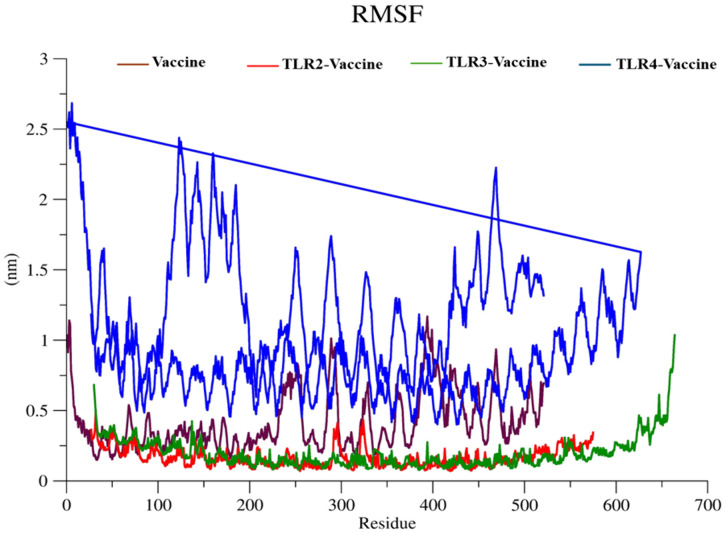 Figure 19
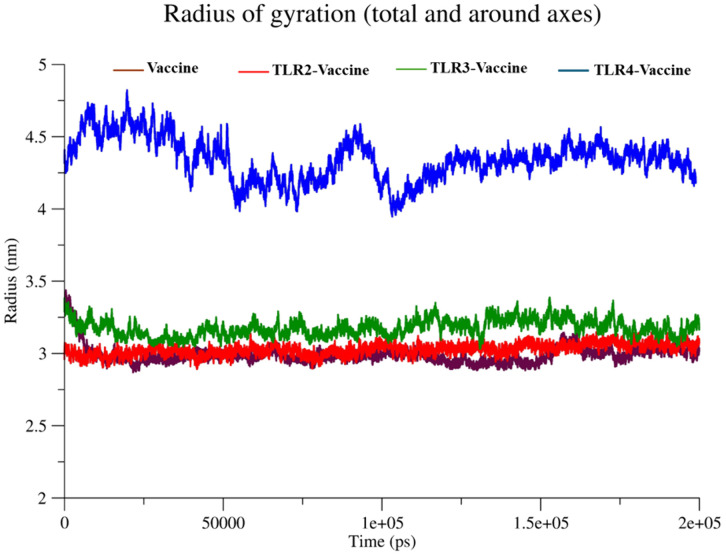 Figure 20
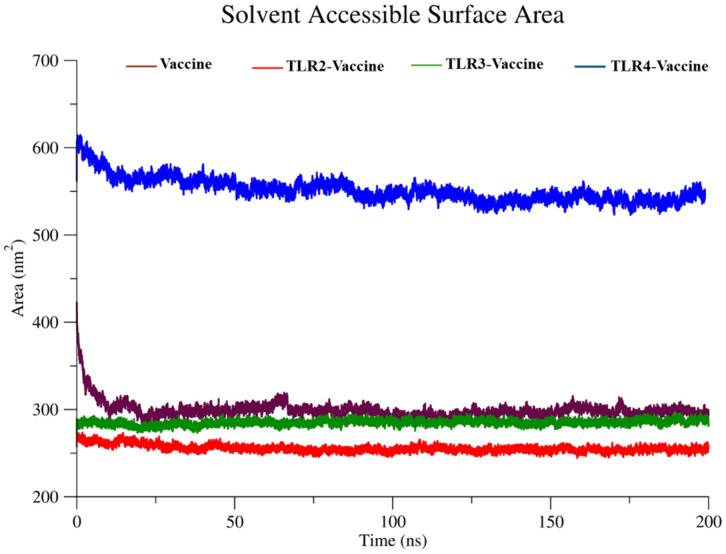 Figure 21
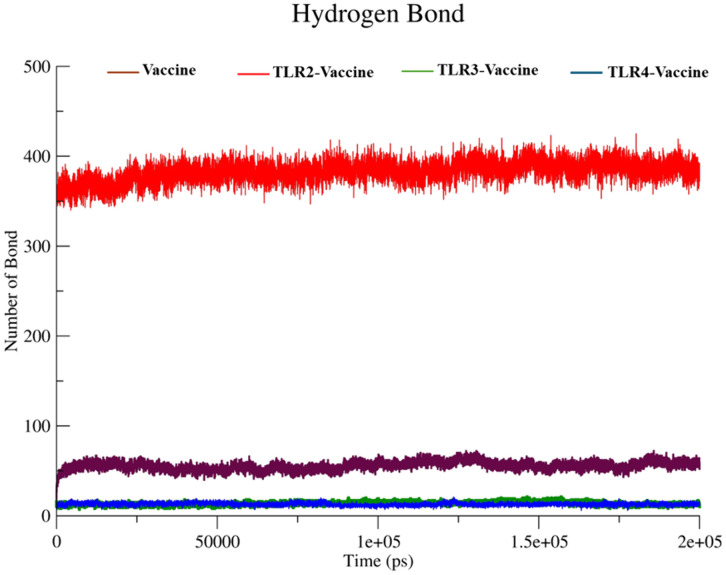 Figure 22
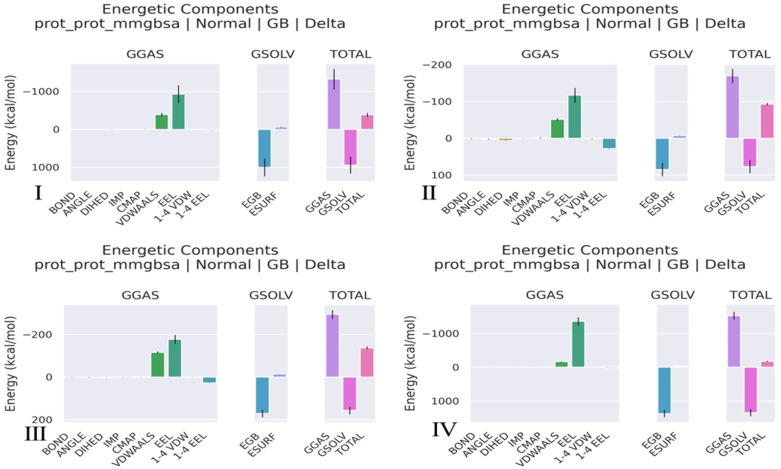 Figure 23
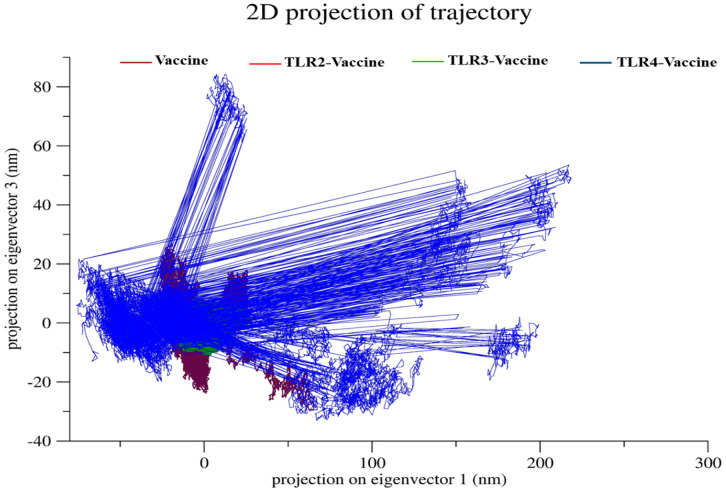 Figure 24
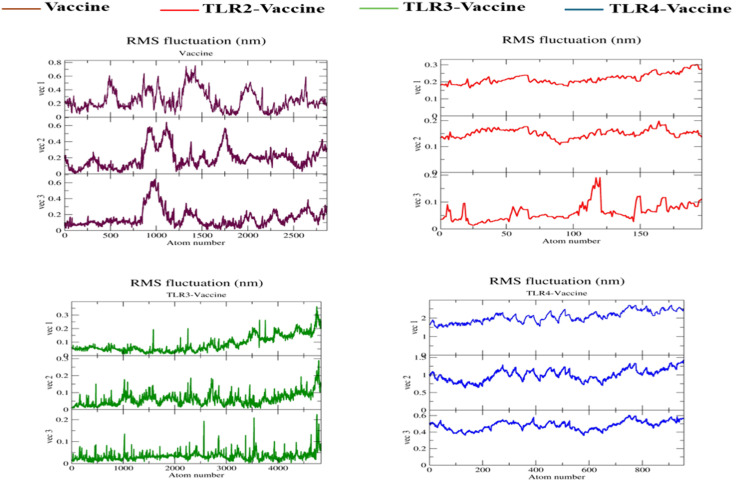 Figure 25
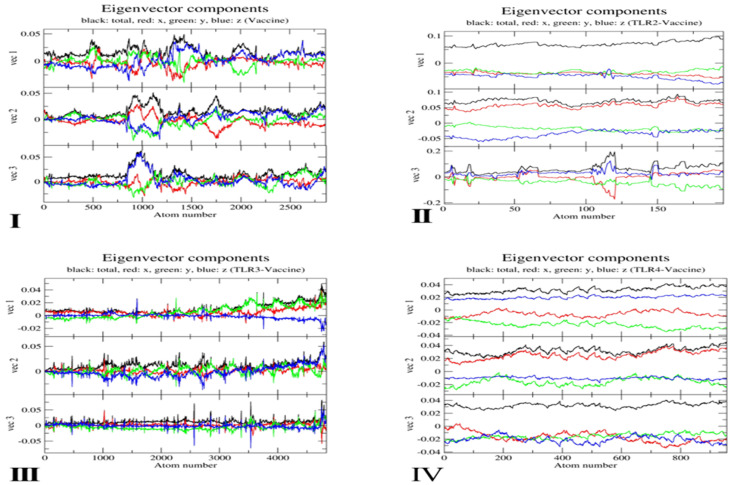 Figure 26
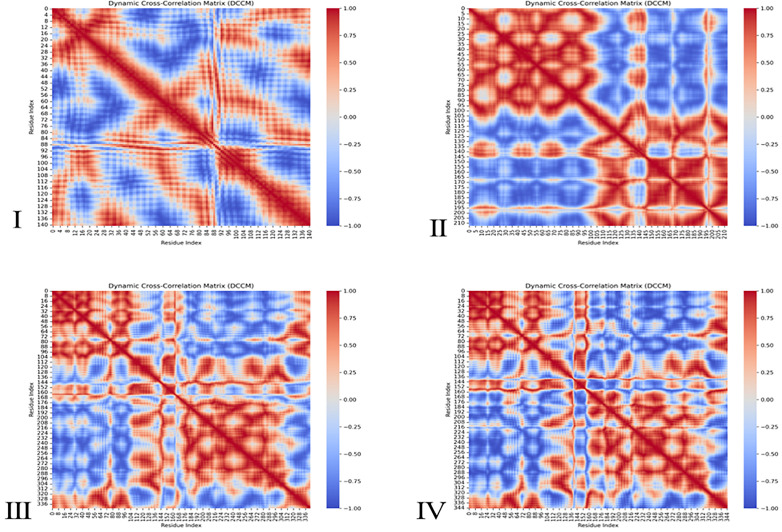 Figure 27
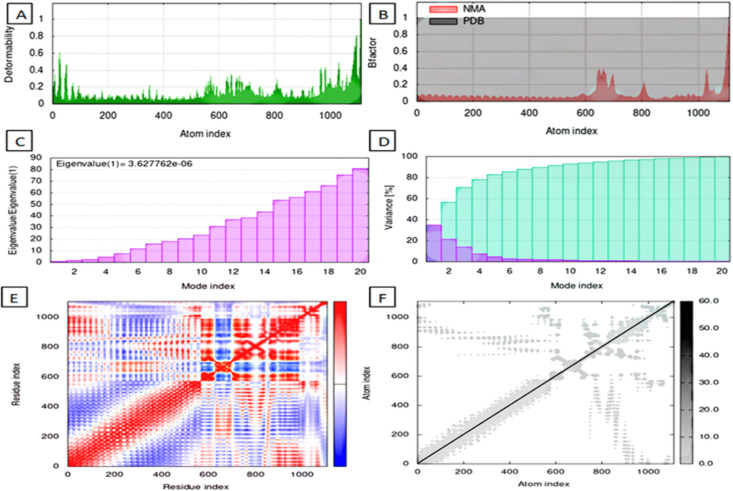 Figure 28
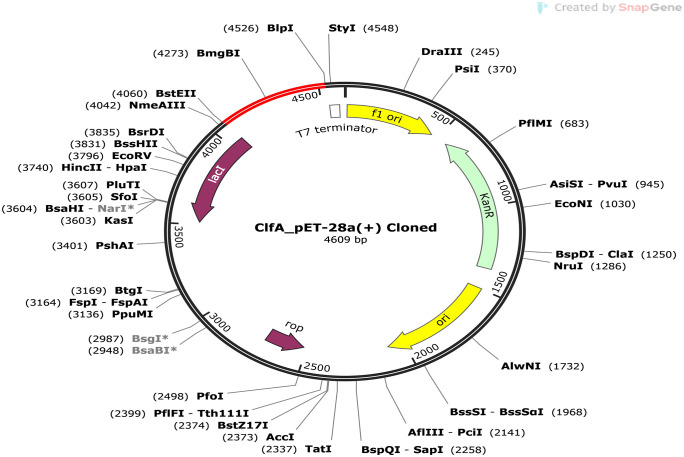 Figure 29
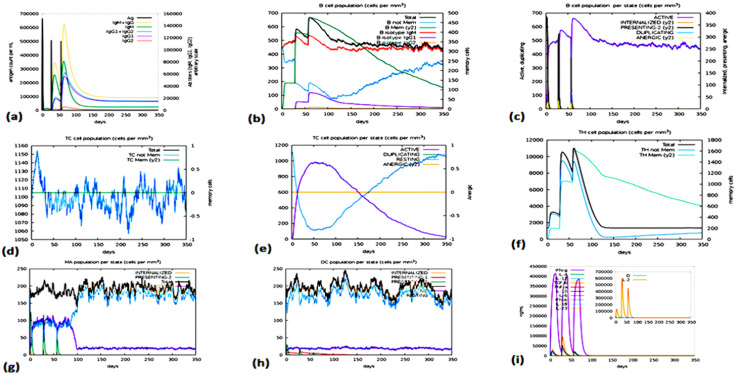 Figure 30
 Figure 31
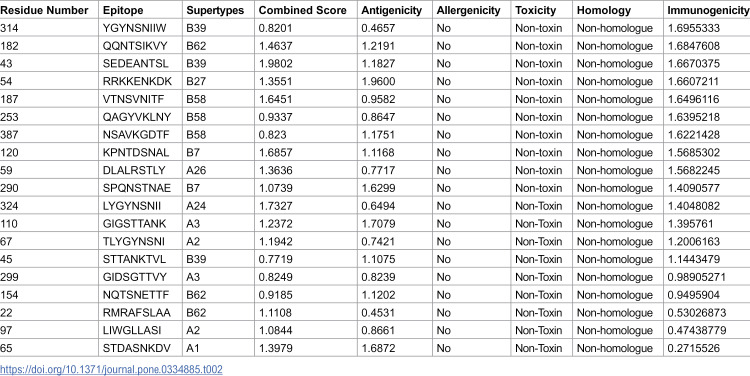 Figure 32
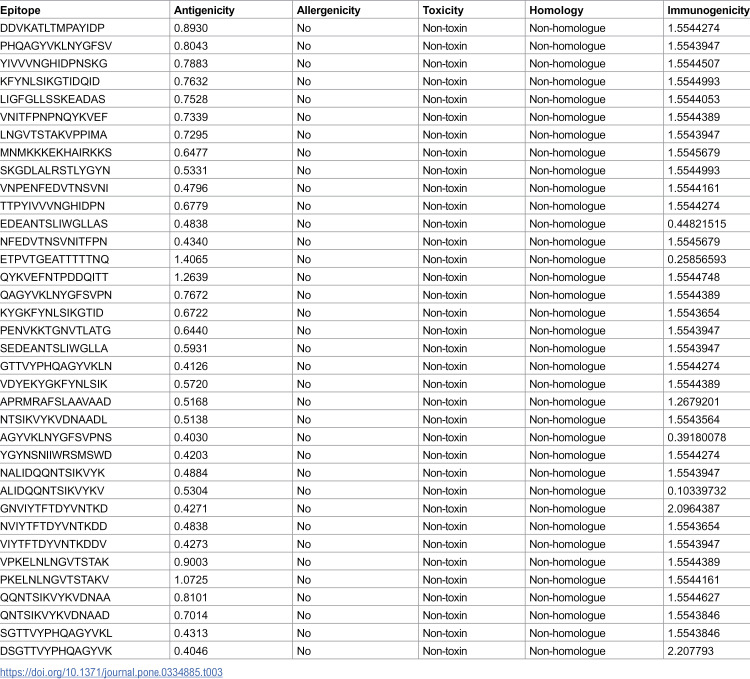 Figure 33
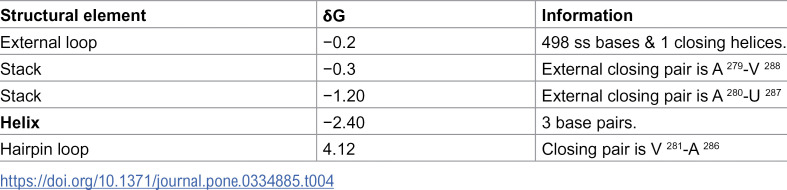 Figure 34
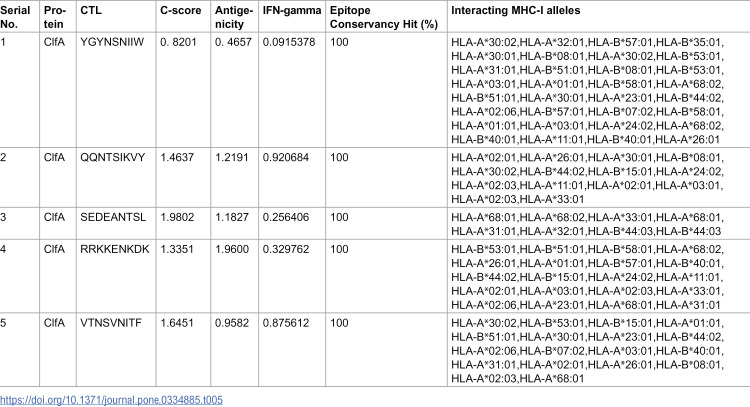 Figure 35
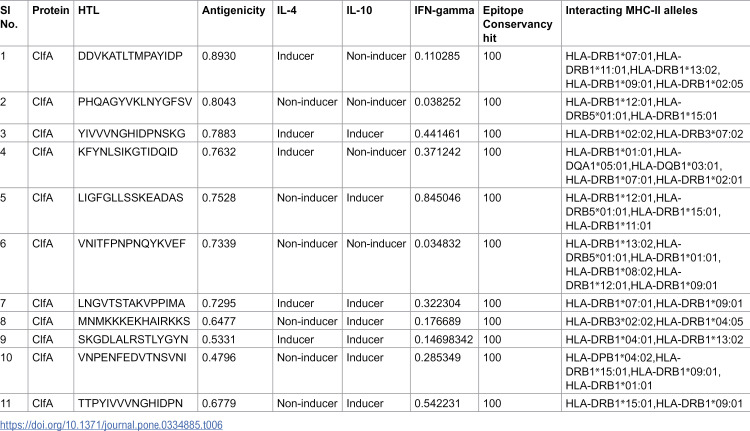 Figure 36
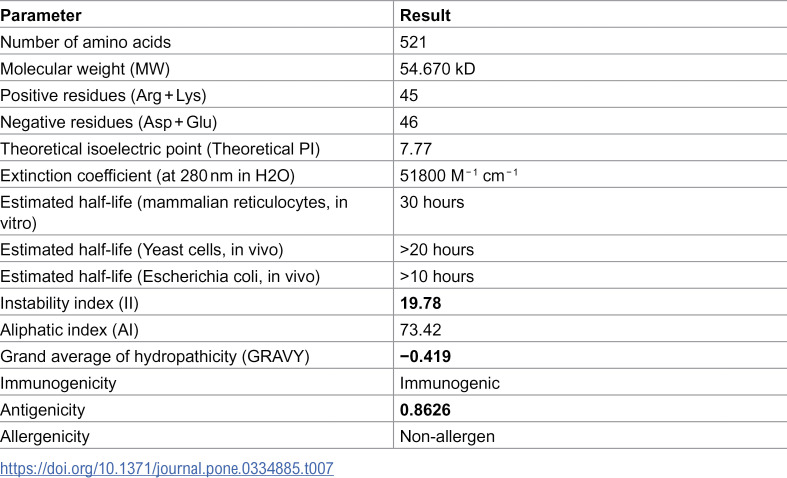 Figure 37
 Figure 38
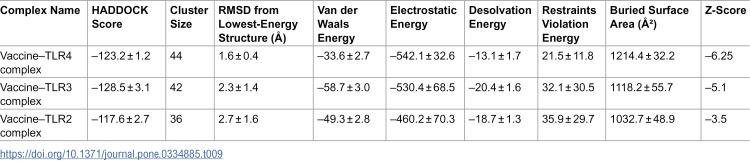 Figure 39
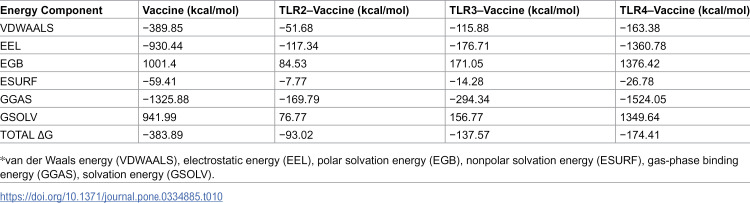 Figure 40
Peer Reviews
No public reviews on file for this paper yet. If you reviewed it on a platform where reviews are public (OpenReview, ICLR, NeurIPS, ICML), you can paste yours below so the community can read it here.
Videos
No videos yet. Explain this paper in a talk, walkthrough, or lecture? Add one.
Taxonomy
TopicsAntimicrobial Resistance in Staphylococcus · vaccines and immunoinformatics approaches · Bacteriophages and microbial interactions