Chaetomium, Chlonostachys, and Pseudogymnoascus isolates from tomato tissues significantly suppress Phytophthora infestans in tomato
Philemon Orwa, Theresa Kuhl-Nagel, Rosa Meinhold-Ernst, Arne Seyer, Johannes A. Jehle, Romano Mwirichia, Ada Linkies, Durgesh Jaiswal, Estibaliz Sansinenea, Estibaliz Sansinenea

TL;DR
This study identifies specific fungi that can significantly reduce tomato late blight caused by Phytophthora infestans, offering a potential biocontrol solution.
Contribution
The study combines culture-based screening and microbiome profiling to identify effective fungal biocontrol agents against Phytophthora infestans.
Findings
Chaetomium subaffine reduced diseased leaf area by 90% compared to the control in three trials.
70% of the antagonistic fungi identified were detected in the tomato microbiome.
Chlonostachys and Pseudogymnoascus spp. showed strong disease suppression in two trials.
Abstract
Late blight is a disease whose causative agent is the oomycete Phytophthora infestans. It is one of the most destructive pathogenic oomycetes and a major challenge to global tomato production. The pathogen is difficult to manage because of its ability to evolve thereby evading host resistance. The aim of this study was to screen for potential antagonists of P. infestans using a combination of culture and microbiome-based approaches. Samples were collected from healthy and P. infestans-infected tomato plants grown in soil collected from two organic tomato growers in the Rhine-Main area in Germany. A total of 246 fungal isolates were screened for their antagonistic activity against P. infestans. Most of the isolates that exhibited in vitro antagonistic activity were from the genera Penicillium, Trichoderma, Chlonostachys, Mortierella, and Pseudogymnoascus. Following a stepwise in vitro…
Genes, proteins, chemicals, diseases, species, mutations and cell lines named across the full text — each resolved to its canonical identifier and authoritative record.
Click any figure to enlarge with its caption.
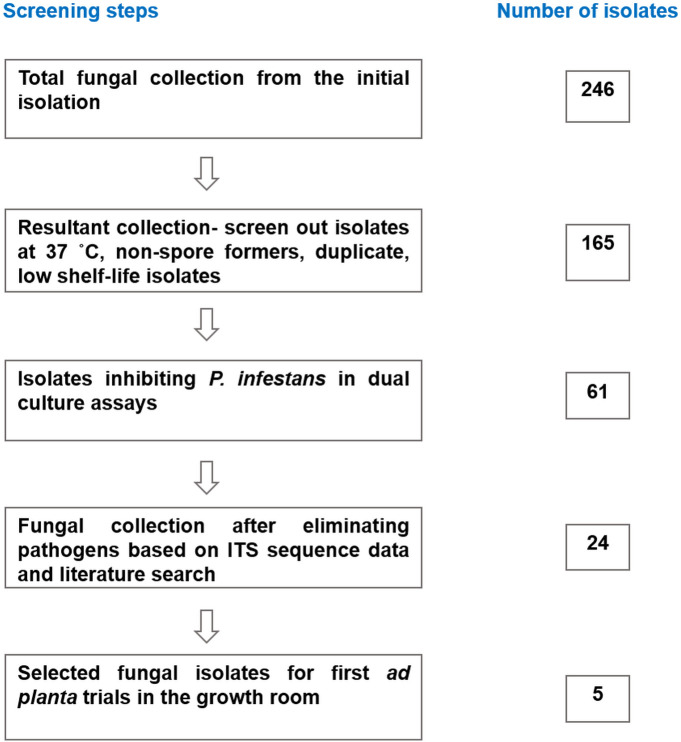 Figure 1
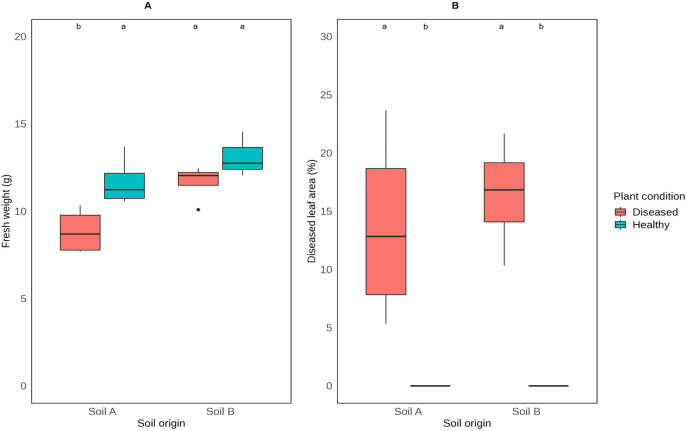 Figure 2
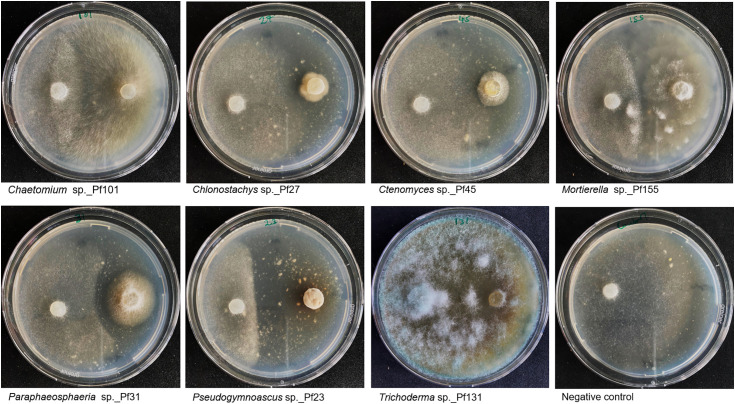 Figure 3
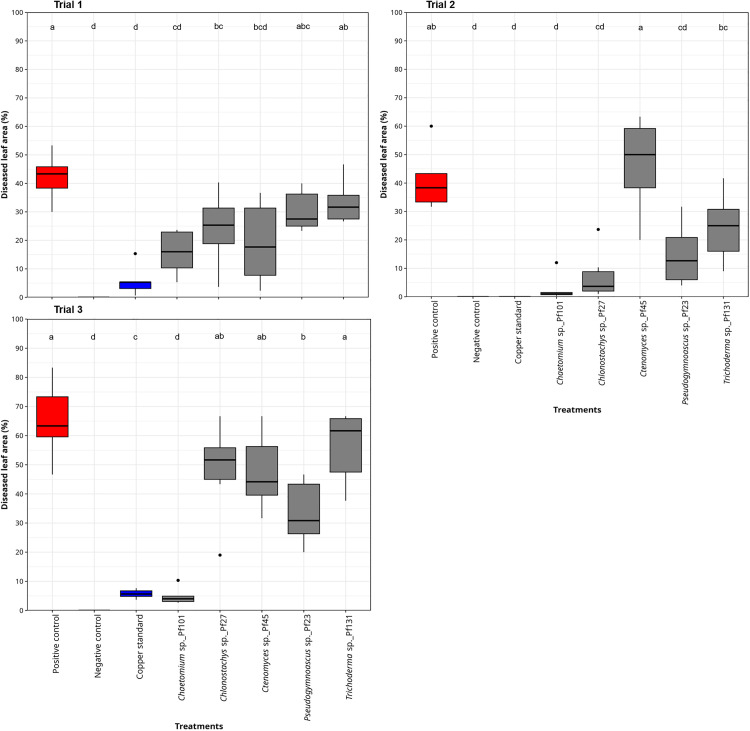 Figure 4
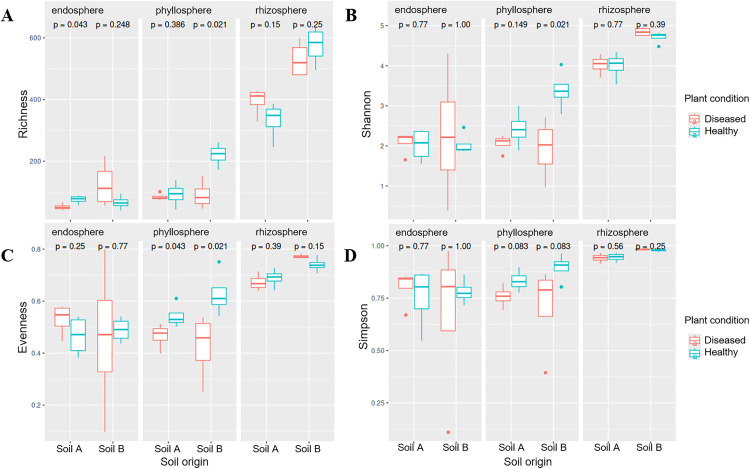 Figure 5
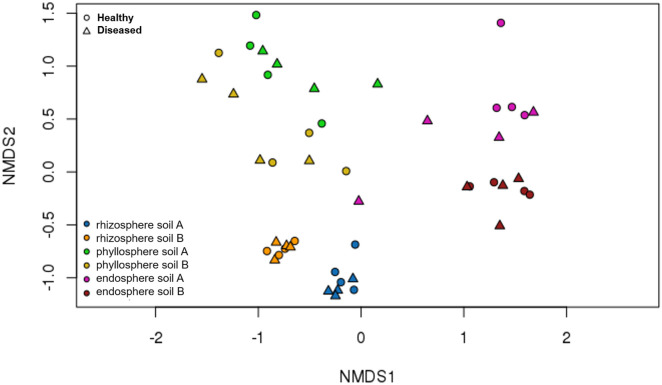 Figure 6
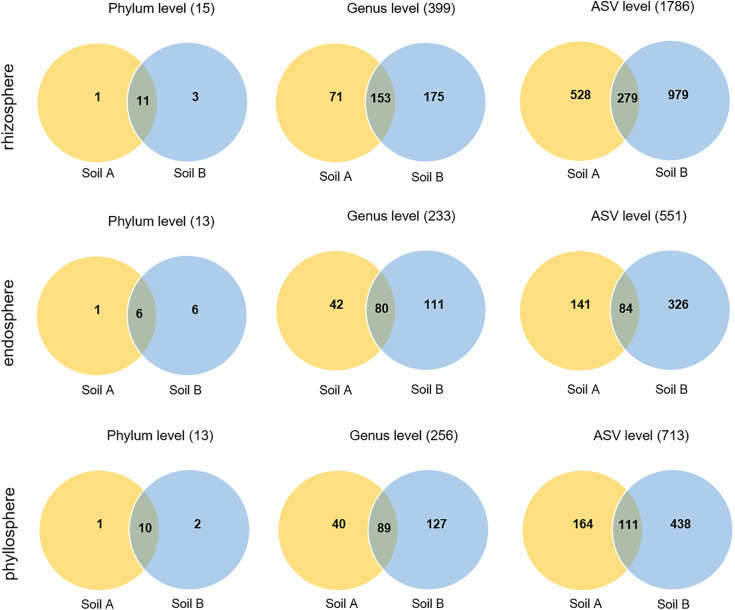 Figure 7
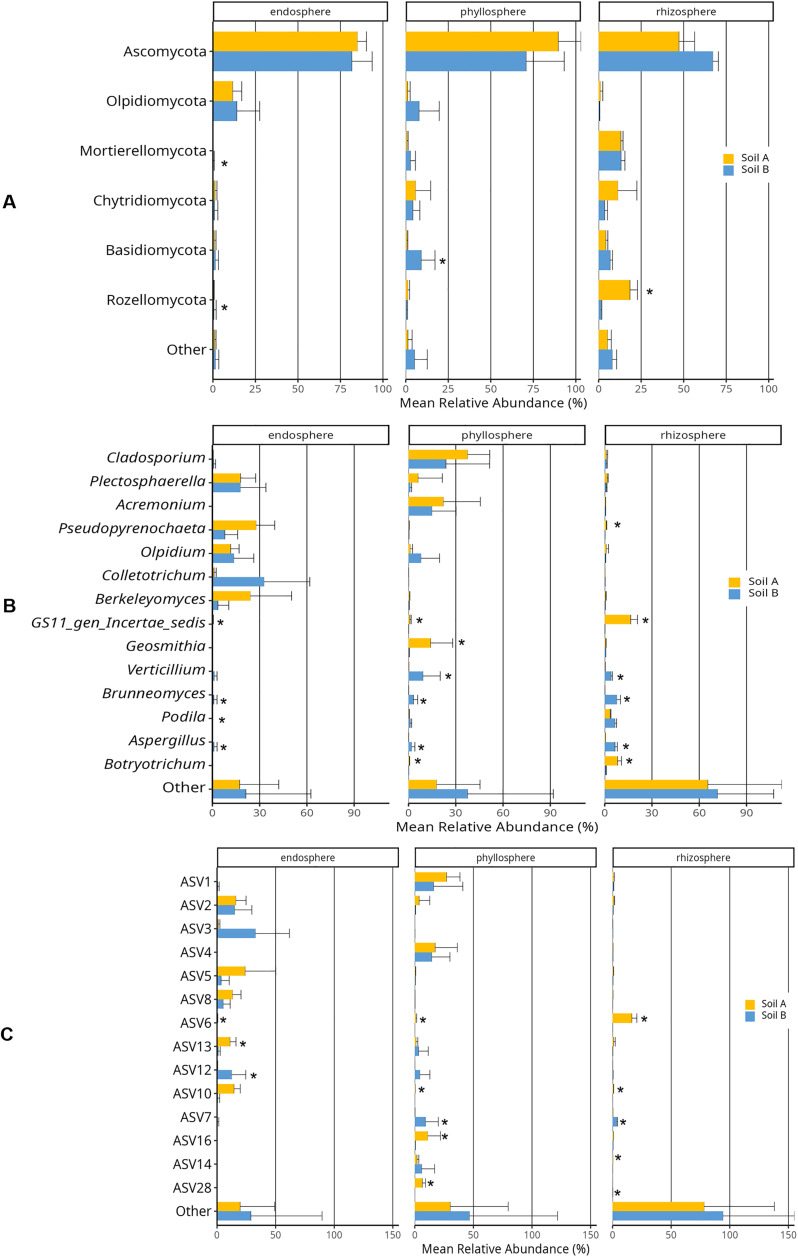 Figure 8
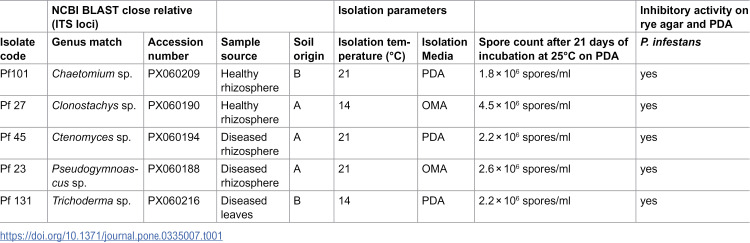 Figure 9
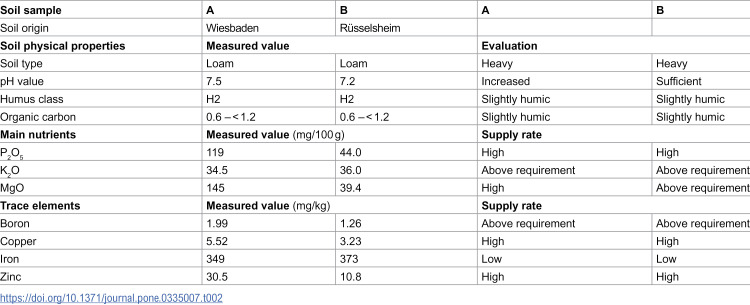 Figure 10
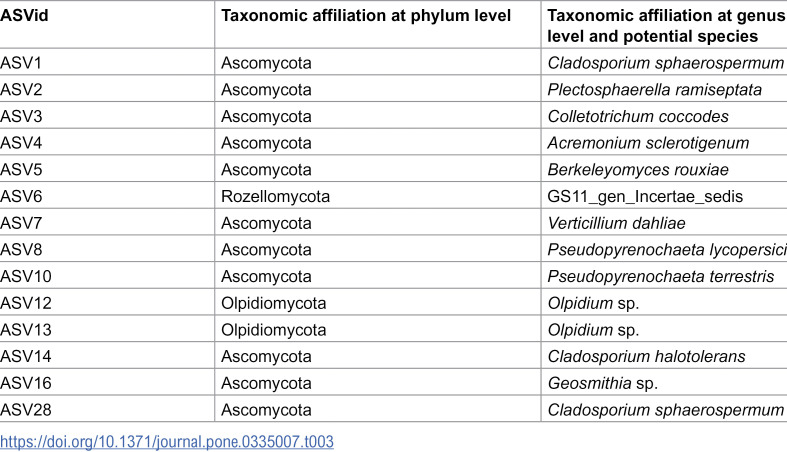 Figure 11
Peer Reviews
No public reviews on file for this paper yet. If you reviewed it on a platform where reviews are public (OpenReview, ICLR, NeurIPS, ICML), you can paste yours below so the community can read it here.
Videos
No videos yet. Explain this paper in a talk, walkthrough, or lecture? Add one.
Taxonomy
TopicsPlant Pathogens and Resistance · Plant Pathogens and Fungal Diseases · Plant-Microbe Interactions and Immunity