Nuclear Pleomorphism in Gastrointestinal Stromal Tumors: Insights Beyond Risk Stratification
Subramaniam Ramkumar

TL;DR
This paper discusses a rare case of a gastrointestinal stromal tumor with unusual nuclear features and how it challenges current risk assessment methods.
Contribution
The novelty lies in presenting a GIST case with nuclear pleomorphism but no other high-grade features, questioning existing prognostic criteria.
Findings
A GIST case with marked nuclear pleomorphism was identified.
The case lacked other high-grade features typically associated with poor prognosis.
This case suggests that nuclear pleomorphism may need reevaluation in risk stratification.
Abstract
Gastrointestinal stromal tumors (GISTs) are very common mesenchymal neoplasms involving the gastrointestinal tract. Despite having a uniform nuclear morphology, they can show varied histological subtypes. The prognosis is based on tumor size, mitotic rate and location of the tumor. Some cases of GIST can however show marked nuclear pleomorphism. Here we report a case of GIST with marked nuclear pleomorphism without other high-grade features. This case highlights the importance of nuclear pleomorphism and its implications in the perspective of existing prognostic criteria.
Genes, proteins, chemicals, diseases, species, mutations and cell lines named across the full text — each resolved to its canonical identifier and authoritative record.
Click any figure to enlarge with its caption.
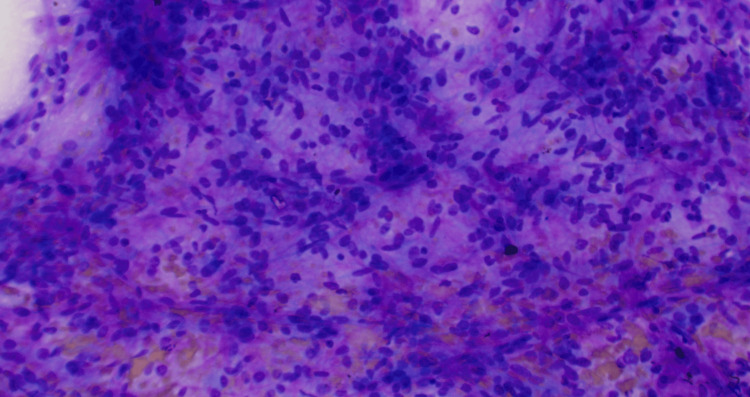 Figure 1
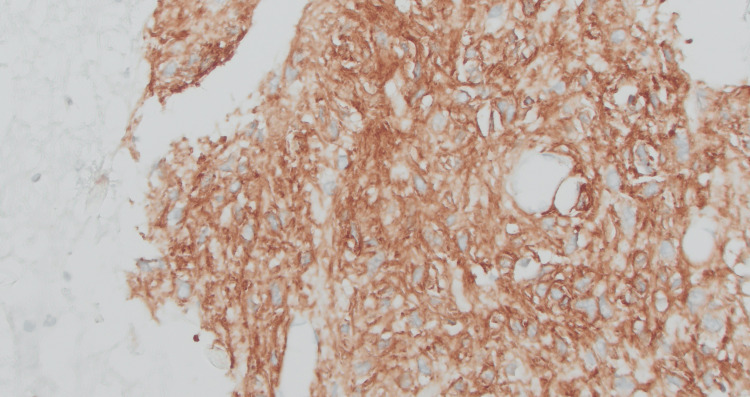 Figure 2
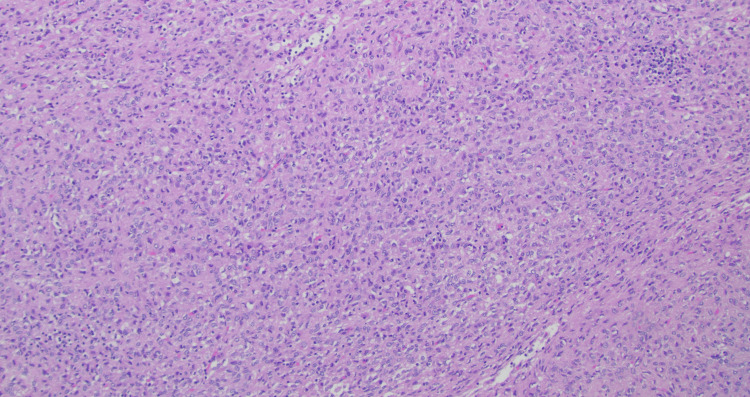 Figure 3
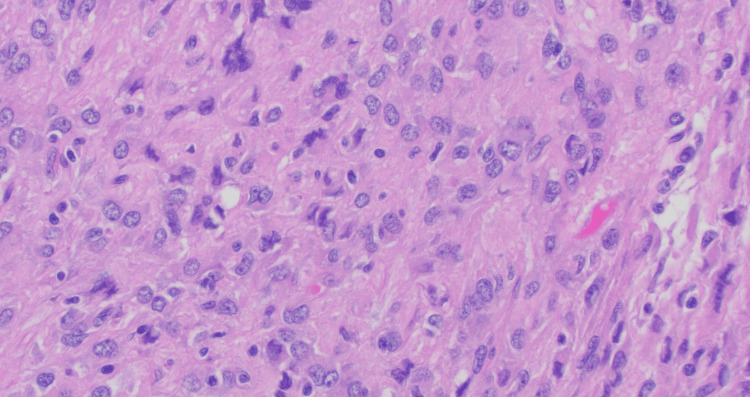 Figure 4
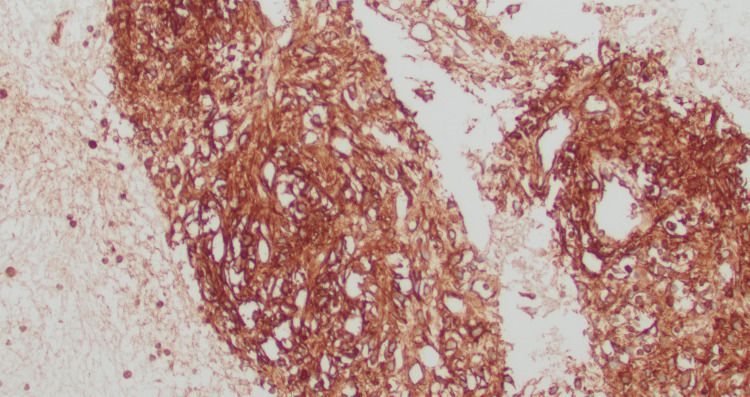 Figure 5
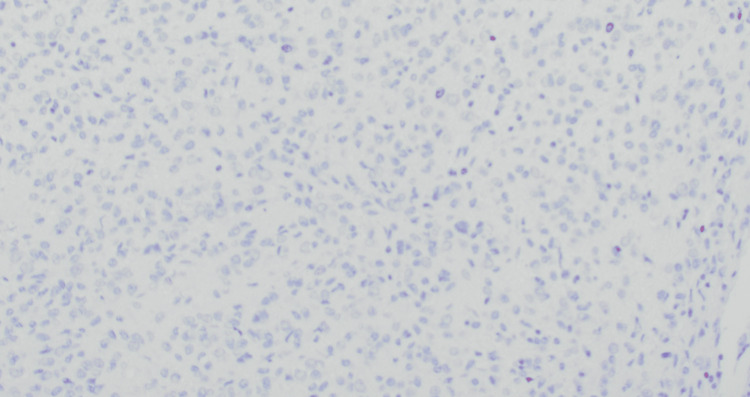 Figure 6
Peer Reviews
No public reviews on file for this paper yet. If you reviewed it on a platform where reviews are public (OpenReview, ICLR, NeurIPS, ICML), you can paste yours below so the community can read it here.
Videos
No videos yet. Explain this paper in a talk, walkthrough, or lecture? Add one.
Taxonomy
TopicsGastrointestinal Tumor Research and Treatment · Sarcoma Diagnosis and Treatment · Tumors and Oncological Cases