Continuous football player tracking from discrete broadcast data
Matthew J. Penn, Christl A. Donnelly, Samir Bhatt

TL;DR
This paper introduces a method to estimate continuous player tracking data from low-quality broadcast footage, making it accessible for teams that lack high-quality video feeds.
Contribution
The novel method enables affordable and scalable player tracking using discrete broadcast data, bridging the gap for teams without high-quality video.
Findings
The method was tested successfully using open-source tracking data.
A version of the method can be applied to over 200 games with discrete data.
The approach offers a cost-effective alternative to traditional high-quality tracking systems.
Abstract
Player tracking data remain out of reach for many professional football teams, as their video feeds are not sufficiently high quality for computer vision technologies to be used. To help bridge this gap, we present a method that can estimate continuous full-pitch tracking data from discrete data made from broadcast footage. Such data could be collected by clubs or players at a similar cost to event data, which are widely available down to the semi-professional level. We test our method using open-source tracking data and include a version that can be applied to a large set of over 200 games with such discrete data.
Genes, proteins, chemicals, diseases, species, mutations and cell lines named across the full text — each resolved to its canonical identifier and authoritative record.
Click any figure to enlarge with its caption.
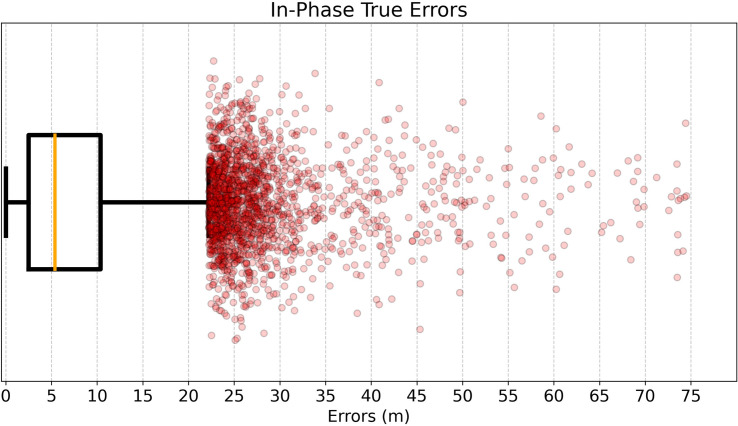 Figure 1
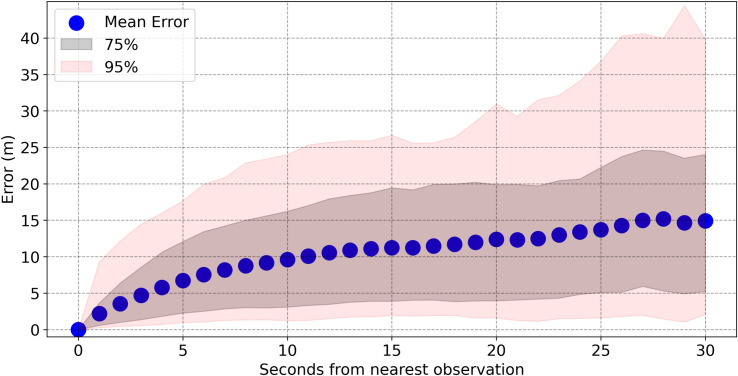 Figure 2
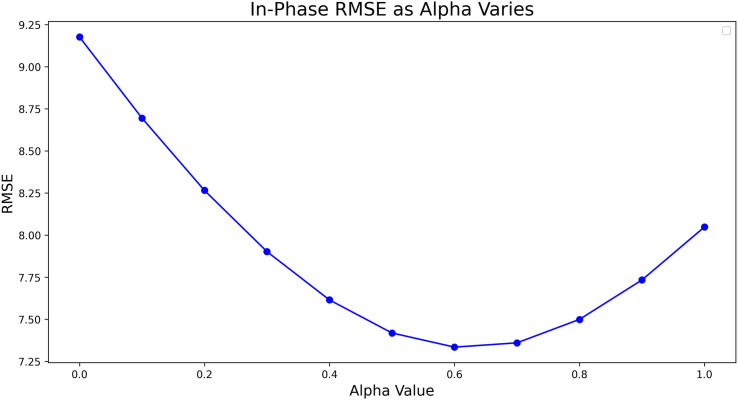 Figure 3
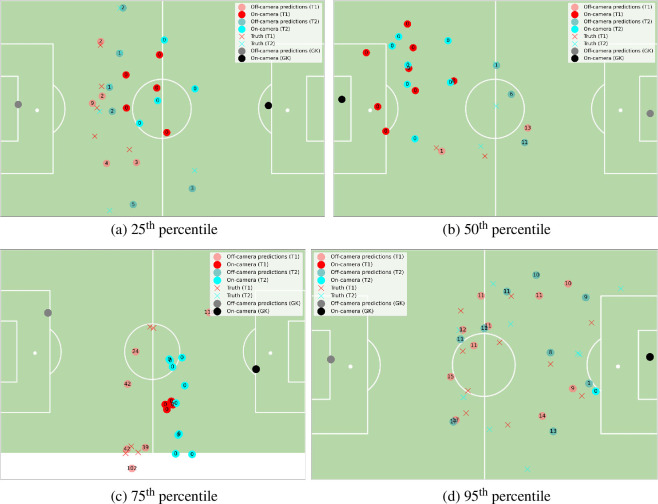 Figure 4
Peer Reviews
No public reviews on file for this paper yet. If you reviewed it on a platform where reviews are public (OpenReview, ICLR, NeurIPS, ICML), you can paste yours below so the community can read it here.
Videos
No videos yet. Explain this paper in a talk, walkthrough, or lecture? Add one.
Taxonomy
TopicsVideo Analysis and Summarization · Sports Analytics and Performance · Sports Dynamics and Biomechanics