Identification and Validation of the Key Genes of Diabetic Vasculopathy: Evidence Based on Bioinformatics Analysis and Animal Study
Feng Li, Chi Geng, Xing Xu, Yu-Lun Zhou, Xin-Ru Guo, Rui-Tao Wang, You Zhang, Si-Liang Peng, Meng-Chao Jin, Jian Huang, Hui-Yu Bai, Hui Li, Xiao-Song Gu, Songyun Zhao

TL;DR
This study identifies key genes involved in diabetic vasculopathy using bioinformatics and animal experiments, highlighting BMP4 and LEP as potential therapeutic targets.
Contribution
The study integrates multiple computational and experimental approaches to identify and validate key genes in diabetic vasculopathy.
Findings
BMP4 and LEP are upregulated and implicated in diabetic vasculopathy pathophysiology.
Regulatory networks suggest miRNAs, transcription factors, and immune cells influence BMP4 and LEP expression.
Experimental validation in a T2DM mouse model supports the bioinformatics findings.
Abstract
The mechanisms contributing to diabetic vasculopathy have not been fully understand. First, we identified differentially expressed genes (DEGs) of diabetic vasculopathy via GSE13760. Enrichment analysis was conducted. We utilized the cMAP database to identify potential small‐molecular drugs targeting diabetic vasculopathy based on upregulated DEGs. Hub genes were extracted from protein–protein interaction (PPI) networks, and their expression and correlation patterns were further evaluated. Key genes implicated in diabetic vasculopathy were determined by integrating three distinct algorithmic approaches. Additionally, we constructed mRNA–miRNA and mRNA–transcription factor (TF) regulatory networks and performed immune infiltration as well as single‐cell RNA sequencing (scRNA‐seq) analyses. Finally, animal studies were carried out to provide preliminary experimental validation. One…
Genes, proteins, chemicals, diseases, species, mutations and cell lines named across the full text — each resolved to its canonical identifier and authoritative record.
Click any figure to enlarge with its caption.
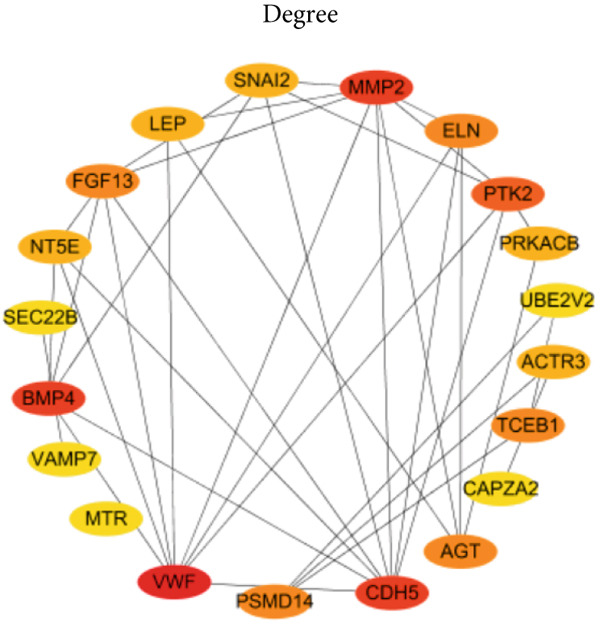 Figure 1
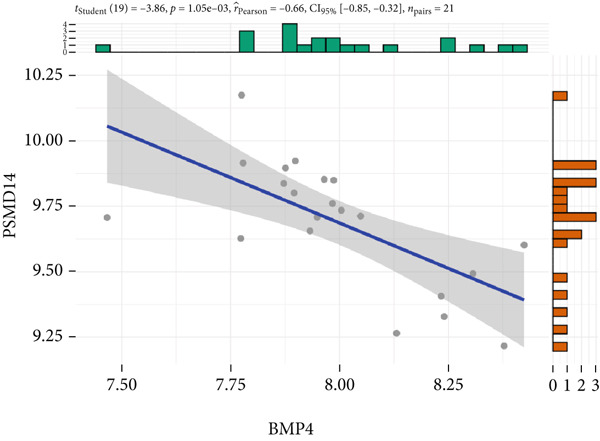 Figure 2
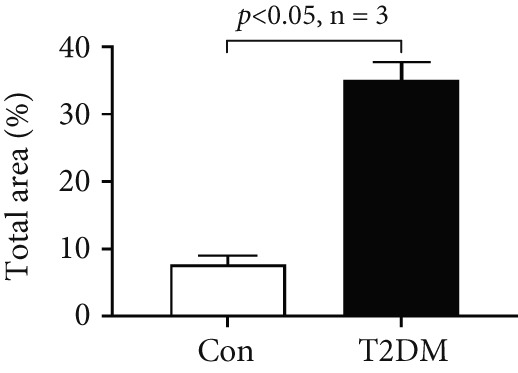 Figure 3
 Figure 4
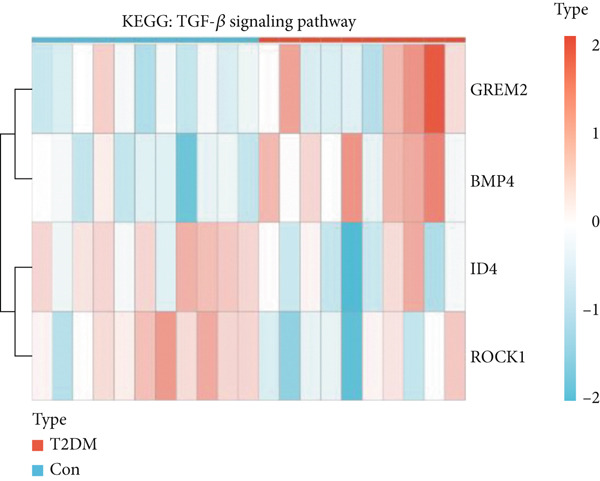 Figure 5
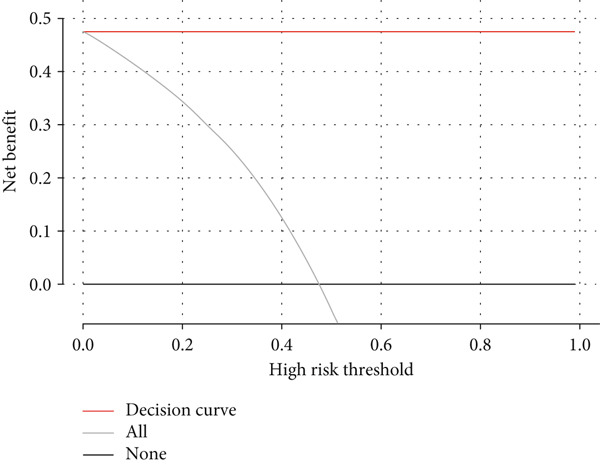 Figure 6
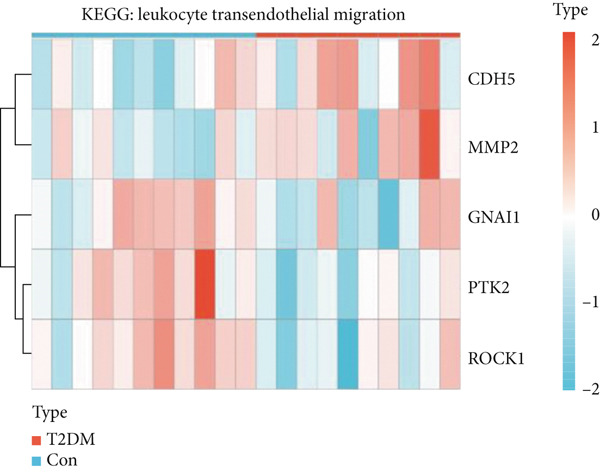 Figure 7
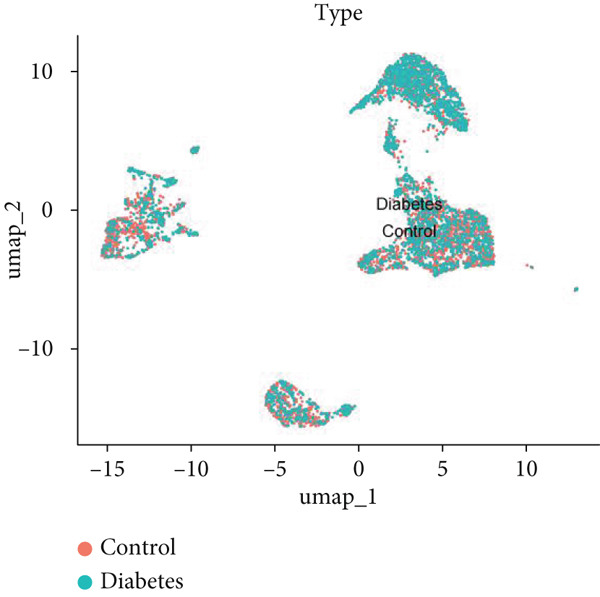 Figure 8
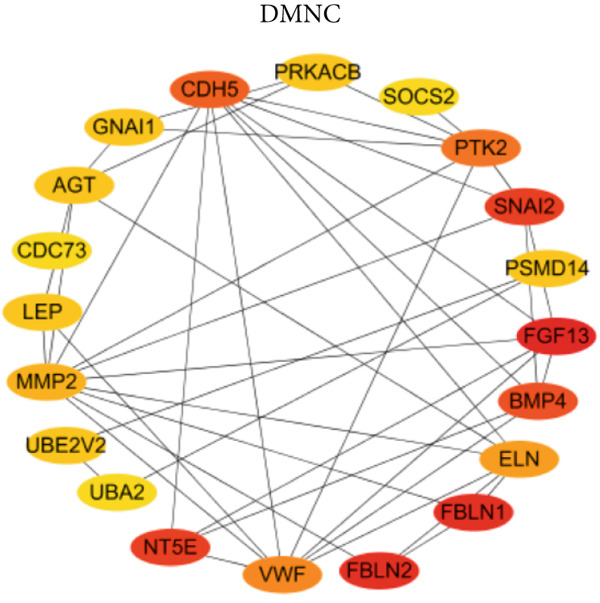 Figure 9
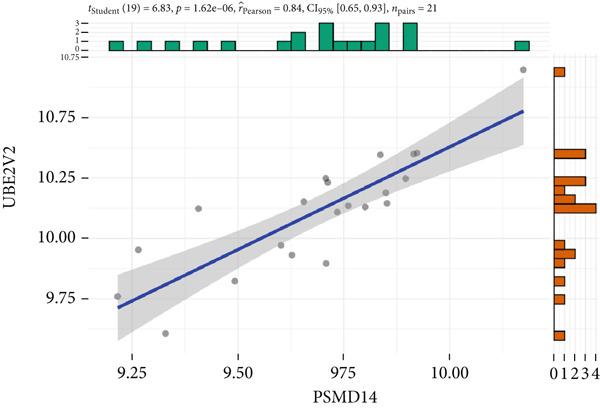 Figure 10
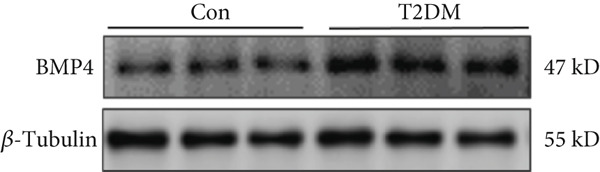 Figure 11
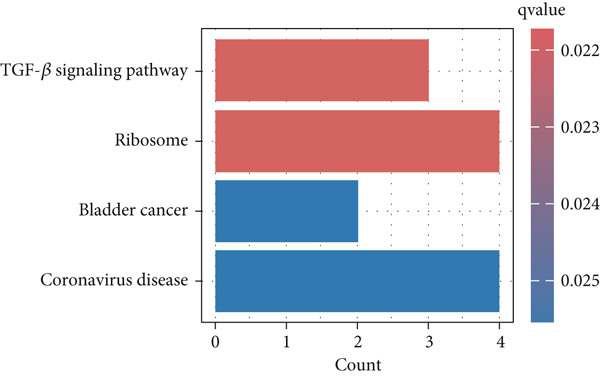 Figure 12
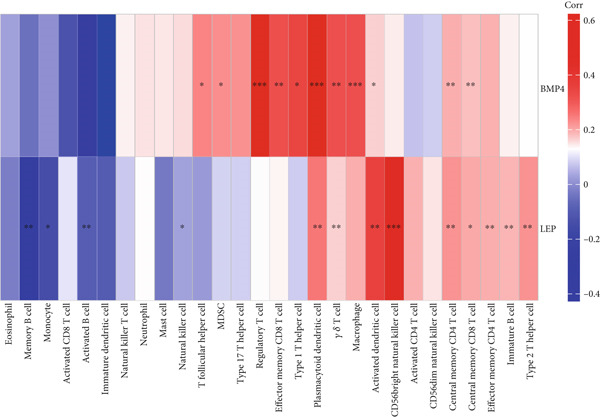 Figure 13
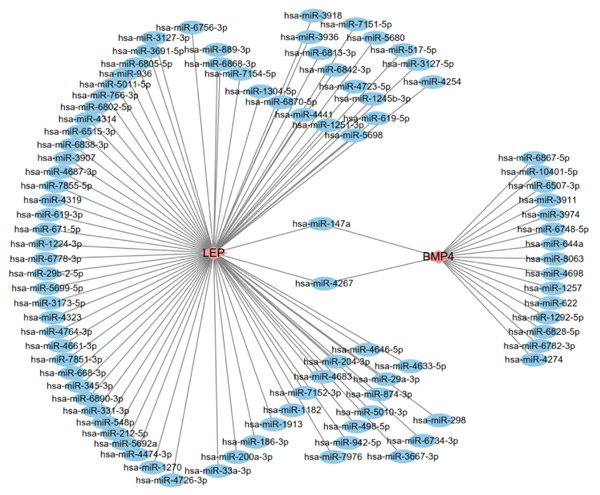 Figure 14
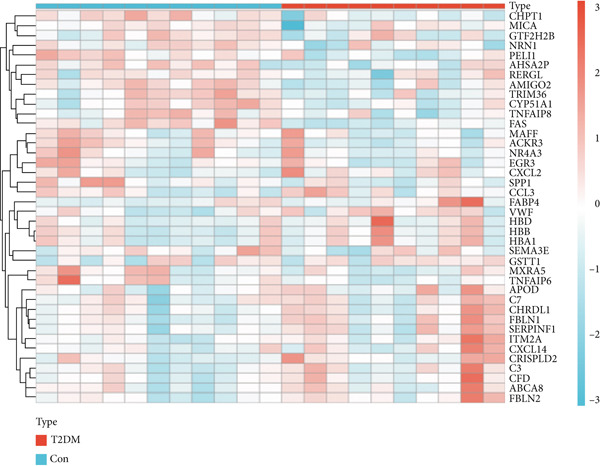 Figure 15
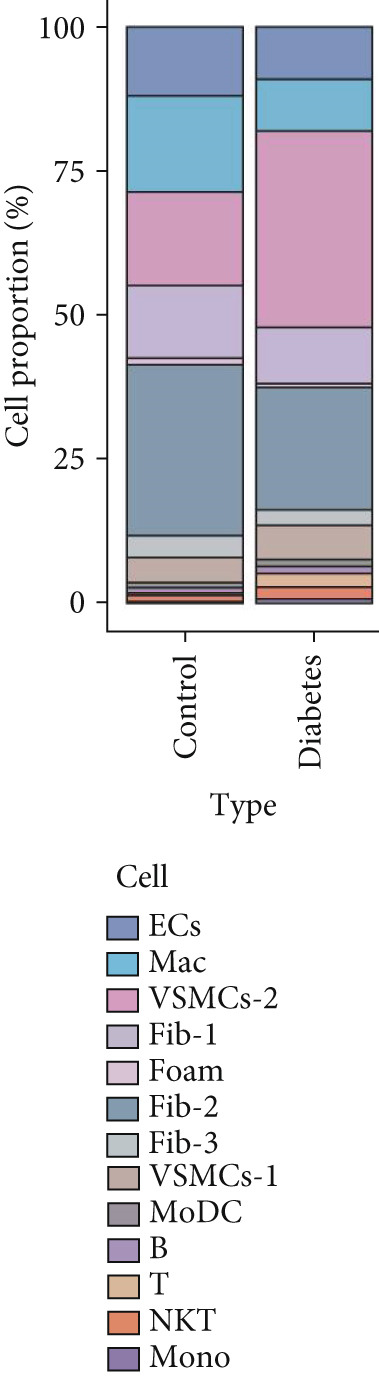 Figure 16
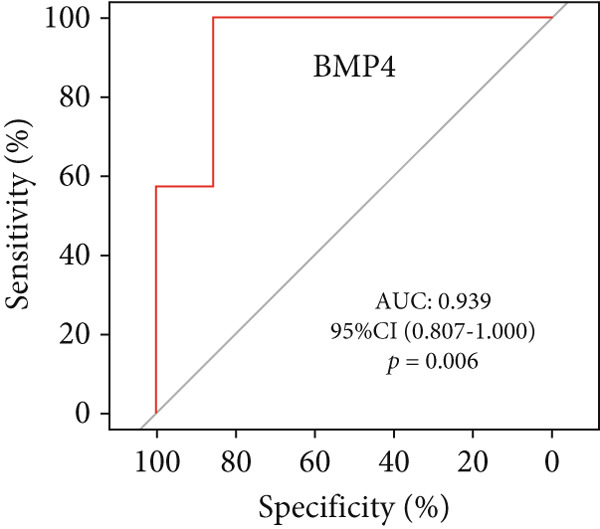 Figure 17
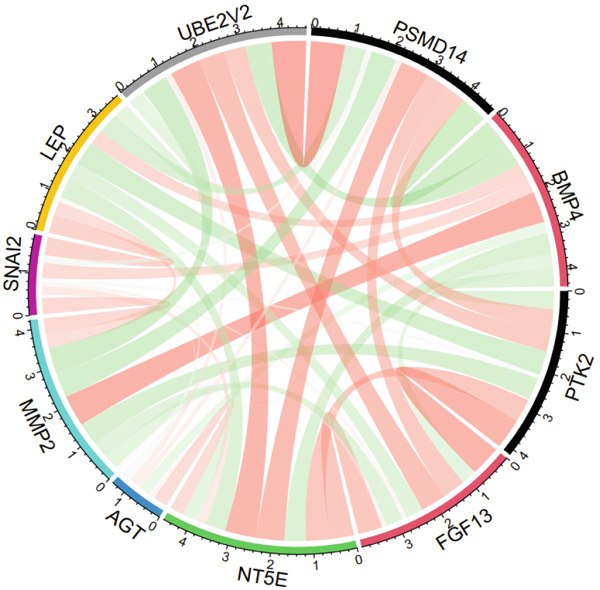 Figure 18
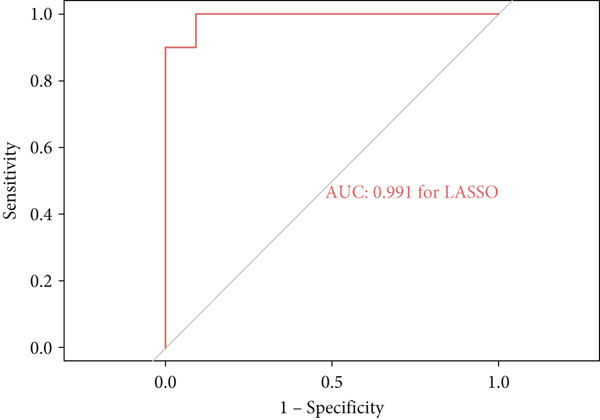 Figure 19
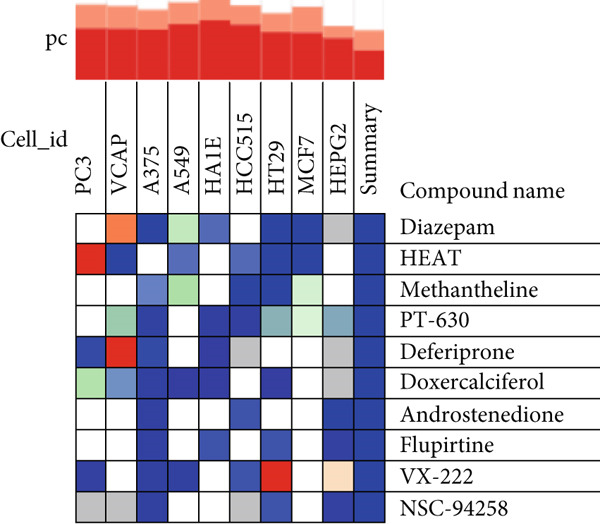 Figure 20
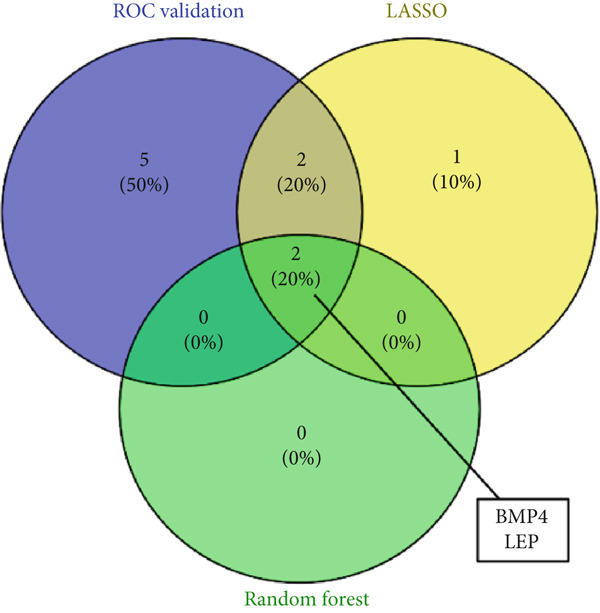 Figure 21
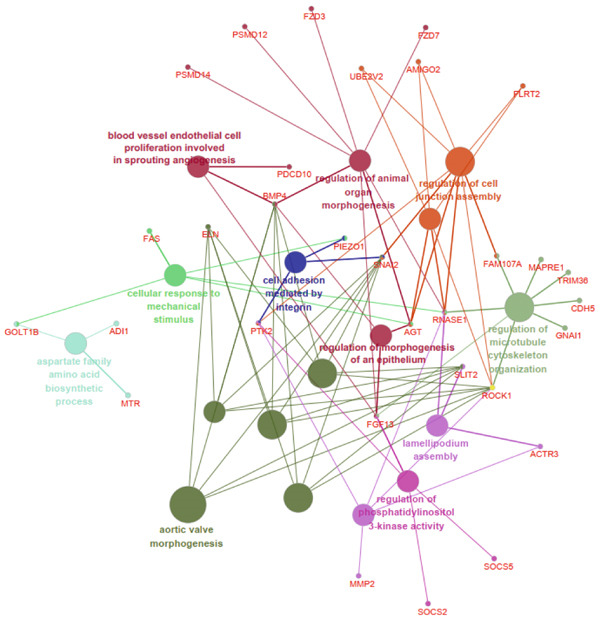 Figure 22
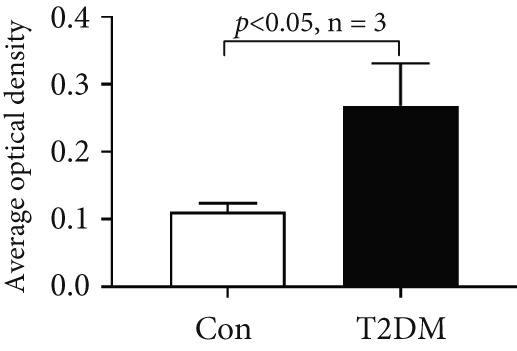 Figure 23
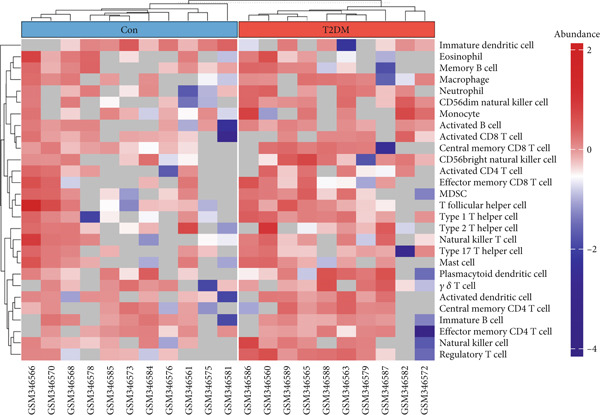 Figure 24
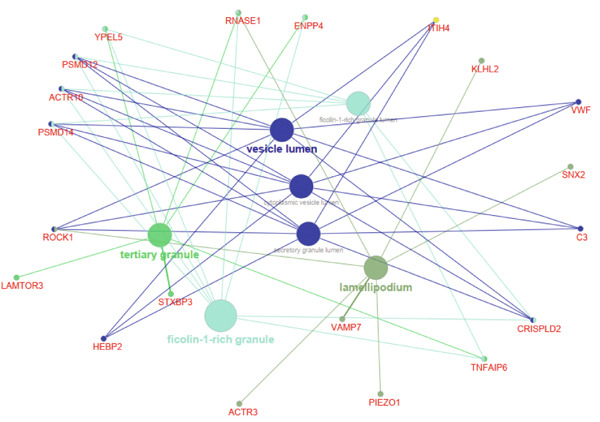 Figure 25
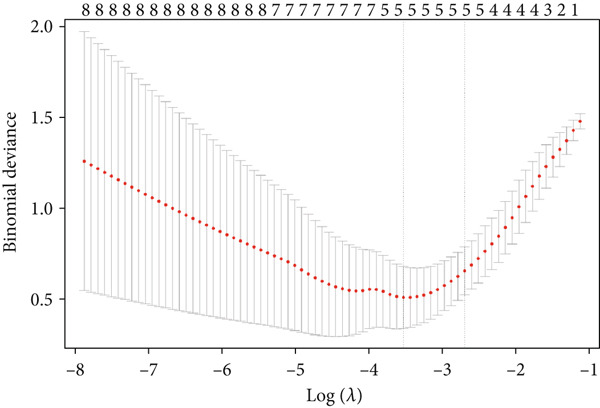 Figure 26
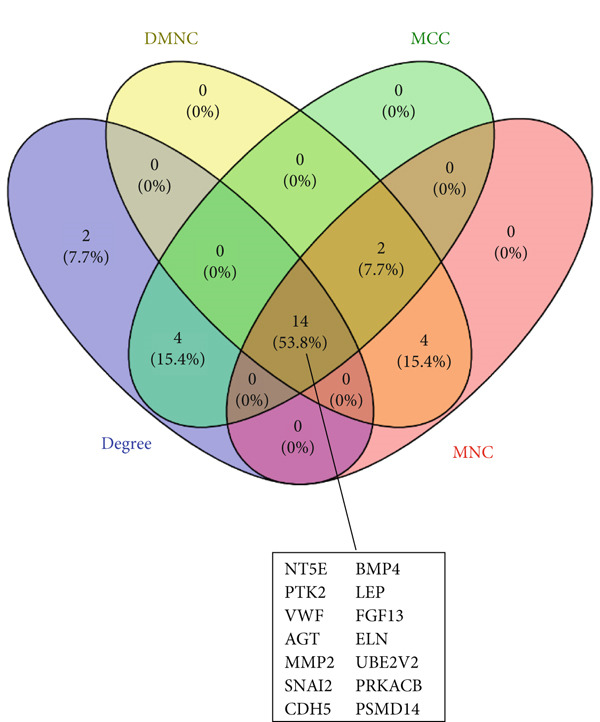 Figure 27
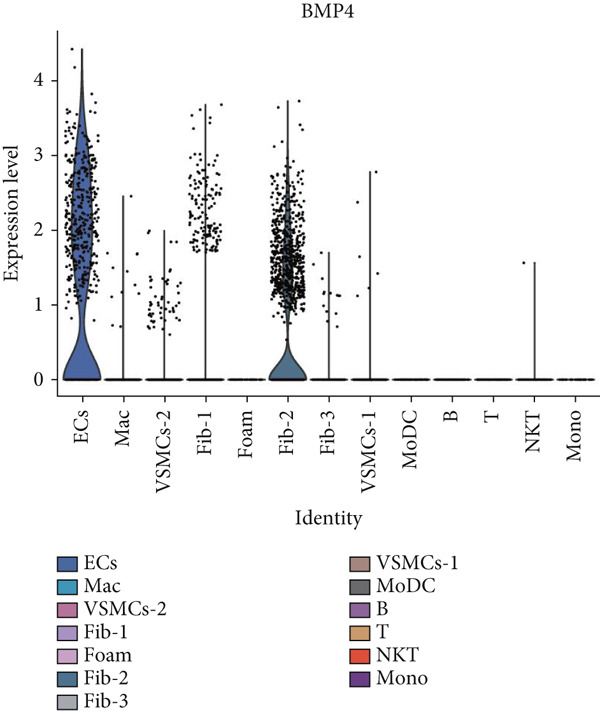 Figure 28
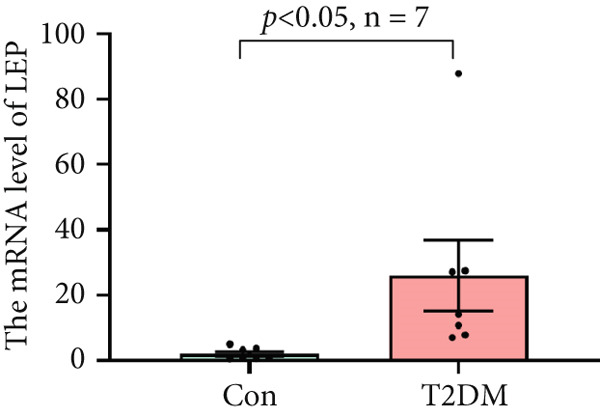 Figure 29
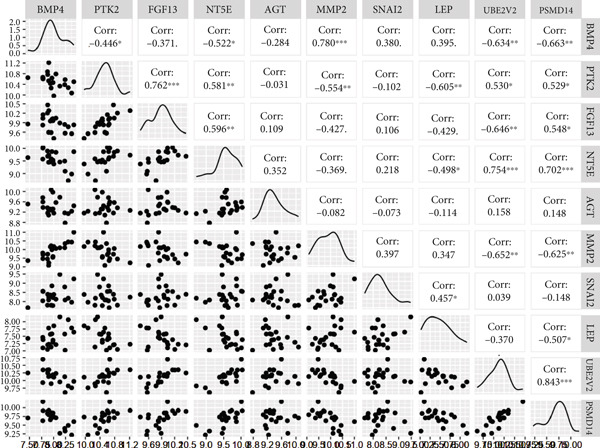 Figure 30
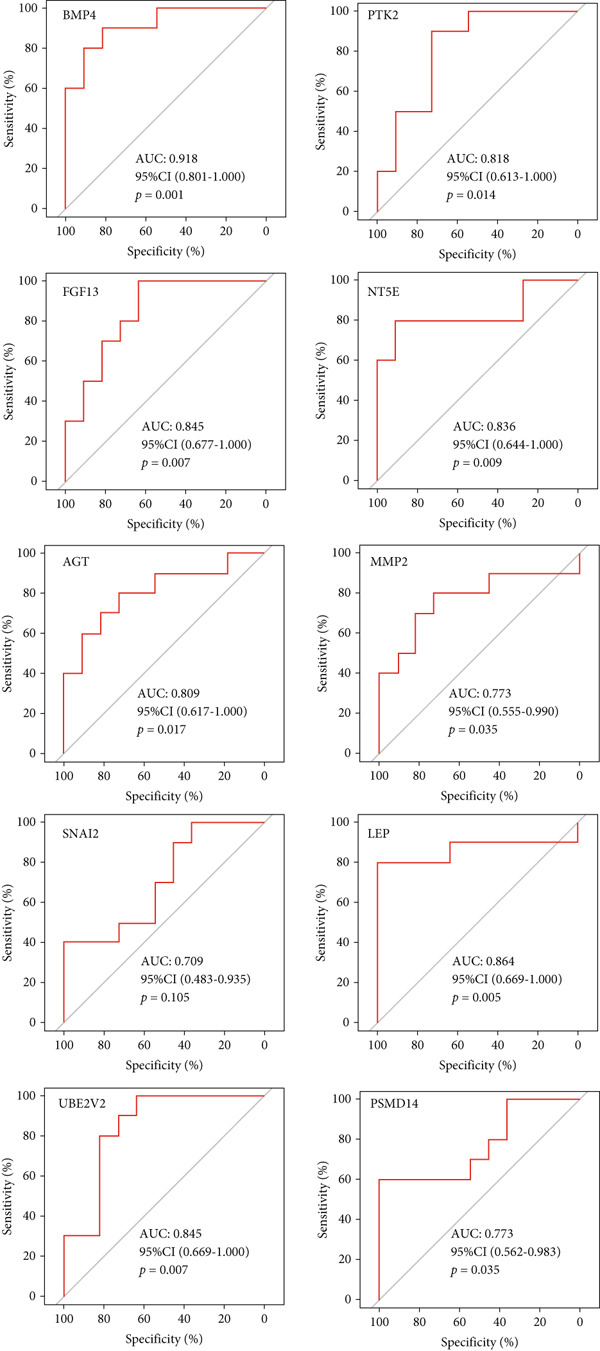 Figure 31
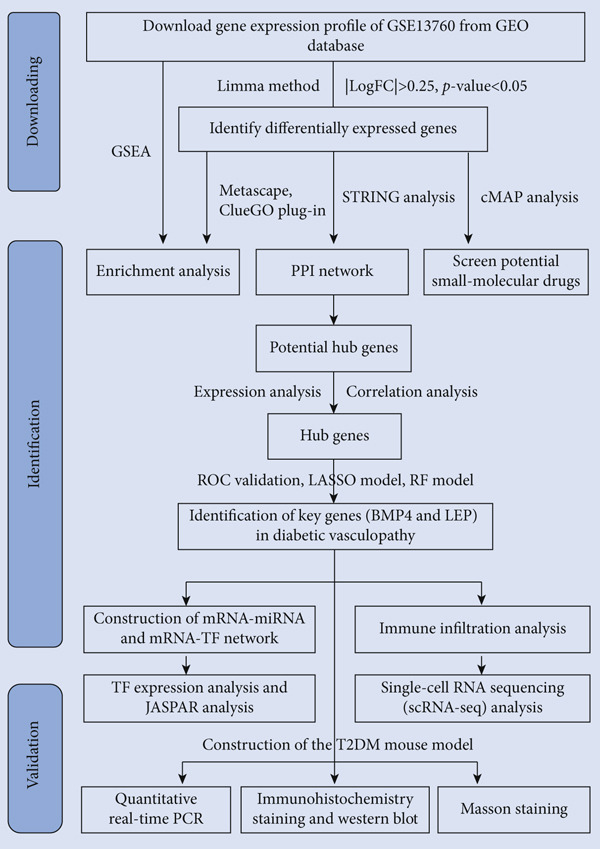 Figure 32
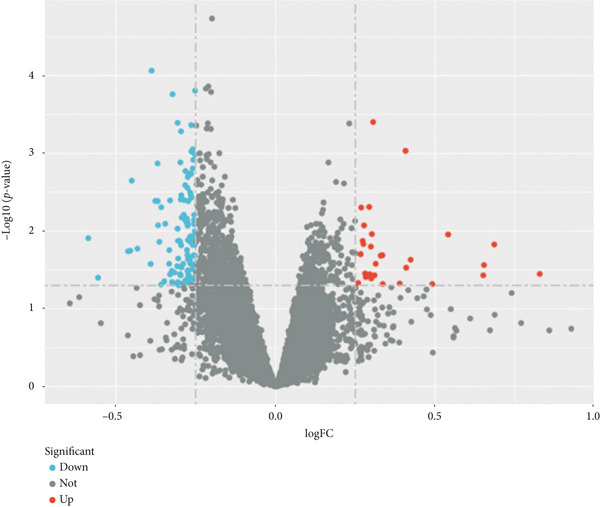 Figure 33
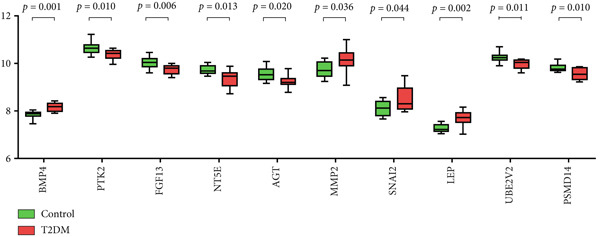 Figure 34
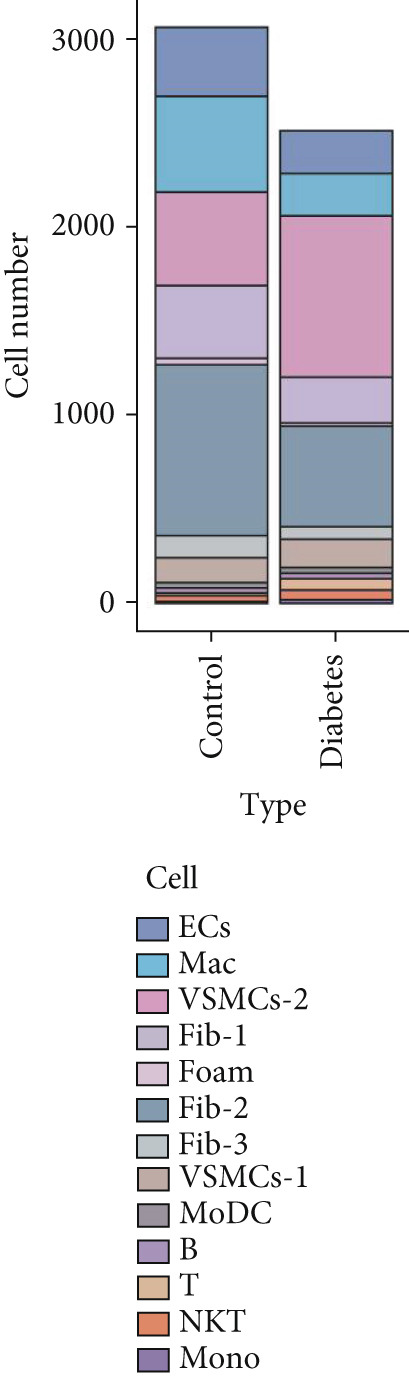 Figure 35
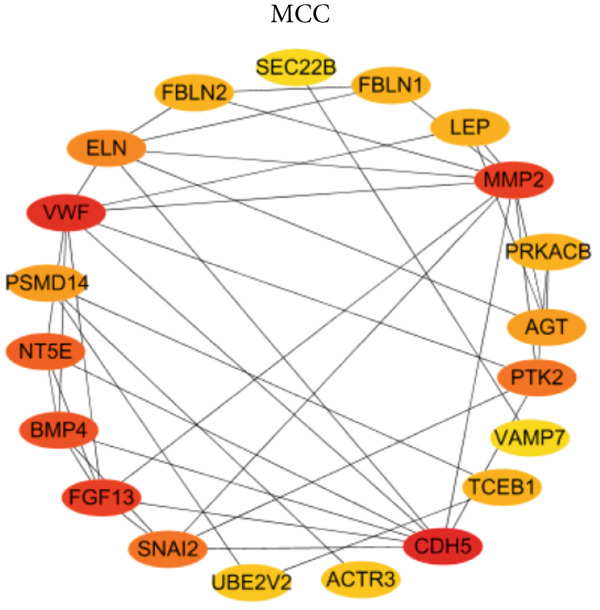 Figure 36
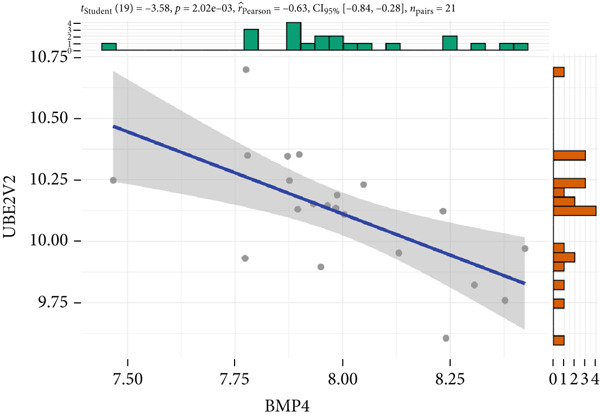 Figure 37
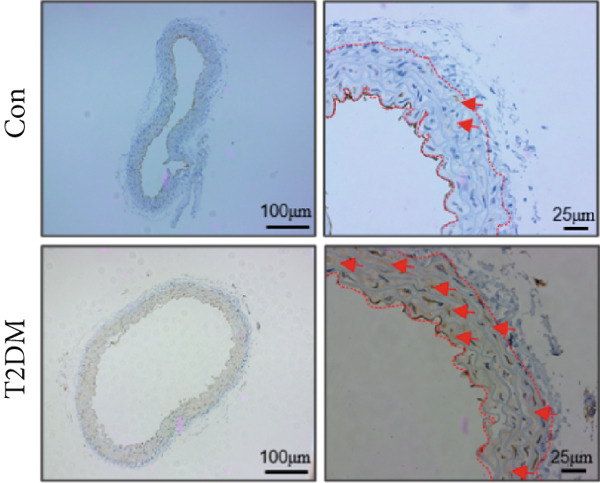 Figure 38
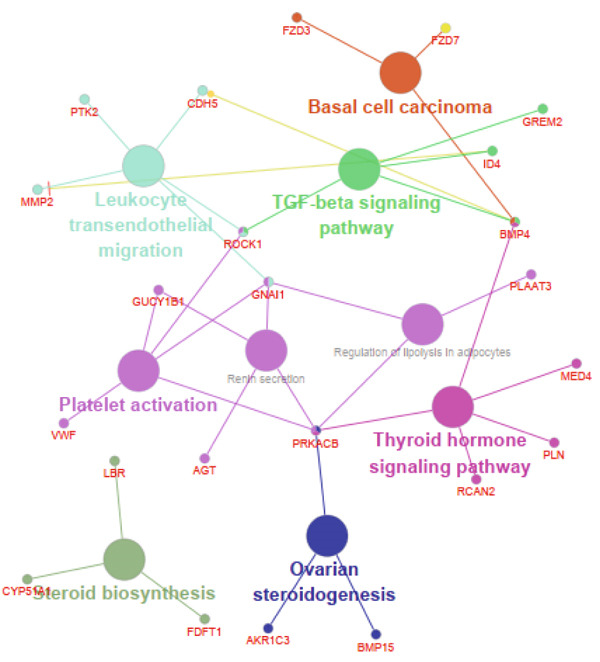 Figure 39
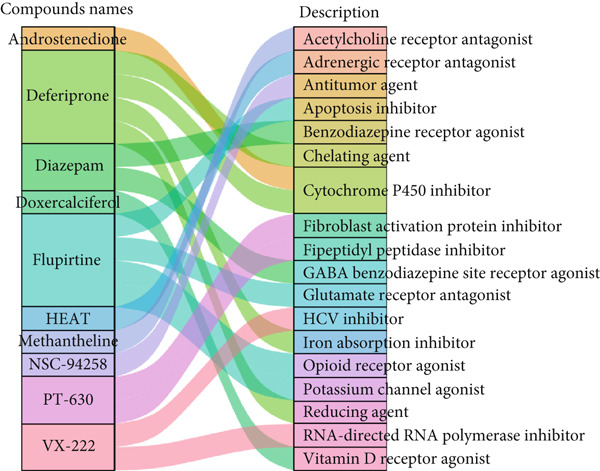 Figure 40
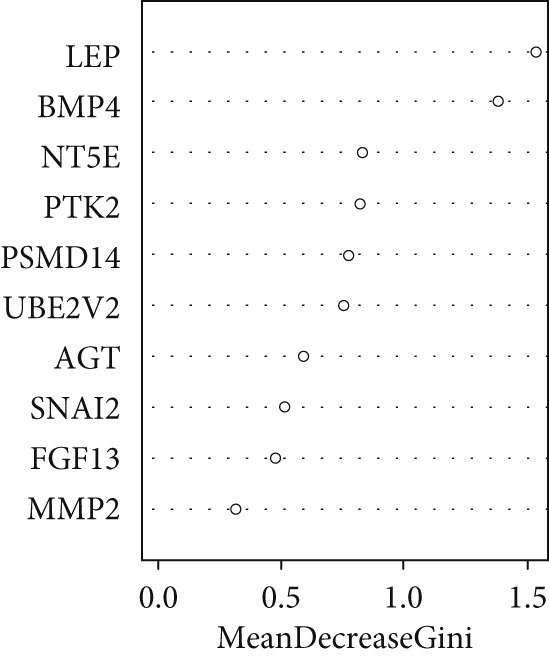 Figure 41
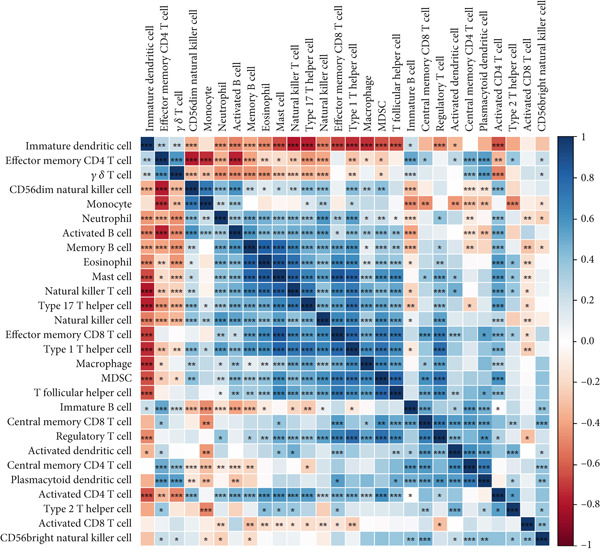 Figure 42
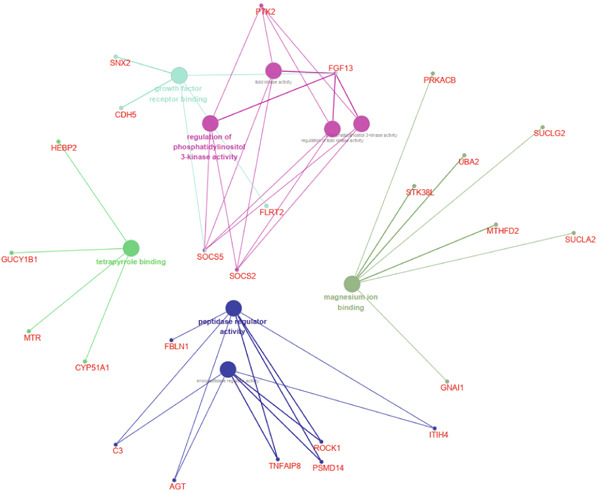 Figure 43
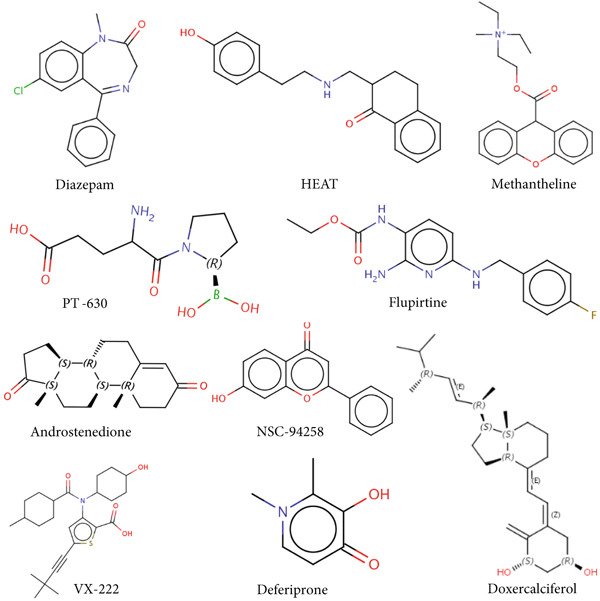 Figure 44
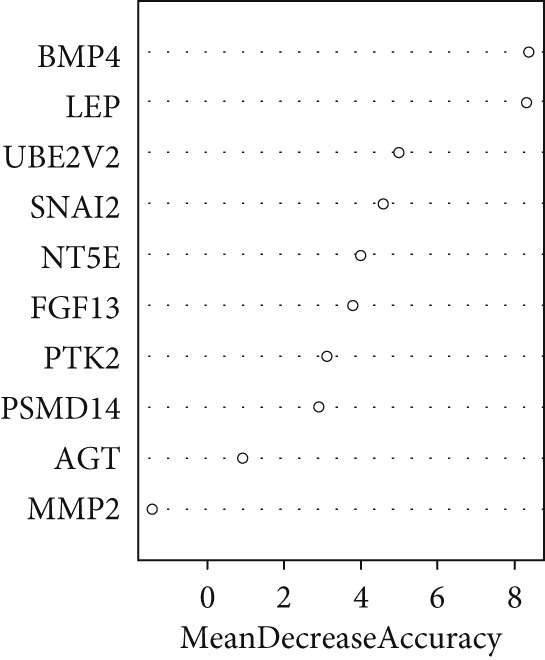 Figure 45
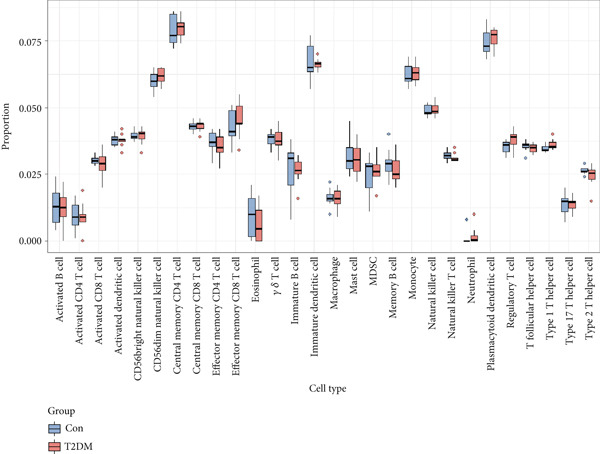 Figure 46
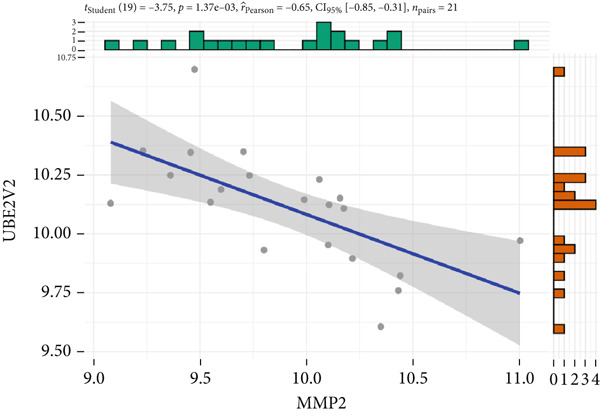 Figure 47
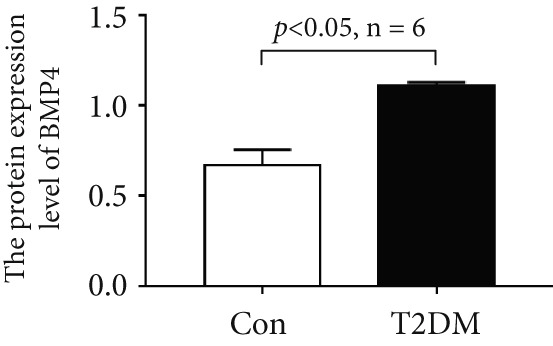 Figure 48
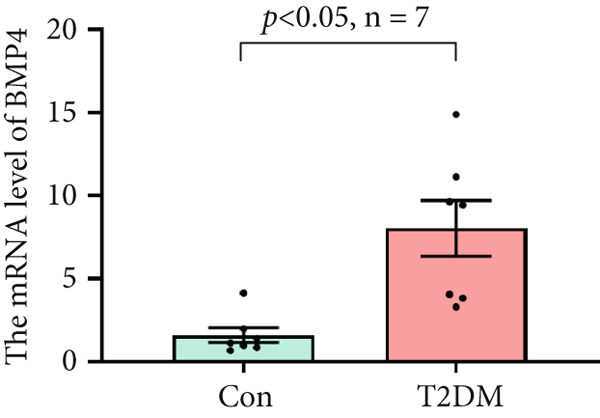 Figure 49
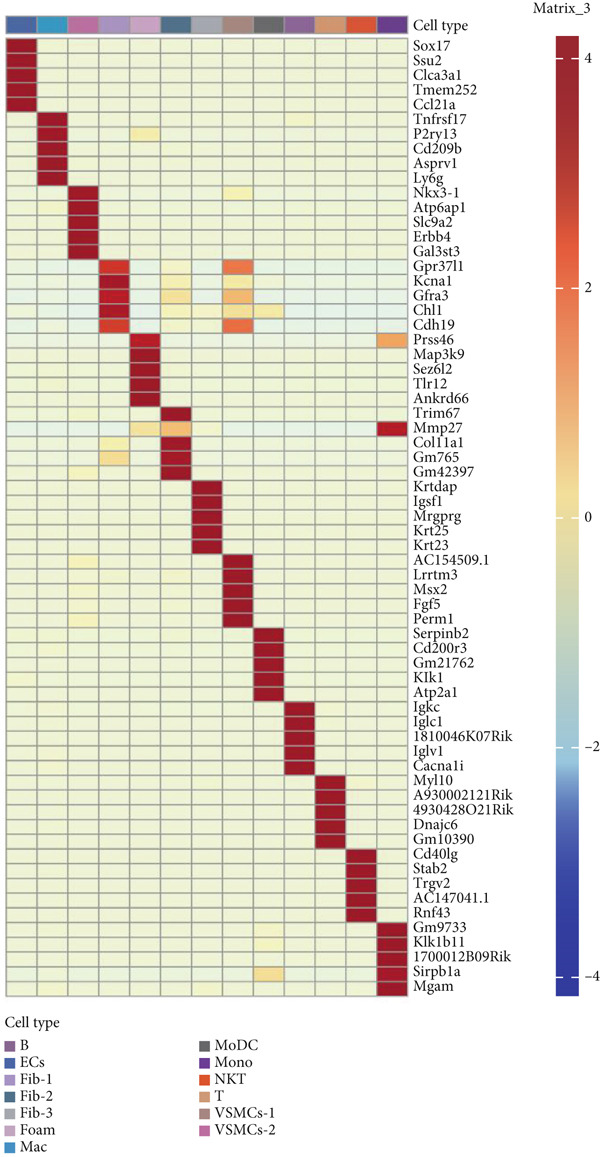 Figure 50
Peer Reviews
No public reviews on file for this paper yet. If you reviewed it on a platform where reviews are public (OpenReview, ICLR, NeurIPS, ICML), you can paste yours below so the community can read it here.
Videos
No videos yet. Explain this paper in a talk, walkthrough, or lecture? Add one.
Taxonomy
TopicsNeurological Disease Mechanisms and Treatments · Neurological Disorders and Treatments · Cerebrovascular and genetic disorders