Optimizing real-time phase detection in diverse rhythmic biological signals for phase-specific neurostimulation
Mengzhan Liufu, Zachary M Leveroni, Sameera Shridhar, Nan Zhou, Jai Y Yu

TL;DR
This study improves real-time phase detection in brain signals to better time neurostimulation, finding that matching the data window to the oscillation cycle boosts accuracy.
Contribution
The study identifies optimal data window lengths for FFT-based phase detection algorithms tailored to specific oscillation frequencies in biological signals.
Findings
Signal amplitude and frequency variations strongly influence phase detection algorithm performance.
Optimal data window length corresponds to the oscillation period (e.g., 150 ms for hippocampal theta oscillations).
In vivo validation in rats confirmed that one-cycle window length yields best phase estimation performance.
Abstract
Objective. Closed-loop, phase-specific neurostimulation is a powerful method to modulate ongoing brain activity for clinical and research applications. Phase-specific stimulation relies on estimating the phase of an ongoing oscillation in real time and issuing a control command at a target phase. Phase detection algorithms based on the fast Fourier transform (FFT) are widely used due to their computational efficiency and robustness. However, it is unclear how algorithm performance depends on the spectral properties of the input signal and how algorithm parameters can be optimized. Approach. We evaluated the in silico performance of three phase detection algorithms [Endpoint-corrected Hilbert transform (ecHT), Hilbert transform (HT), and phase mapping (PM)] on three real-world biological signals with distinct spectral properties (theta oscillations from rodent hippocampal local field…
Genes, proteins, chemicals, diseases, species, mutations and cell lines named across the full text — each resolved to its canonical identifier and authoritative record.
Click any figure to enlarge with its caption.
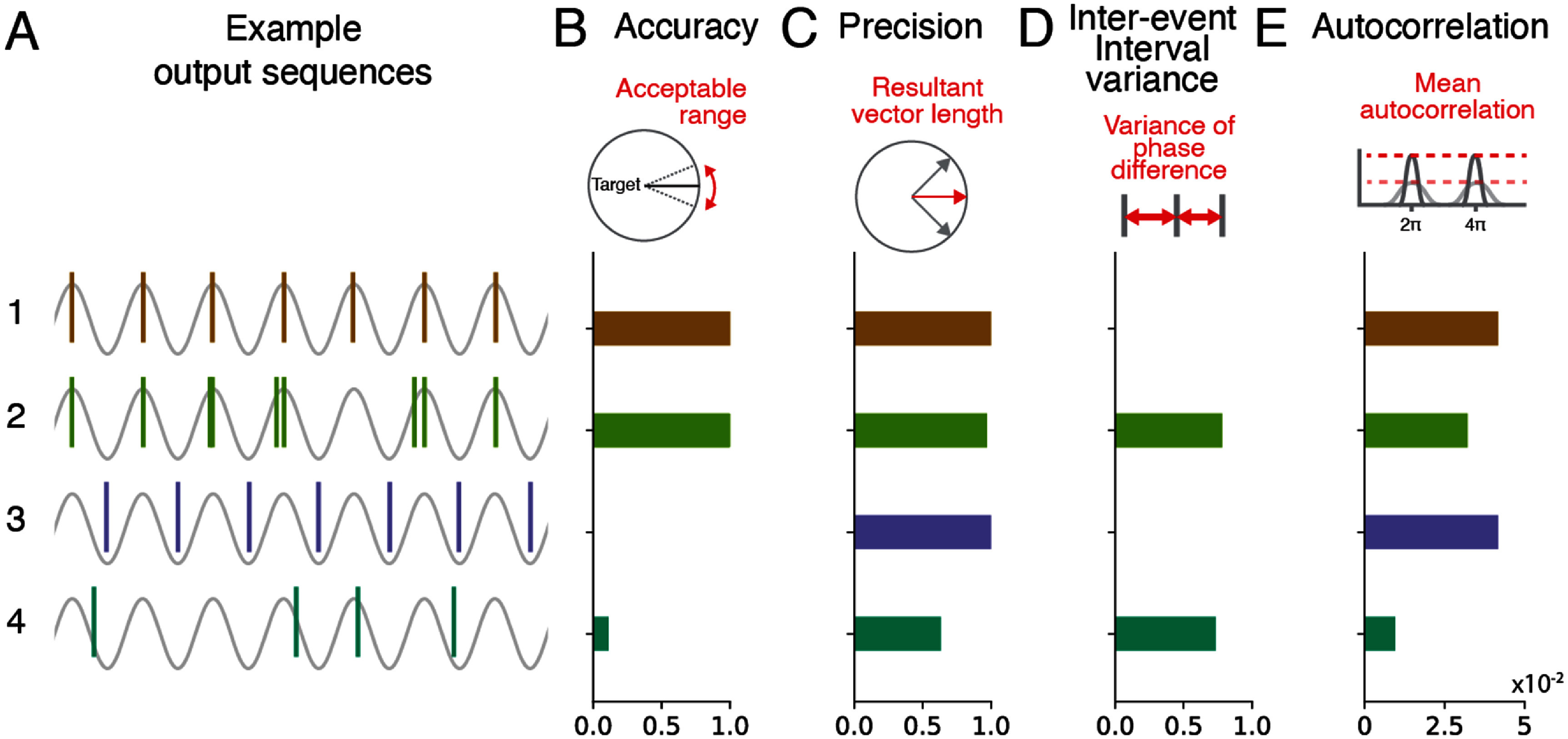 Figure 1
 Figure 2
 Figure 3
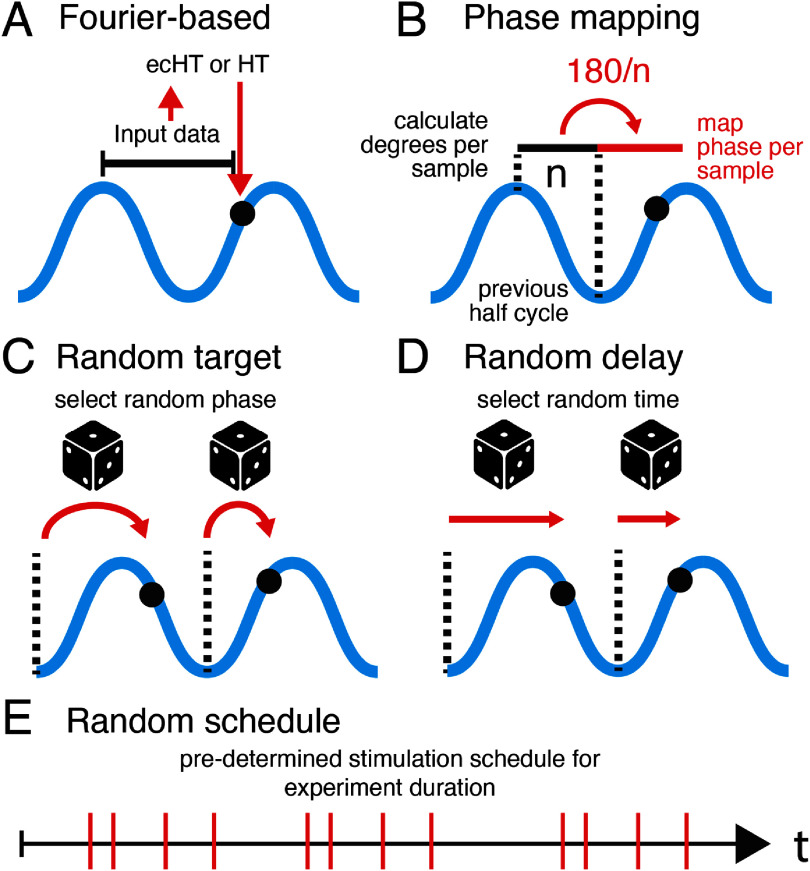 Figure 4
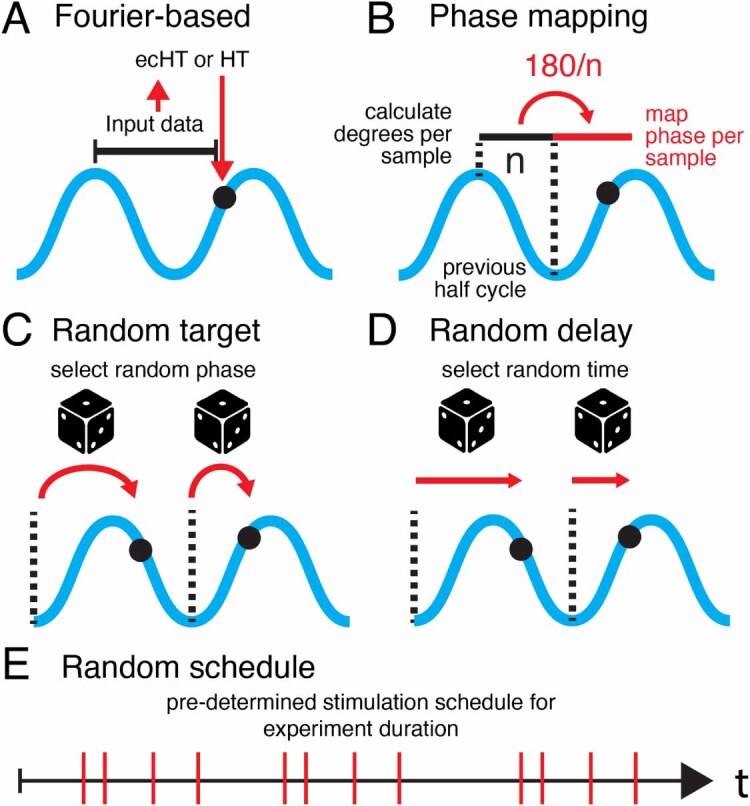 Figure 5
 Figure 6
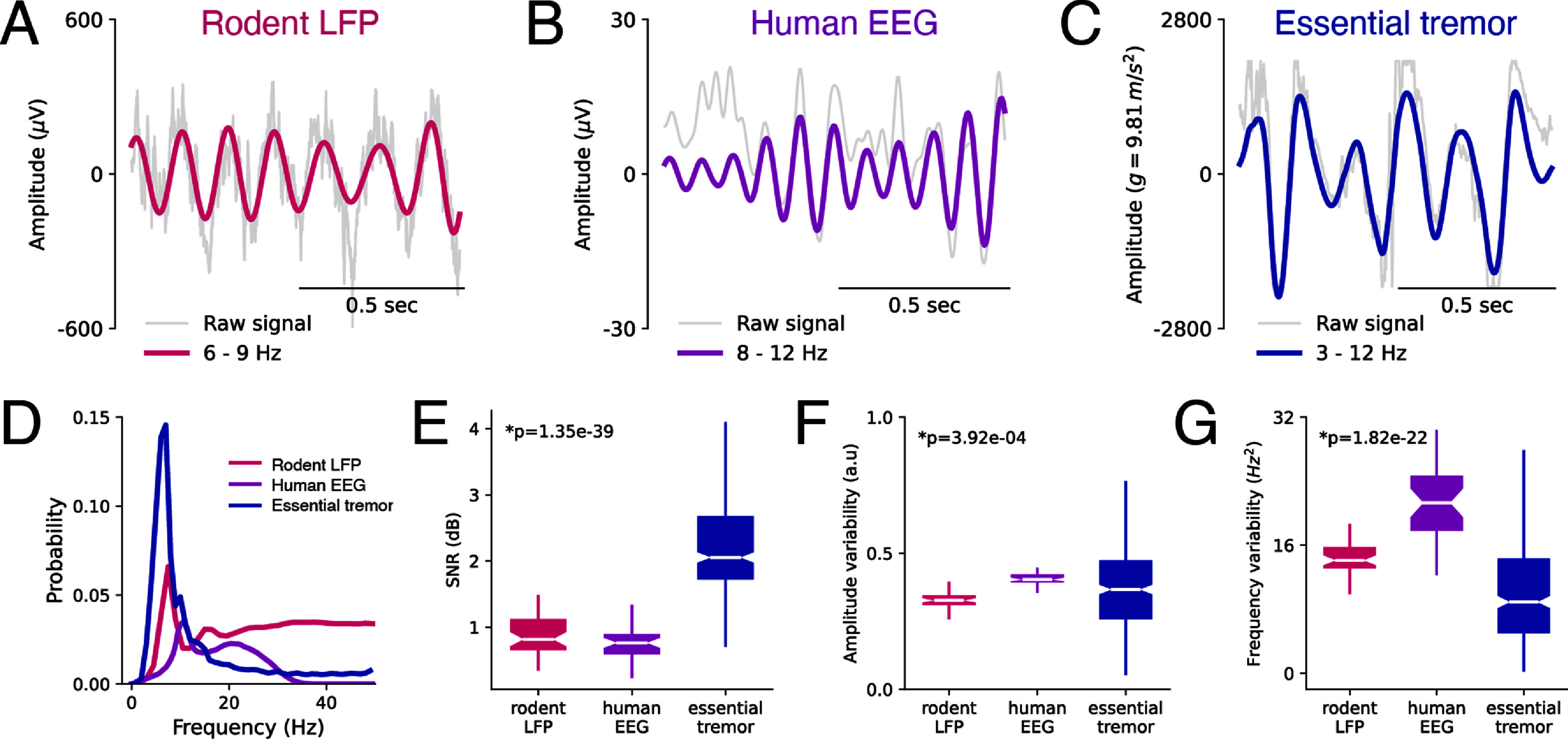 Figure 7
 Figure 8
 Figure 9
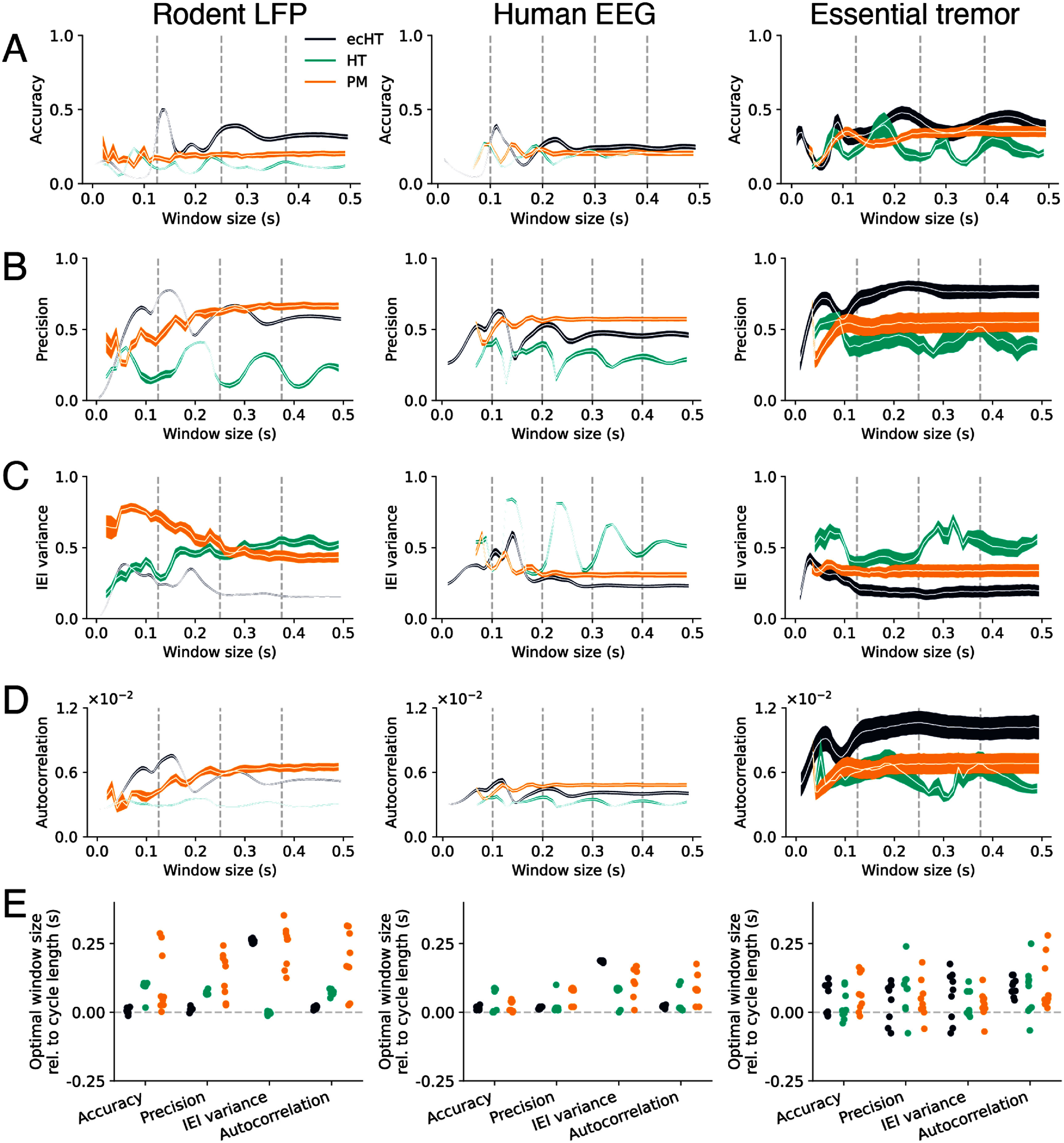 Figure 10
 Figure 11
 Figure 12
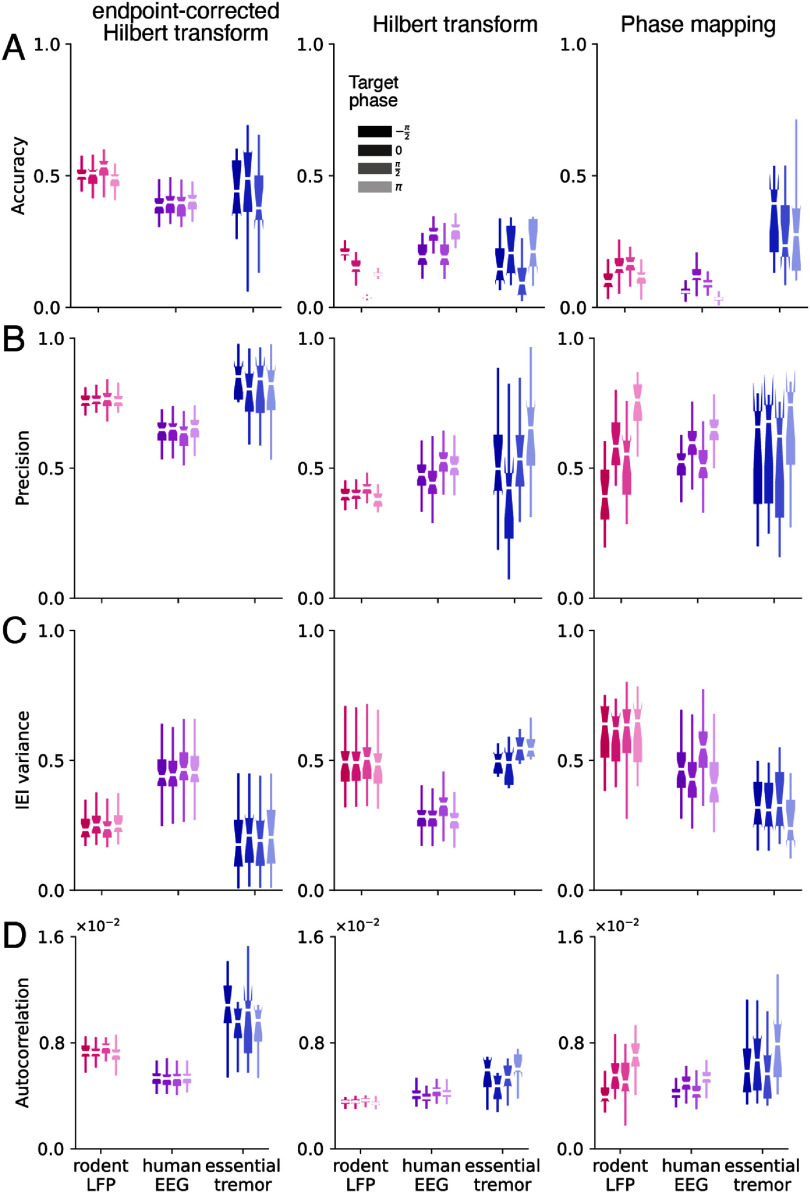 Figure 13
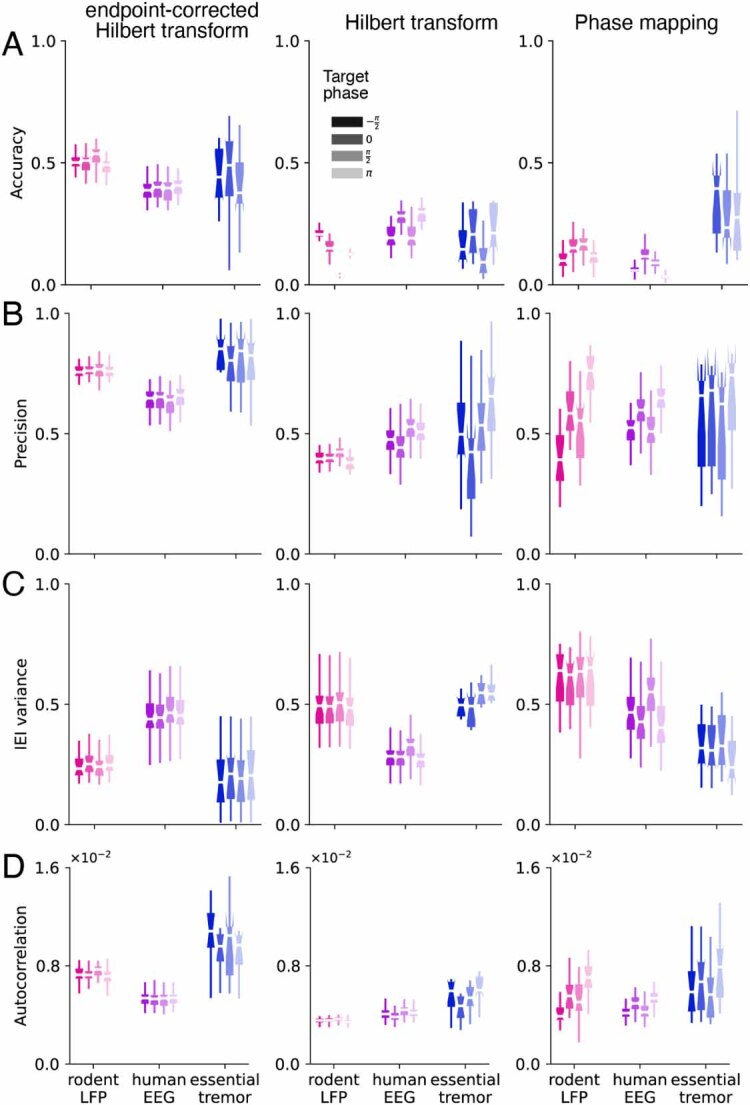 Figure 14
 Figure 15
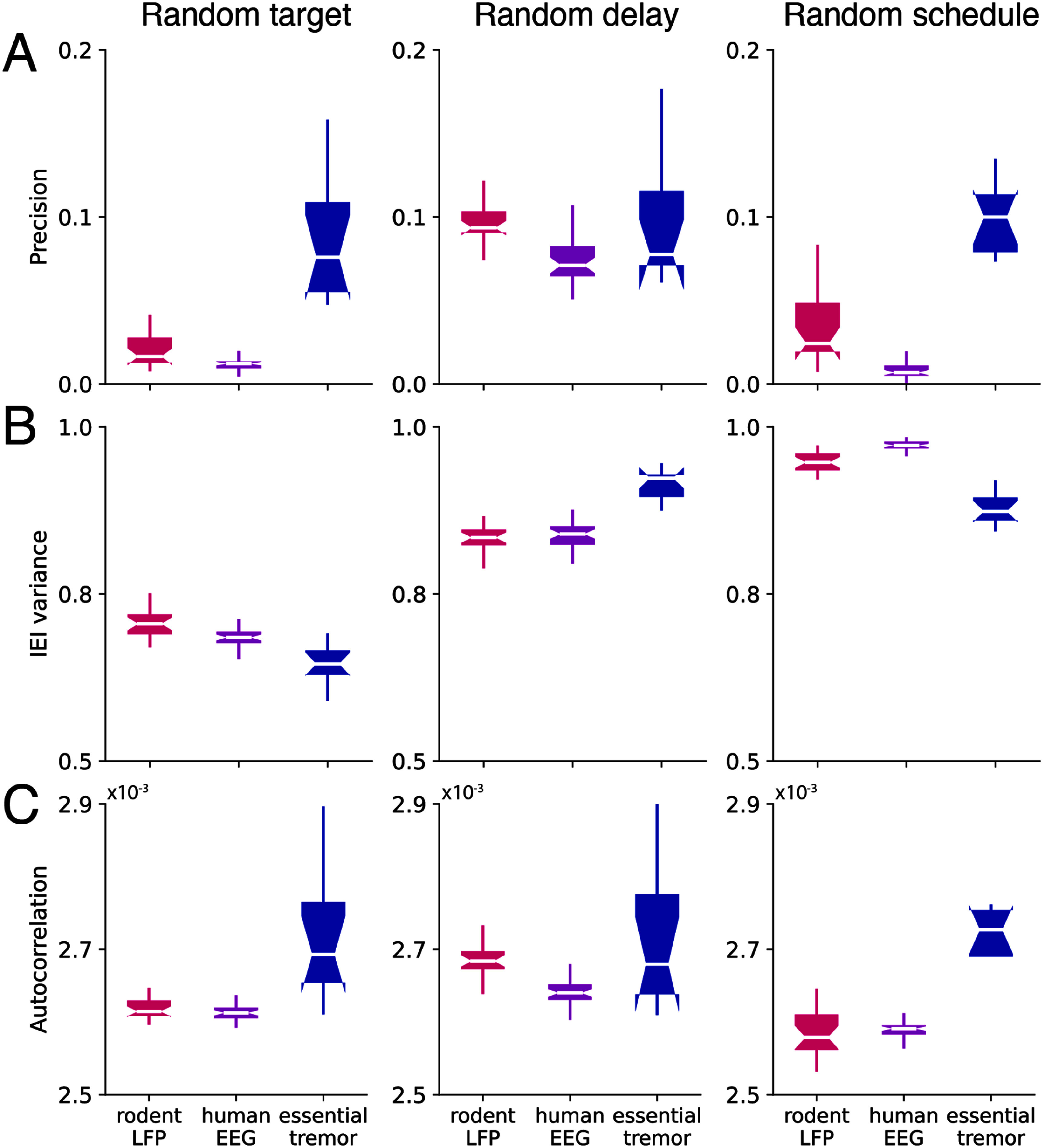 Figure 16
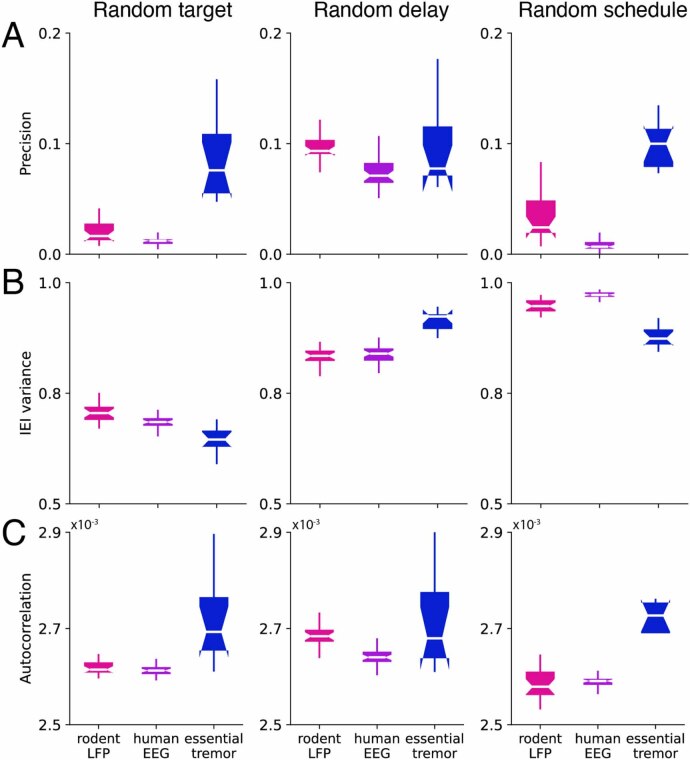 Figure 17
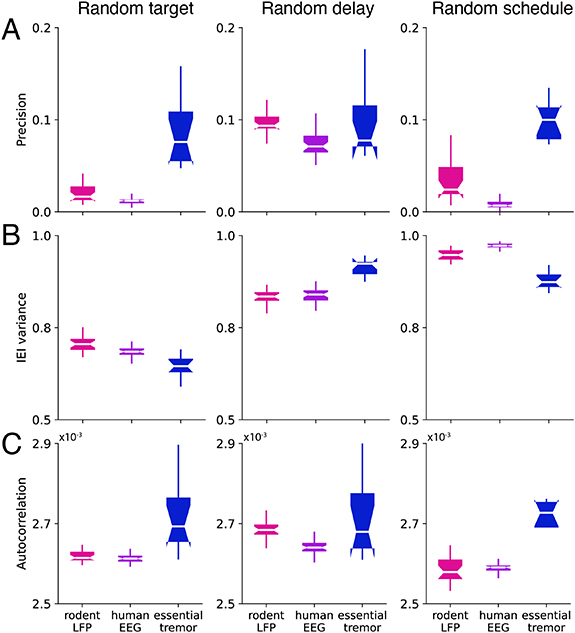 Figure 18
 Figure 19
 Figure 20
 Figure 21
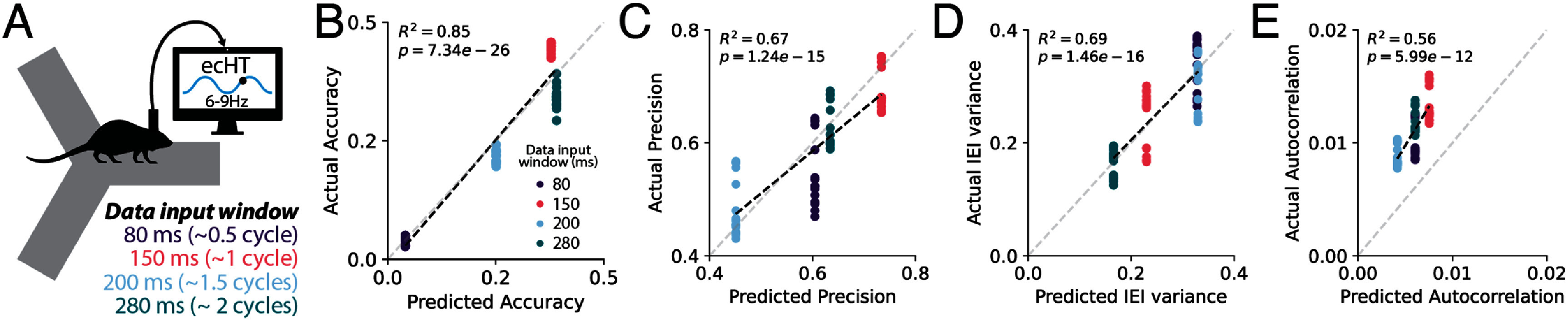 Figure 22
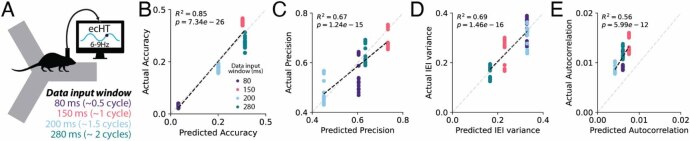 Figure 23
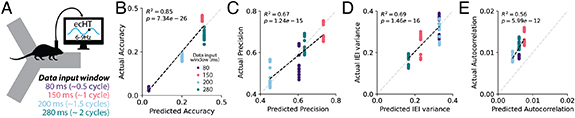 Figure 24
 Figure 25
 Figure 26
 Figure 27
 Figure 28
 Figure 29
 Figure 30
 Figure 31
 Figure 32
 Figure 33
Peer Reviews
No public reviews on file for this paper yet. If you reviewed it on a platform where reviews are public (OpenReview, ICLR, NeurIPS, ICML), you can paste yours below so the community can read it here.
Videos
No videos yet. Explain this paper in a talk, walkthrough, or lecture? Add one.
Taxonomy
TopicsNeurological disorders and treatments · Neuroscience and Neural Engineering · EEG and Brain-Computer Interfaces