Impact of temperature and humidity on SARS-CoV-2 transmissibility: a systematic review and meta-analysis
William Kerobe, Abrahaman Said Msellem, Paul Alikado Sabuni, Farida Iddy Mkassy, Peter Martin Chilipweli, Anthony Kapesa, Benson R. Kidenya, Philip Ayieko, Deogratius Bintabara, Eveline T. Konje

TL;DR
This study finds that higher temperature and humidity are linked to lower transmission of SARS-CoV-2, suggesting climate factors can help predict and manage outbreaks.
Contribution
The study provides a systematic review and meta-analysis of temperature and humidity effects on SARS-CoV-2 transmissibility using R for statistical analysis.
Findings
Temperature increase reduces SARS-CoV-2 transmissibility by 0.008 per degree Celsius.
Humidity increase reduces transmissibility by 0.006 per percentage point.
Both temperature and humidity show significant negative correlations with virus spread.
Abstract
The SARS-CoV-2 pandemic remains crucial for understanding the epidemiology of future respiratory infections. Gaining insights into the climatic factors influencing the transmissibility of SARS-CoV-2 is an important public health issue in the control and prevention of the disease. Hence, this study aimed to assess the association between SARS-CoV-2 transmissibility and both humidity and temperature. Articles published between December 2019 and August 2024 were identified from PubMed, Africa Journal Online, Science Direct, and Hinari databases following PRISMA guidelines. The focus was on studies that reported transmissibility based on basic reproductive number, specifically correlation coefficients between basic reproductive number and temperature, or humidity, or corresponding regression coefficients, and their standard errors. The Joanna Briggs Institute (JBI) Critical Appraisal…
Genes, proteins, chemicals, diseases, species, mutations and cell lines named across the full text — each resolved to its canonical identifier and authoritative record.
Click any figure to enlarge with its caption.
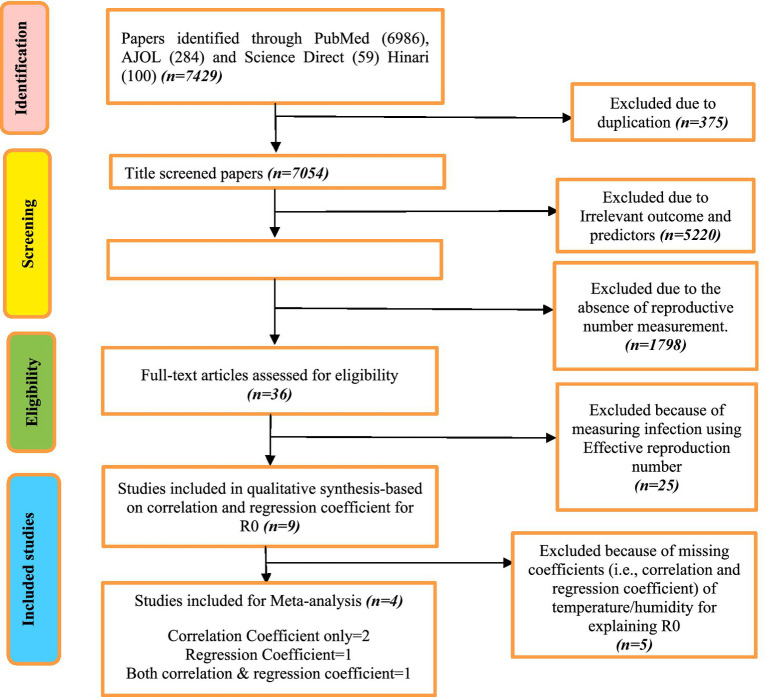 Figure 1
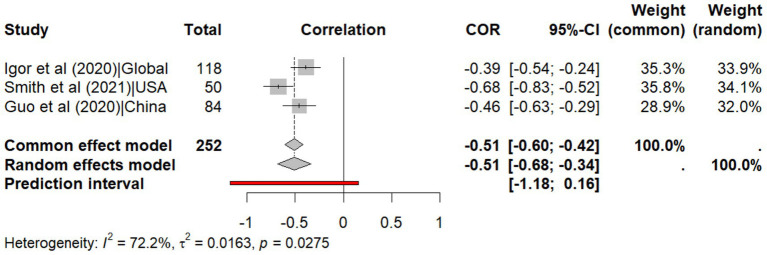 Figure 2
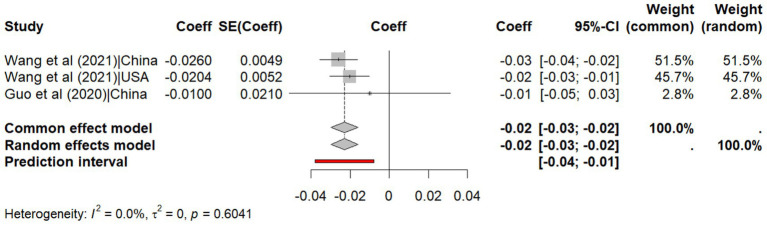 Figure 3
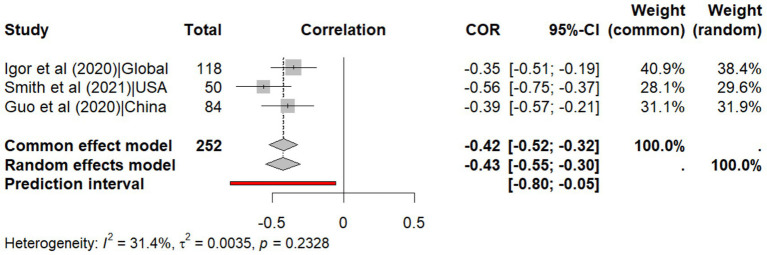 Figure 4
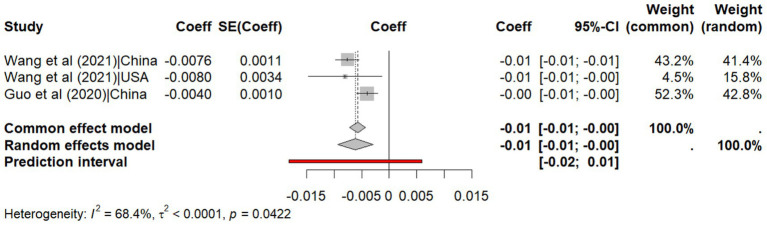 Figure 5
| S/N | Papers | Igor et al. | Smith et al. | Guo et al. | Wang et al. | Si et al. | Kong et al. | Landier et al. | Ogunjo et al. | Pahuja et al. |
|---|---|---|---|---|---|---|---|---|---|---|
| 1 | Were the criteria for inclusion in the sample clearly defined? | Yes | Yes | Yes | Yes | Yes | Yes | Yes | Yes | Yes |
| 2 | Were the study subjects and the setting described in detail? | Yes | Yes | Yes | Yes | Yes | No | No | Yes | Yes |
| 3 | Was the exposure measured in a valid and reliable way? | Yes | Yes | Yes | Yes | Yes | No | No | Yes | Yes |
| 4 | Were objective, standard criteria used for measurement of the condition? | Yes | Yes | Yes | Yes | Yes | No | Yes | Yes | Yes |
| 5 | Were confounding factors identified? | Yes | Yes | No | No | No | No | No | Yes | Yes |
| 6 | Were strategies to deal with confounding factors stated? | No | Yes | No | No | No | No | No | Yes | Yes |
| 7 | Were the outcomes measured in a valid and reliable way? | Yes | Yes | Yes | Yes | Yes | Yes | No | Yes | Yes |
| 8 | Was appropriate statistical analysis used? | Yes | Yes | Yes | Yes | Yes | Yes | Yes | Yes | Yes |
|
|
|
|
|
|
|
|
|
|
|
| S/N | Author | Years | Zone/Country | Sample size (country/cities) | Correlation coefficient | Regression coefficient | Study design | Technique used | Key finding | ||||||
|---|---|---|---|---|---|---|---|---|---|---|---|---|---|---|---|
| Temperature | Humidity | Temperature | SE | Humidity | SE | ||||||||||
| 1 | Igor et al. | 2021 | Global | 118 | −0.390 | 0.0120 | −0.350 | 0.0039 | Ecological | SEIR |
There is negative correlation between Basic reproduction number and weather (temperature and humidity). | ||||
| 2 | Smith et al. | 2021 | USA (counties) | 50 | −0.675 | 0.0045 | −0.561 | 0.4600 | Ecological | SEIR |
UV radiation is a very weak predictor of R0. Temperature and absolute humidity show a sufficiently moderate correlation on R0. | ||||
| 3 | Guo et al. | 2020 | China (Cities) | 11 | −0.459 | 0.0100 | −0.391 | 0.0010 | −0.010 | 0.0210 | −0.004 | 0.0010 | Ecological | SEIR |
R0 negatively correlated with both temperature and humidity. |
| 4 | Wang et al. | 2021 | China (cities) | 100 | −0.026 | 0.0049 | −0.0076 | 0.0011 | Cross-sectional | Fama-MacBeth |
Statistically significant inverse relationship between CoV-2 transmissibility and both temperature and relative humidity in both China and the USA. | ||||
| USA (Counties) | 1,005 | −0.020 | 0.0052 | −0.008 | 0.0034 | ||||||||||
| 5 | Si et al. | 2021 | China (Cities) | 1 | Ecological | GAM/SEIR |
An average lag of 0–8 days temperature after adjusted with Relative humidity was associated with a daily decrease in Risk of transmissibility in Wuhan city. Significant negative association between Temperature and reproductive number. Negative, insignificant association between relative humidity and reproductive number. | ||||||||
| 6 | Landier et al. | 2021 | Global | 6 | Ecological | SEIR |
SARS-CoV-2 transmission to weather/climate, with each 1 °C reduction in mean regional temperature below 10 °C leading to a 0.16-unit increase in R0, or each 1 g/m3 reduction in AH leading to a 0.15-unit increase in R0. | ||||||||
| 7 | Kong et al. | 2021 | Global | 58 | Ecological | GAM |
Temperature and humidity did not have strong relationships with R0 but were positive. | ||||||||
| 8 | Ogunjo et al. | 2022 | Nigeria (State) | 7 | Ecological | SEIR |
Temperature and humidity showed negative correlations in some locations. | ||||||||
| 9 | Pahuja et al. | 2021 | India (Cities) | 1 | Ecological | SEIR |
Increasing temperature decreases SARS-COV-2 infection. No significant correlation of humidity or wind speed on SARS-COV-2 infection. | ||||||||
Peer Reviews
No public reviews on file for this paper yet. If you reviewed it on a platform where reviews are public (OpenReview, ICLR, NeurIPS, ICML), you can paste yours below so the community can read it here.
Videos
No videos yet. Explain this paper in a talk, walkthrough, or lecture? Add one.
Taxonomy
TopicsCOVID-19 epidemiological studies · SARS-CoV-2 and COVID-19 Research · COVID-19 Clinical Research Studies
Introduction
1
In December 2019, the world experienced the devastating impact of SARS-CoV-2, a deadly virus that originated in Wuhan, China, and quickly spread worldwide (1). In March 2020, the World Health Organization (WHO) declared SARS-CoV-2 a pandemic and a global public health emergency (2). To date, the disease has caused more than 7 million deaths and has impacted many others through job losses, and severe health complications (3, 4). A globally coordinated effort that accelerated research, vaccine distribution, enhanced surveillance systems, and ensured equitable access to diagnostics and treatments helped in the pandemic control. The WHO declared on May 5, 2023, that SARS-CoV-2 infection was no longer considered a public health emergency (5). However, the disparities in terms of transmission, incidence rate, morbidity, and mortality due to SARS-CoV-2 have been reported across different regions and continents (4). As of April 2024, more than 705 million cases and 7 million deaths have occurred globally. Europe recorded more than 253 million cases and 2.1 million deaths, while Asia reported more than 222 million cases and 1.55 million deaths. North America reported more than 132 million cases and nearly 1.7 million deaths, compared to South America’s 70 million cases and 1.37 million deaths (4). Oceania remains relatively spared, with more than 14.9 million cases and 33,015 deaths, and Africa has approximately 12.9 million cases with about 259,000 deaths (4). This highlights the need to thoroughly learn and investigate the determinants as well as the diversity of transmissibility of SARS-CoV-2 infection to better manage similar pandemics in the future.
The underlying causes of discrepancies in SARS-CoV-2 outcomes remain unclear. There are suggestions in literature that geographic differences in viral mutations drive regional variations in transmission and fatality rates, but evidence from other studies indicates these differences are primarily due to demographic factors and public health responses (6, 7). Separately, the underreporting and concealing of SARS-CoV-2 cases, coupled with limited testing options in some geographic regions, could contribute to the discrepancies (8). Social factors like social interaction and extensive travel, along with geographical and climatic factors, might also have played a role in the transmission of SARS-CoV-2 (9–11). Furthermore, research suggests that climatic factors, including temperature, humidity, wind speed, rainfall, and even gravity, may influence the emergence and spread of SARS-CoV-2 (12). Focusing on temperature and humidity is crucial, as studies have reported a possible positive correlation between these factors and the transmissibility and incidence of SARS-CoV-2 (13, 14). In contrast, other studies have found a negative correlation between low temperature and SARS-CoV-2 transmissibility (11, 15), suggesting that there may be confounding factors that distort the relationship. These seemingly conflicting results underscore the complexity of climate on the transmissibility of SARS-CoV-2 and highlight the need for further, more nuanced investigation of the influence of climatic factors during the pandemic. While air quality, wind speed, gravity, and rainfall are significant meteorological factors in SARS-CoV-2 transmission by enhancing virus stability and weakening host defenses (15) there are a limited number of studies exploring their relationship with the transmissibility of SARS-CoV-2.
To understand the inherent ability of SARS-CoV-2 to spread from one host to another under the influence of temperature and humidity, the literature suggests the use of reproduction numbers (16–19). This is because other methods, such as case counts, can be affected by reporting delay and underreporting, which differ by location, and are challenging to manage (16–18). In contrast, the basic reproduction number (R0) provides a direct measure of SARS-CoV-2 transmissibility by quantifying the average number of infections caused by one infection in the population before any public health measure was put into effect (16–19). Ideally, R0 assumes a fully susceptible population, unchanging environmental conditions, consistent human interactions, and no medical interventions that could alter transmission dynamics. Thus, the estimated R0 can be used as a reliable indicator of SARS-CoV-2 transmissibility compared to daily case counts. From this perspective, employing R0 enhances the study by providing a comprehensive understanding of the transmissibility of SARS-CoV-2 about temperature and humidity on a global scale. Hence, this review aims to update and further evaluate available literature on the correlation between temperature/humidity and SARS-CoV-2 transmissibility, ultimately providing useful insights for incorporating climatic factors into surveillance and early warning strategies for future outbreaks.
Methods and materials
2
Eligibility criteria
2.1
This systematic review considered studies that estimated and reported the effects of temperature and humidity on the transmissibility of SARS-CoV-2 infection, with a focus on reproduction number (R0). The inclusion criteria were all peer-reviewed articles written in English examining the relationship between climatic factors (i.e., humidity and temperature) and transmissibility of SARS-CoV-2. Studies with insufficient data or unclear methodology, experimental studies, reviews, and duplicate publications were excluded. Primary studies (i.e., original articles) were retrieved from PubMed, Africa Journal Online, Science Direct, and Hinari databases following PRISMA guidelines. In addition, the search strategy was defined based on the population, exposure, and outcome, i.e., (PEO). Specifically, observational studies that involved populations of humans diagnosed with SARS-CoV-2, with humidity and temperature being climatic exposures, and transmissibility of SARS-CoV-2 based on reproduction number being an outcome of interest, were considered for inclusion.
Screening procedure
2.2
The retrieved articles were processed and managed using Rayyan, an AI-powered systematic review management platform that automatically handles duplication. Rayyan provides an interactive interface to assist researchers in organizing, managing, and accelerating literature reviews (20). Three reviewers (PAS, WKA, and ASM) independently and blindly screened the titles and abstracts. In cases of disagreement or uncertainty during the screening process, a fourth reviewer (ETK) was consulted to resolve conflicts and determine article inclusion. During full-text screening, four reviewers (PAS, WKA, ASM, and ETK) worked in pairs to assess each article, ensuring adherence to the inclusion and exclusion criteria and assessing its relevance as a data source for this study.
Data extraction
2.3
A standardized data extraction form was developed based on the Cochrane Consumers and Communication Review Groups (21) to extract important data from each included study. Four reviewers (PAS, WKA, ASM, and ETK) in pairs extracted data using the following characteristics: author, year, study duration, design, sample size, correlation coefficient, regression coefficient, and standard errors. The correlation coefficient or regression coefficient was based on the relationship between temperature or humidity and R0.
Risk of bias assessment
2.4
All the studies included in the analysis were rigorously assessed using the Joanna Briggs Institute (JBI) Critical Appraisal Checklist tool (22). The checklist for cross-sectional studies consists of eight criteria, which include the description of study subjects and the setting, measurement of exposure, objective criteria for measuring the condition, identification of confounding factors, strategies to address confounding factors, measurement of outcomes, and the statistical analysis used. Each component was rated as “yes,” “no,” “unclear,” or “not applicable.” A high risk of bias classification corresponds to 0–3 “yes” scores, moderate risk corresponds to 4–6 “yes” scores, and low risk corresponds to 7–8 “yes” scores. We worked independently to assess the quality of each study, and any disagreements were resolved through discussion within the review team (Table 1).
Data analysis
2.5
The data obtained from the primary studies were first synthesized narratively to present the common observed findings from reviewed articles, aiming to understand the relationship between temperature, humidity, and the transmissibility of SARS-CoV-2. For the studies with sufficient quantitative data, two separate meta-analyses were conducted to obtain the pooled effect of: (i) temperature on SARS-CoV-2 transmissibility and (ii) humidity on SARS-CoV-2 transmissibility. Further, within each meta-analysis two effect size types (correlation coefficient and regression coefficient) were used to calculate a pooled effect according to the type of metric used to quantify the association between temperature or humidity and SARS-CoV-2 transmissibility in the primary study. Heterogeneity was assessed by inspecting forest plots, and was quantified by calculating the Q-statistic, p-value, I^2^ and prediction interval. To enhance the efficiency of the estimate, both fixed-effect and random-effects models were applied to estimate pooled effect sizes, allowing comparison under assumptions of homogeneity and heterogeneity across studies (23). Thus, whether the true effect size is shared across all studies (for fixed or common effect model) or varies among studies due to methodological and contextual differences (for random model) (21). All the statistical computation and estimates was done in R software version 4.3.0 at 5% significance level (24).
Results
3
Study selection
3.1
A total of 7,429 studies were identified and retrieved from PubMed (6986), AJOL (284), Science Direct (59), and Hinari (100). Of all the retrieved studies, 375 (5.0%) were excluded due to duplication. After title screening, 5,220 (74.0%) were excluded due to irrelevant outcomes and predictors. During the abstract screening, 1,798 (98.0%) were excluded because they lacked the measurement of the reproductive number to assess SARS-CoV-2 transmissibility. Finally, during full-text screening, 25 (69.4%) were excluded because they used the effective reproduction number as opposed to the basic reproductive number. This resulted in nine studies that qualified to be included in the systematic review. Four studies (25–28) reported correlation and/or regression coefficients for inclusion in meta-analysis (Figure 1). Two out of the four studies reported correlation coefficients only (25, 27), one reported both correlation and regression coefficients (26), and one study conducted across two countries reported only the regression coefficients separately for each country (28). Furthermore, in the risk of bias assessment, we found that most studies have a low risk of bias, meeting 7–8 criteria, indicating strong reliability and valid research practices. However, two studies showed a moderate risk, missing essential criteria like confounding factor management, which may affect their findings (28, 29). Notably, two studies exhibited a high risk of bias (30, 31), meeting only three or fewer criteria, raising concerns about the validity of their results due to methodological shortcomings such as inadequate descriptions of adjustments for confounding factors and unreliable measurements.
PRISMA flow chart to show different phases of the systematic review.
Study characteristics
3.2
Of all the nine included studies, research was conducted across different geographical regions and years. These studies span from 2020 to 2022, with the majority published in 2021. Geographically, some studies focus on global coverage (25, 30, 31). While other studies focus on country-specific analyses, including the USA (27, 28), China (26, 28, 29), Nigeria (32), and India (31). In addition, some studies were examining a single city, such as those conducted in China and India (29, 33). Larger studies encompass broader regional samples, including studies covering 100 cities in China and extensive investigations across 50 and 1,005 counties in the USA (25, 26). Global studies also differ in their sample size, with sizes ranging from 6 to 118 cases worldwide (28, 31). The study conducted in Nigeria focuses on 7 states, offering a national perspective within a specific regional context (32). All the studies provide perspective in understanding the association between climatic factors (humidity and temperature) on SARS-CoV-2 transmissibility (Table 2).
Narrative study synthesis
3.3
The reviewed studies indicate an inverse relationship between temperature and humidity on the transmissibility of SARS-CoV-2. While a weak negative correlation was established between SARS-CoV-2 and both temperature and humidity (25, 26), Other studies reported a moderate correlation between temperature (r = −0.675) and humidity (r = −0.561) with SARS-CoV-2 transmissibility (27, 32). Similarly, a negative correlation between temperature and humidity on SARS-CoV-2 transmissibility was reported (30, 31). Evidence also indicates that a decrease in temperature and humidity contributes to increased transmissibility, especially in the transition from summer to winter (33). Overall, the reviewed evidence suggests that lower temperature and humidity are correlated with increased SARS-CoV-2 transmissibility, with correlation strengths ranging from weak to moderate across studies.
Regression analysis further supports the inverse association of humidity and temperature on SARS-CoV-2 transmission (28, 33). Studies conducted in China and the USA revealed negative correlations between temperature/relative humidity and R0 (28). This inverse relationship was also emphasized in other studies (26, 33), suggesting that rising temperature and humidity may reduce SARS-CoV-2 transmissibility. Also, findings indicate a weak relationship between relative humidity and SARS-CoV-2 transmissibility (29). Conversely, while other studies report a positive relationship between humidity and SARS-CoV-2 transmissibility, an inverse association between temperature and SARS-CoV-2 transmissibility was observed (34). Notably, the findings on the role of humidity in SARS-CoV-2 transmissibility remain inconsistent. One study reported a weak association between relative humidity and transmissibility (29), whereas another observed an inverse relationship (34). However, most of the studies consistently noted an inverse relationship between SARS-CoV-2 transmissibility on temperature (34).
Meta-analysis results
3.4
The meta-analysis of correlation coefficients indicates a moderate negative relationship between temperature and SARS-CoV-2 transmissibility (r = −0.512, 95% CI: −0.680, −0.338, p < 0.001, I^2^ = 72.2%) with a non-significant predicted interval (95% CI: −1.18, 0.16) indicates that while most studies show a negative relationship between temperature and SARS-CoV-2 transmissibility, a future research might find no effect or even a positive effect, due to heterogeneity across studies (Figure 2). Similarly, the meta-analysis of regression coefficients indicates that SARS-CoV-2 transmissibility decreases by 0.02 (95% CI: −0.030, −0.020, p < 0.001, I^2^ = 0%) per degree Celsius increase in temperature, with no predicted interval (95% CI: −0.08, −0.01), indicating consistent effects across future studies (Figure 3).
Meta-analysis of the correlation coefficients for temperature on explaining the transmissibility of SARS-CoV-2.
Meta-analysis of the effect size of regression coefficients for temperature on explaining the transmissibility of SARS-CoV-2.
The analysis of humidity reveals a weak negative correlation with transmissibility (r = −0.426, 95% CI: −0.547, −0.303, p < 0.001, I^2^ = 31.4%), with a predictive interval (95% CI: −0.80, −0.05) indicating that future studies are also likely to observe a negative correlation between humidity and SARS-CoV-2 transmissibility (Figure 4). Likewise, the meta-analysis of regression coefficients shows that humidity reduces transmissibility by 0.006 (95% CI: −0.009 to −0.003, p < 0.001, I^2^ = 68.4%) with predictive interval (95% CI: −0.02, 0.01) indicating that future studies are less likely to observe a negative correlation between humidity and SARS-CoV-2 transmissibility due to heterogeneity across studies (Figure 5).
Meta-analysis of the correlation coefficients for humidity on explaining the transmissibility of SARS-CoV-2.
Meta-analysis of the effect size of regression coefficients for humidity on explaining the transmissibility of SARS-CoV-2.
Discussion
4
This systematic review and meta-analysis examined the influence of temperature and humidity on SARS-CoV-2 transmissibility. Overall, the findings indicate that temperature has a consistent negative association with transmissibility in regression analyses, while correlation estimates show high variability and a wide predictive interval, reflecting uncertainty about future effects. For humidity, regression analyses demonstrate less consistent negative associations due to wide predictive intervals, but correlation findings suggest a significant predictive interval, implying the relationship may be more consistent in future studies.
The effect of temperature on the transmissibility of SARS-CoV-2
4.1
This study found the inverse relationship between temperature and transmissibility of SARS-CoV-2. In addition, the 70.4% heterogeneity observed in the data may be due to differences in study characteristics. To account for this heterogeneity, a random-effects model was used. Additionally, other specific causes of heterogeneity across studies could be explained by factors such as geographic regions with different climatic conditions, differences in populations recruited in the primary studies, and variation in methods used to measure exposures, namely humidity and temperature, or the outcome of SARS-CoV-2 transmissibility (primarily identifying new cases as opposed to quantifying spread which was done using R0). These factors could perhaps influence how strongly and in which direction temperature affects SARS-CoV-2 transmissibility, leading to heterogeneity across the studies. Studies that were not included in this review because they failed to meet inclusion criteria, particularly not reporting the regression and correlation coefficient, suggest a similar conclusion that higher temperature is associated with a decrease in SARS-CoV-2 transmissibility (35, 36). Also, an increase in environmental temperature may reduce viral stability, as highlighted in a systematic review of laboratory studies to assess the effect of temperature on the viability of SARS-CoV-2, which demonstrated decreased virus stability in warmer conditions (37).
Previous systematic reviews and meta-analyses on other respiratory diseases apart from COVID-19 demonstrate a similar relationship evidenced by increasing incidence of respiratory tract infections as temperature decreases (38–40). Another study found that temperature and relative humidity were significantly negatively associated with the effective reproductive number (R). However, the authors emphasized that demographics, socioeconomic status, healthcare access, and human mobility were also included in the regression models, highlighting that temperature alone cannot fully explain transmission dynamics (41). This suggests that although temperature remains a significant and strong predictor in the transmissibility of SARS-CoV-2, its interaction with other predictors such as humidity, social factors, and mobility cannot be ignored (42).
The effect of humidity on the transmissibility of SARS-CoV-2
4.2
Humidity is another factor that was an exposure of interest in this review, as well as in other studies, examining the spread of respiratory viruses, including SARS-CoV-2 (43). This review found an inverse relationship between humidity and SARS-CoV-2 transmissibility, similar to other studies (43, 44). This is because higher humidity affects the stability and size of respiratory droplets, making them settle more quickly out of the air (43). Conversely, low humidity conditions may favor the survival of airborne droplets and contribute to the infection of airborne diseases (45). These findings suggest that humidity plays a significant role in influencing the transmissibility of SARS-CoV-2, but its impact is likely modulated by factors such as temperature, ventilation, and human behavior (46), highlighting the need to consider humidity in public health strategies for controlling respiratory infections.
Seasonal variability and implications
4.3
The findings from this meta-analysis suggest that temperature and humidity are significant climatic determinants of SARS-CoV-2 transmissibility. However, seasonal changes that affect both temperature and humidity levels also coincide with behavioral changes in populations, such as spending more time indoors during colder months, which could increase transmission of the virus (47). This underscores the importance of considering a multifactorial approach when assessing the impact of environmental conditions on virus transmission, rather than focusing on temperature or humidity in isolation.
Public health implications
4.4
The overall result of the meta-analysis on the transmissibility of SARS-CoV-2 shows an inverse relationship with temperature and humidity. The results of this review could have significant implications for public health policies. The finding that environmental factors like temperature and humidity do play a role in the spread of SARS-CoV-2 implies that they should be taken into consideration when designing public health preventive strategies. This should be done through incorporating considerations of such weather parameters (humidity, temperature) in designing effective and comprehensive control strategies that include established measures such as vaccination, mask-wearing, and social distancing (48–50). At the policy level, the findings show the importance of incorporating and integrating climate parameters into disease surveillance systems, pandemic preparedness and public health policies development, leading to a resilient local and global health system.
Study limitations
4.5
This systematic review and meta-analysis has several limitations that should be considered when interpreting and applying the findings. First, the review focused on studies that specifically reported the basic reproduction number (R0), which may have led to the exclusion of studies that explored the impact of temperature and humidity on SARS-CoV-2 transmissibility using other measures of transmission. Second, despite the comprehensive search strategy, the meta-analysis included only four studies due to the stringent inclusion criteria, particularly the requirement for correlation and regression coefficients. This small number of studies might limit the generalizability of the meta-analysis results. Third, although a random-effects model was used to account for variability among studies, the high heterogeneity observed in the meta-analysis of the correlation coefficient for temperature (I^2^ = 70.4% and I^2^ = 68.4%) indicates substantial inconsistency in the effect estimates across studies, which may arise from differences in study populations, methods, or other unmeasured factors which might have influenced the relationship between temperature and SARS-CoV-2 transmissibility solely from random variation. However, it is important to note that the I^2^ statistic has limitations, especially in meta-analyses with a small number of studies, where it can be imprecise and overestimate heterogeneity. Fourth, this review did not assess publication bias due to the limited number of studies included in some analyses, which reduces the power and reliability of publication bias tests. Fifth, the review relied on the quality of the included studies. While a risk of bias assessment was conducted, variations in study quality, as indicated by the JBI critical appraisal, could have influenced the overall findings. Specifically, some studies had limitations in addressing confounding factors, which could affect the validity of their results and, consequently, their contribution to the study narrative synthesis and meta-analysis.
Conclusion and recommendation
5
This systematic review and meta-analysis examined the influence of temperature and humidity on SARS-CoV-2 transmissibility, focusing on correlation rather than causation. The findings suggest an inverse relationship between temperature or humidity and the transmissibility of SARS-CoV-2. Humidity plays a role in SARS-CoV-2 transmission, with higher levels potentially reducing droplet viability. Since the study was based on the basic reproductive number, other unmeasured factors including public health interventions such as vaccination, mask-wearing, quarantine, lockdown, and social distancing, as well as population morbidity, socioeconomic status, and air quality, could significantly influence the dynamics of SARS-CoV-2 transmission. Furthermore, the findings of this study serve as a foundation for future research, encouraging the use of more robust methodologies and improved control of confounding variables in future pandemics or similar respiratory diseases. Through this, national and global emergency preparedness teams would be more aware of the weather parameters’ contribution to the transmissibility of SARS-CoV-2 and other similar viruses in the future and inform effective public health strategies.
The reference list from the paper itself. Each links out to its DOI / PubMed record.
- 1Kumar A Singh R Kaur J Pandey S Sharma V Thakur L . Wuhan to world: the COVID-19 pandemic. Front Cell Infect Microbiol. (2021) 11:596201. doi: 10.3389/fcimb.2021.596201, PMID: 33859951 PMC 8042280 · doi ↗ · pubmed ↗
- 2Cucinotta D Vanelli M. WHO declares COVID-19 a pandemic. Acta Bio Medica Atenei Parmensis. (2020) 91:157–60. doi: 10.23750/abm.v 91i 1.9397, PMID: 32191675 PMC 7569573 · doi ↗ · pubmed ↗
- 3Carrasco-Escaff T Garreaud R Bozkurt D Jacques-Coper M Pauchard A. The key role of extreme weather and climate change in the occurrence of exceptional fire seasons in south-Central Chile. Weather Clim Extremes. (2024) 45:100716. doi: 10.1016/j.wace.2024.100716 · doi ↗
- 4WHO WHO COVID-19 dashboard (2024).
- 5Sarker R Roknuzzaman A Hossain MJ Bhuiyan MA Islam MR. The WHO declares COVID-19 is no longer a public health emergency of international concern: benefits, challenges, and necessary precautions to come back to normal life. Int J Surg. (2023) 109:2851–2. doi: 10.1097/JS 9.0000000000000513, PMID: 37222700 PMC 10498846 · doi ↗ · pubmed ↗
- 6Brito AF Semenova E Dudas G Hassler GW Kalinich CC Kraemer MU . Global disparities in SARS-Co V-2 genomic surveillance. Nat Commun. (2022) 13:7003. doi: 10.1038/s 41467-022-33713-y 36385137 PMC 9667854 · doi ↗ · pubmed ↗
- 7Mercatelli D Giorgi FM. Geographic and genomic distribution of SARS-Co V-2 mutations. Front Microbiol. (2020) 11:1800. doi: 10.3389/fmicb.2020.01800, PMID: 32793182 PMC 7387429 · doi ↗ · pubmed ↗
- 8Gomes BBM Ferreira NN Garibaldi PMM de Lima Dias CFS Silva LN Dos Santos MAAL . Impact of SARS-Co V-2 variants on COVID-19 symptomatology and severity during five waves. Heliyon. (2024) 10:e 40113. doi: 10.1016/j.heliyon.2024.e 40113, PMID: 39605810 PMC 11600076 · doi ↗ · pubmed ↗