Identifying the optimal time point for adaptive re-planning in prostate cancer radiotherapy to minimise rectal toxicity using normal tissue imaging biomarkers
Zhuolin Yang, David J. Noble, Sarah Elliot, Leila Shelley, Thomas Berger, Raj Jena, Duncan B McLaren, Neil G. Burnet, William H. Nailon

TL;DR
This study finds that radiomic features from early treatment scans can help decide the best time to adjust prostate cancer radiotherapy to reduce rectal bleeding.
Contribution
The study identifies week 3 as the optimal time for re-planning in standard fractionation to minimize rectal toxicity using radiomic biomarkers.
Findings
Radiomic features from week 1 showed the strongest standalone predictive performance for rectal bleeding.
Week 3 was identified as the optimal time point for re-planning in patients receiving 74 Gy in 37 fractions.
Radiomic analysis supports biologically informed adaptive radiotherapy beyond anatomy-based methods.
Abstract
•Radiomic features before and during treatment predict late rectal bleeding.•Radiomic features from week 1 showed strongest standalone predictive performance.•Week 3 was optimal for re-planning in patients treated with 74 Gy in 37 fractions.•Radiomics enable biologically informed adaptation beyond anatomy-based methods.•Analysis includes both standard and moderately hypofractionated treatment regimens. Radiomic features before and during treatment predict late rectal bleeding. Radiomic features from week 1 showed strongest standalone predictive performance. Week 3 was optimal for re-planning in patients treated with 74 Gy in 37 fractions. Radiomics enable biologically informed adaptation beyond anatomy-based methods. Analysis includes both standard and moderately hypofractionated treatment regimens. Adaptive radiotherapy (ART) in prostate cancer (PCa), although not yet standard…
Genes, proteins, chemicals, diseases, species, mutations and cell lines named across the full text — each resolved to its canonical identifier and authoritative record.
Click any figure to enlarge with its caption.
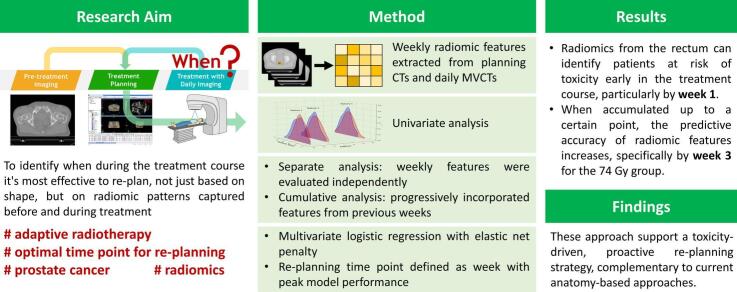 Figure 1
 Figure 2
 Figure 3
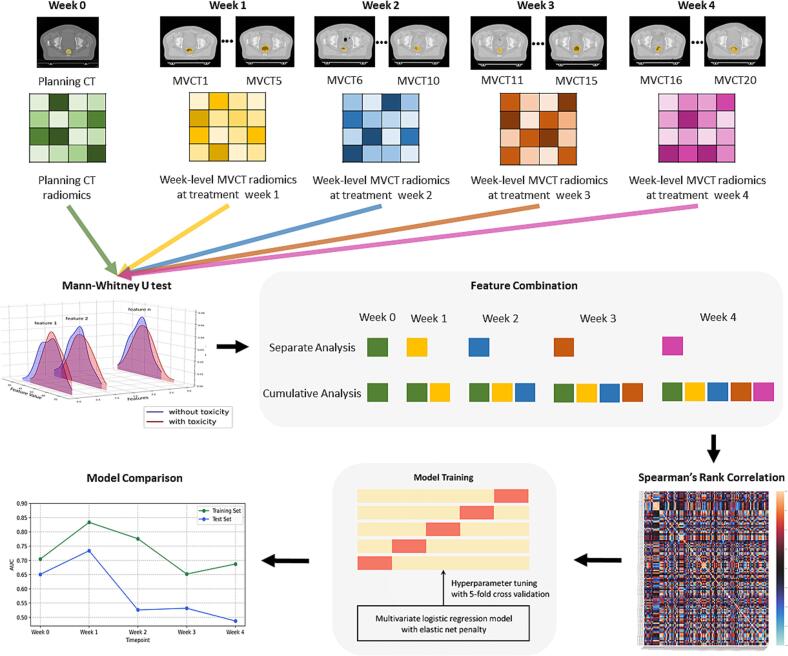 Figure 4
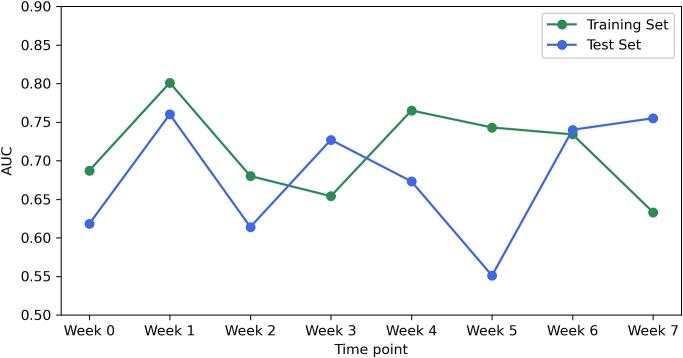 Figure 5
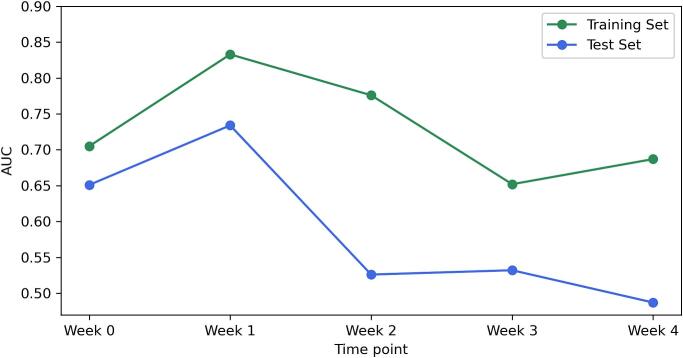 Figure 6
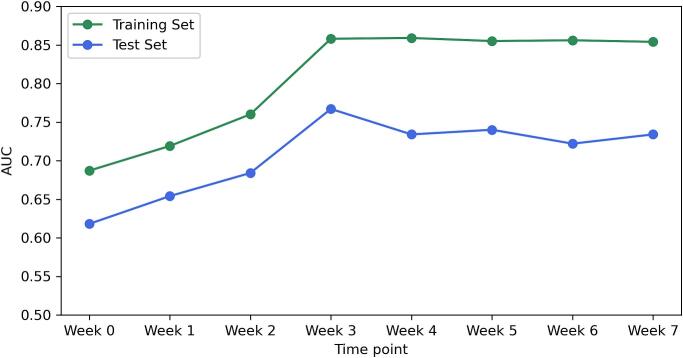 Figure 7
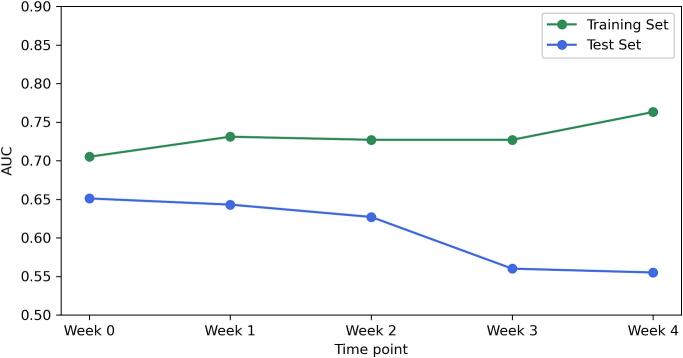 Figure 8
Peer Reviews
No public reviews on file for this paper yet. If you reviewed it on a platform where reviews are public (OpenReview, ICLR, NeurIPS, ICML), you can paste yours below so the community can read it here.
Videos
No videos yet. Explain this paper in a talk, walkthrough, or lecture? Add one.
Taxonomy
TopicsRadiomics and Machine Learning in Medical Imaging · Advanced Radiotherapy Techniques · Colorectal Cancer Surgical Treatments