Thermomechanical DNA extraction from infected dental pulp for next-generation sequencing applications
Preethesh Shetty, Raksha Bhat, Shishir Shetty

TL;DR
A new thermomechanical method improves DNA extraction from infected dental pulp, enabling better pathogen identification and precision treatments.
Contribution
A thermomechanical DNA extraction protocol specifically optimized for infected dental pulp tissue is introduced and validated.
Findings
The thermomechanical protocol achieved a 3.7-fold increase in DNA concentration compared to conventional methods.
Protein purity ratios improved by 18%, and inter-sample reproducibility increased 4–6 fold.
The new method achieved universal optimal quality classification for DNA samples, enabling reliable microbiome and genomics analysis.
Abstract
DNA extraction from infected dental pulp tissue represents a critical methodological limitation in molecular endodontics, severely constraining pathogen identification and precision therapeutic approaches. Conventional extraction protocols demonstrate systematic failures when applied to inflamed pulp samples containing complex hydroxyapatite-collagen matrices, neutrophil extracellular traps, and inflammatory mediators that compromise nucleic acid integrity and downstream next-generation sequencing applications. The present investigation comprehensively validated a thermomechanical extraction protocol combining optimized extended thermal incubation with intensive mechanical disruption cycles specifically designed for infected dental pulp tissues. Performance was systematically evaluated against the current standardised systems using multi-parameter quality assessment, statistical…
Genes, proteins, chemicals, diseases, species, mutations and cell lines named across the full text — each resolved to its canonical identifier and authoritative record.
Click any figure to enlarge with its caption.
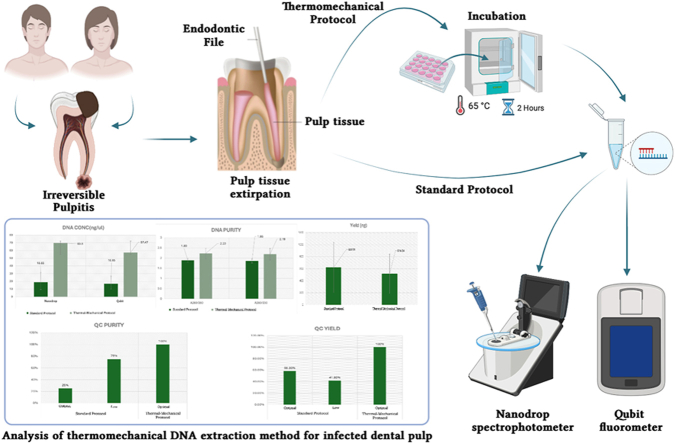 Figure 1
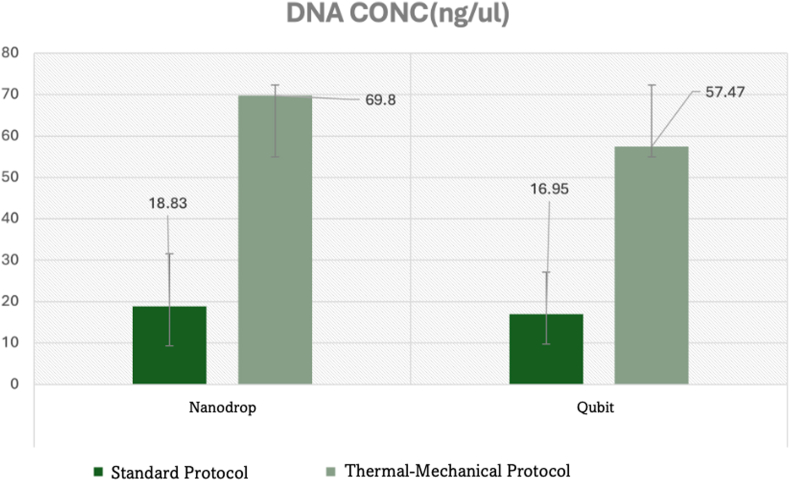 Figure 2
 Figure 3
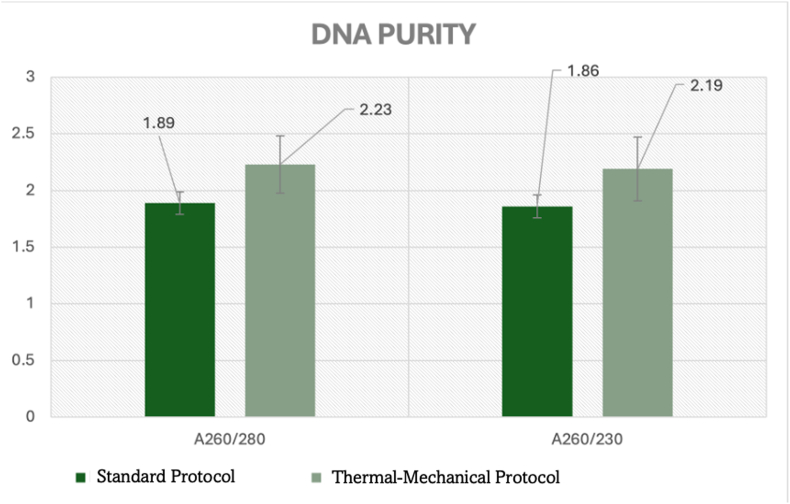 Figure 4
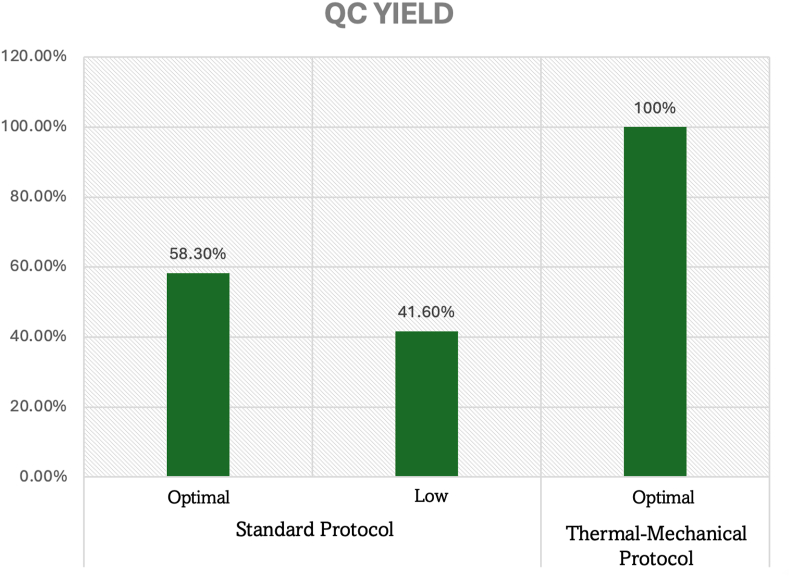 Figure 5
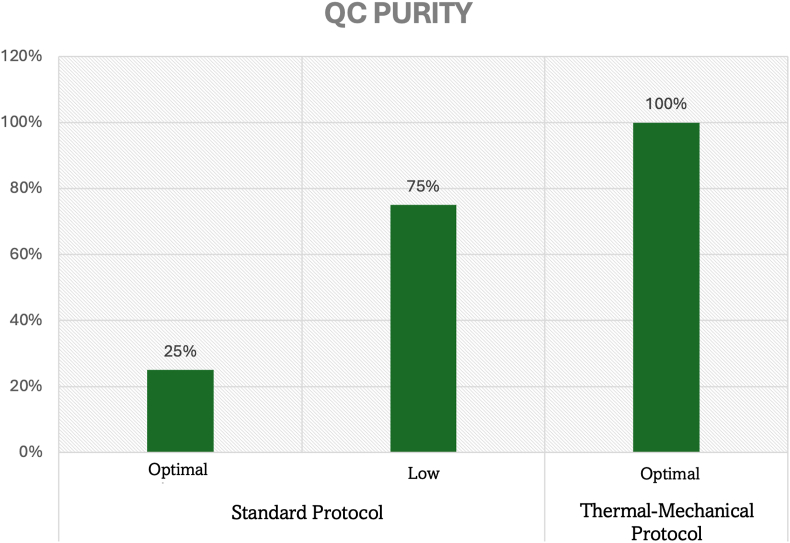 Figure 6
Peer Reviews
No public reviews on file for this paper yet. If you reviewed it on a platform where reviews are public (OpenReview, ICLR, NeurIPS, ICML), you can paste yours below so the community can read it here.
Videos
No videos yet. Explain this paper in a talk, walkthrough, or lecture? Add one.
Taxonomy
TopicsMycobacterium research and diagnosis · Infective Endocarditis Diagnosis and Management · Legionella and Acanthamoeba research