Swallowing ability, nutritional status, and functioning in adults with advanced cancer excluding head, neck, and upper gastrointestinal tract: a cross-sectional study in an outpatient palliative care setting
Danielle Nunes Moura Silva, Yohane Cristina Guimarães Jardim, Laélia Cristina Caseiro Vicente, Amélia Augusta de Lima Friche, Danielle Nunes Moura Silva, Yohane Cristina Guimarães Jardim, Laélia Cristina Caseiro Vicente, Amélia Augusta de Lima Friche

TL;DR
This study found that swallowing difficulties in advanced cancer patients are linked to worse overall function and nutrition, even when the cancer isn't in the head, neck, or upper digestive tract.
Contribution
The study is the first to explore swallowing ability in advanced cancer patients outside head, neck, and upper GI cancers in a palliative care setting.
Findings
Most patients had normal or functional swallowing, with only one case of mild oropharyngeal dysphagia.
Poorer swallowing ability was significantly associated with lower functional performance and worse nutritional status.
Participants were mostly female, moderately undernourished, and had fair to good functional performance.
Abstract
This study sought to analyze the swallowing function of cancer patients undergoing palliative care according to the degree of functionality and nutritional status. observational, cross-sectional study, conducted with advanced cancer patients outside the head and neck and upper gastrointestinal tract, in an outpatient palliative care setting at a Brazilian oncology center, conducted between March 2022 and August 2023. In the first stage, sociodemographic, clinical, functional, and nutritional data were collected. Subsequently, a speech therapy assessment was performed to classify swallowing disorders and feeding route associated with swallowing ability. Descriptive, univariate, and multivariate analyses were conducted using logistic regression. 39 individuals participated in the study, the majority were female, with functional performance between fair and good, moderately…
Genes, proteins, chemicals, diseases, species, mutations and cell lines named across the full text — each resolved to its canonical identifier and authoritative record.
Click any figure to enlarge with its caption.
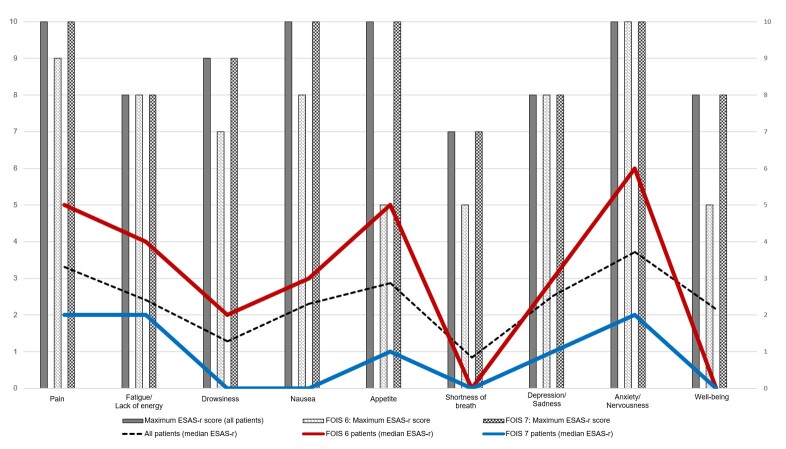 Figure 1
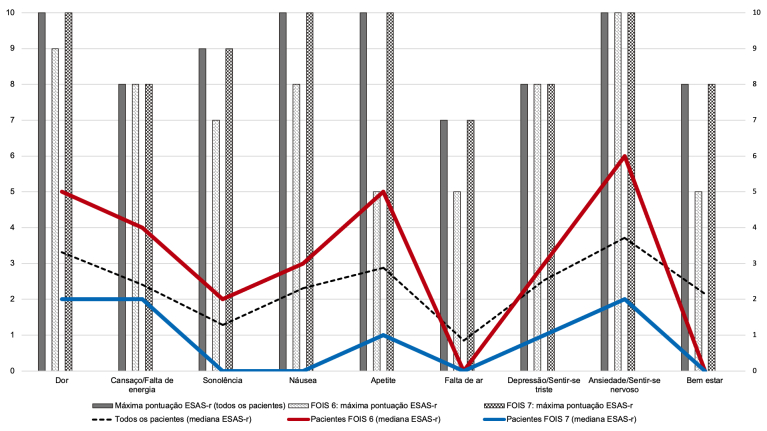 Figure 2
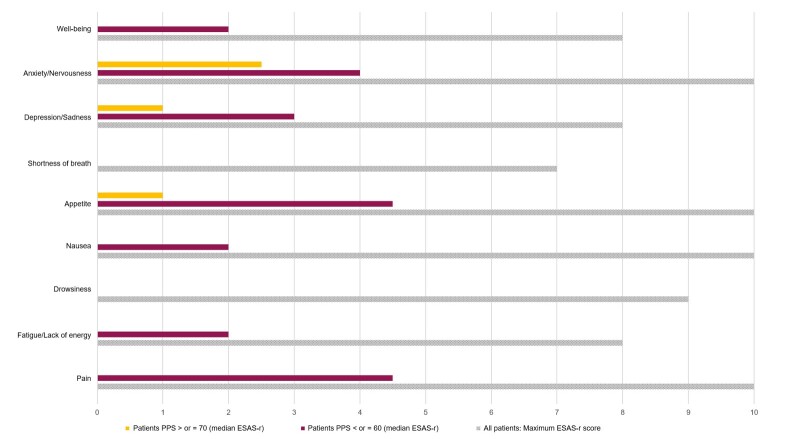 Figure 3
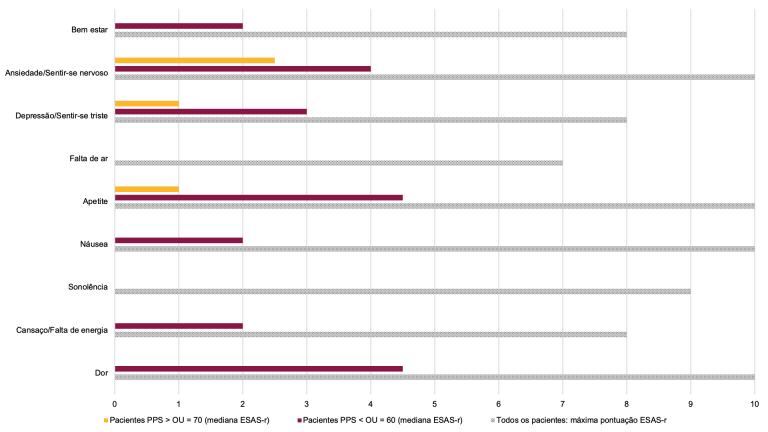 Figure 4
Peer Reviews
No public reviews on file for this paper yet. If you reviewed it on a platform where reviews are public (OpenReview, ICLR, NeurIPS, ICML), you can paste yours below so the community can read it here.
Videos
No videos yet. Explain this paper in a talk, walkthrough, or lecture? Add one.
Taxonomy
TopicsDysphagia Assessment and Management · Nutrition and Health in Aging · Esophageal and GI Pathology