Aminoguanidine attenuates arsenic-induced hepatic oxidative stress: Dose-dependent effects in a mouse model
Behnam Ghorbani-Nejad, Matin Baghani, Nastaran Allahdini Hasaruyieh, Mahshid Jamshidi, Leila Poudineh, Somayyeh Karami-Mohajeri, Milad Rahimzadegan, Jafar Ahmadi

TL;DR
Aminoguanidine protects mouse livers from arsenic damage, with the best results at a 50 mg/kg dose.
Contribution
Demonstrates aminoguanidine's dose-dependent hepatoprotective effects against arsenic-induced oxidative stress in mice.
Findings
Aminoguanidine at 50 mg/kg/day showed optimal liver protection and reduced oxidative stress markers.
Higher aminoguanidine doses (100 mg/kg/day) were less effective in protecting liver histology.
Aminoguanidine improved plasma antioxidant capacity at both tested doses.
Abstract
Arsenic exposure through environmental contamination poses significant public health concerns via oxidative stress-mediated toxicity. While aminoguanidine (AG) demonstrates antioxidant properties, its protective effects against arsenic-induced hepatotoxicity remain unexplored. Male mice (n = 32) were randomized into four groups (n = 8 per group): control (distilled water), arsenic (50 ppm sodium arsenite in drinking water), and two treatment groups receiving arsenic plus aminoguanidine (50 or 100 mg/kg/day, i.p.) for 28 days. Hepatic oxidative stress markers, plasma antioxidant capacity, and liver histopathology were evaluated. Arsenic exposure induced significant liver histopathological changes (grade +2) and oxidative damage. AG treatment at 50 mg/kg/day showed optimal protective effects, with some samples displaying normal hepatic structure (grade 0) and others showing minimal…
Genes, proteins, chemicals, diseases, species, mutations and cell lines named across the full text — each resolved to its canonical identifier and authoritative record.
Click any figure to enlarge with its caption.
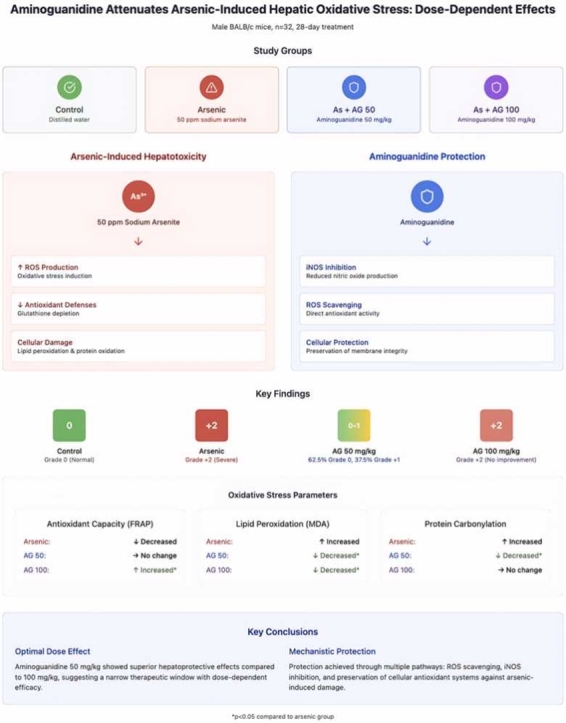 Figure 1
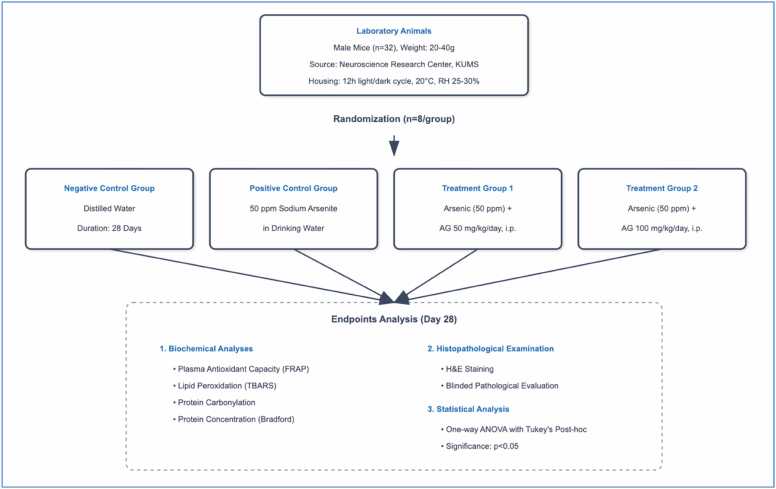 Figure 2
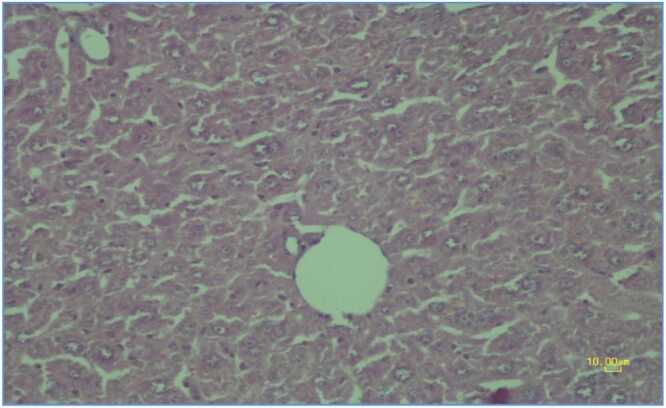 Figure 3
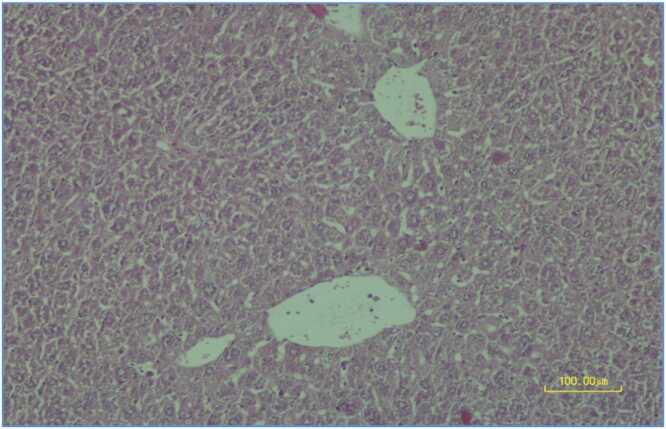 Figure 4
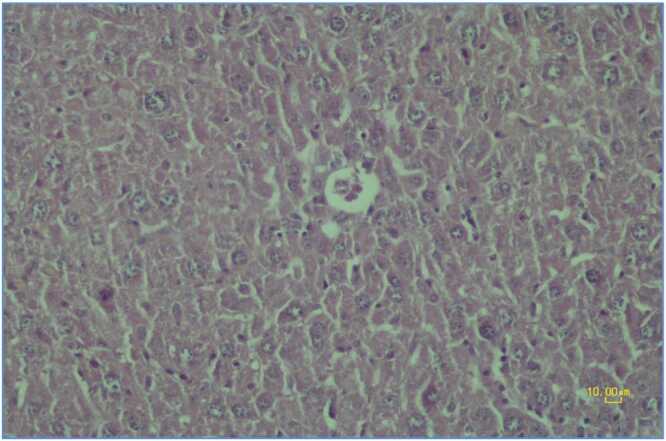 Figure 5
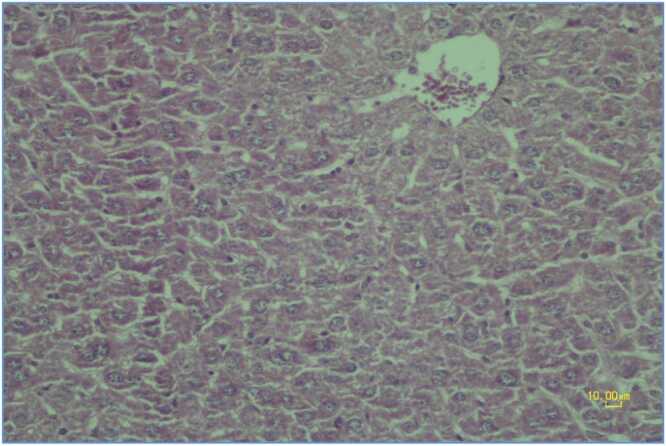 Figure 6
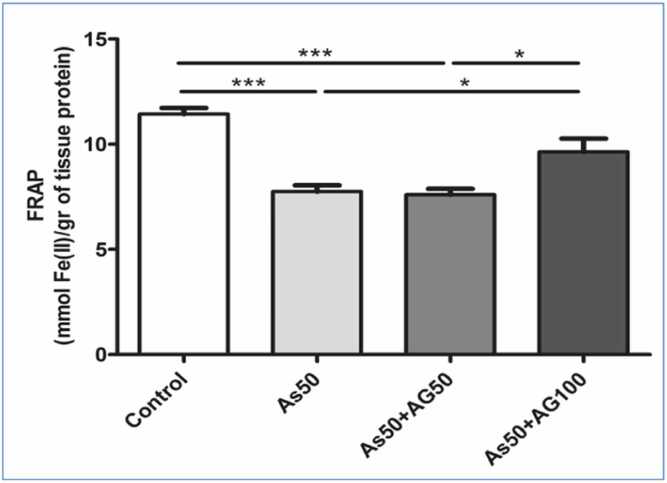 Figure 7
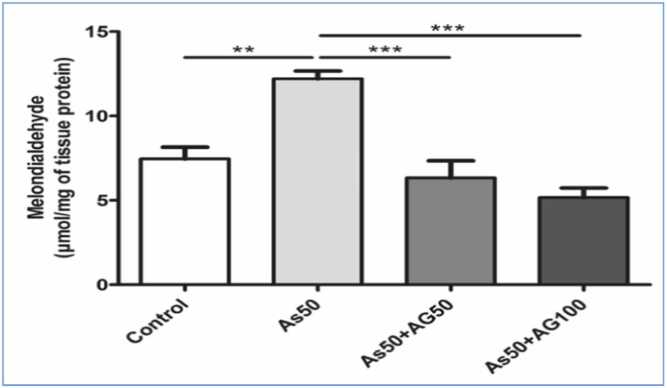 Figure 8
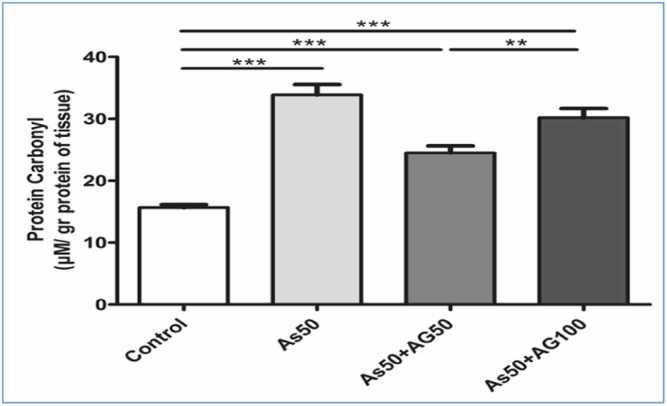 Figure 9
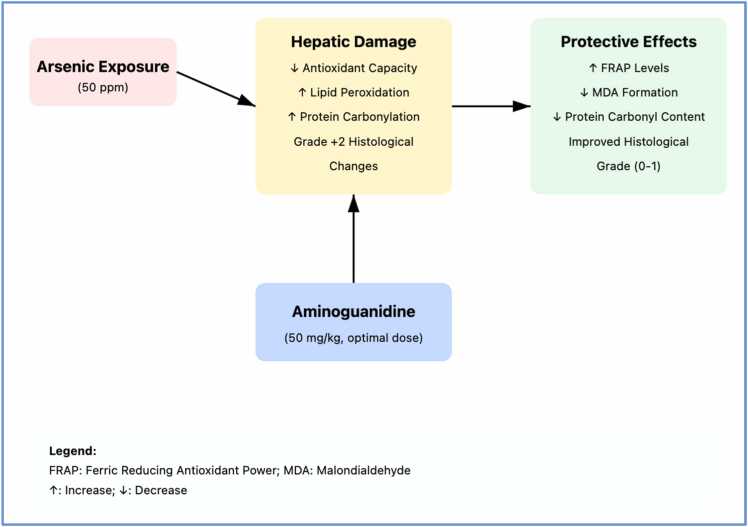 Figure 10
Peer Reviews
No public reviews on file for this paper yet. If you reviewed it on a platform where reviews are public (OpenReview, ICLR, NeurIPS, ICML), you can paste yours below so the community can read it here.
Videos
No videos yet. Explain this paper in a talk, walkthrough, or lecture? Add one.
Taxonomy
TopicsArsenic contamination and mitigation · Vitamin C and Antioxidants Research · Genomics, phytochemicals, and oxidative stress