Physicochemical Characterization and Safety Assessment of Cosmetic Gels and Emulsions Containing Sand‐Extraction Clays
Juliana da Silva Favero, Venina dos Santos, Valéria Weiss‐Angeli, Charlene Silvestrin Celi Garcia, Greta Camilla Magnano, João Antonio Pêgas Henriques, Mariana Roesch‐Ely, Diogo dos Santos Miron, Carlos Pérez Bergmann

TL;DR
This study evaluates the safety and effectiveness of using clays from sand extraction residues in cosmetic products, finding them to be stable and skin-friendly.
Contribution
The paper introduces sustainable clays from sand extraction residues as safe and biocompatible cosmetic ingredients.
Findings
Clays from sand extraction residues showed good physical stability in gels and emulsions.
All tested clays maintained over 75% cell viability in HaCaT keratinocytes at high concentrations.
No skin irritation or sensitization was observed in in vivo patch testing.
Abstract
Clays are widely used in cosmetic formulations for their rheological properties, adsorption capacity, and potential skin benefits. Sustainable sourcing of clays from industrial by‐products, such as sand extraction residues, is gaining interest in the cosmetics industry. This study aimed to assess the feasibility of incorporating four clays (I, II, III, IV) derived from sand extraction residues into cosmetic gels and emulsions, evaluating their physicochemical properties, biocompatibility, and dermal safety. The clays were incorporated into two types of hydrophilic vehicles (a nonionic emulsion and a gel). Formulations were characterized for particle size, viscosity, and storage stability over 90 days. Cytotoxicity was evaluated in vitro using HaCaT keratinocytes exposed to clay concentrations up to 1000 μg/mL. Dermal irritation potential was assessed in vivo on 53 healthy volunteers…
Genes, proteins, chemicals, diseases, species, mutations and cell lines named across the full text — each resolved to its canonical identifier and authoritative record.
Click any figure to enlarge with its caption.
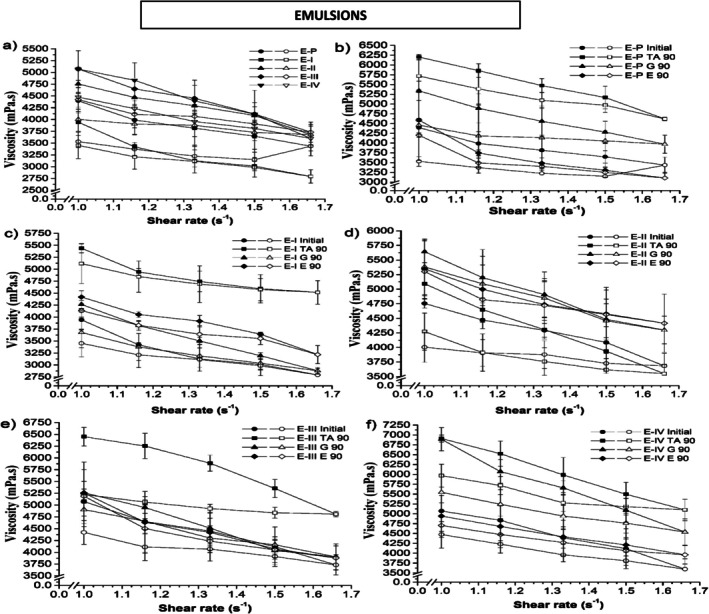 Figure 1
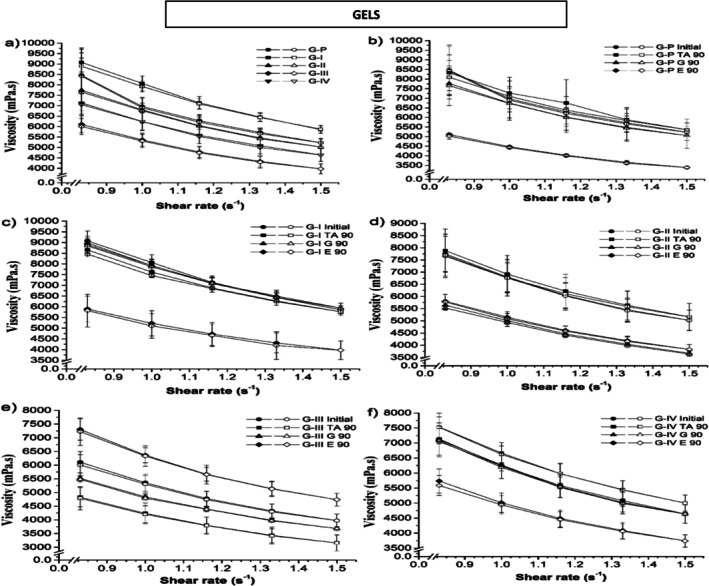 Figure 2
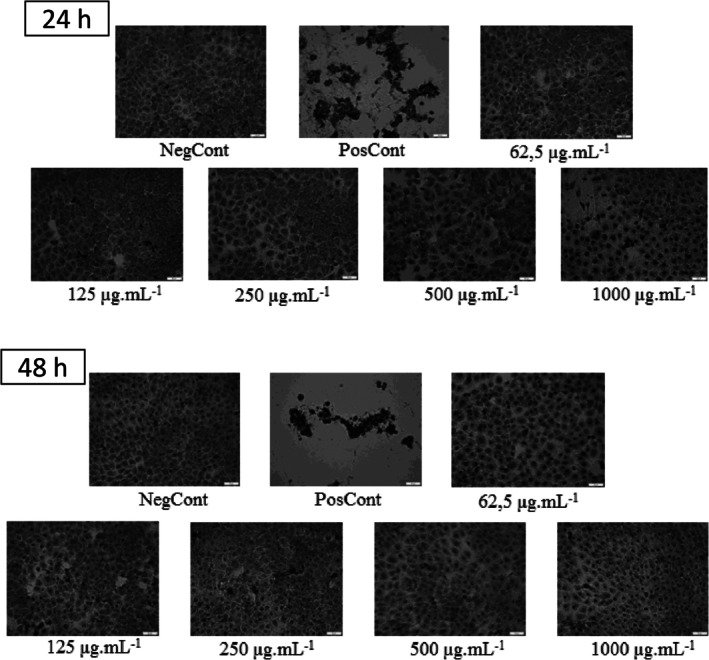 Figure 3
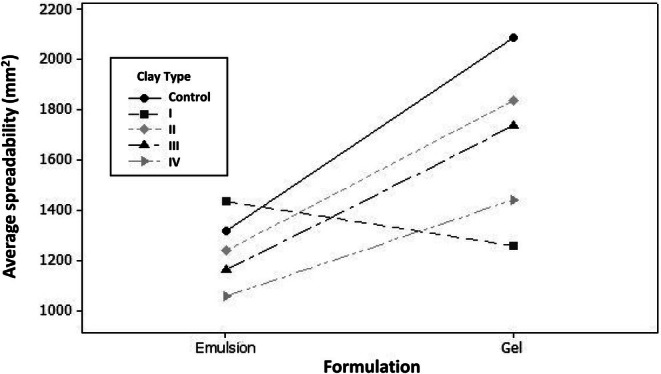 Figure 4
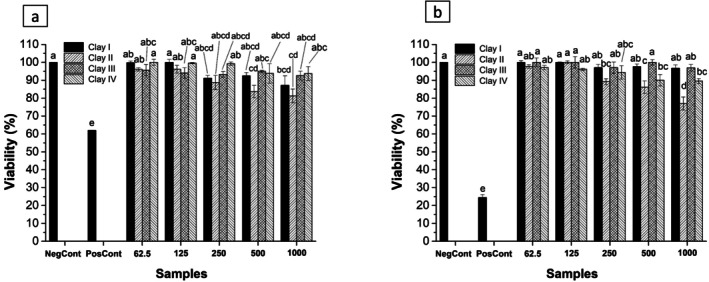 Figure 5
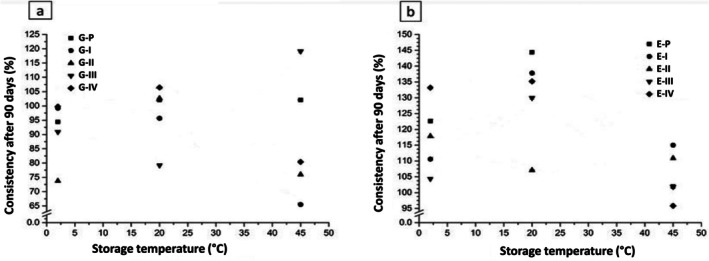 Figure 6
Peer Reviews
No public reviews on file for this paper yet. If you reviewed it on a platform where reviews are public (OpenReview, ICLR, NeurIPS, ICML), you can paste yours below so the community can read it here.
Videos
No videos yet. Explain this paper in a talk, walkthrough, or lecture? Add one.
Taxonomy
TopicsTherapeutic Uses of Natural Elements · Myofascial pain diagnosis and treatment · Sympathectomy and Hyperhidrosis Treatments