How the New Interacts With the Old? Hippocampal Processing During Memory Encoding of Creative Associations With Remote or Close Inherent Semantic Relatedness
Jingjing Yang, Zhi Zhang, Ziyi Li, Ze Zhang, Jing Luo

TL;DR
This study explores how the hippocampus supports memory for creative associations by examining brain activity during encoding of novel object pairings.
Contribution
The study reveals distinct hippocampal and network mechanisms for encoding creative associations with remote versus close semantic relatedness.
Findings
Hippocampal pattern similarity was higher for remembered creative associations in both remote and close relatedness conditions.
Enhanced hippocampal activation supported successful encoding of remote relatedness associations, while increased connectivity with prefrontal and parietal regions supported close relatedness associations.
The findings suggest that hippocampal processes and network interactions differentially support memory for creative associations based on semantic relatedness.
Abstract
Creativity means the formation of novel and useful associations. Meanwhile, the role of the hippocampus in episodic memory and some forms of creative thinking has been identified, but it remains unclear how the hippocampus participates in the formation of memory for creative associations. In particular, considering creative associations are often formed on the basis of old ones, it is important to identify how the hippocampus and its associated neural network represent the interactions between the new and old associations during the encoding of creative associations. Thus, using the subsequent memory effect (SME) paradigm, the present study asked participants to learn a set of creative combinations (a common object paired with a creative alternate use, for example, basketball‐buoy, which means a basketball is used as a buoy) during fMRI scanning. Moreover, we also quantified the degree…
Genes, proteins, chemicals, diseases, species, mutations and cell lines named across the full text — each resolved to its canonical identifier and authoritative record.
Click any figure to enlarge with its caption.
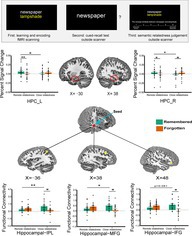 Figure 1
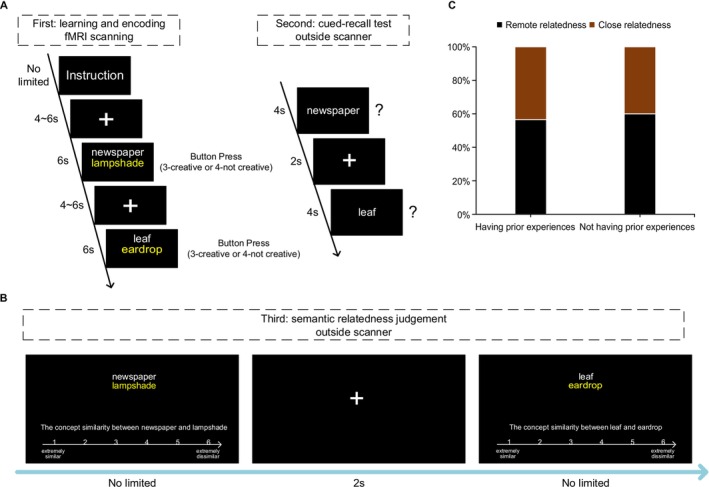 Figure 2
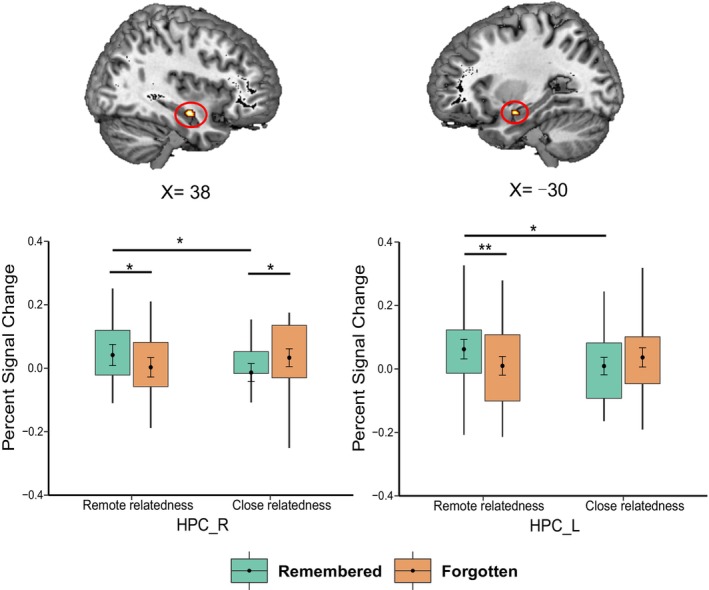 Figure 3
 Figure 4
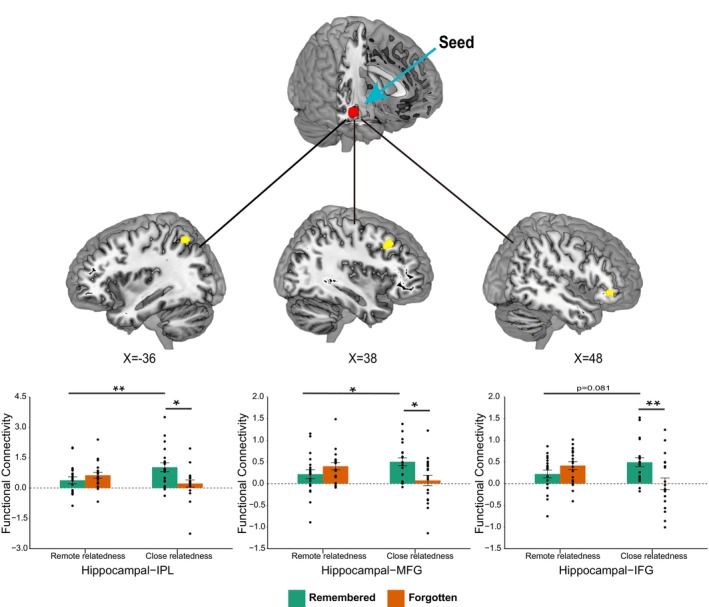 Figure 5
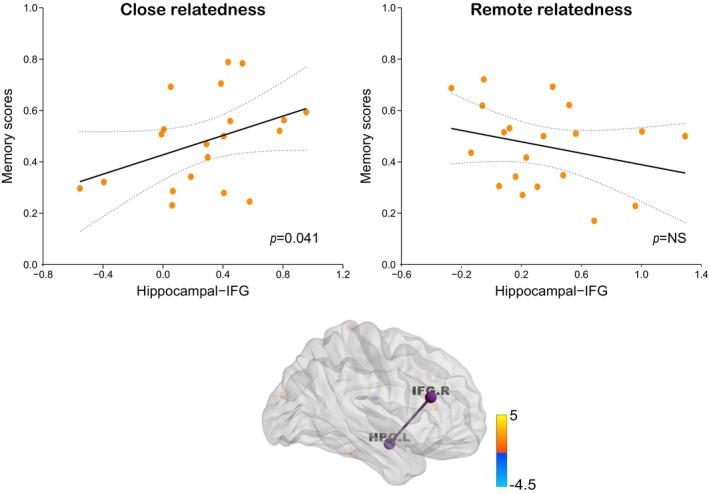 Figure 6
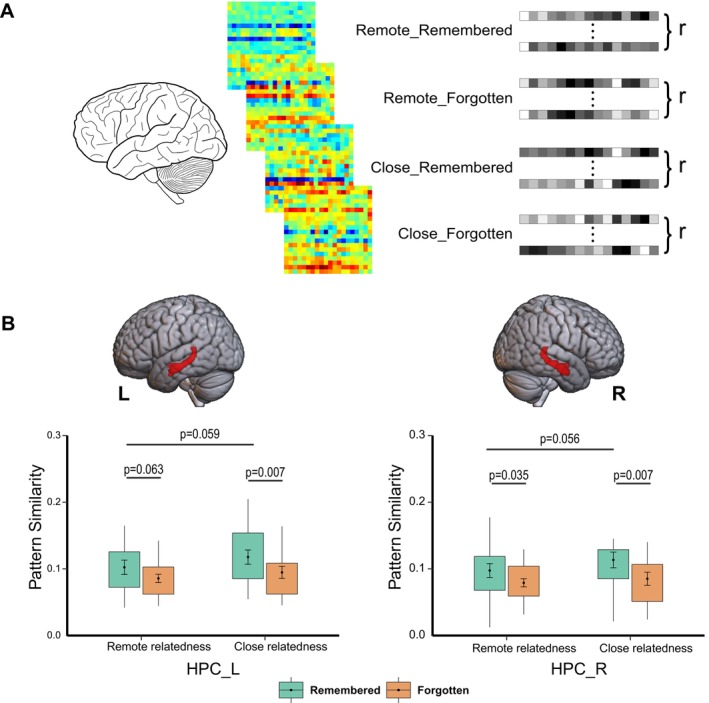 Figure 7
Peer Reviews
No public reviews on file for this paper yet. If you reviewed it on a platform where reviews are public (OpenReview, ICLR, NeurIPS, ICML), you can paste yours below so the community can read it here.
Videos
No videos yet. Explain this paper in a talk, walkthrough, or lecture? Add one.
Taxonomy
TopicsCreativity in Education and Neuroscience · Memory and Neural Mechanisms · Neuroscience, Education and Cognitive Function