Myrtus communis essential oil mitigates bisphenol A‐induced reproductive and lipidomic alterations in a male rat model
Mhimdi Mariem, Selmi Slimen, Sut Stefania, Peron Gregorio, Jridi Mourad, Dallacqua Stefano, Sebai Hichem

TL;DR
This study shows that Myrtus communis essential oil can protect against reproductive and metabolic damage caused by bisphenol A in male rats.
Contribution
The novel finding is that high-dose Myrtus communis essential oil offers broader protective effects than vitamin E against BPA-induced toxicity.
Findings
EOMC at 200 mg/kg restored testicular histology and improved sperm parameters in BPA-exposed rats.
EOMC normalized steroid hormone levels and preserved membrane phospholipid composition disrupted by BPA.
EOMC prevented BPA-induced body weight loss and outperformed vitamin E in multiple reproductive parameters.
Abstract
Bisphenol A (BPA), a widespread endocrine disruptor, induces male reproductive toxicity by impairing spermatogenesis and altering hormonal homeostasis. This study investigated the protective effects of Myrtus communis essential oil (EOMC) or vitamin E (Vit E) in adult male rats exposed to BPA (100 mg/kg/day). BPA administration led to testicular damage, decreased sperm quality, hormonal imbalance, oxidative stress, and changes in lipid metabolism. Vit E preserved seminiferous tubule structure and reduced the presence of immature germ cells, though partial disruption of spermatogenesis persisted. EOMC displayed dose‐dependent protective effects at 50, 100, and 200 mg/kg. At the highest dose, EOMC improved sperm parameters, restored testicular histology, preserved membrane phospholipid composition, and normalized levels of steroid hormones including testosterone, estradiol, progesterone,…
Genes, proteins, chemicals, diseases, species, mutations and cell lines named across the full text — each resolved to its canonical identifier and authoritative record.
Click any figure to enlarge with its caption.
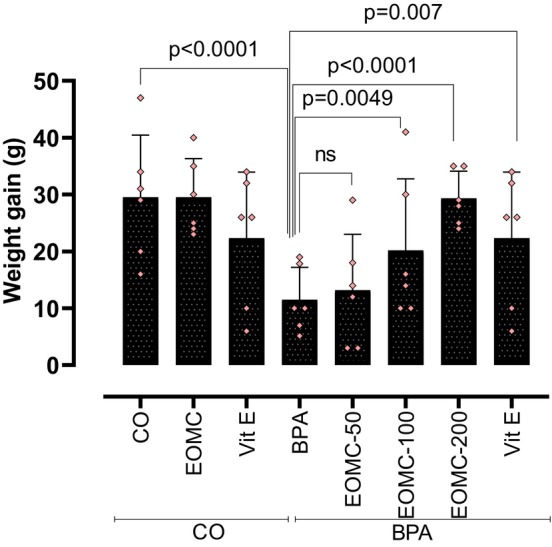 Figure 1
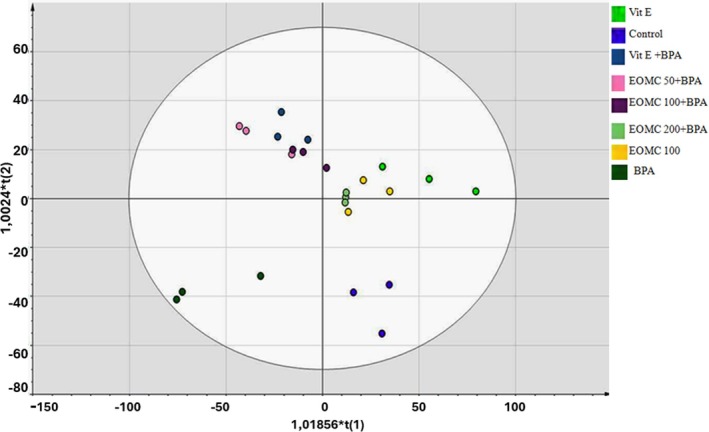 Figure 2
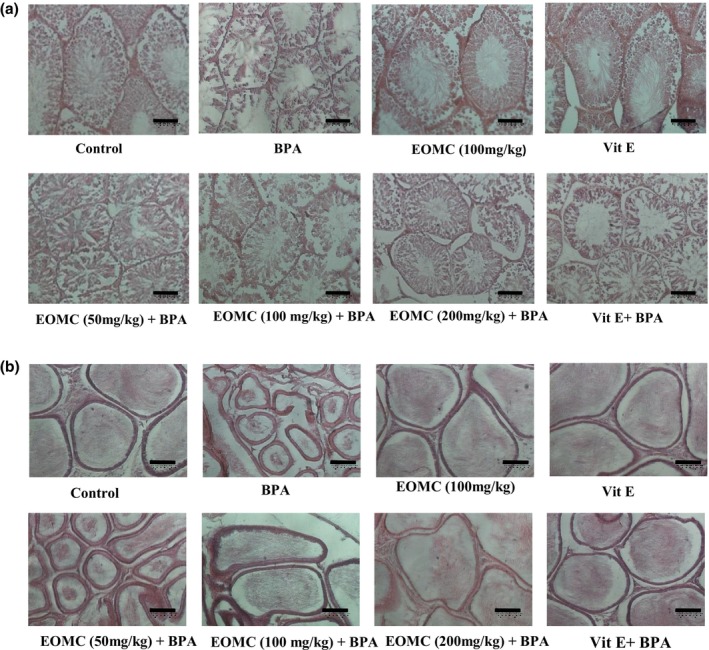 Figure 3
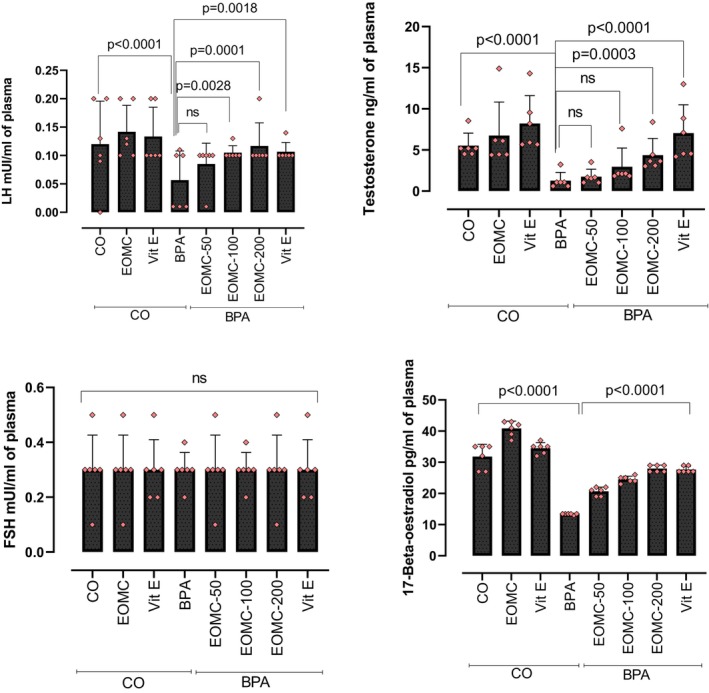 Figure 4
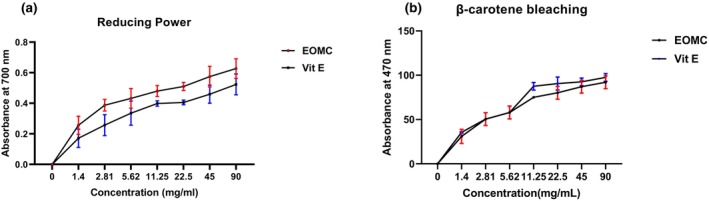 Figure 5
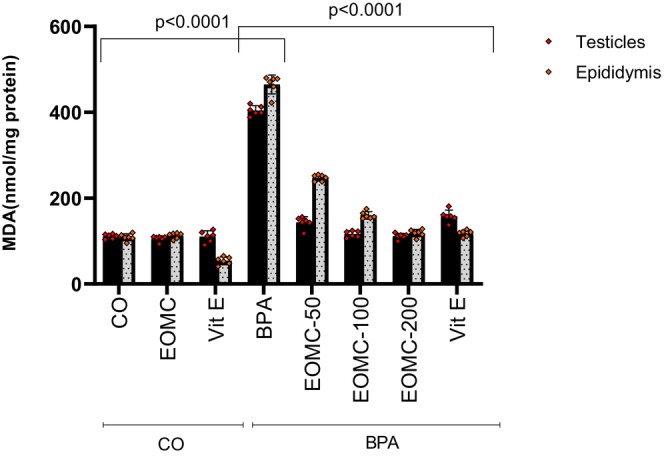 Figure 6
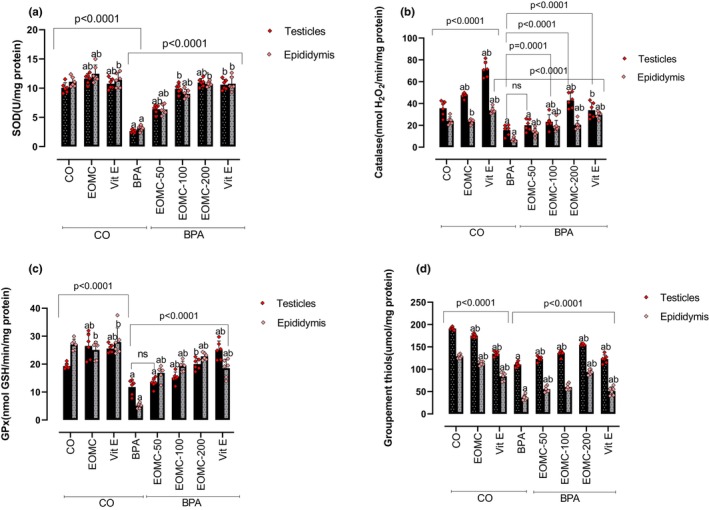 Figure 7
Peer Reviews
No public reviews on file for this paper yet. If you reviewed it on a platform where reviews are public (OpenReview, ICLR, NeurIPS, ICML), you can paste yours below so the community can read it here.
Videos
No videos yet. Explain this paper in a talk, walkthrough, or lecture? Add one.
Taxonomy
TopicsEffects and risks of endocrine disrupting chemicals · Animal testing and alternatives · Immunotoxicology and immune responses