Adjuvants and MHCII modulate the immunogenicity of subdominant epitopes in Plasmodium vivax Duffy binding protein
Daniel Ferrer Vinals, Mohammad Rafiul Hoque, Opeyemi Ernest Oludada, Ethan B. Jansen, Catherine J. Mitran, Jhon R. Enterina, Matthew S. Macauley, Michael T. Hawkes, Stephanie K. Yanow

TL;DR
The study shows how adjuvants and vaccine design can shift immune responses to less dominant regions of a malaria protein, which could help in developing better vaccines.
Contribution
The study reveals how adjuvants and epitope mutations can overcome subdominance in Plasmodium vivax Duffy binding protein.
Findings
Adjuvants GLA-SE or alum enhance responses to subdominant epitopes when immunodominant regions are mutated.
MHCII haplotype can restrict the immunogenicity of subdominant epitopes.
Boosting is necessary to generate strong antibody responses to subdominant epitopes.
Abstract
Antibody responses to protein antigens are driven by epitope hierarchies that promote the immunogenicity of select epitopes. For antigenically variable pathogens, immune responses toward conserved epitopes are critical to elicit strain-transcending antibodies, yet these epitopes are often subdominant. Designing vaccines that focus immune responses to these epitopes requires an understanding of which components can overcome subdominance. Using the Plasmodium vivax Duffy binding protein with a defined subdominant region, we investigated how immunization strategies affect the immunogenicity of this region. We demonstrated that antigens with mutations in immunodominant epitopes, combined with the adjuvants GLA-SE or alum, overcame the subdominance of this region. However, these effects were largely negated by MHCII restriction. Further, robust antibody responses toward subdominant epitopes…
Genes, proteins, chemicals, diseases, species, mutations and cell lines named across the full text — each resolved to its canonical identifier and authoritative record.
Click any figure to enlarge with its caption.
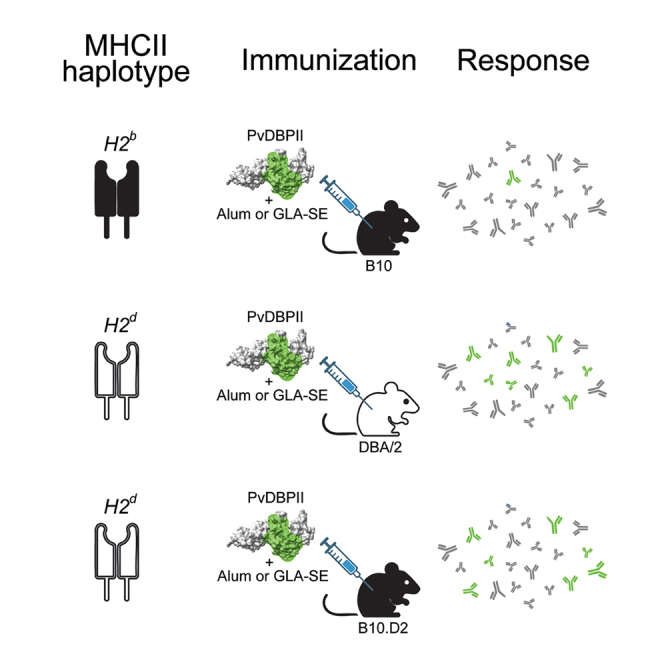 Figure 1
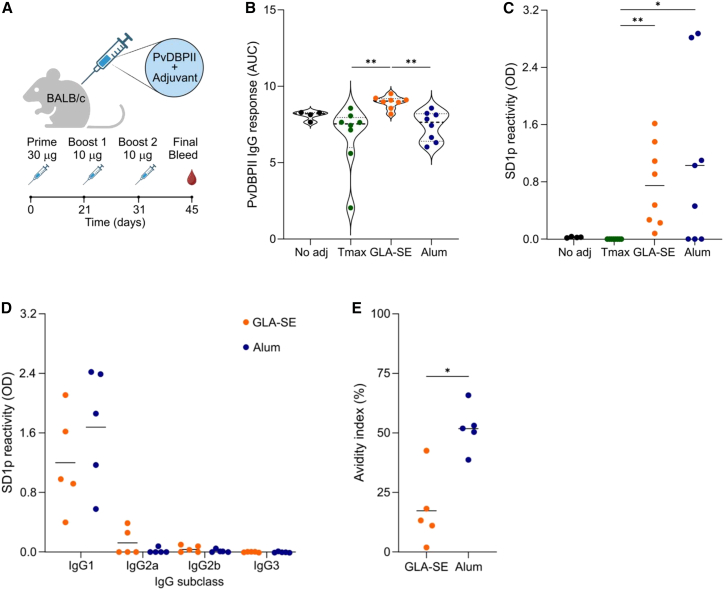 Figure 2
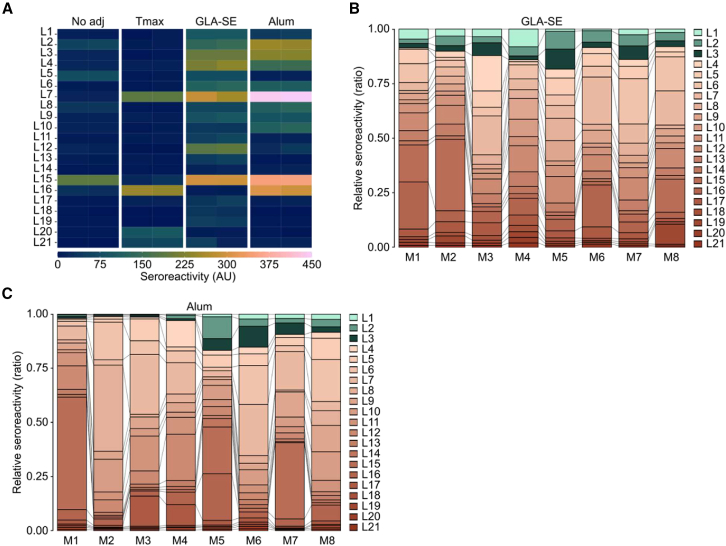 Figure 3
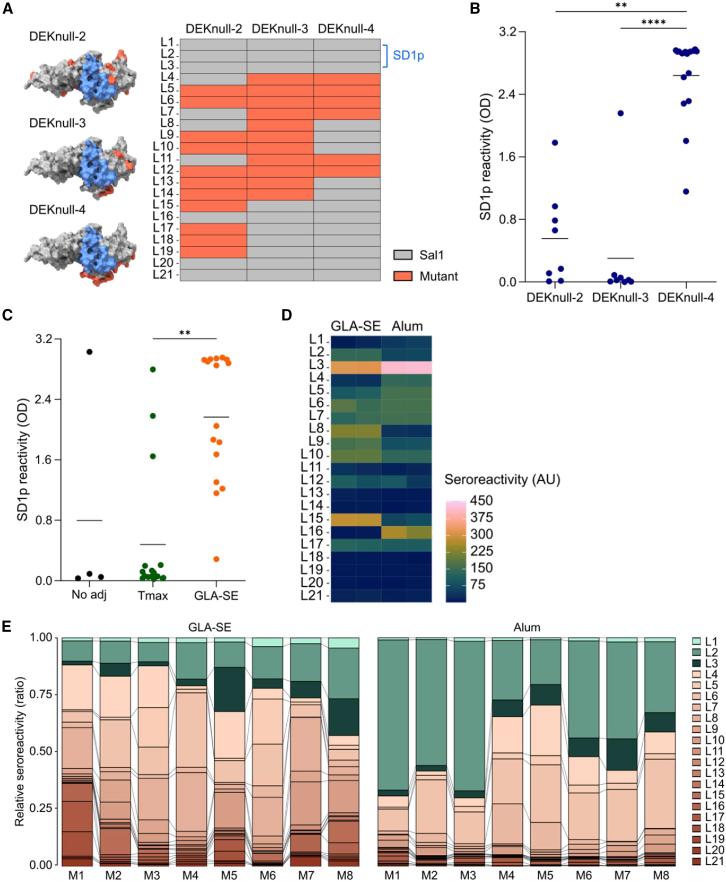 Figure 4
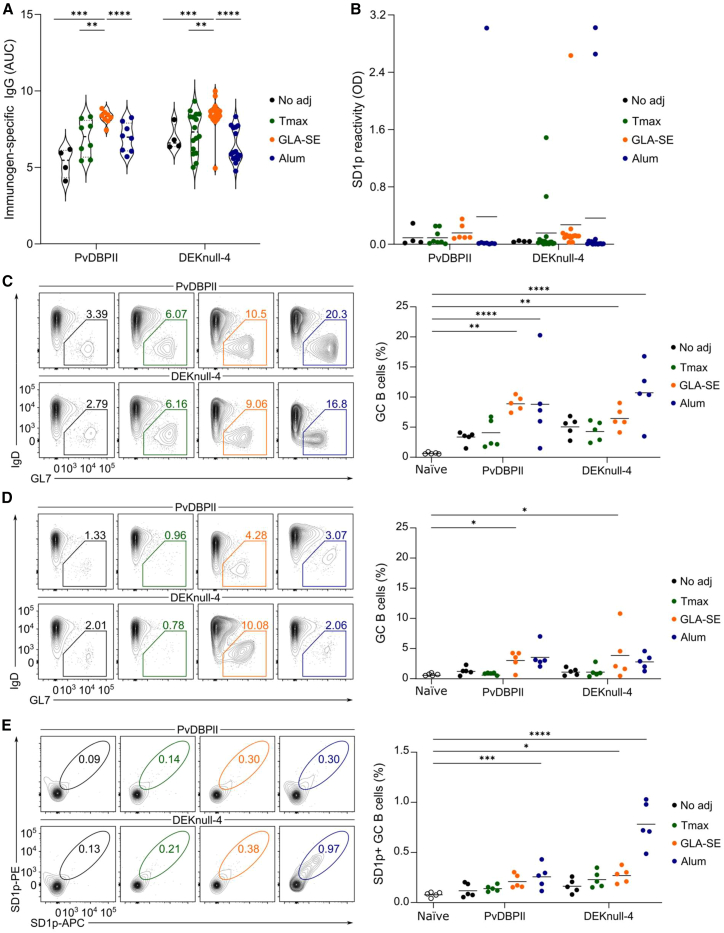 Figure 5
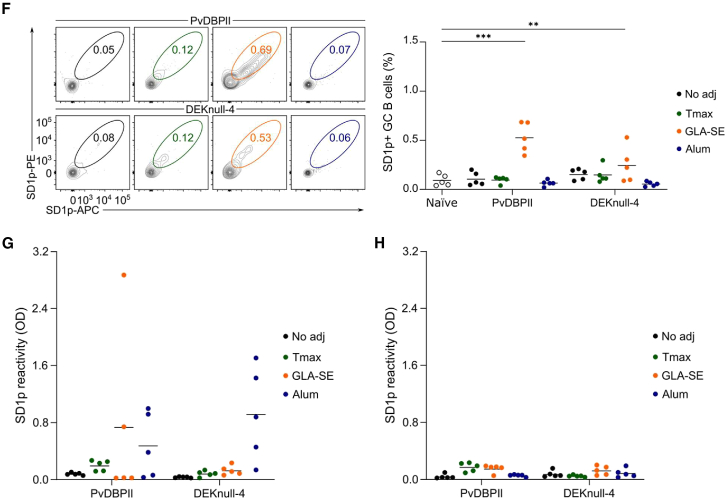 Figure 6
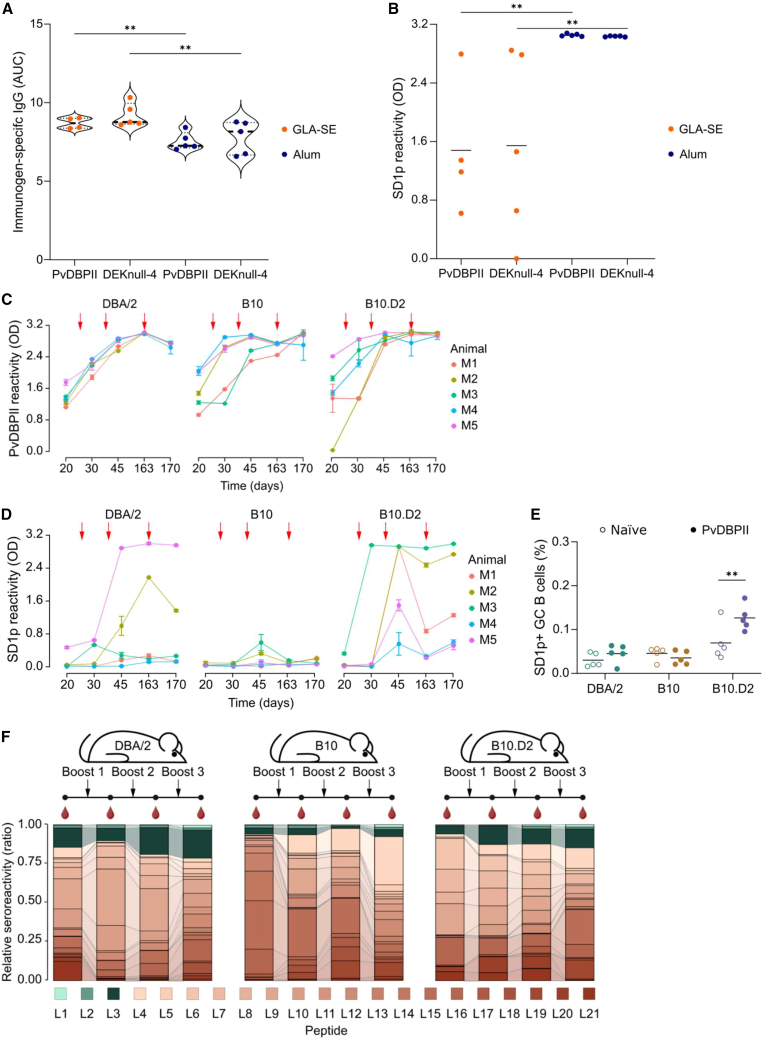 Figure 7
Peer Reviews
No public reviews on file for this paper yet. If you reviewed it on a platform where reviews are public (OpenReview, ICLR, NeurIPS, ICML), you can paste yours below so the community can read it here.
Videos
No videos yet. Explain this paper in a talk, walkthrough, or lecture? Add one.
Taxonomy
TopicsHIV Research and Treatment · vaccines and immunoinformatics approaches · Bacteriophages and microbial interactions