Exploring Symmetry-Independent Configurations in KTa0.5Nb0.5O3 Solid Solutions: A First-Principles, QTAIM, and AIMD Approach
Jeronimo F. Silva, Ismael D. Souto, Julio Ricardo Sambrano, Anderson Reis Albuquerque, Ary S. Maia

TL;DR
This study explores different atomic arrangements in a lead-free material to understand how they affect its electronic and bonding properties for potential use in electro-optic and dielectric technologies.
Contribution
The paper systematically investigates all symmetry-independent configurations in KTa0.5Nb0.5O3 using first-principles and AIMD methods.
Findings
Low-energy atomic arrangements were identified through configurational energy analysis.
B-site ordering significantly modulates the electronic structure and bonding characteristics.
AIMD simulations confirmed the stability of low-energy models at finite temperatures.
Abstract
Potassium tantaloniobate (KTN) is a lead-free perovskite solid solution with promising electro-optic, ferroelectric, and dielectric applications. Here, we present a systematic first-principles study of KTa0.5Nb0.5O3, exploring all 21 symmetry-independent configurations (SICs) in 2 × 2 × 2 cubic and tetragonal supercells. Configurational energy analysis identifies the most stable atomic arrangements, which are further characterized through band structure, density of states, and quantum theory of atoms in molecules (QTAIM) descriptors. Ab initio molecular dynamics (AIMD) simulations at finite temperature confirm the dynamical robustness of low-energy models and highlight subtle symmetry-dependent fluctuations. The results demonstrate how B-site ordering modulates electronic structure and bonding, offering guidance for the design of compositionally engineered perovskites for electro-optic…
Genes, proteins, chemicals, diseases, species, mutations and cell lines named across the full text — each resolved to its canonical identifier and authoritative record.
Click any figure to enlarge with its caption.
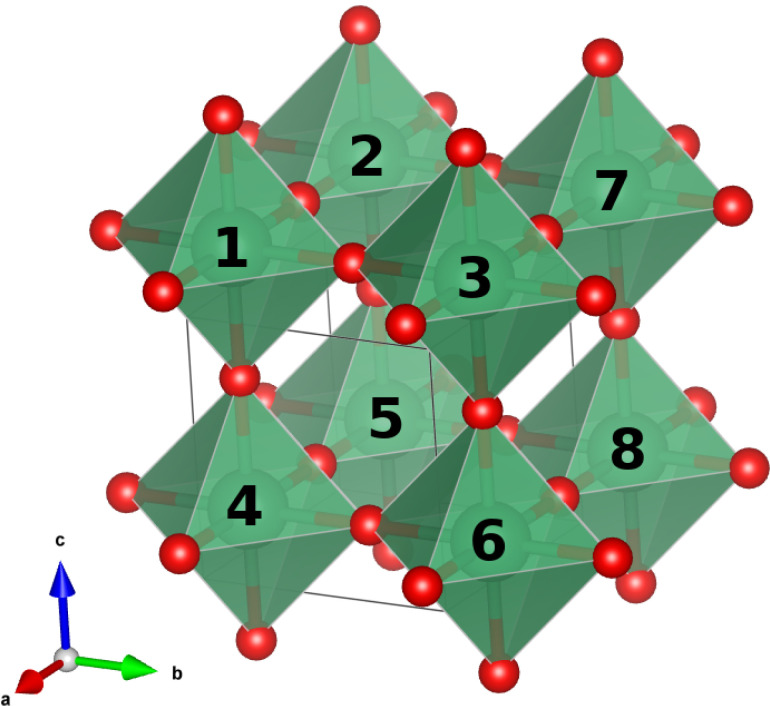 Figure 1
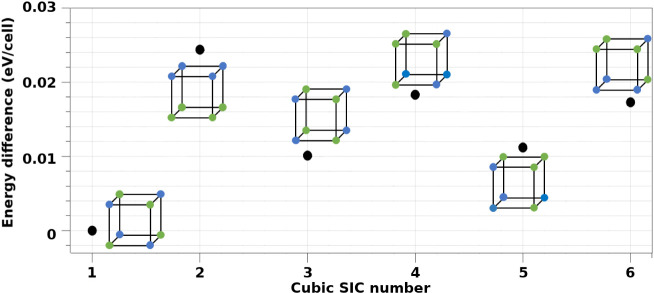 Figure 2
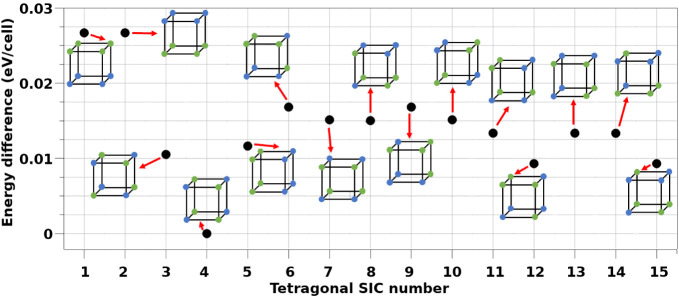 Figure 3
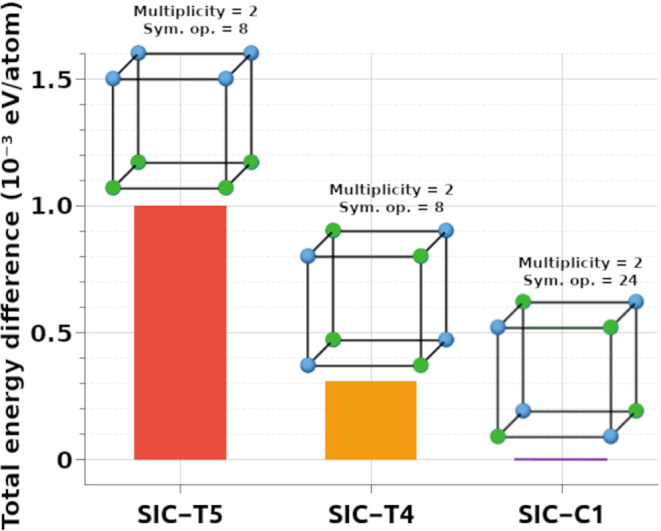 Figure 4
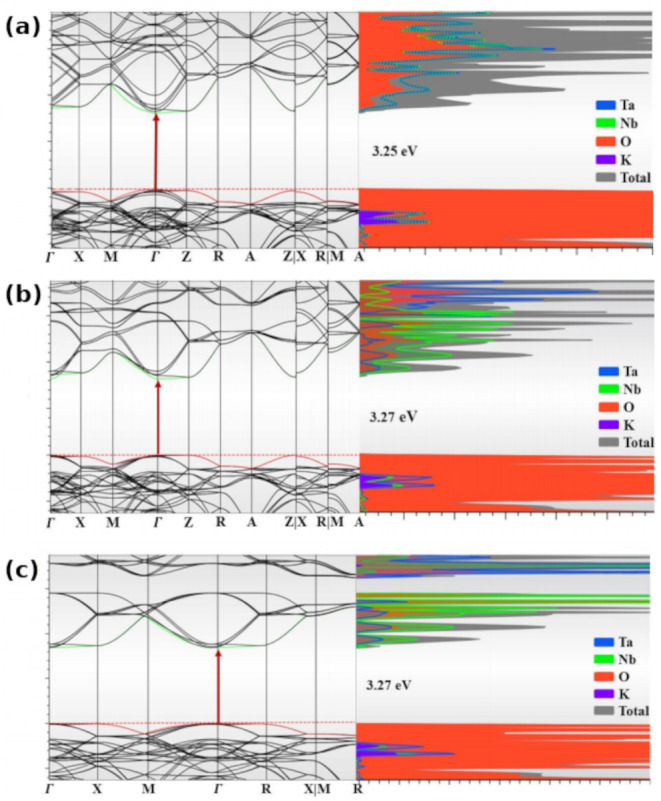 Figure 5
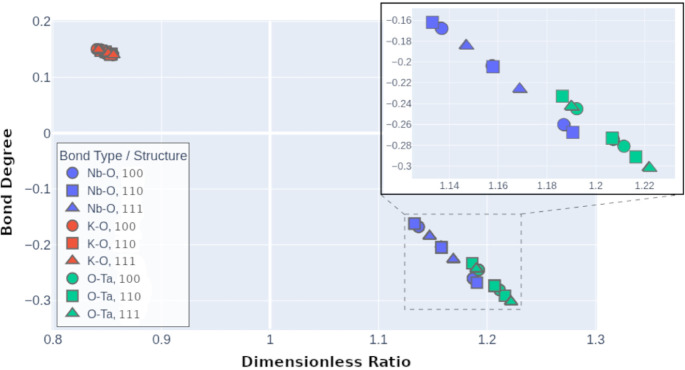 Figure 6
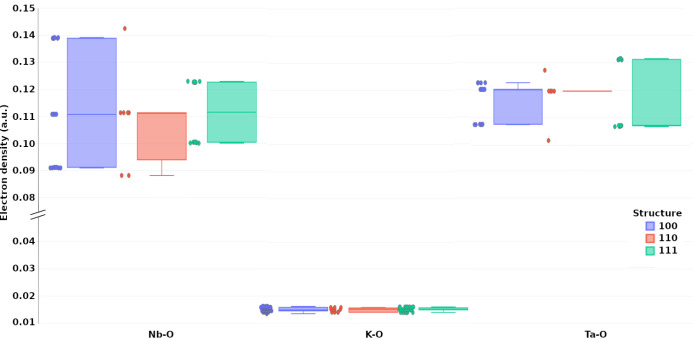 Figure 7
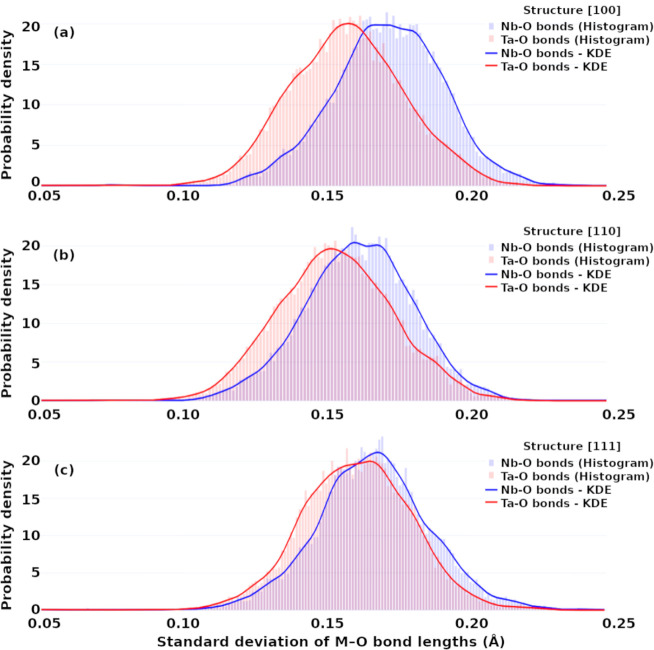 Figure 8
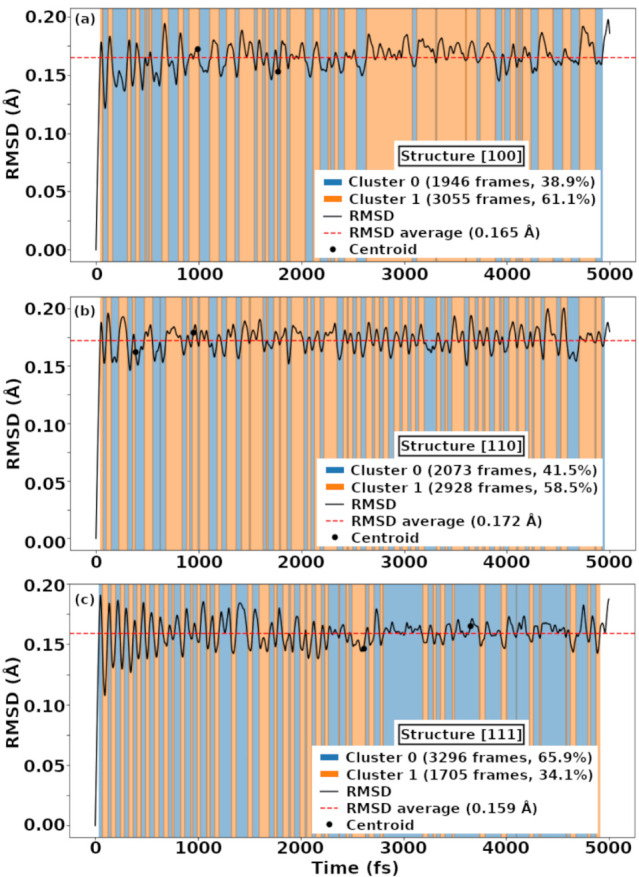 Figure 9
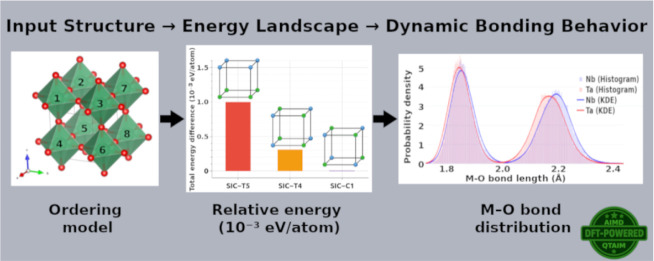 Figure 10
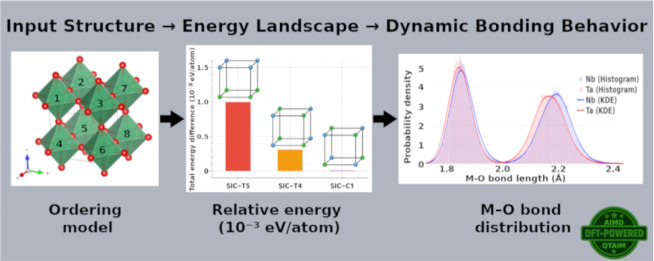 Figure 11
 Figure 12
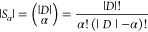 Figure 13
 Figure 14
 Figure 15
Peer Reviews
No public reviews on file for this paper yet. If you reviewed it on a platform where reviews are public (OpenReview, ICLR, NeurIPS, ICML), you can paste yours below so the community can read it here.
Videos
No videos yet. Explain this paper in a talk, walkthrough, or lecture? Add one.
Taxonomy
TopicsFerroelectric and Piezoelectric Materials · Microwave Dielectric Ceramics Synthesis · Crystal Structures and Properties