Metabolomic Profiling of Serum Reveals Energy Metabolism Differences in Nellore Bulls with Divergent Growth Rates during Feedlot Finishing
José B. S. Moreira, Richard V. Ribeiro, Nara R. B. Cônsolo, Gabriel H. Ribeiro, Luiz A. Colnago, Rodrigo N. S. Torres, Otávio R. Machado Neto, Rogério A. Curi, Luis Artur L. Chardulo, Welder A. Baldassini

TL;DR
This study found that Nellore bulls with higher growth rates have distinct serum metabolite profiles linked to better energy metabolism.
Contribution
The study identifies specific metabolites and pathways associated with divergent growth rates in beef cattle during feedlot finishing.
Findings
HP cattle had higher levels of threonine, glycolate, ornithine, histidine, and creatinine.
LP cattle showed elevated phenylalanine, succinate, acetate, asparagine, and 2-hydroxyisobutyrate.
Key pathways like mitochondrial electron transport and threonine degradation were enriched in HP animals.
Abstract
This study aimed to identify and quantify serum metabolites in beef cattle exhibiting different growth rates during the finishing phase. A total of 120 Nellore (Bos indicus) bulls, averaging 387 ± 14 kg in body weight and 24 ± 2 months of age, were evaluated. The animals were housed for 115 days, and on day 21 (end of the first adaptation step), blood samples were collected from the coccygeal vein for metabolomic analysis. Based on average daily gain (ADG), two contrasting groups were selected: high performance (HP; n = 12) and low performance (LP; n = 12). Serum samples collected on day 21 were analyzed by proton nuclear magnetic resonance (1H NMR) to extract and quantify metabolites. Longissimus muscle area (LMA), backfat thickness (BFT), and hot carcass weight (HCW) were measured via ultrasound at the end of the finishing period. Animal performance was affected by growth rate, with…
Genes, proteins, chemicals, diseases, species, mutations and cell lines named across the full text — each resolved to its canonical identifier and authoritative record.
Click any figure to enlarge with its caption.
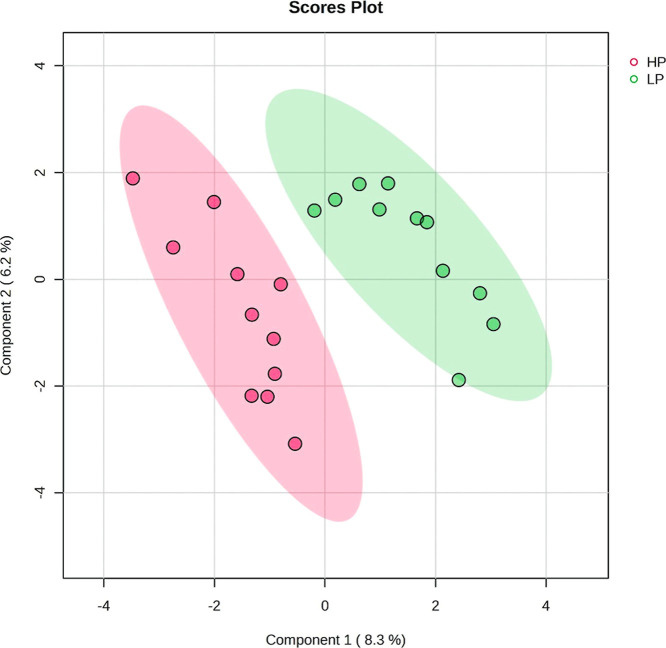 Figure 1
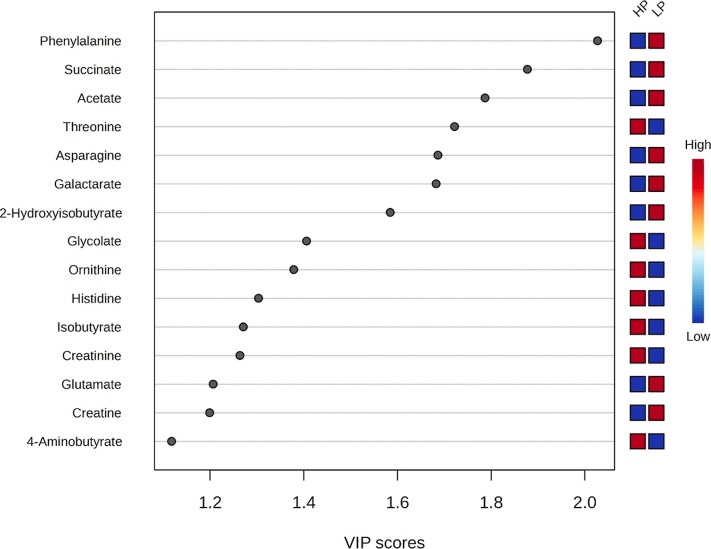 Figure 2
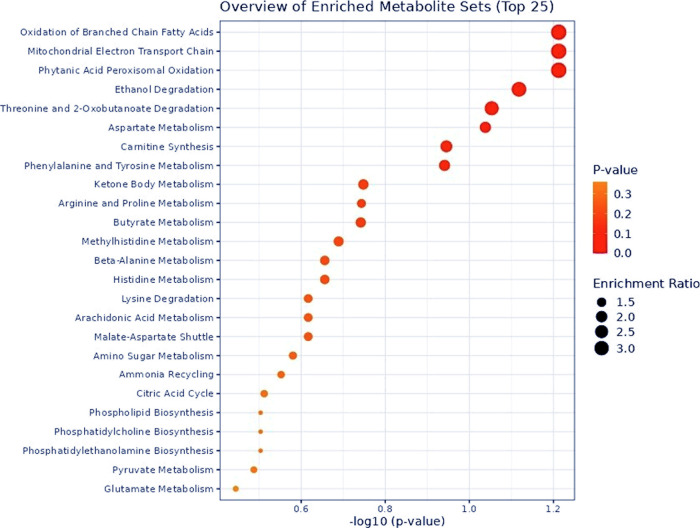 Figure 3
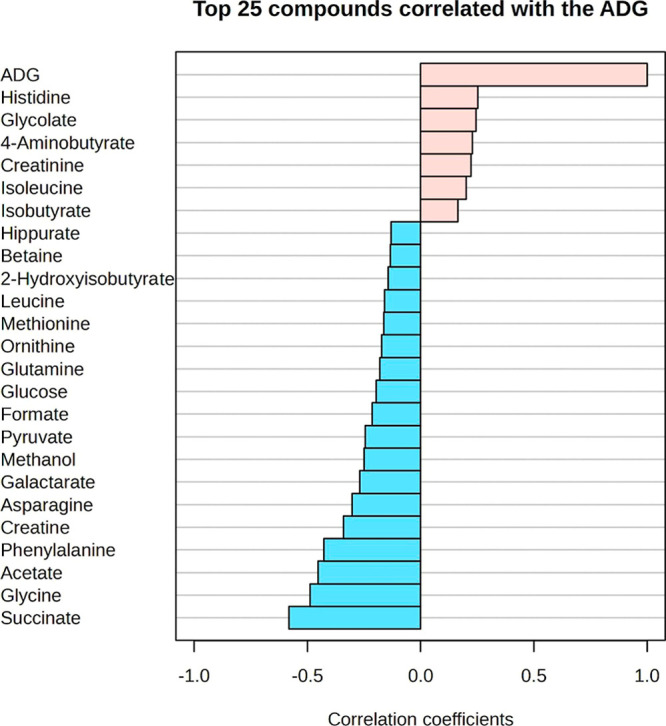 Figure 4
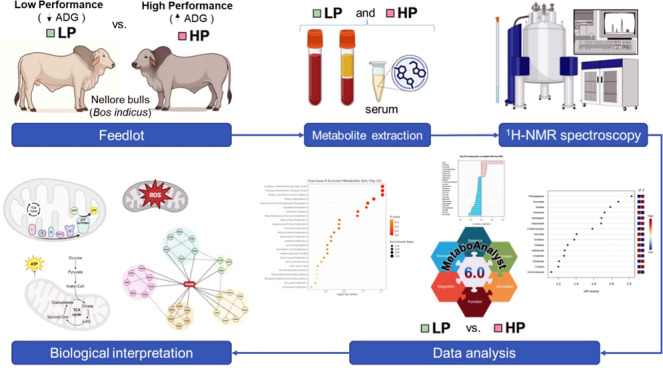 Figure 5
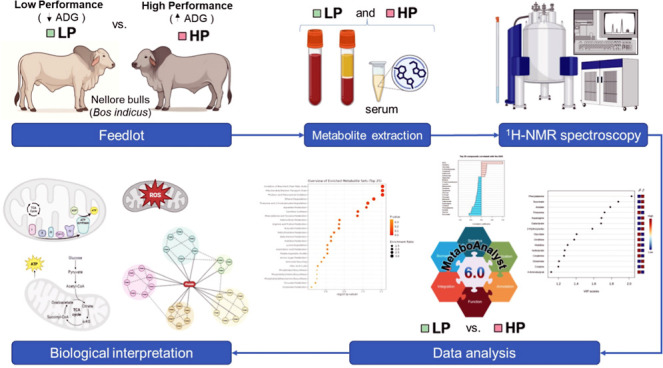 Figure 6
 Figure 7
 Figure 8
 Figure 9
Peer Reviews
No public reviews on file for this paper yet. If you reviewed it on a platform where reviews are public (OpenReview, ICLR, NeurIPS, ICML), you can paste yours below so the community can read it here.
Videos
No videos yet. Explain this paper in a talk, walkthrough, or lecture? Add one.
Taxonomy
TopicsMuscle metabolism and nutrition · Physiological and biochemical adaptations · Meat and Animal Product Quality