Lentiviral-mediated panErbB CAR-T cell therapy against head and neck squamous cell carcinomas for patients with Fanconi anemia
Andrea López, David Charbonnier, Paula Vela, Begoña Díez, Paula Río, Rebeca Sánchez, Omaira Alberquilla, Beatriz Martín-Antonio, Jordi Minguillón, Esperanza Esquinas, Ramón García-Escudero, Ricardo Errazquin, Sonia Del Marro, Ania Pascual, Corina Lorz, Ángeles Juarranz

TL;DR
Researchers developed a new CAR-T cell therapy targeting head and neck cancer in Fanconi anemia patients, showing it works in lab and animal models without causing DNA damage.
Contribution
A non-genotoxic panErbB CAR-T cell therapy is proposed for Fanconi anemia patients with head and neck cancer.
Findings
PanErbB CAR-T cells effectively kill HNSCC cell lines from both healthy and FA patients in vitro.
Intratumoral administration of CAR-T cells significantly reduced tumor growth in xenograft models.
CAR-T cell generation was equally effective from healthy donors and FA patients despite FA-related defects.
Abstract
Fanconi anemia (FA) is a DNA repair syndrome characterized by bone marrow failure and cancer predisposition, including acute myeloid leukemia and solid tumors such as head and neck squamous cell carcinoma (HNSCC). Due to the exacerbated toxicity of radio-chemotherapy in FA patients with HNSCC, there is an urgent need of safer and more efficient antitumoral therapies for these patients, such as those based on chimeric antigen receptor (CAR)-T cells. Here, we show that HNSCC cell lines from both the general population and patients with FA express ErbB family members, which can be recognized by the T1E panErbB ligand. The generation of a lentiviral vector encoding for a second-generation T1E-CAR allowed us to generate panErbB CAR-T cells from healthy donors (HDs) and patients with FA. Despite the molecular and cellular defects characteristic of FA cells, a similar efficacy of CAR-T…
Genes, proteins, chemicals, diseases, species, mutations and cell lines named across the full text — each resolved to its canonical identifier and authoritative record.
Click any figure to enlarge with its caption.
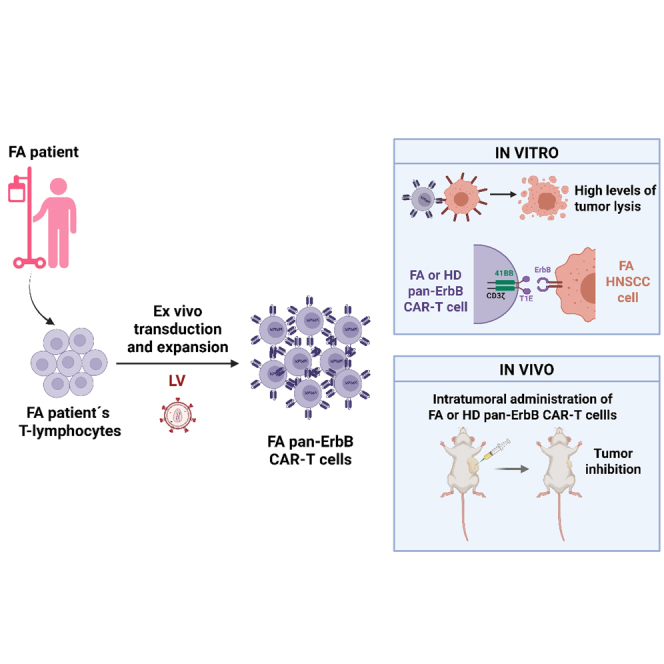 Figure 1
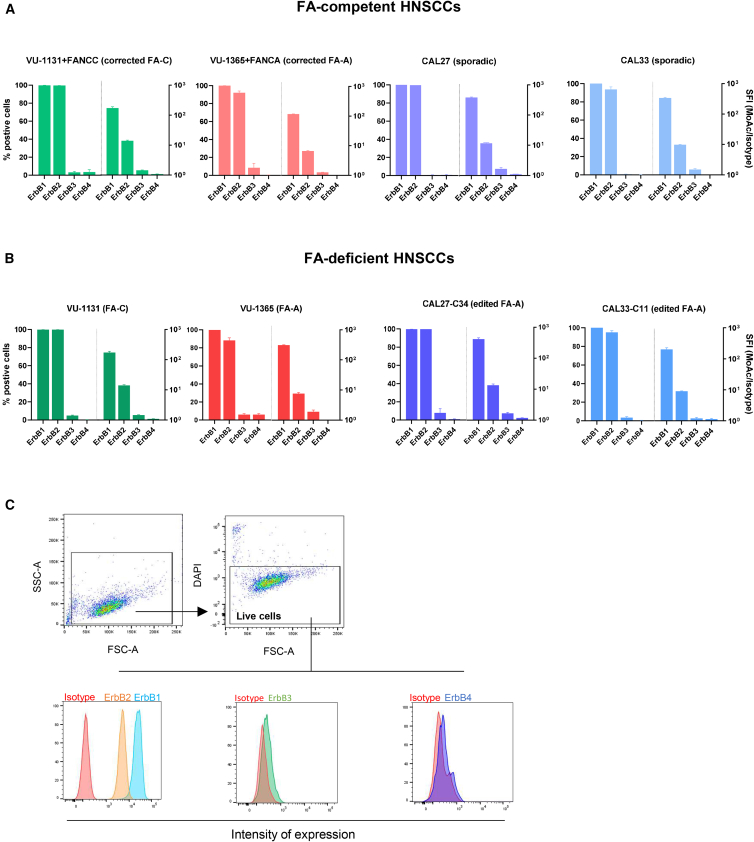 Figure 2
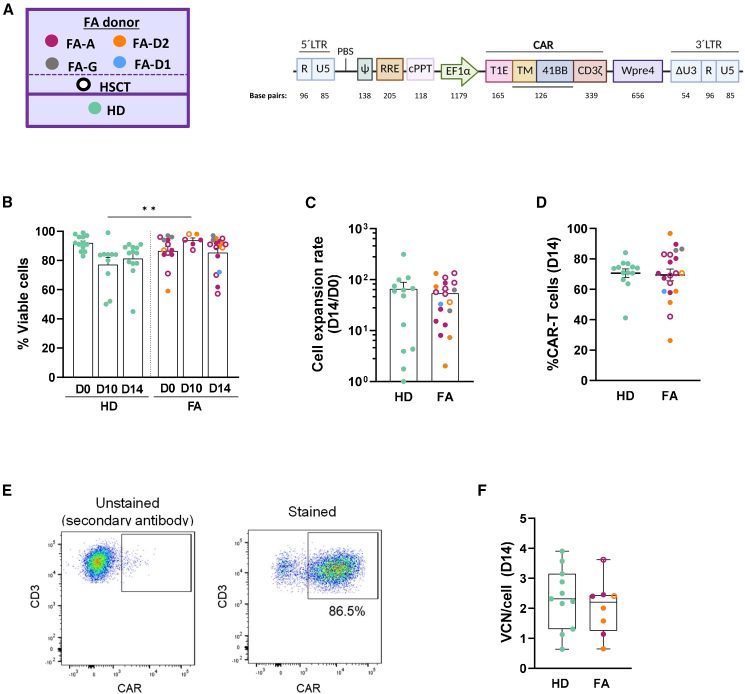 Figure 3
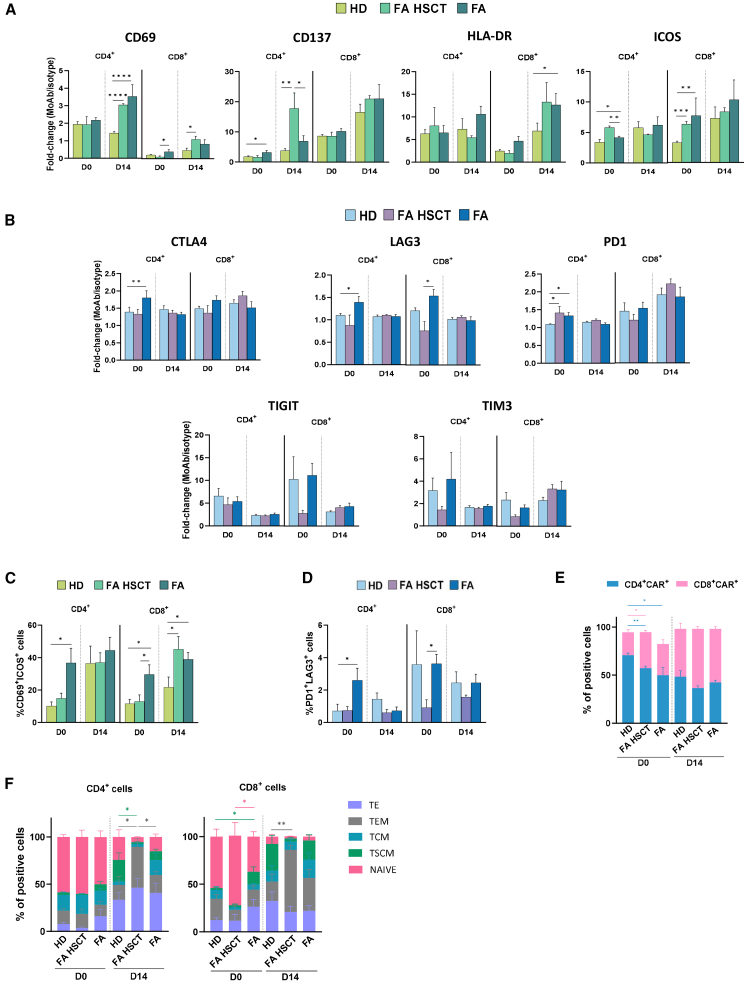 Figure 4
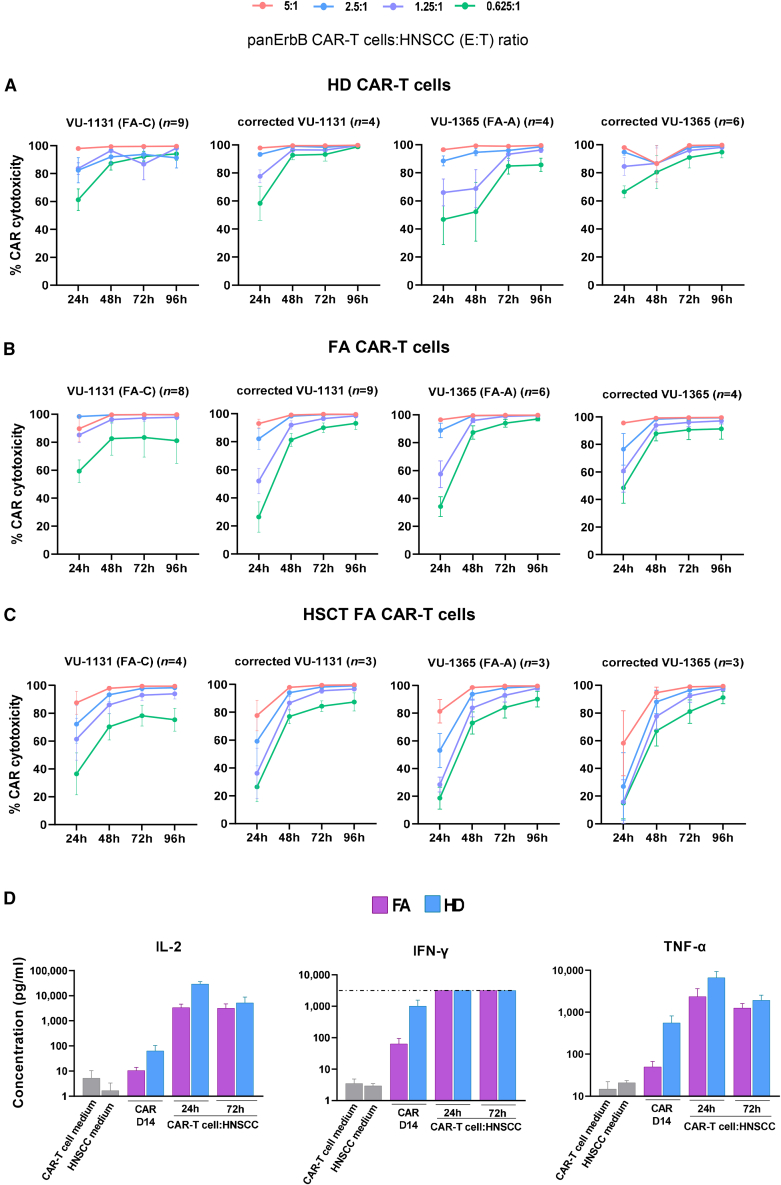 Figure 5
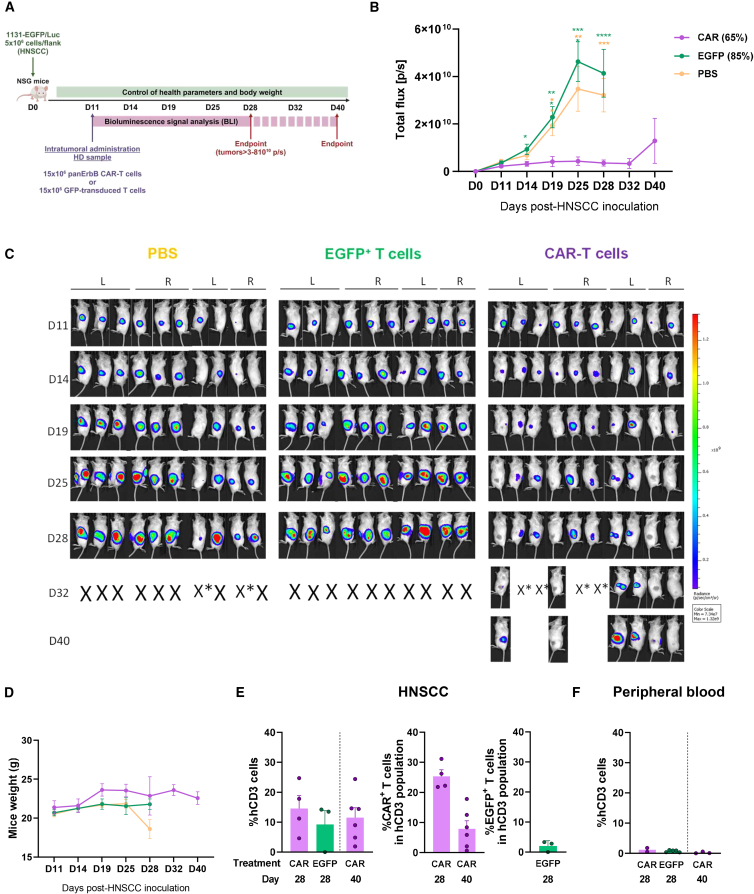 Figure 6
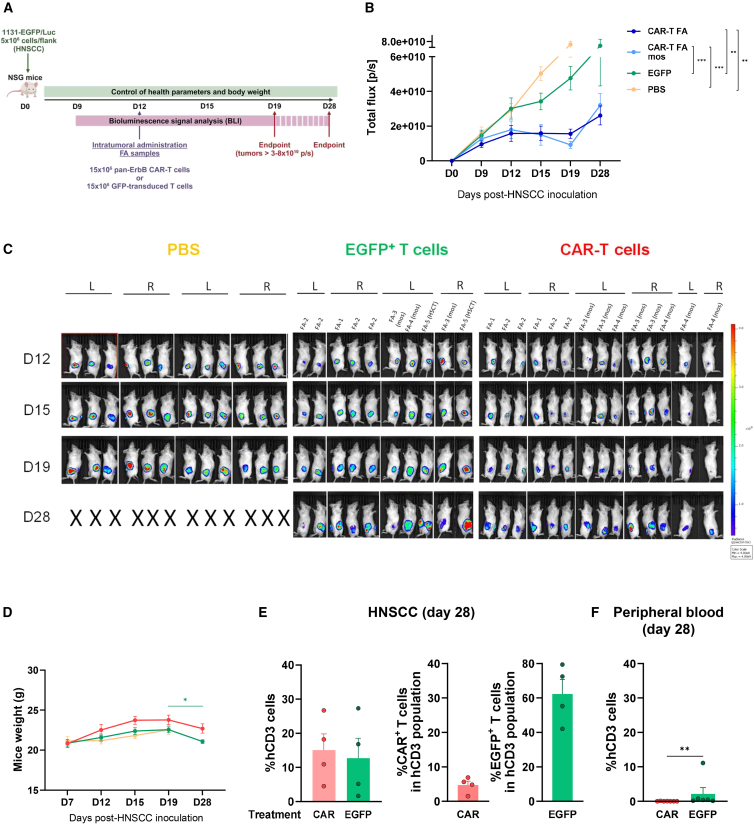 Figure 7
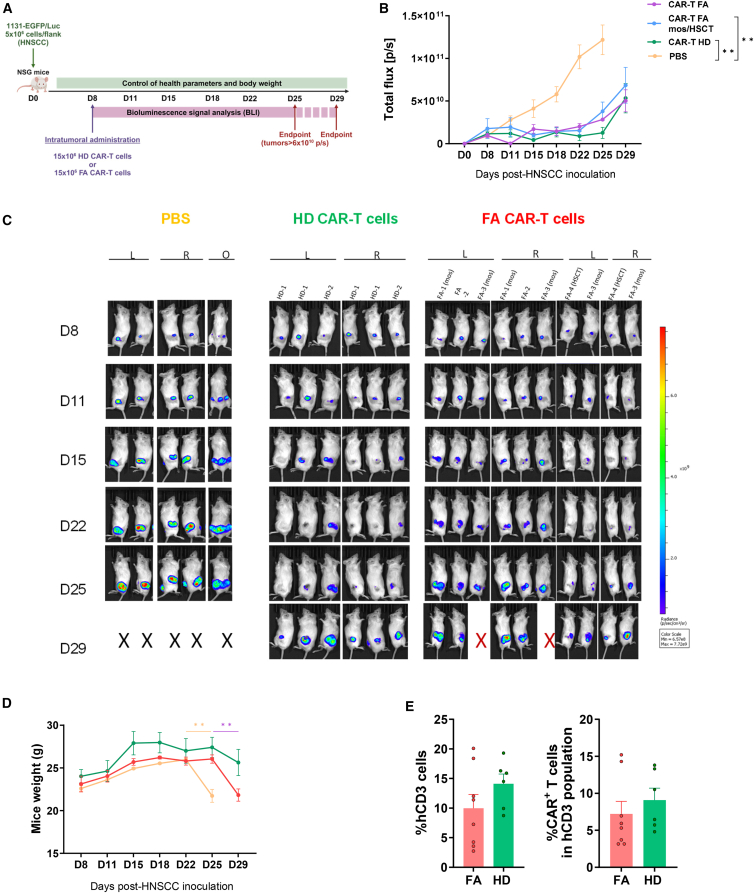 Figure 8
Peer Reviews
No public reviews on file for this paper yet. If you reviewed it on a platform where reviews are public (OpenReview, ICLR, NeurIPS, ICML), you can paste yours below so the community can read it here.
Videos
No videos yet. Explain this paper in a talk, walkthrough, or lecture? Add one.
Taxonomy
TopicsCAR-T cell therapy research · CRISPR and Genetic Engineering