Acute compartment syndrome in the hand due to cutaneous anthrax: Case report and literature review
Muhammed Kazez, Oğuz Kaya, Yasemi̇n Kırık, Ali̇ Sami̇ Şeker

TL;DR
A 71-year-old man with cutaneous anthrax developed acute compartment syndrome in his hand and was successfully treated with emergency surgery and antibiotics.
Contribution
This case report highlights the rare but serious complication of compartment syndrome in cutaneous anthrax and the importance of multidisciplinary care.
Findings
Cutaneous anthrax can progress to acute compartment syndrome despite antibiotic treatment.
Emergency fasciotomy prevented permanent damage and enabled successful recovery.
Early inpatient monitoring and collaboration between surgical and infectious disease teams were critical for treatment.
Abstract
Cutaneous anthrax, a rare but serious infection caused by the bacterium Bacillus anthracis, generally responds well to medical treatment. However, in some cases, it can lead to serious complications such as meningitis, septic shock, and compartment syndrome. This case report presents a 71-year-old male patient who developed cutaneous anthrax infection following an insect bite, followed by acute compartment syndrome. The patient initially presented with a painless skin lesion, but despite antibiotic treatment, the lesion rapidly deteriorated. The patient was admitted to the inpatient department, started on intravenous antibiotic therapy and closely monitored, but developed acute compartment syndrome in his hand. Emergency fasciotomy was performed to prevent complications of compartment syndrome, and good results were achieved with wound care and skin grafting. This case highlights the…
Genes, proteins, chemicals, diseases, species, mutations and cell lines named across the full text — each resolved to its canonical identifier and authoritative record.
Click any figure to enlarge with its caption.
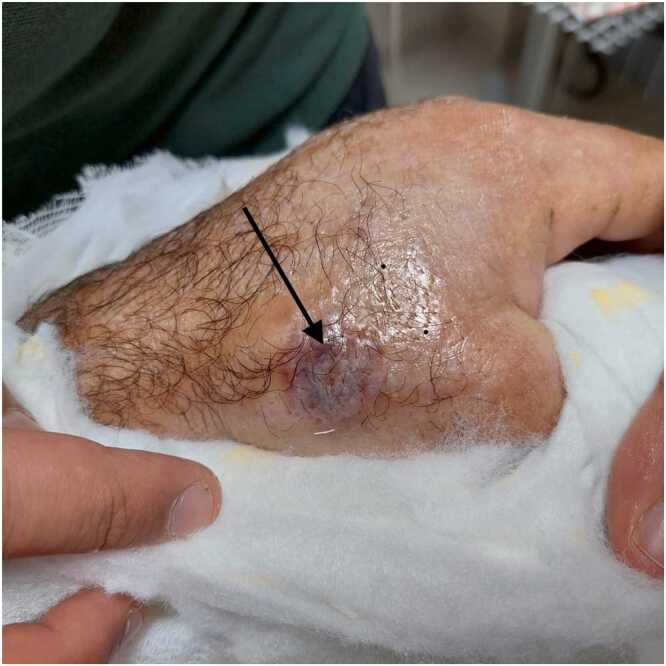 Figure 1
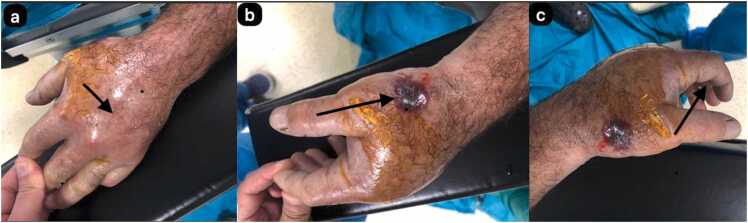 Figure 2
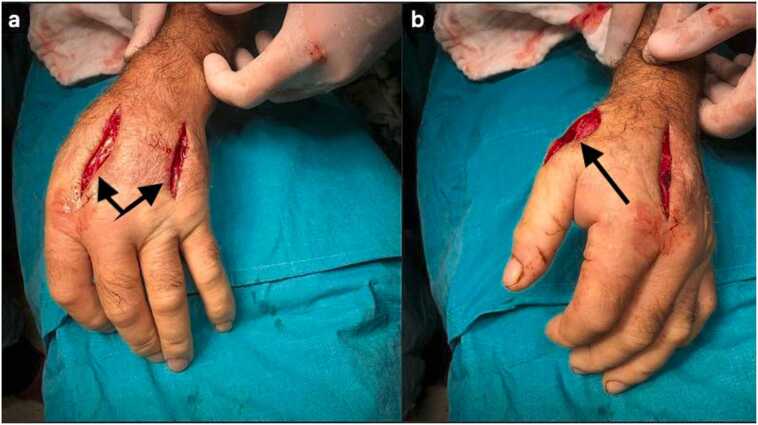 Figure 3
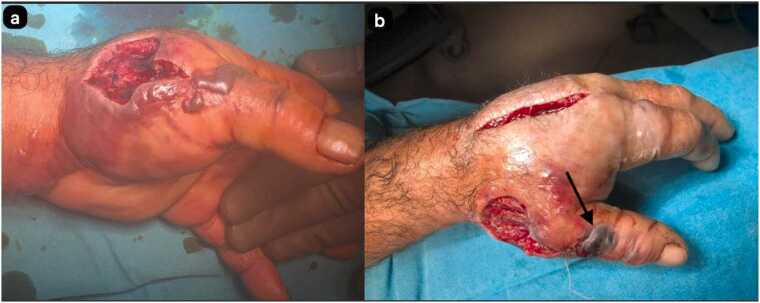 Figure 4
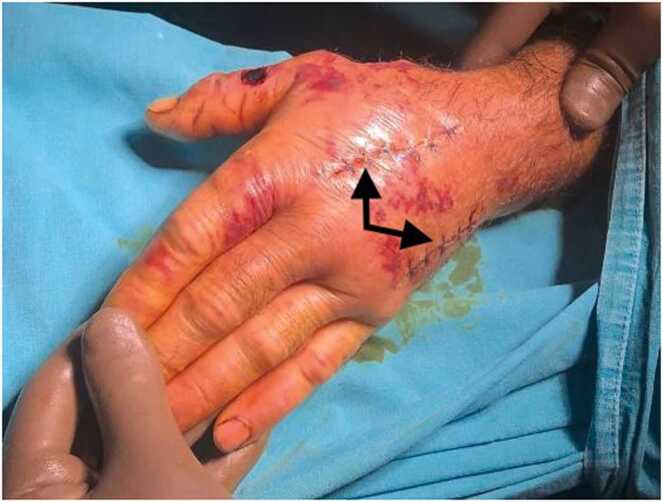 Figure 5
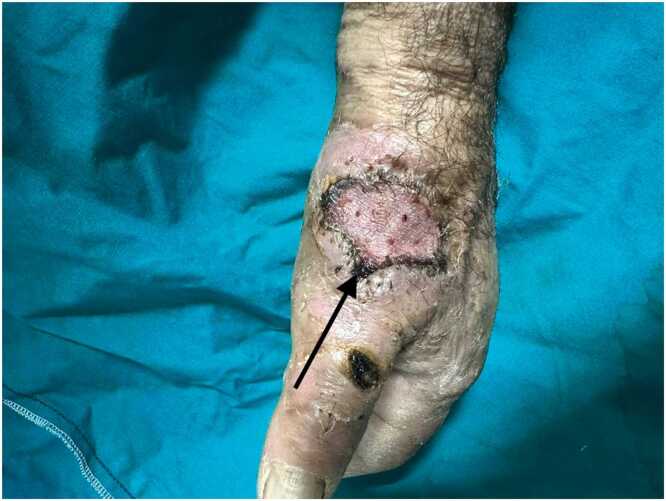 Figure 6
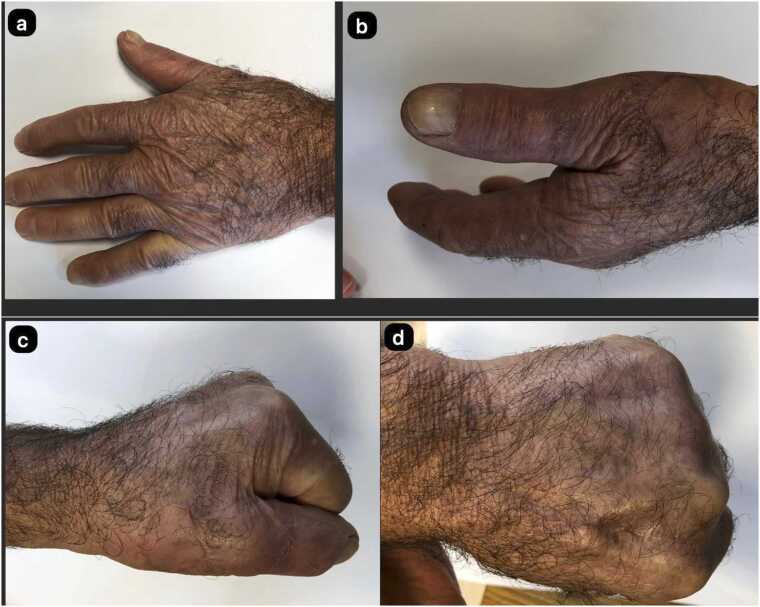 Figure 7
Peer Reviews
No public reviews on file for this paper yet. If you reviewed it on a platform where reviews are public (OpenReview, ICLR, NeurIPS, ICML), you can paste yours below so the community can read it here.
Videos
No videos yet. Explain this paper in a talk, walkthrough, or lecture? Add one.
Taxonomy
TopicsBacillus and Francisella bacterial research