Elucidating multifaceted targets of Marein in cerebral ischemia-reperfusion injury
Weidan Luo, Jian Wang, Ying Fan, Meng Yuan, Wanying Xie, Yang Su, Xingchun Wang, Yi Zhong, Yibo Zhang, Jiaxin Zhan, Xuan Mao, Xinyao Huang, Junxi Long, Xinrui Wang, Tingting Tang, Xingxia Wang

TL;DR
Marein, a flavonoid from Coreopsis tinctoria, may protect brain cells during stroke recovery by targeting specific proteins involved in inflammation and stress.
Contribution
This study identifies Marein's molecular targets and mechanisms in cerebral ischemia-reperfusion injury using computational and experimental approaches.
Findings
Marein binds to PTGS2, SRC, and EGFR with stable interactions and favorable binding free energies.
Marein reduces reactive oxygen species and downregulates PTGS2 and SRC in a cell model of CIRI.
Marein shows neuroprotective effects by modulating inflammatory and oxidative stress pathways.
Abstract
Cerebral ischemia-reperfusion injury (CIRI) is a major pathological event in stroke, leading to neuronal damage and neuroinflammation. Marein, a flavonoid derived from Coreopsis tinctoria, has demonstrated potential neuroprotective effects, yet its precise mechanisms in CIRI remain unclear. Marein-related targets were predicted using SwissTargetPrediction, and cerebral ischemia–reperfusion injury (CIRI)-related targets were obtained from GeneCards. Common targets were identified by Venn analysis, followed by protein–protein interaction network construction and GO/KEGG enrichment analysis. Molecular docking and 100-ns molecular dynamics simulations evaluated interactions between Marein/Edaravone and key targets (PTGS2, SRC, EGFR). In vitro, an oxygen–glucose deprivation/reperfusion model in HT22 cells was used to assess cell viability, reactive oxygen species production, and protein…
Genes, proteins, chemicals, diseases, species, mutations and cell lines named across the full text — each resolved to its canonical identifier and authoritative record.
Click any figure to enlarge with its caption.
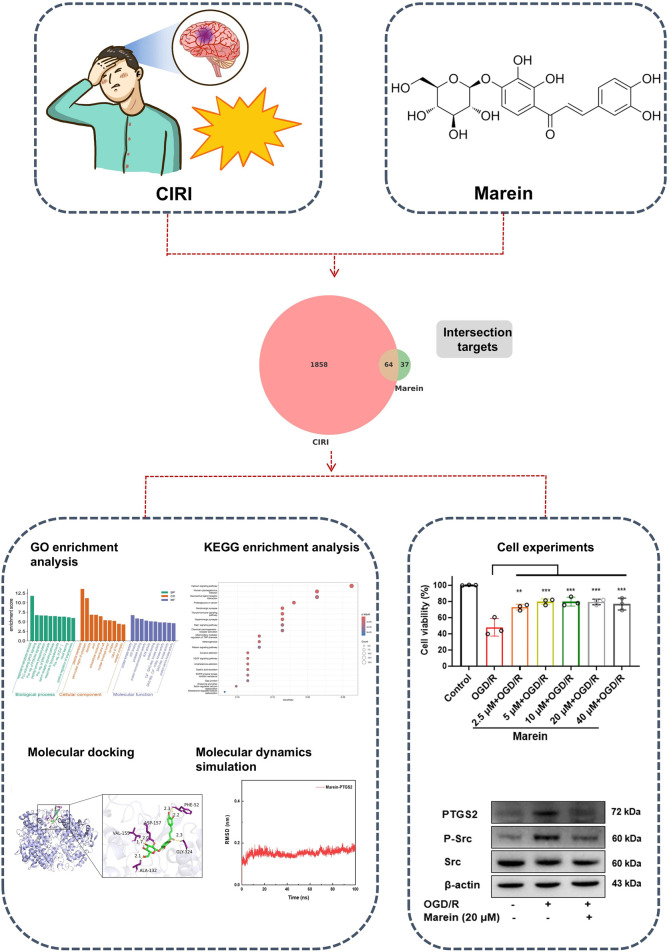 Figure 1
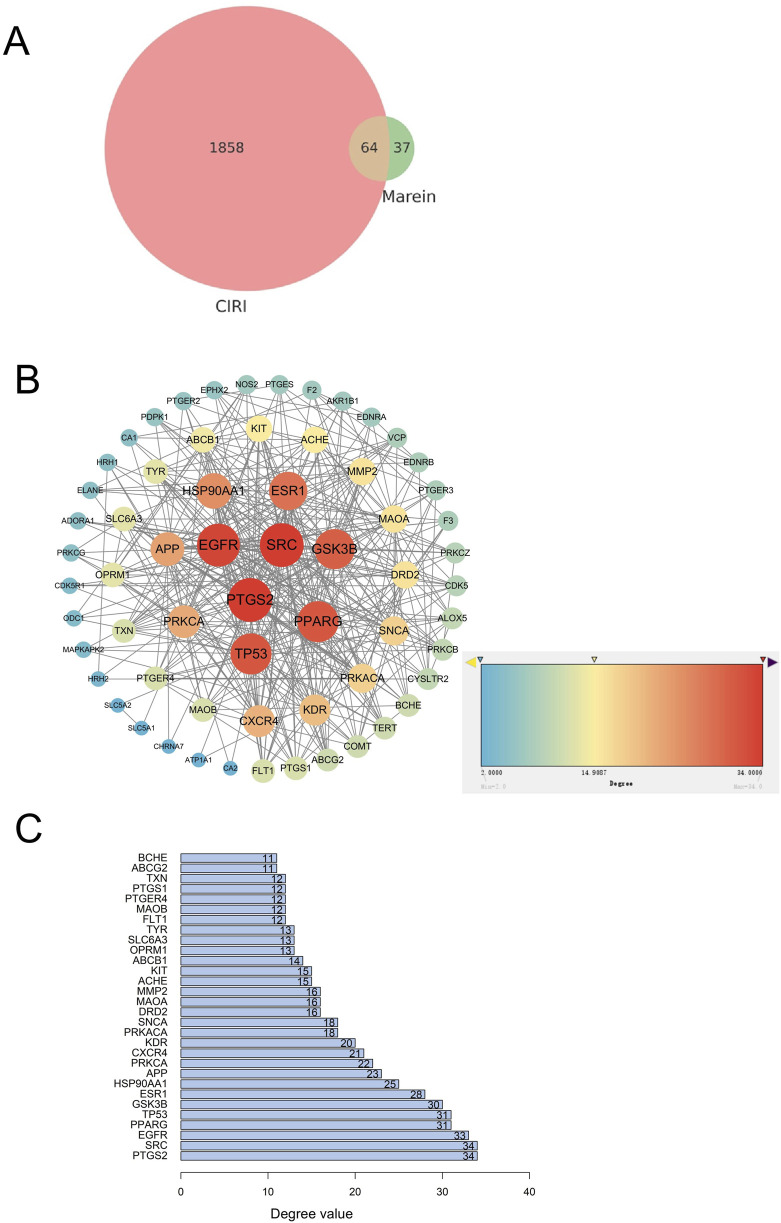 Figure 2
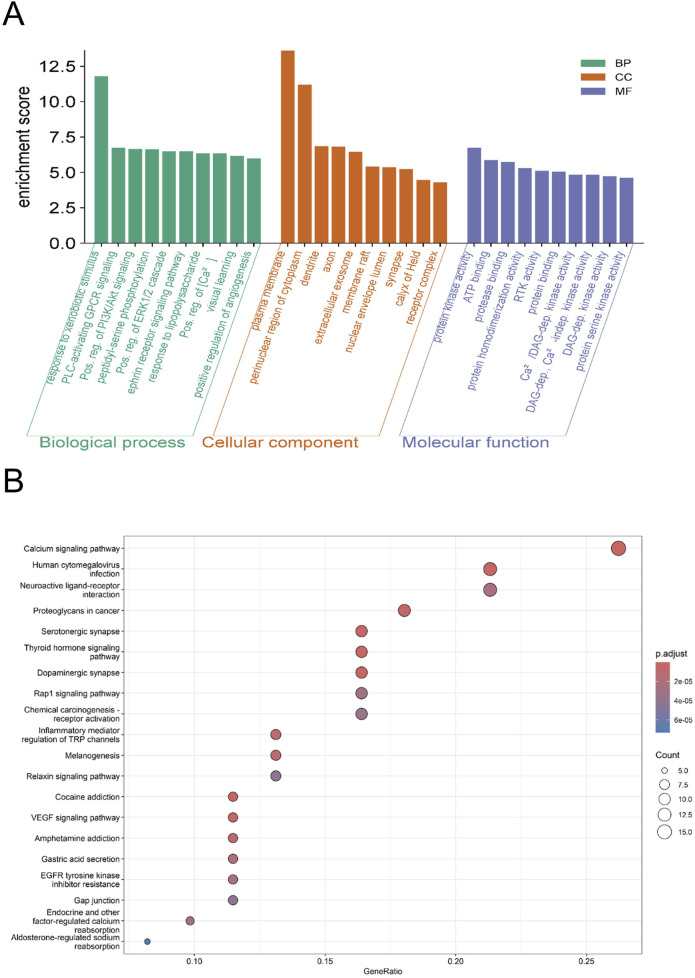 Figure 3
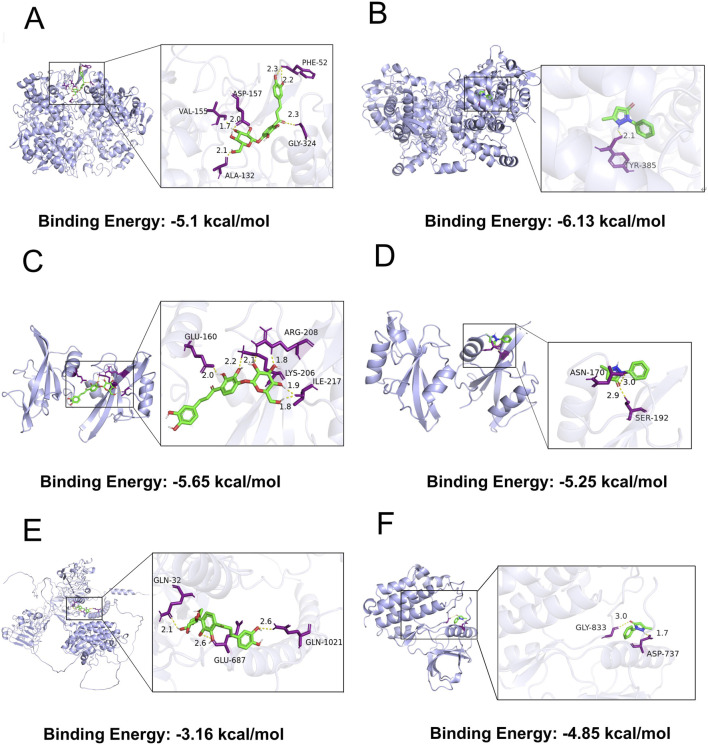 Figure 4
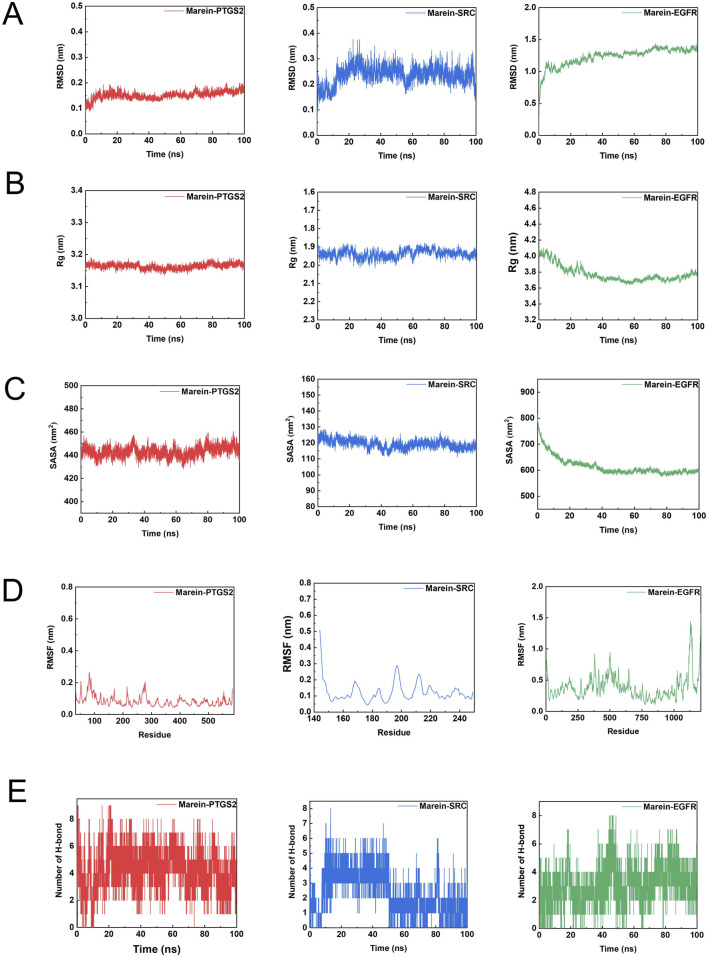 Figure 5
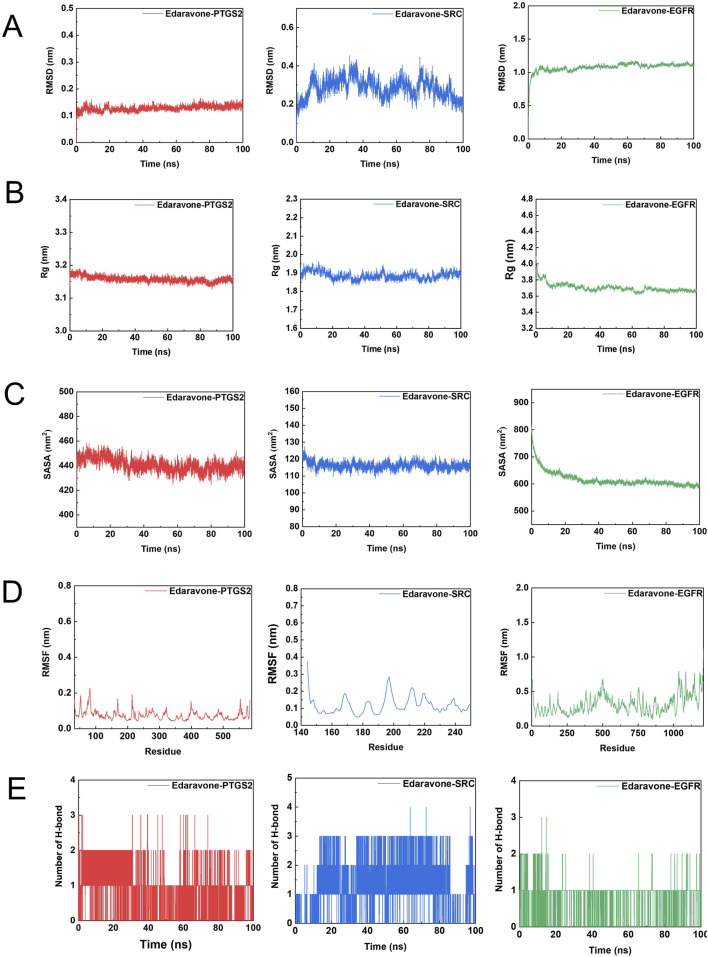 Figure 6
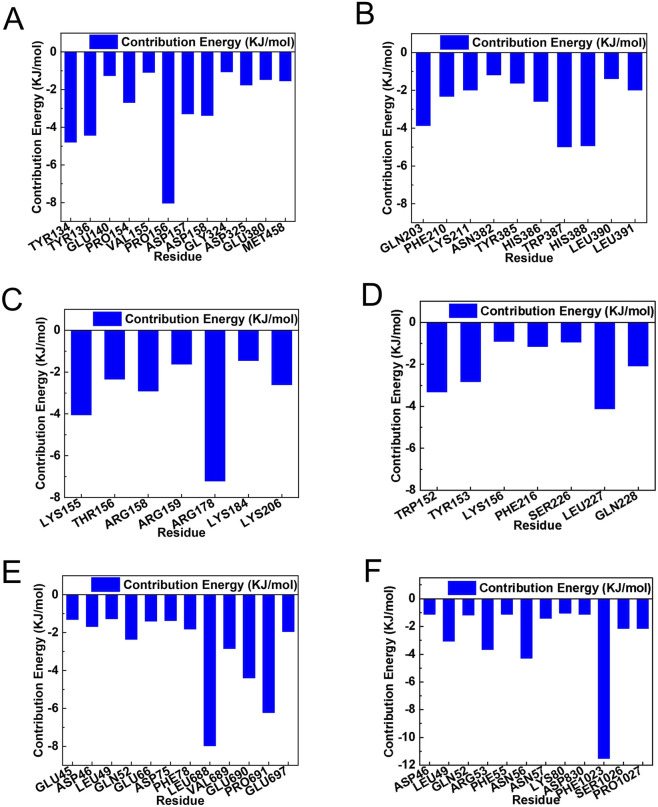 Figure 7
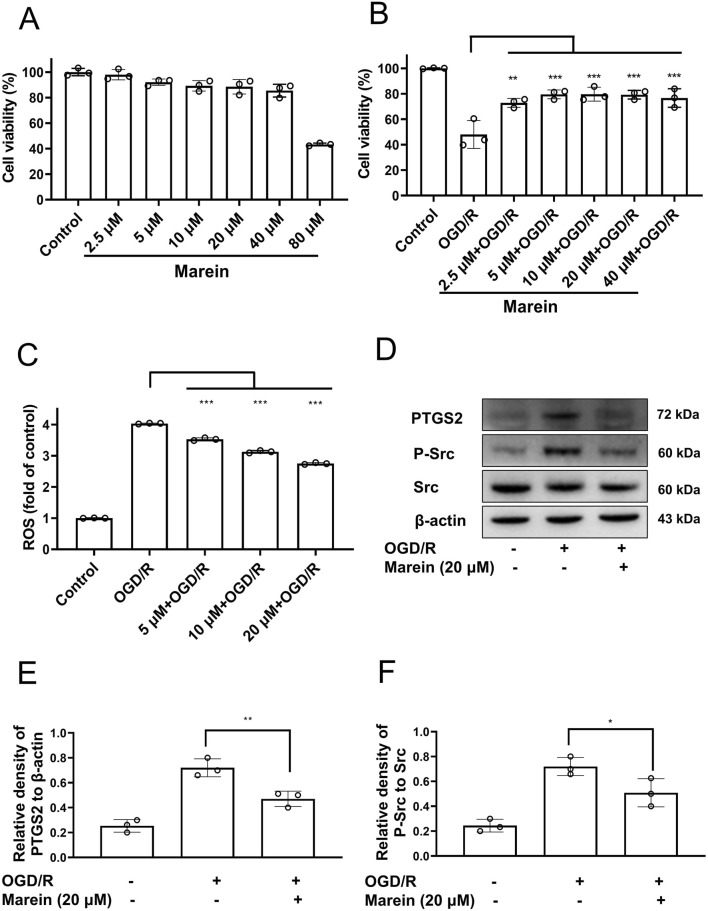 Figure 8
Peer Reviews
No public reviews on file for this paper yet. If you reviewed it on a platform where reviews are public (OpenReview, ICLR, NeurIPS, ICML), you can paste yours below so the community can read it here.
Videos
No videos yet. Explain this paper in a talk, walkthrough, or lecture? Add one.
Taxonomy
TopicsNeuroscience and Neuropharmacology Research · Computational Drug Discovery Methods · Mitochondrial Function and Pathology