Co-cultured sensory neuron classification using extracellular electrophysiology and machine learning approaches for enhancing analgesic screening
Alexander Somers, Bryan James Black

TL;DR
This paper explores using machine learning and electrophysiology to classify sensory neurons for better pain drug screening.
Contribution
A novel machine learning approach is proposed to classify responsive neurons in co-cultures for analgesic screening.
Findings
An RUS-boosted decision tree ensemble achieved an AUC-ROC of 0.877 in classifying nociceptors.
No single classifier outperformed others in accuracy, but the ensemble method showed strong performance.
Baseline neuronal activity was used effectively to train and validate classification models.
Abstract
Objective. Chronic pain affects over 20% of the adult population in the United States, posing a substantial personal as well as economic burden and contributing to the ongoing opioid crisis. Effective, non-addictive chronic pain treatments are urgently needed. Traditional drug discovery methods have failed to identify novel, non-addictive compounds, highlighting the need for alternative approaches such as phenotypic screening. Our lab developed a phenotypic screening assay using extracellular electrophysiological recordings from co-cultures of human induced pluripotent stem cell sensory neurons and glia. This study aimed to identify responsive neuronal subtypes within these presumptively heterogeneous cultures. Approach. We induced an inflammation-like state using tumor necrosis factor alpha and evaluated acute responses to nociceptor agonist capsaicin, which targets transient receptor…
Genes, proteins, chemicals, diseases, species, mutations and cell lines named across the full text — each resolved to its canonical identifier and authoritative record.
Click any figure to enlarge with its caption.
 Figure 1
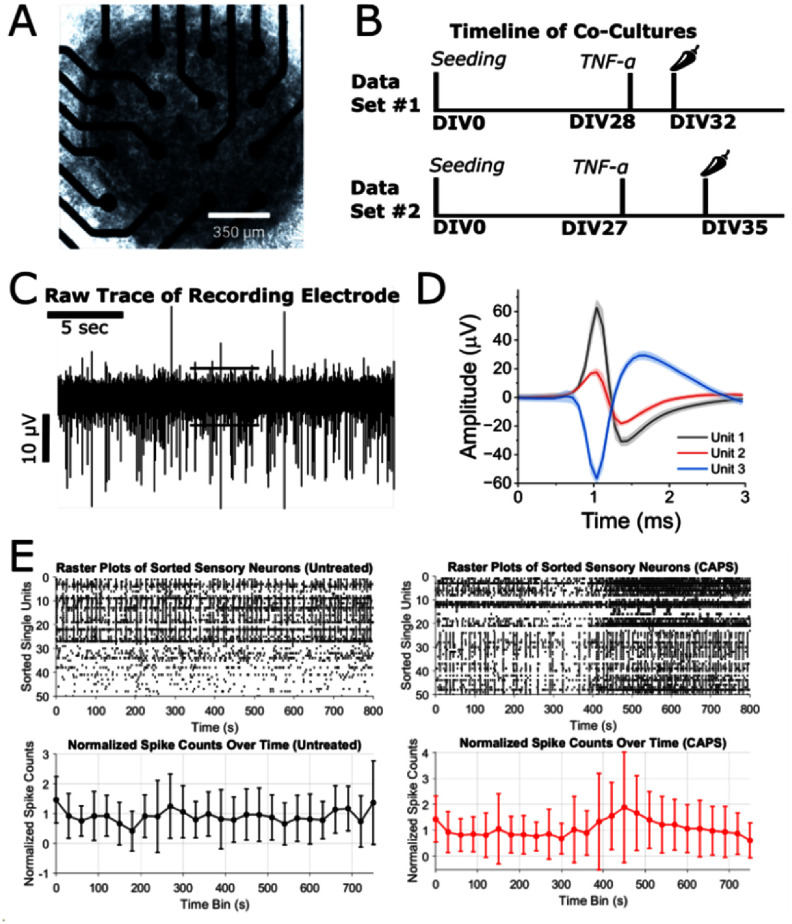 Figure 2
 Figure 3
 Figure 4
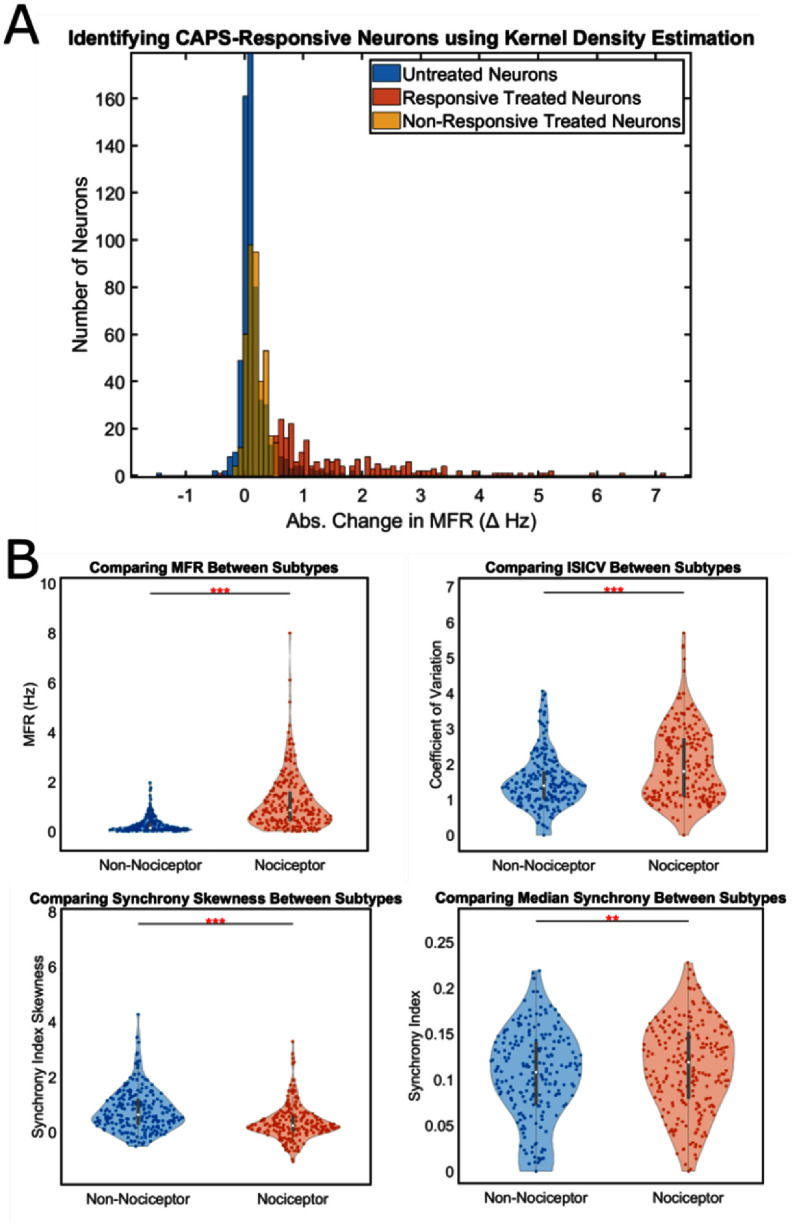 Figure 5
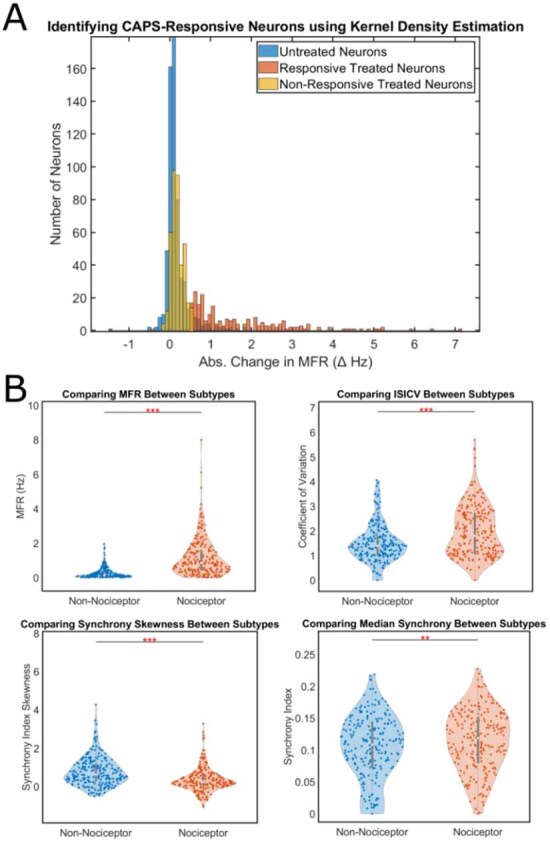 Figure 6
 Figure 7
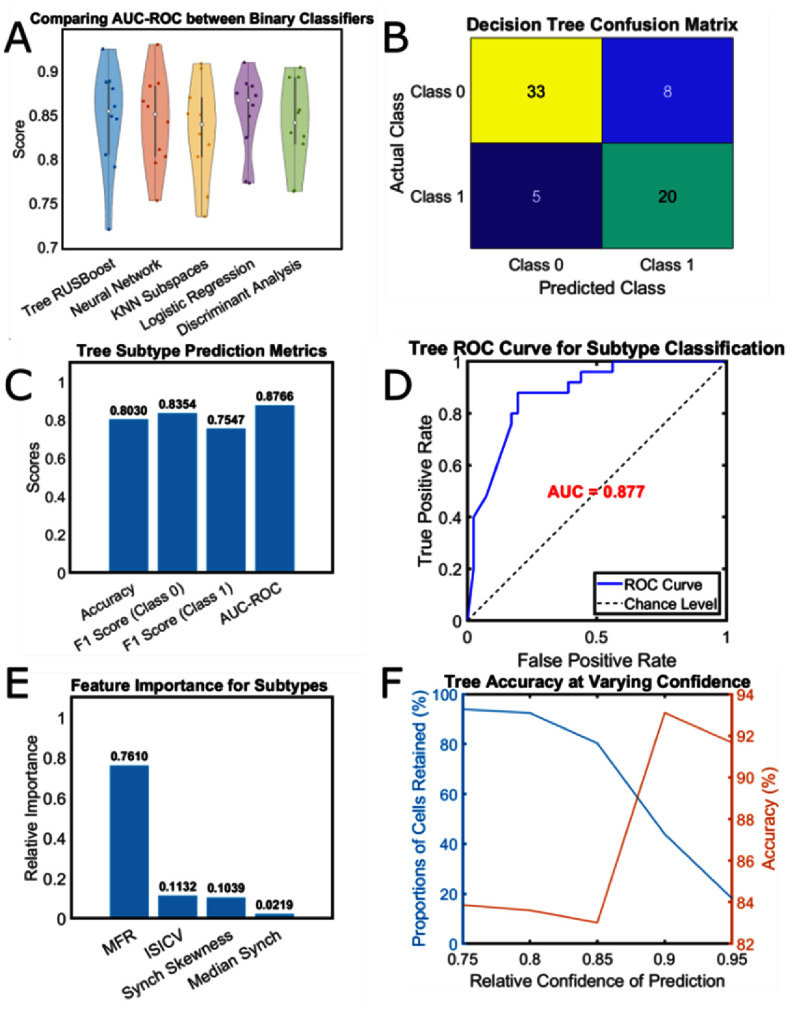 Figure 8
 Figure 9
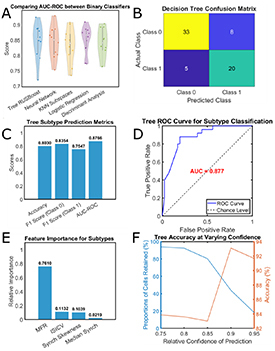 Figure 10
 Figure 11
 Figure 12
 Figure 13
Peer Reviews
No public reviews on file for this paper yet. If you reviewed it on a platform where reviews are public (OpenReview, ICLR, NeurIPS, ICML), you can paste yours below so the community can read it here.
Videos
No videos yet. Explain this paper in a talk, walkthrough, or lecture? Add one.
Taxonomy
TopicsNeuroscience and Neural Engineering · 3D Printing in Biomedical Research · Neural dynamics and brain function