Antidiabetic Activity and Inhibitory Effects of Derivatives of Advanced Aminoguanidine Glycation
Patrícia de Albuquerque Sarmento, Andressa Letícia Lopes da Silva, Edeildo Ferreira da Silva-Júnior, Elita Scio, Danielle Maria de Oliveira Aragão, Êurica Adélia Nogueira Ribeiro, Érica Erlanny da Silva Rodrigues, Pedro Gregório Vieira Aquino, Bárbara Viviana de Oliveira Santos

TL;DR
This study explores modified versions of aminoguanidine to reduce diabetes complications by lowering blood sugar and preventing harmful chemical reactions in the body.
Contribution
The paper introduces 19 new aminoguanidine derivatives with potential antidiabetic and antiglycant effects.
Findings
Some derivatives showed reduced cytotoxicity and effective antiglycant activity in vitro.
In vivo tests revealed potential antidiabetic effects and protection against diabetes-related complications.
Histopathological and biochemical analyses confirmed the safety and efficacy of selected derivatives.
Abstract
Aminoguanidine is a drug that prevents the formation of AGEs by reacting with initial glycation products and is effective in improving proteinuria and vessel elasticity, preventing diabetic retinopathy, and treating patients with diabetic nephropathy. Structural modifications of this molecule were carried out, and 19 derivatives were studied to present a potential hypoglycemic and antiglicante effect, preventing such complications for diabetics. For this purpose, an in vitro cytotoxicity test was initially carried out by colorimetric assay with MTT [3-(4,5-dimethylthiazol-2-yl)-2,5 diphenyltetrazolium], in macrophages of the J774 lineage. The AGEs were produced in vitro from the junction of glucose with bovine serum albumin and tested for evaluation of the antiglicante activity with reading in a fluorescence spectrophotometer. Derivatives with the best in vitro response were submitted…
Genes, proteins, chemicals, diseases, species, mutations and cell lines named across the full text — each resolved to its canonical identifier and authoritative record.
Click any figure to enlarge with its caption.
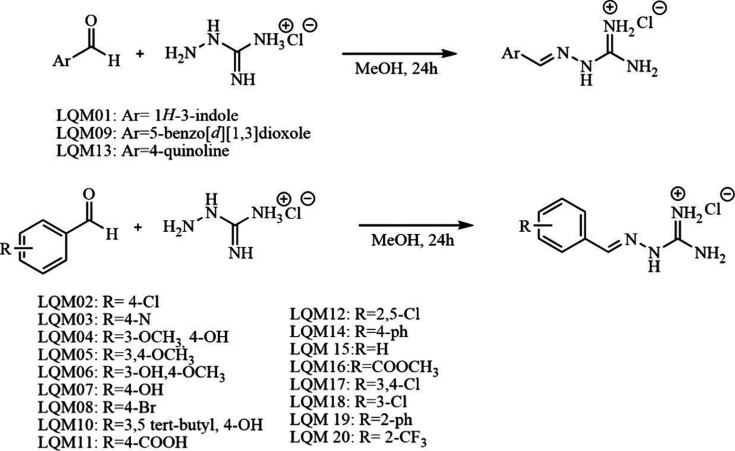 Figure 1
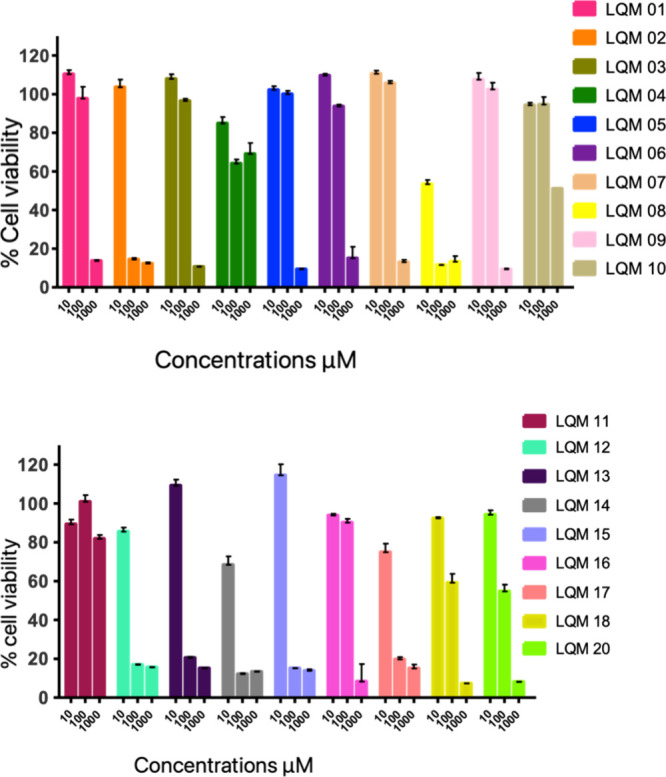 Figure 2
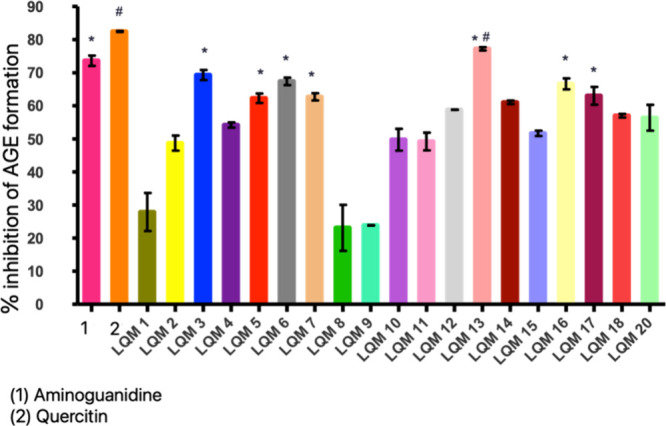 Figure 3
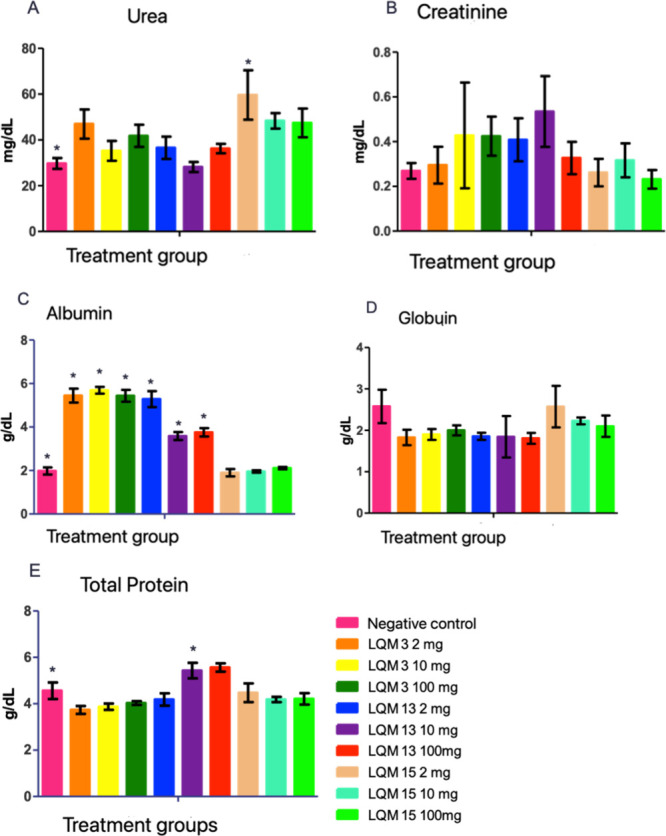 Figure 4
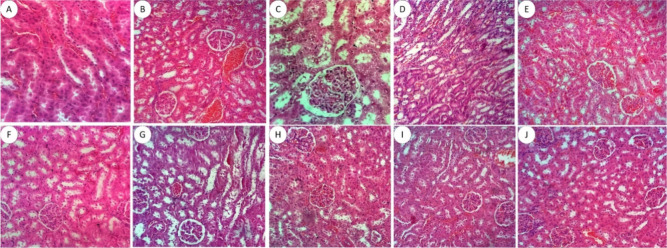 Figure 5
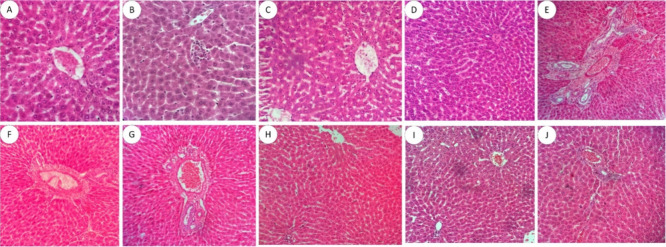 Figure 6
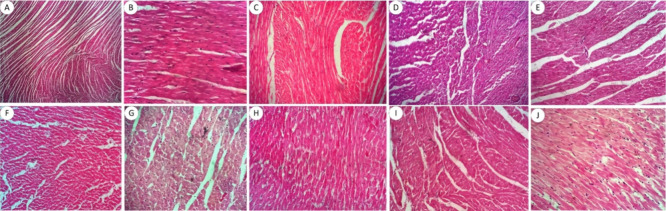 Figure 7
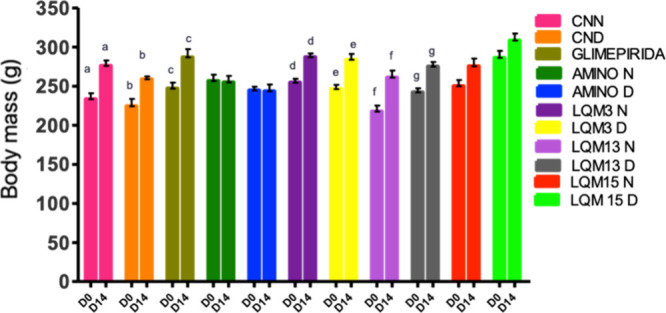 Figure 8
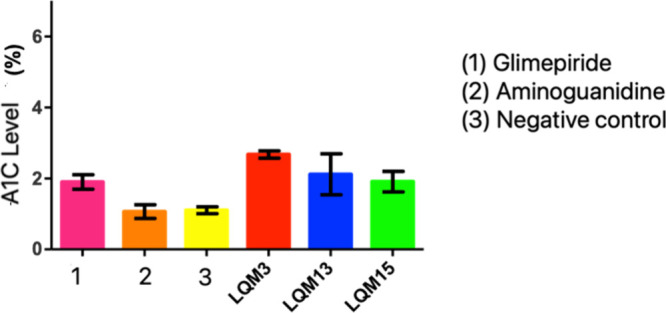 Figure 9
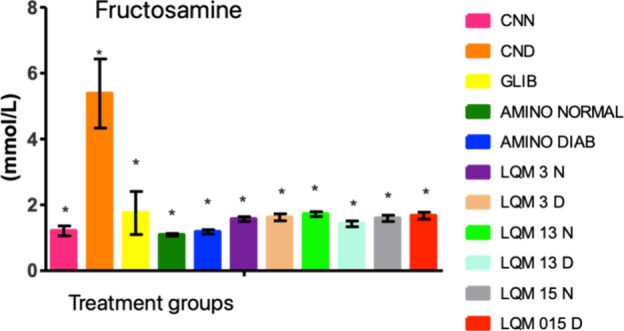 Figure 10
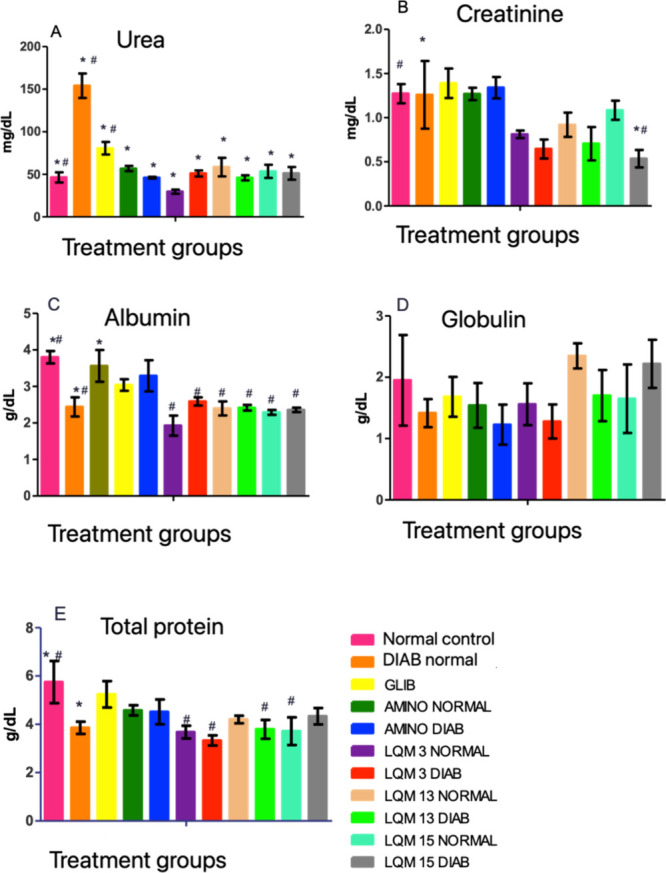 Figure 11
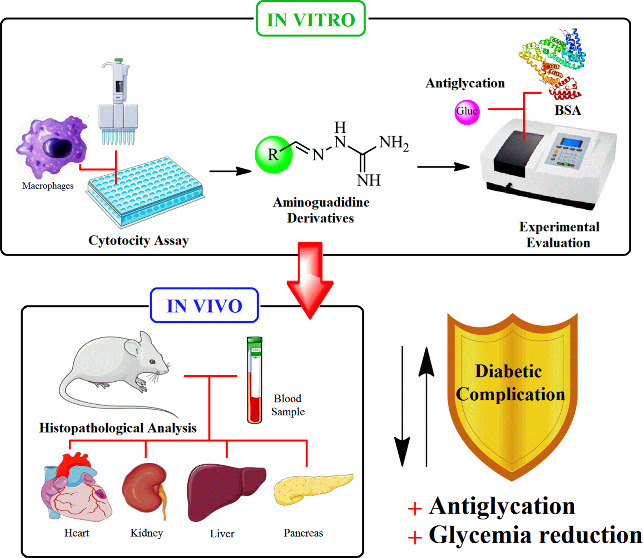 Figure 12
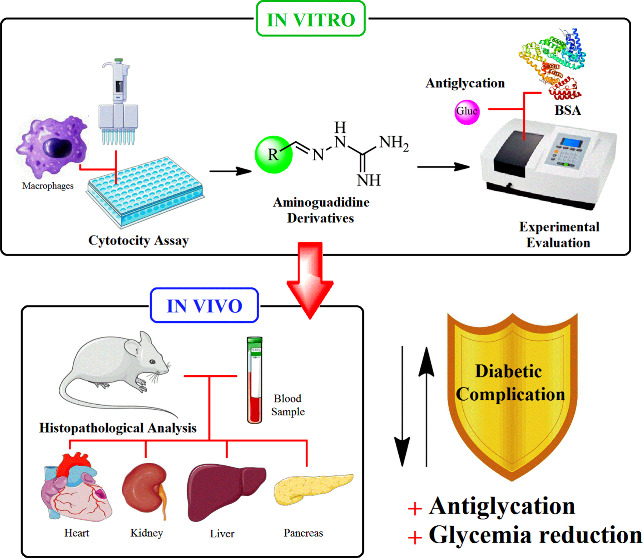 Figure 13
 Figure 14
 Figure 15
Peer Reviews
No public reviews on file for this paper yet. If you reviewed it on a platform where reviews are public (OpenReview, ICLR, NeurIPS, ICML), you can paste yours below so the community can read it here.
Videos
No videos yet. Explain this paper in a talk, walkthrough, or lecture? Add one.
Taxonomy
TopicsAdvanced Glycation End Products research · Natural Antidiabetic Agents Studies · Ginkgo biloba and Cashew Applications