NMR Analysis and Assignment of a Biosynthesis Gene Cluster for Trichokonins VI and VIII, Antiplasmodial Large Peptaibols Produced by a Trichoderma sp. Fungus
Ariane F. Bertonha, David E. Williams, Karen J. Nicacio, Marcelo R. de Amorim, Sydney M. Schoellhorn, Anna Caroline C. Aguiar, Talita Alvarenga Valdes, Giovana Rossi Mendes, Igor M. R. Moura, Lamonielli F. Michaliski, Matheus Gotha, Caue A. W. Zuccarino, Lara D. Sette

TL;DR
This paper fully characterizes two large peptaibols, trichokonins VI and VIII, using NMR and other methods, and identifies their biosynthesis gene cluster in a Trichoderma fungus.
Contribution
The first full NMR-based characterization of trichokonins VI and VIII and the identification of their biosynthesis gene cluster.
Findings
Trichokonins VI and VIII were fully characterized using NMR, ECD, and HRMS/MS data.
A peptaibol biosynthesis gene cluster was identified in the Trichoderma sp. L2-2 genome.
Trichokonins VI and VIII showed antiplasmodial activity against Plasmodium falciparum at submicromolar concentrations.
Abstract
Peptaibols are modified linear peptides that typically include an acyl fragment connected at the N-terminal moiety, a reduced acid extremity and α-aminoisobutyric acid residues as common features, as well as other structural modifications. Peptaibols very often display potent biological activity, in particular, antimicrobial activity. Trichokonins VI (1) and VIII (2) are large peptaibols composed of 20 amino acids, which were previously only characterized by analysis of MS/MS data. We herein report the first full characterization of trichokonins VI (1) and VIII (2) by analysis of NMR data, along with an analysis by electronic circular dichroism and HRMS/MS data. Also, full genome sequencing and analysis of Trichoderma sp. L2-2 allowed us to identify a peptaibol biosynthesis gene cluster and the proposal for a biosynthetic assembly of trichokonins VI and VIII. Trichokonins VI and VIII…
Genes, proteins, chemicals, diseases, species, mutations and cell lines named across the full text — each resolved to its canonical identifier and authoritative record.
Click any figure to enlarge with its caption.
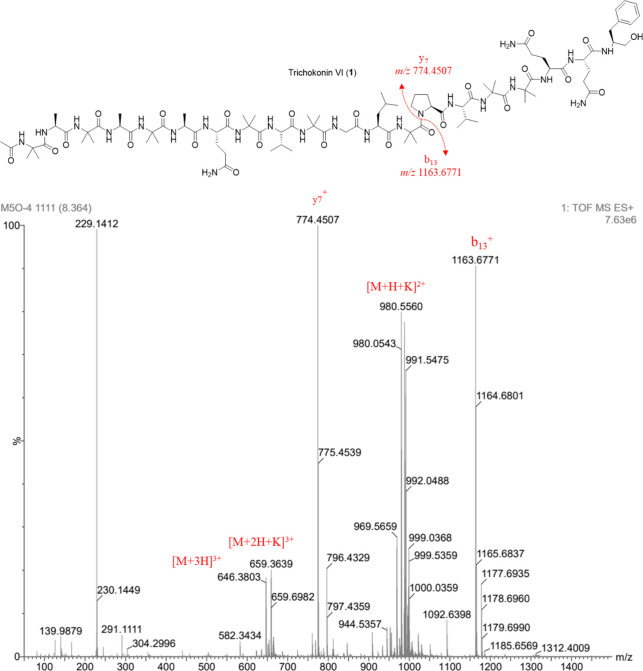 Figure 1
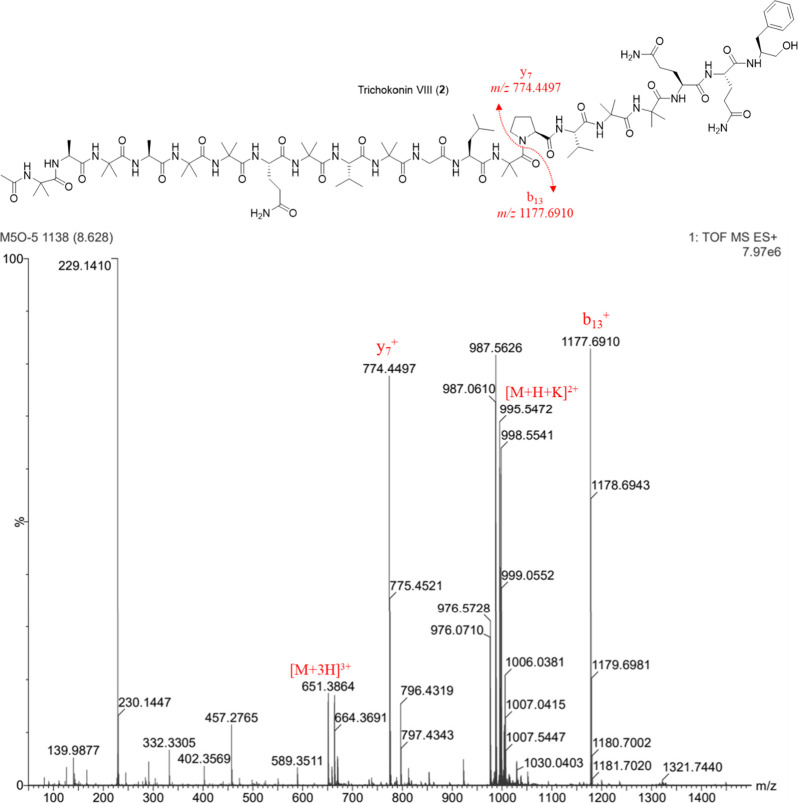 Figure 2
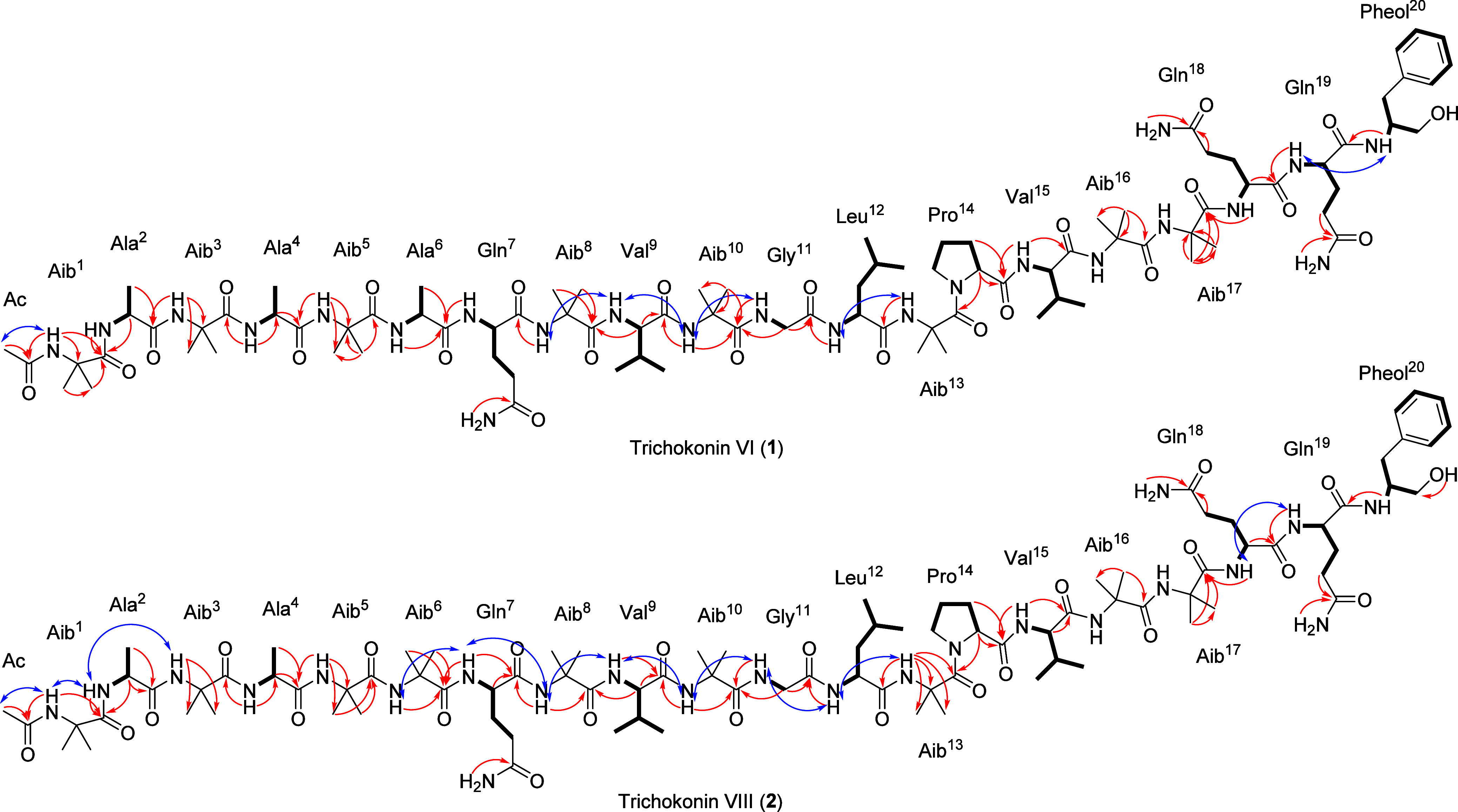 Figure 3
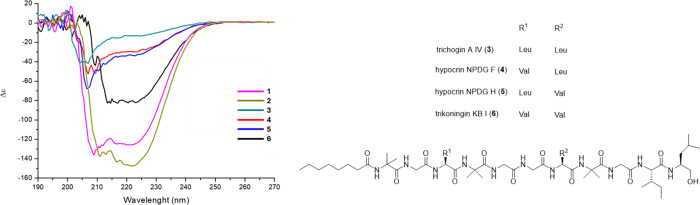 Figure 4
 Figure 5
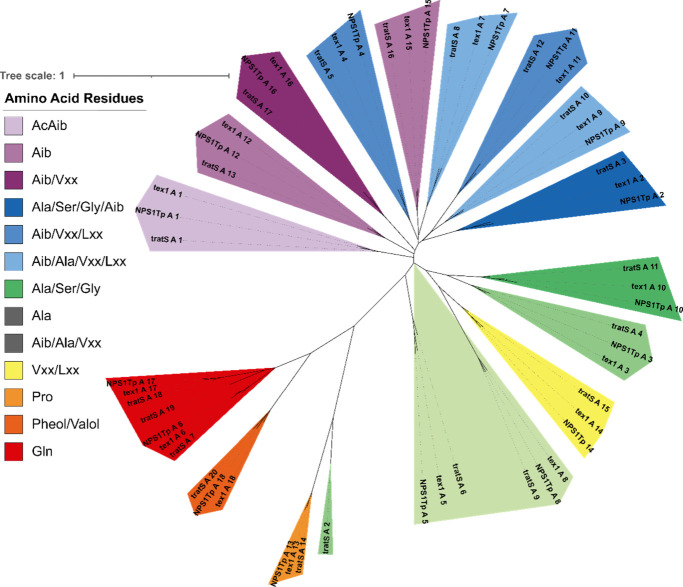 Figure 6
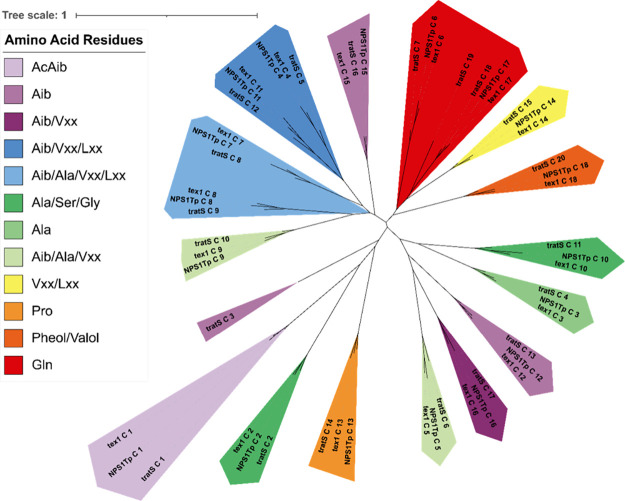 Figure 7
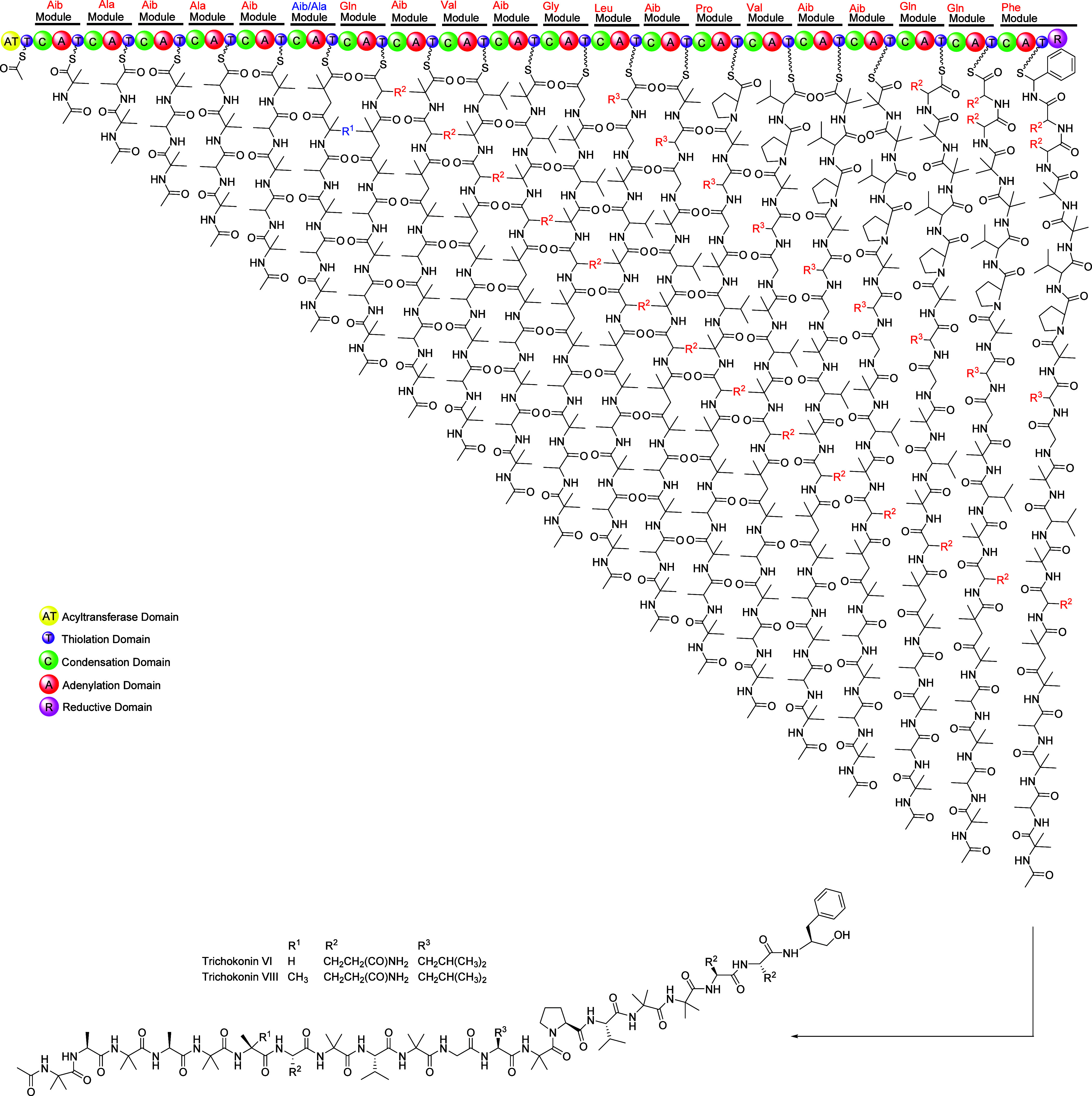 Figure 8
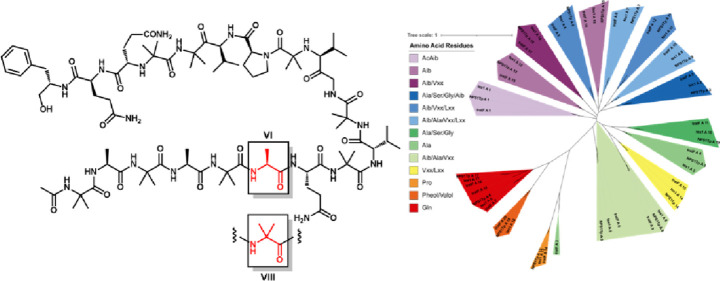 Figure 9
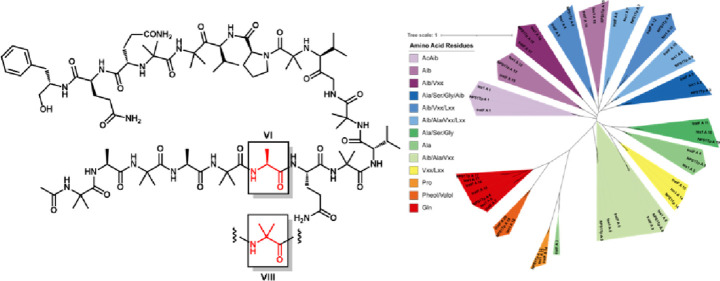 Figure 10
Peer Reviews
No public reviews on file for this paper yet. If you reviewed it on a platform where reviews are public (OpenReview, ICLR, NeurIPS, ICML), you can paste yours below so the community can read it here.
Videos
No videos yet. Explain this paper in a talk, walkthrough, or lecture? Add one.
Taxonomy
TopicsMicrobial Natural Products and Biosynthesis · Carbohydrate Chemistry and Synthesis · Traditional and Medicinal Uses of Annonaceae