Ugi and Groebke–Blackburn–Bienaymé Reactions in Medicinal Chemistry: An Outlook on New Bioactive Compounds
Gustavo Barbosa-Reis, Julia Lavorenti, Bruna Lorentz Alves, Diogo Oliveira-Silva

TL;DR
This paper reviews recent uses of Ugi and Groebke–Blackburn–Bienaymé reactions to create new bioactive compounds for drug development.
Contribution
The paper highlights the versatility of isocyanide-based reactions in generating diverse bioactive scaffolds for medicinal chemistry.
Findings
Ugi and Groebke–Blackburn–Bienaymé reactions are effective for synthesizing complex drug-like molecules from simple precursors.
Recent studies show these reactions can produce anticancer, antiviral, antimicrobial, and antiparasitic compounds.
Modifications to these compounds impact their biological activity and cytotoxicity.
Abstract
The FDA has approved 174 new molecular entities over the last 5 years. In 2023, the anticancer and infectious disease areas represented an impressive percentage of drug approvals, 24% and 9%, respectively, following the decade’s trends. This reflects the pharmaceutical industry’s increasing demand for novel compounds, particularly in these fields. Isocyanide-based multicomponent reactions, such as Ugi and Groebke–Blackburn–Bienaymé reactions, stand out for their versatility in obtaining different bioactive scaffolds using simpler starting materials. A large array of complex scaffold molecules can be obtained by using a multicomponent synthesis step. For this reason, this mini-review summarizes some recent works that employed this approach to afford new anticancer, antiviral, antimicrobial, and antiparasitic compounds. In each case, how the modifications impact activity or cytotoxicity…
Genes, proteins, chemicals, diseases, species, mutations and cell lines named across the full text — each resolved to its canonical identifier and authoritative record.
Click any figure to enlarge with its caption.
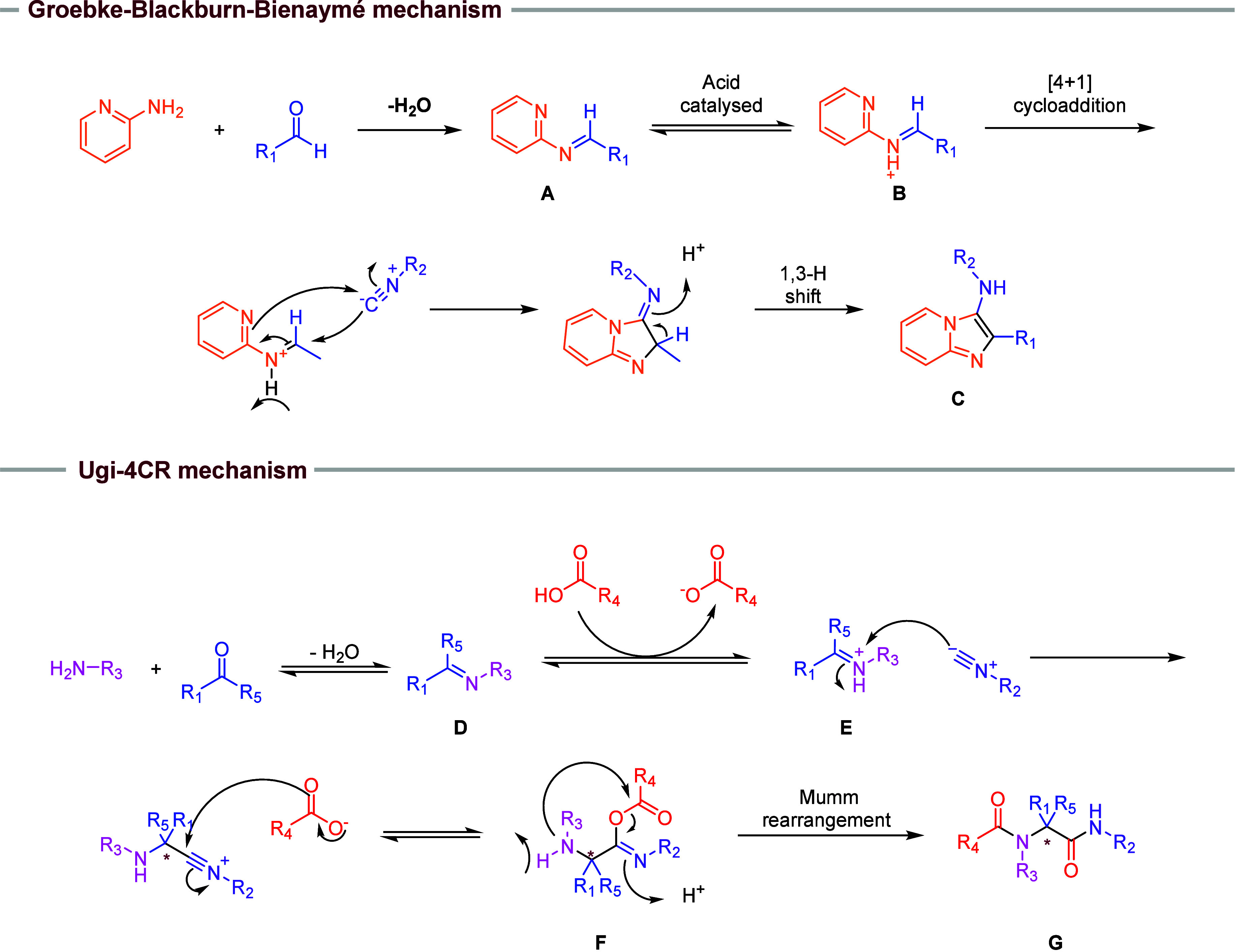 Figure 1
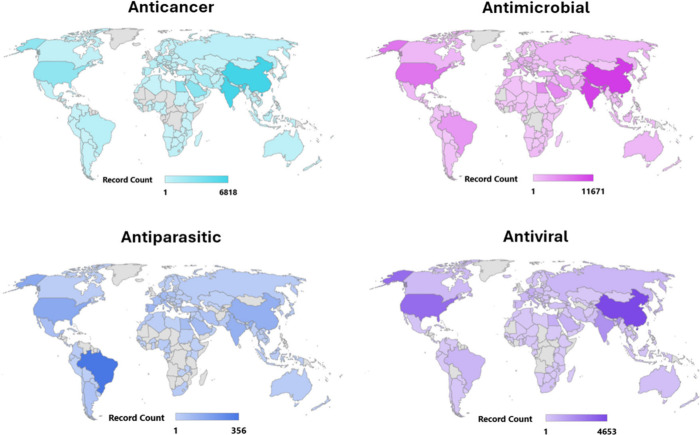 Figure 2
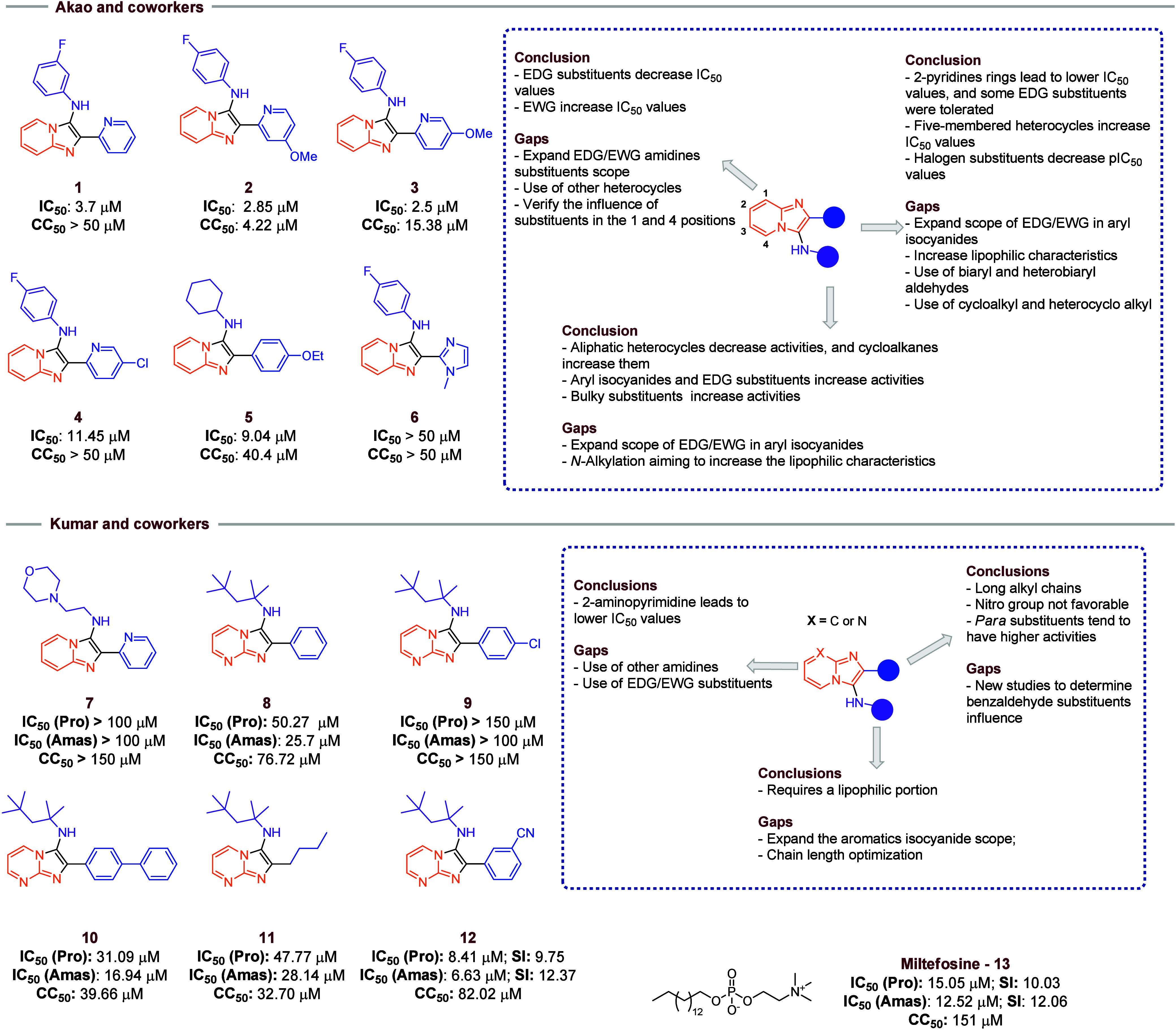 Figure 3
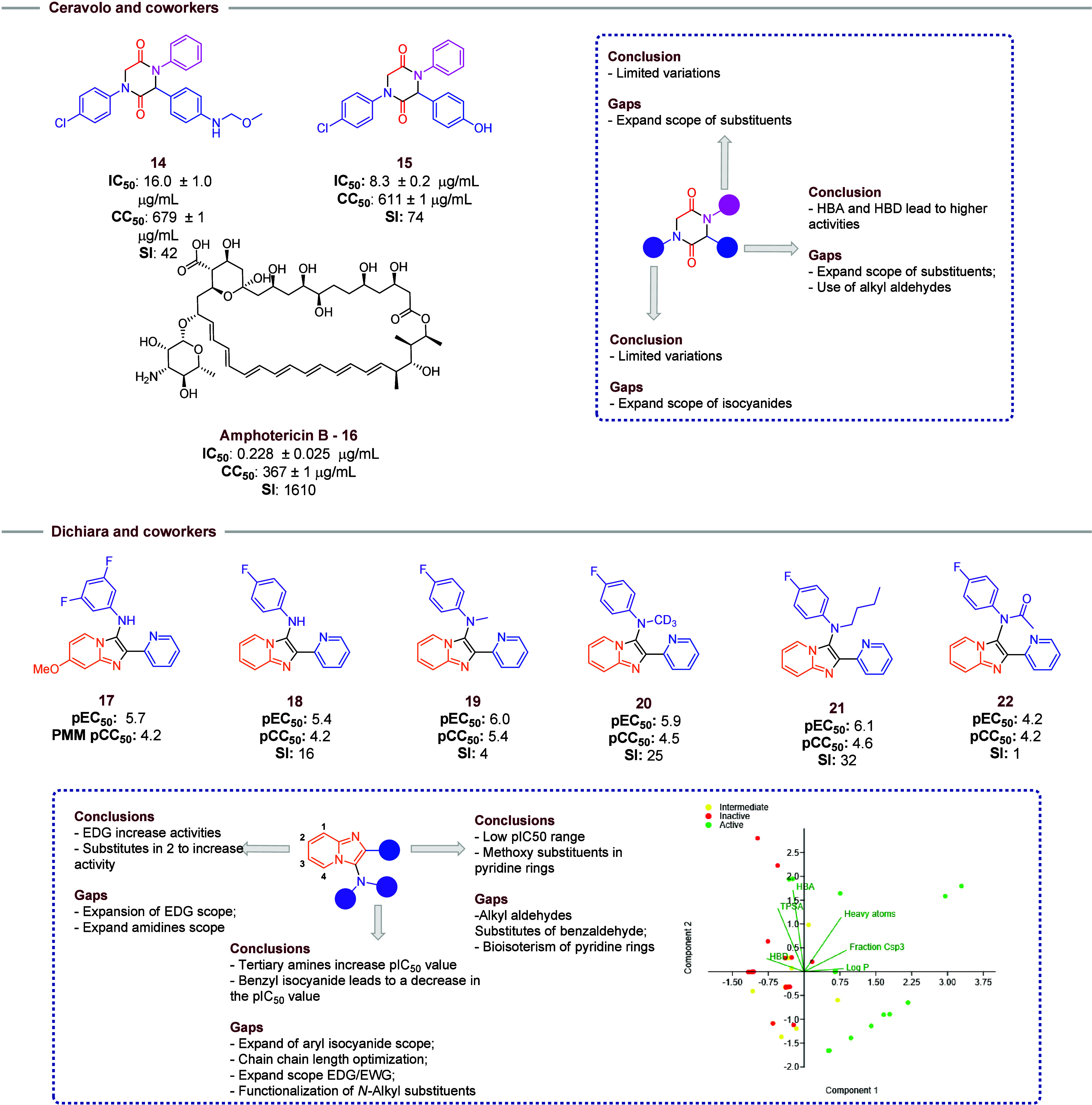 Figure 4
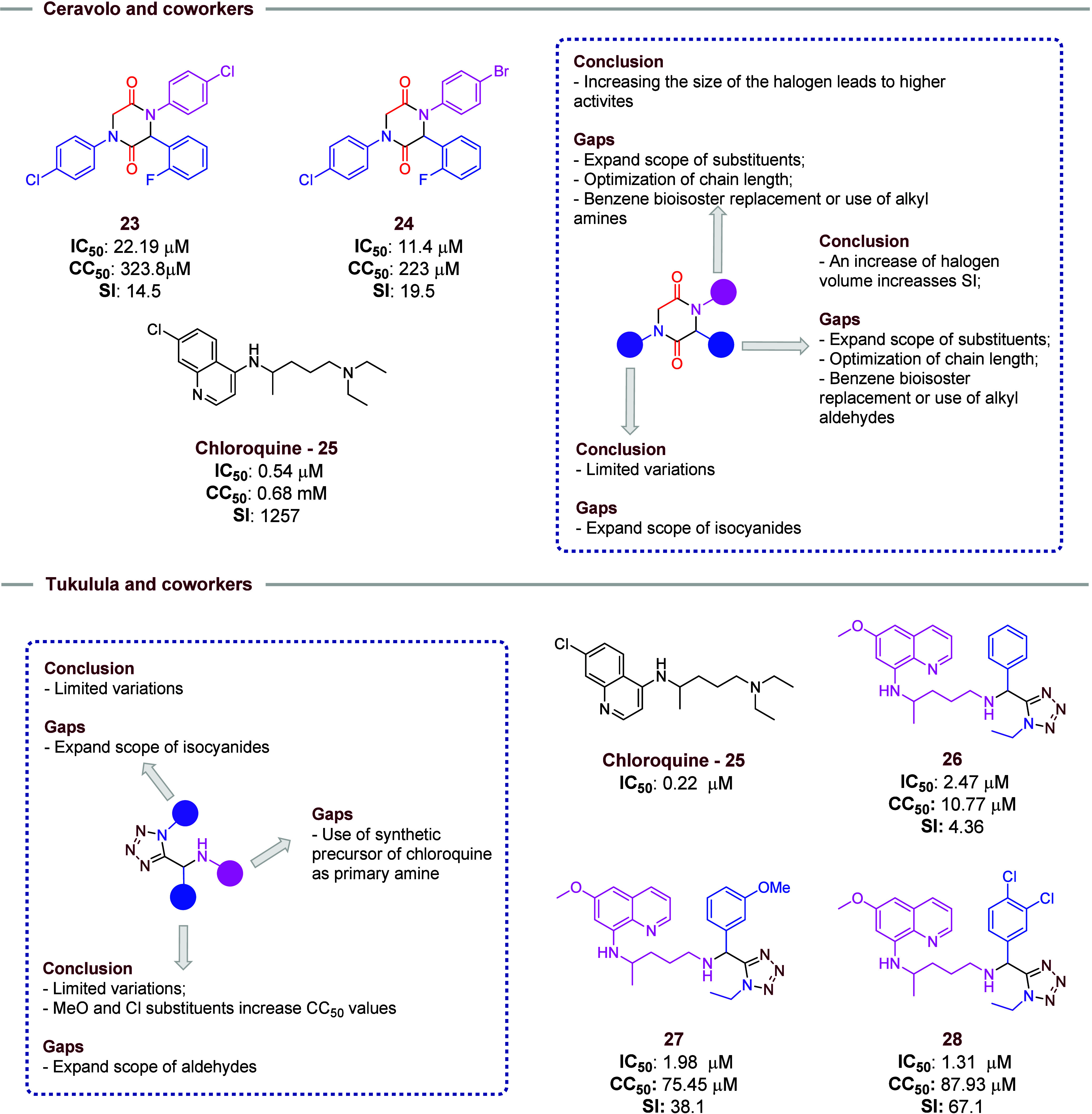 Figure 5
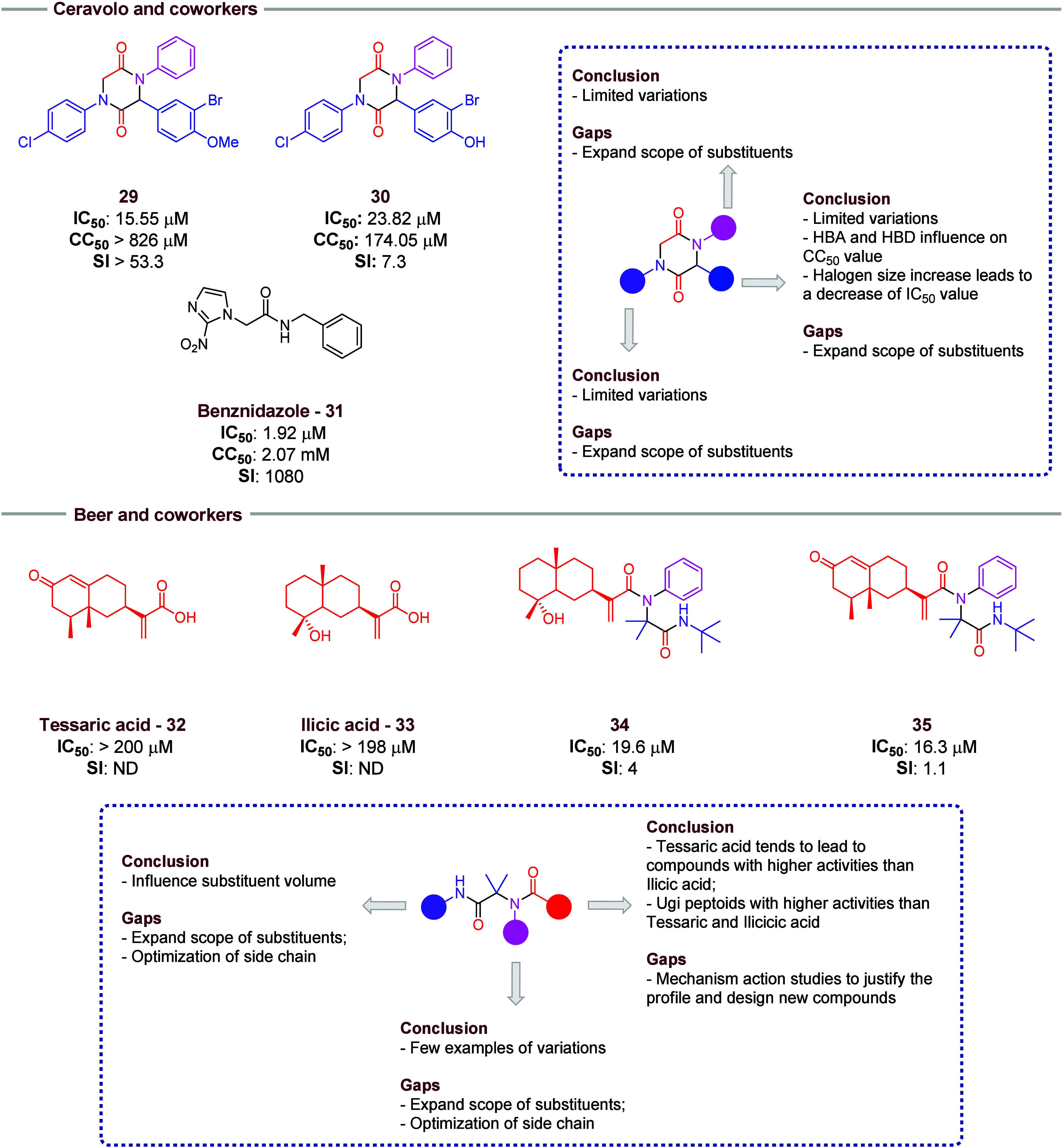 Figure 6
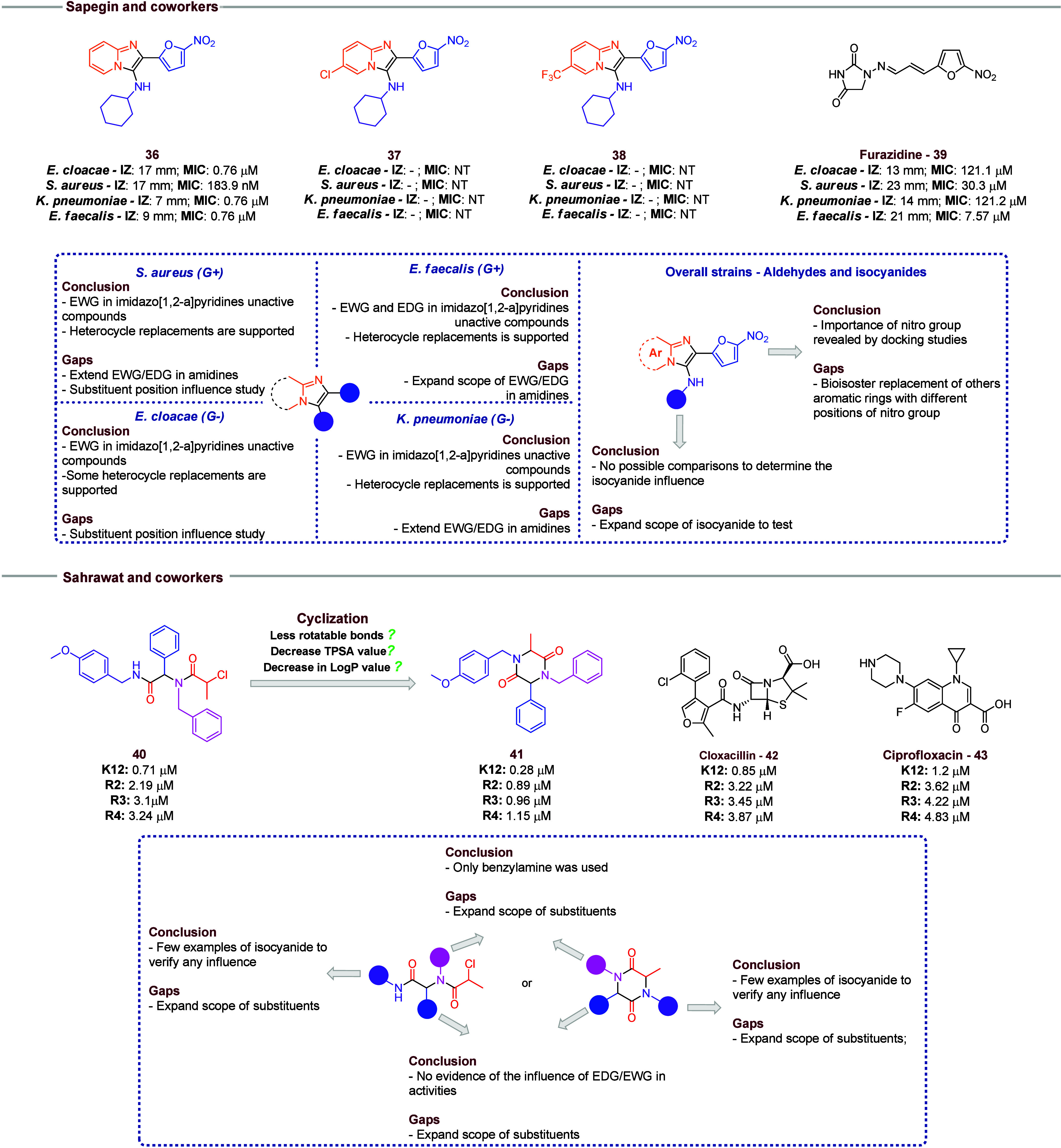 Figure 7
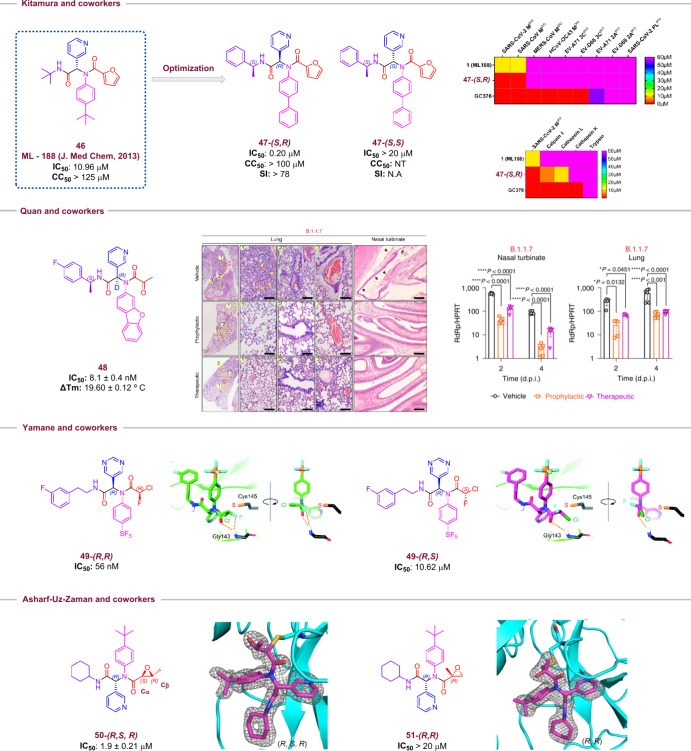 Figure 8
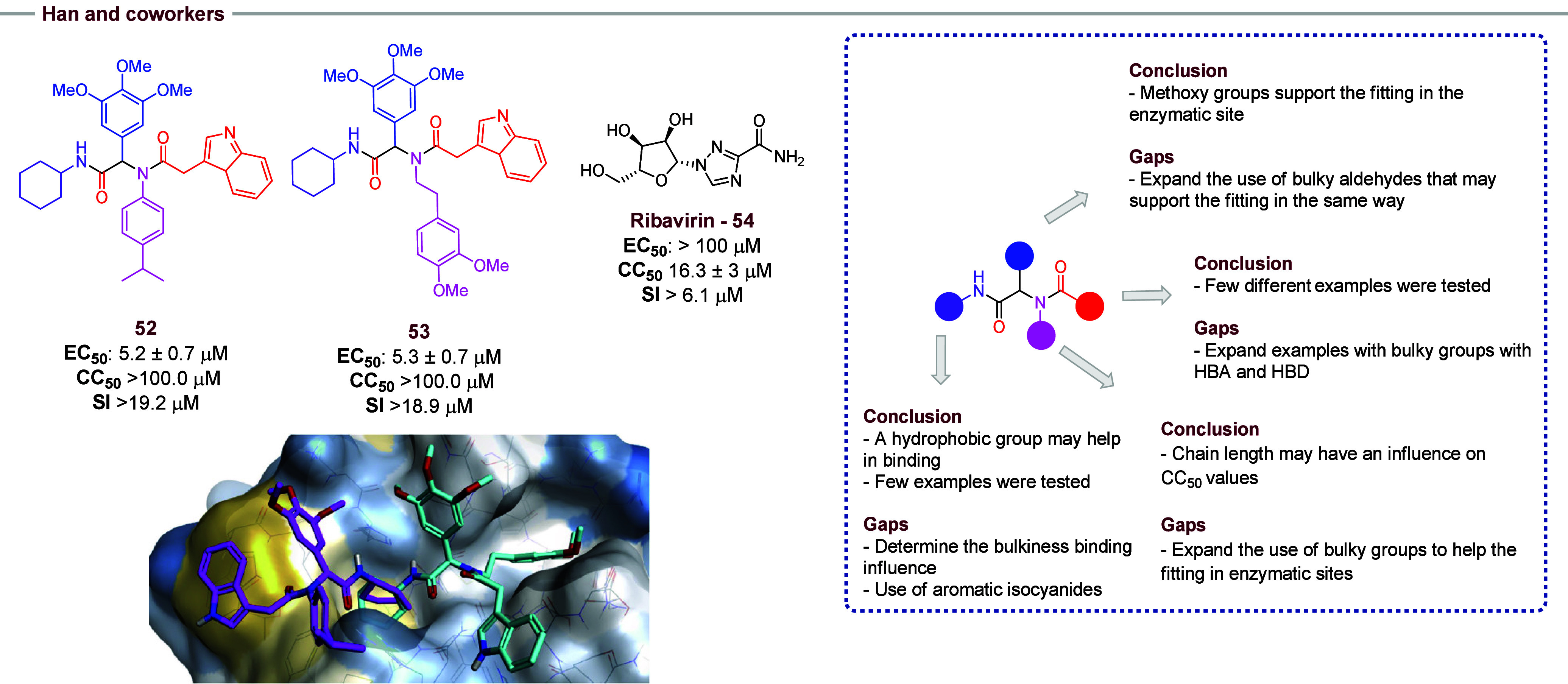 Figure 9
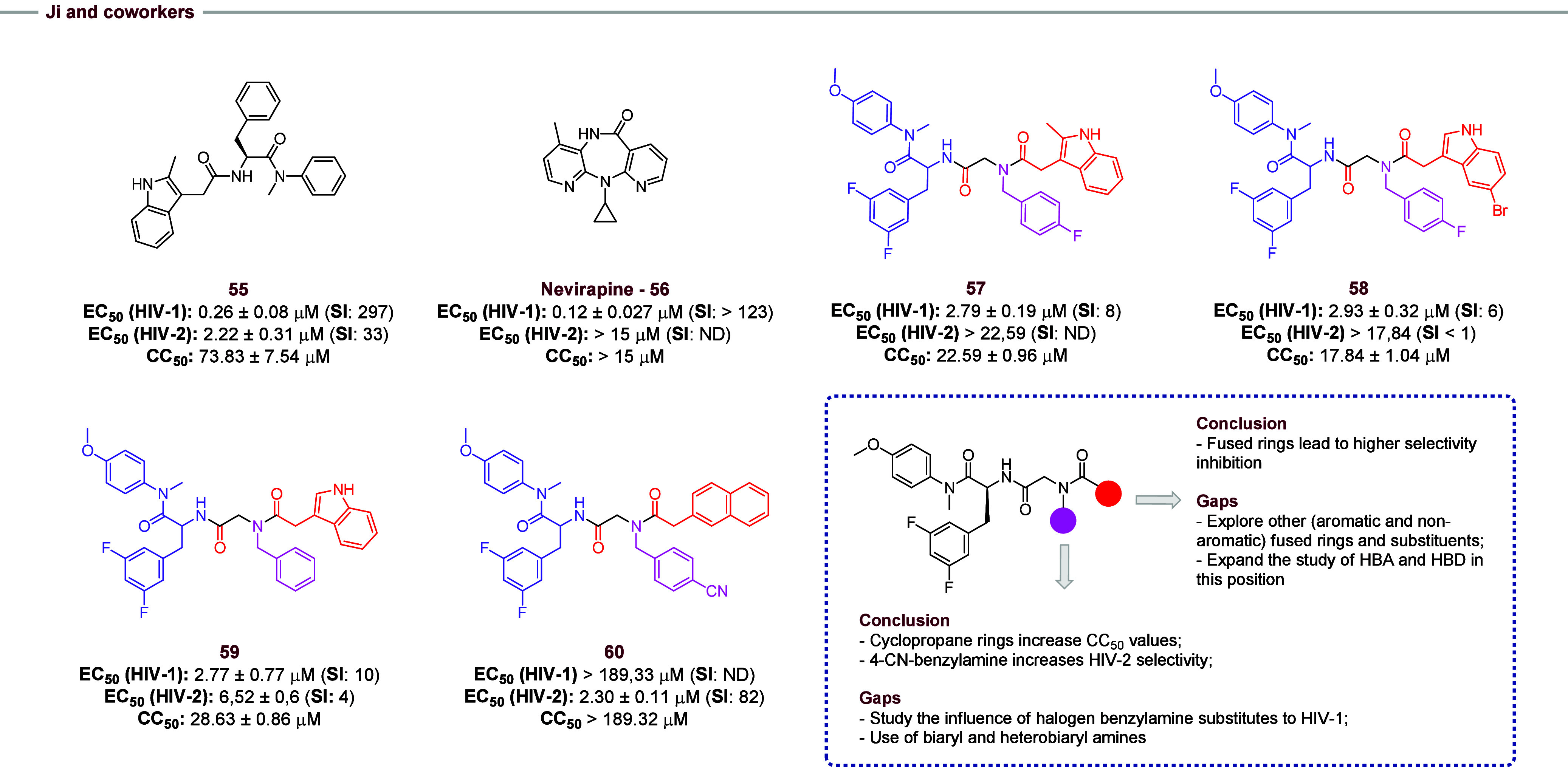 Figure 10
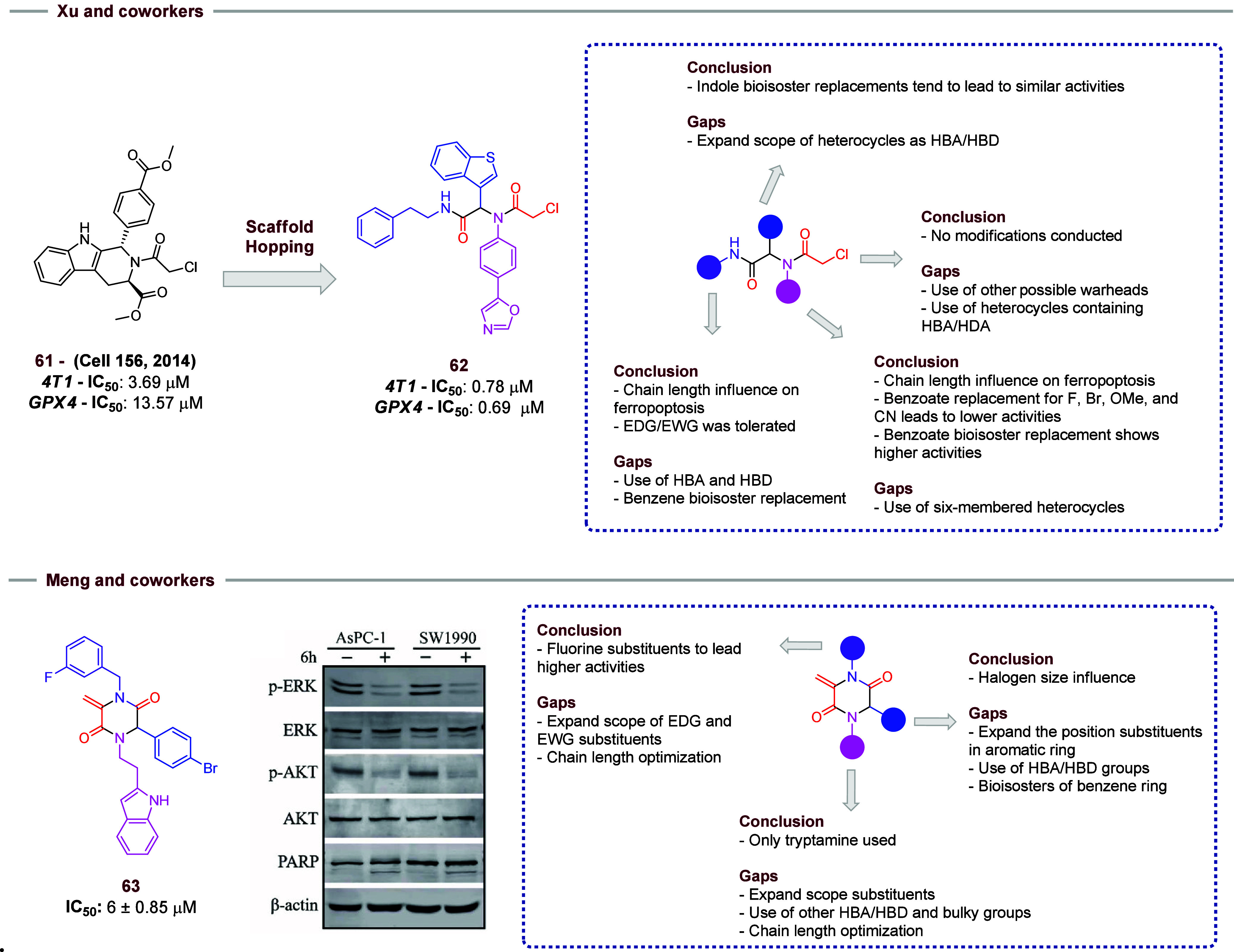 Figure 11
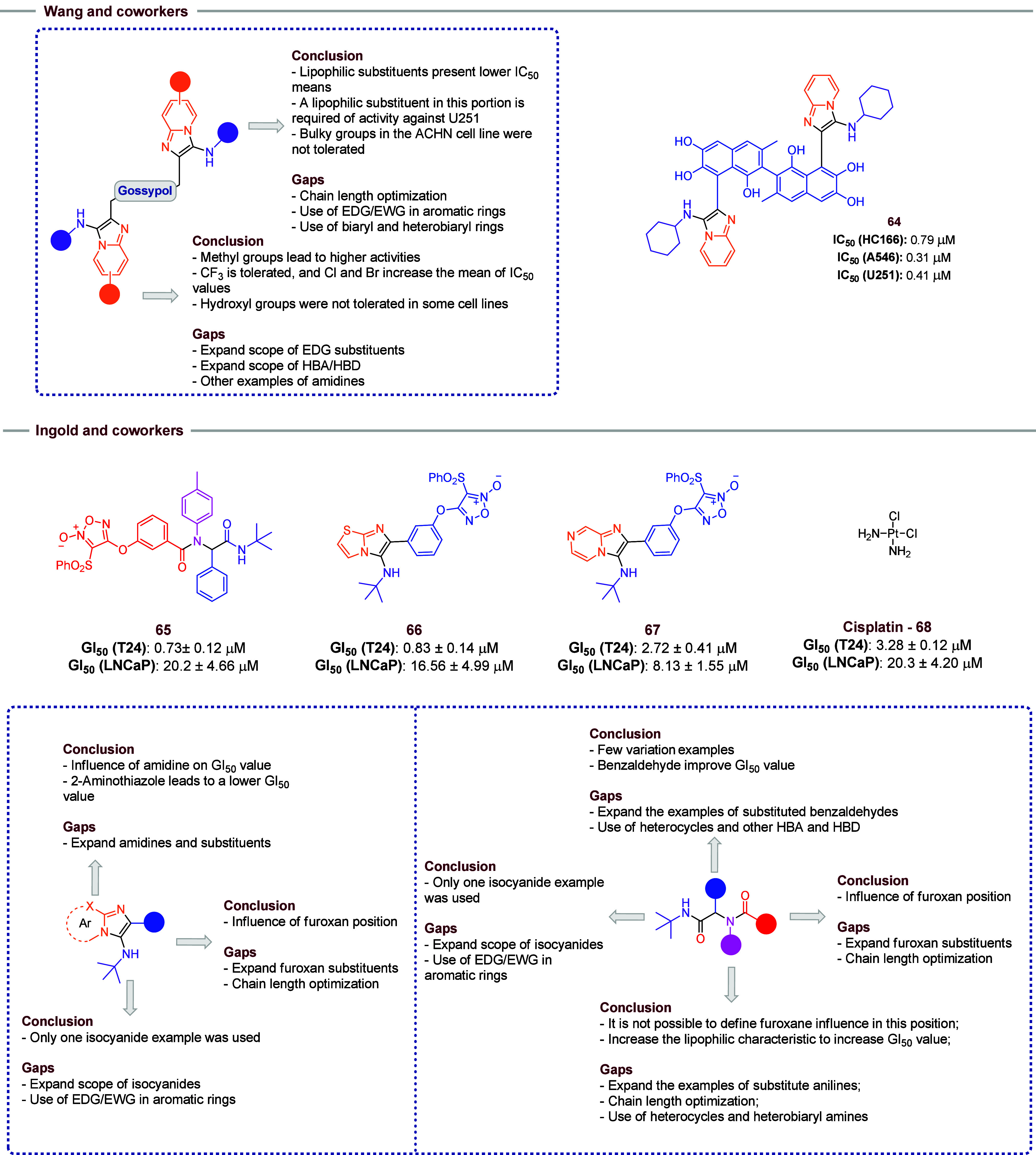 Figure 12
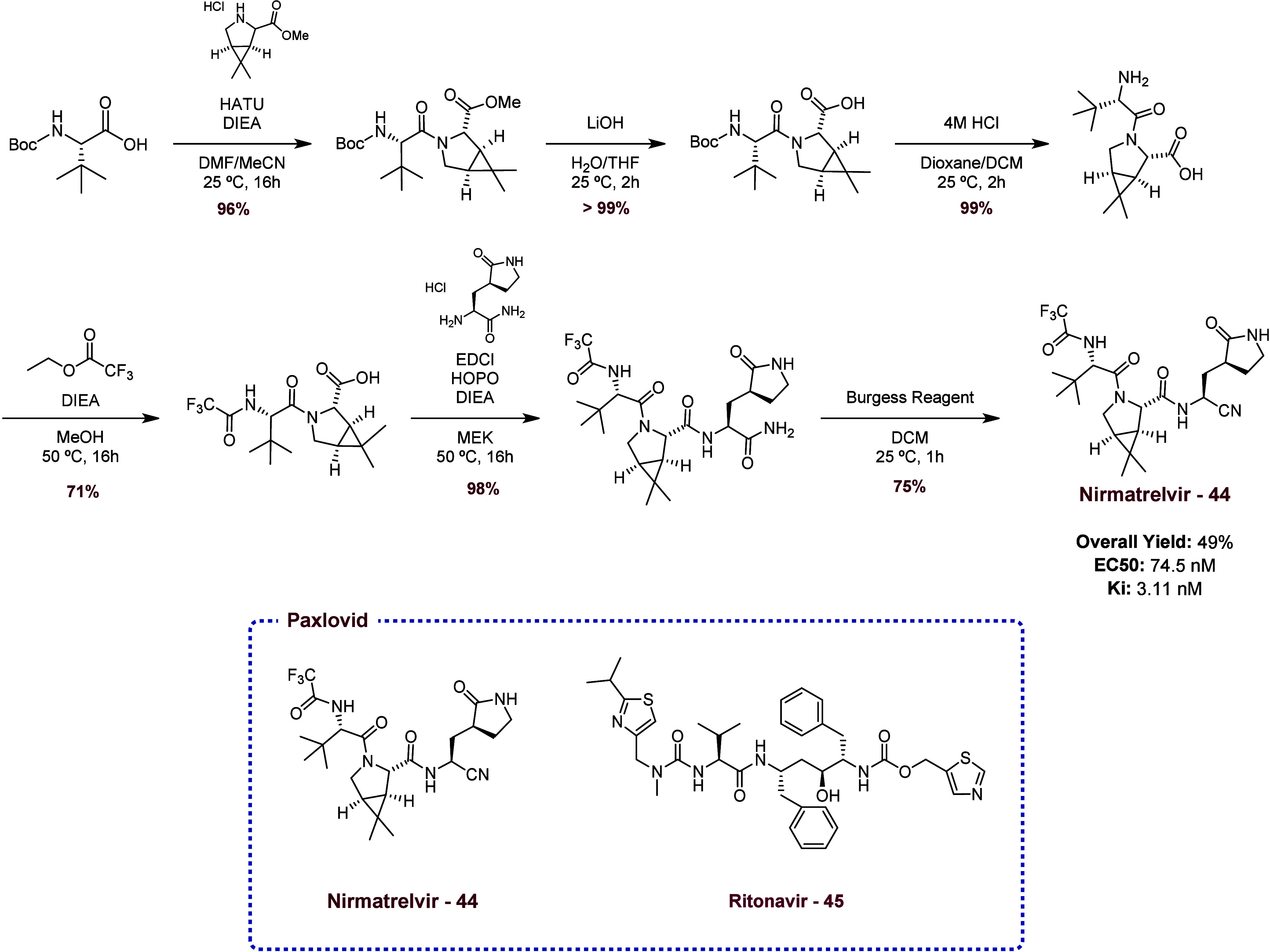 Figure 13
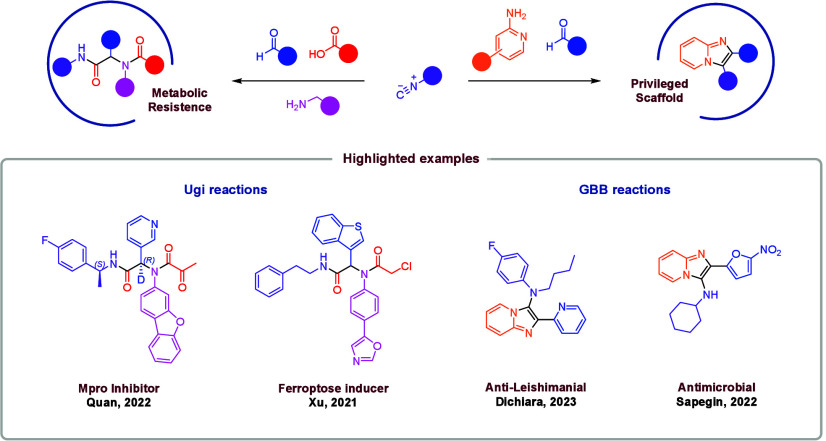 Figure 14
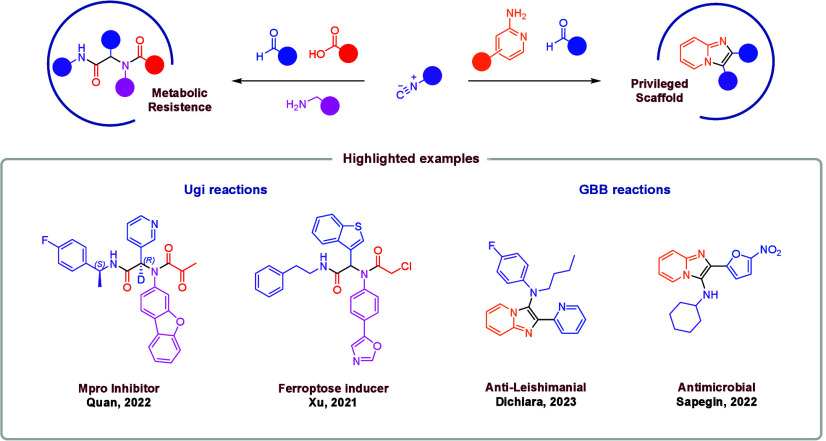 Figure 15
Peer Reviews
No public reviews on file for this paper yet. If you reviewed it on a platform where reviews are public (OpenReview, ICLR, NeurIPS, ICML), you can paste yours below so the community can read it here.
Videos
No videos yet. Explain this paper in a talk, walkthrough, or lecture? Add one.
Taxonomy
TopicsSynthesis and biological activity · Microbial Natural Products and Biosynthesis · Multicomponent Synthesis of Heterocycles