Cardioprotective and Antihyperlipidemic Effects of Arthrospira maxima Phycobiliproteins in a Prediabetic Rat Model of Acute Myocardial Infarction
Van Dan Castro-Gerónimo, Alberto Sánchez-Medina, Germán Alberto Chamorro-Cevallos, Candelaria Galván-Colorado, Israel Ramírez-Sánchez, Enrique Méndez-Bolaina, Rosa Virginia García-Rodríguez

TL;DR
This study shows that Arthrospira maxima and its phycobiliproteins can protect the heart and reduce harmful cholesterol in prediabetic rats.
Contribution
The novel contribution is demonstrating cardioprotective and antihyperlipidemic effects of Arthrospira maxima phycobiliproteins in a prediabetic rat model.
Findings
ExPhy and Am reduced cardiac necrotic damage caused by ischemia.
ExPhy and Am lowered total cholesterol and LDL cholesterol levels.
A reduction in the atherogenic index was observed in specific doses.
Abstract
Arthrospira maxima (Am) is a filamentous cyanobacterium with multiple nutraceutical components, such as essential amino acids, proteins, secondary metabolites, and pigments, such as β-carotene and phycobiliproteins. Am phycobiliproteins are water-soluble proteins and accessory pigments involved in the photosynthetic process with multiple beneficial health effects, such as antiviral, anticancer, and antioxidant. The aim of this work was to analyze the cardioprotective and antihyperlipidemic effects of Am and Am phycobiliproteins ((ExPhy) containing 76% C-phycocyanin (C-PC), 18.4% allophycocyanin (APC), and 3.8% phycoerythrin (PE)) in an acute myocardial infarction model. Methods: Prediabetic Wistar rats were administered with ExPhy (6.75 mg/kg, 12.50 mg/kg, 75 mg/kg) and Am (500 mg/kg) for 21 days, then the ischemia/reperfusion model was performed (1/4) measuring infarct area vs healthy…
Genes, proteins, chemicals, diseases, species, mutations and cell lines named across the full text — each resolved to its canonical identifier and authoritative record.
Click any figure to enlarge with its caption.
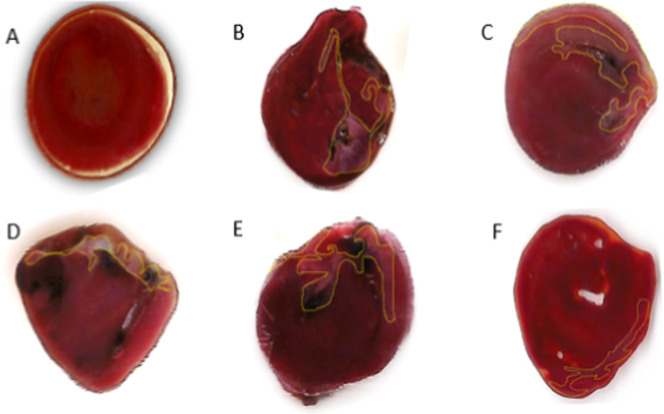 Figure 1
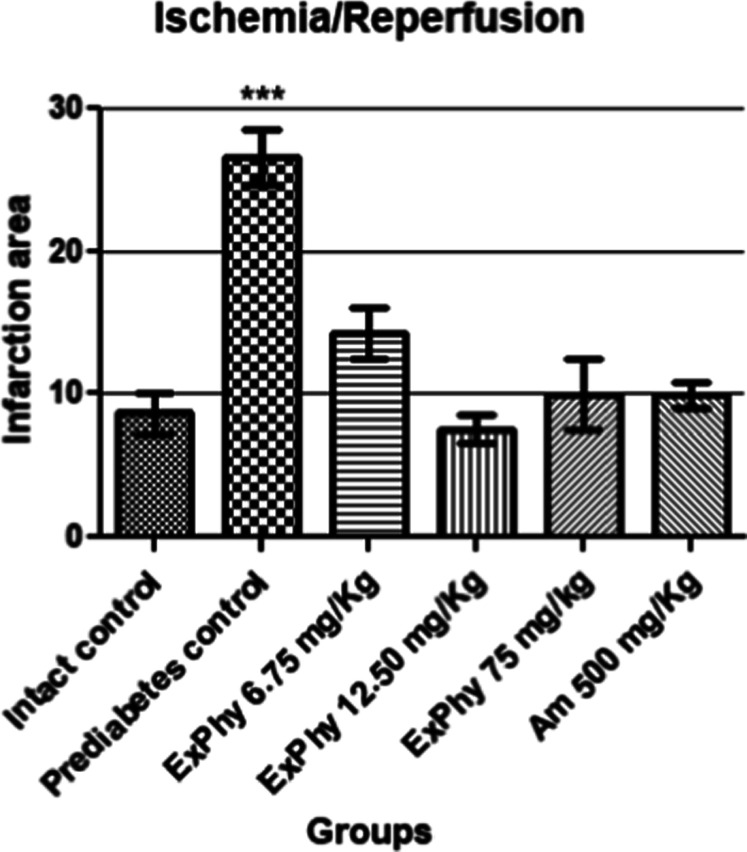 Figure 2
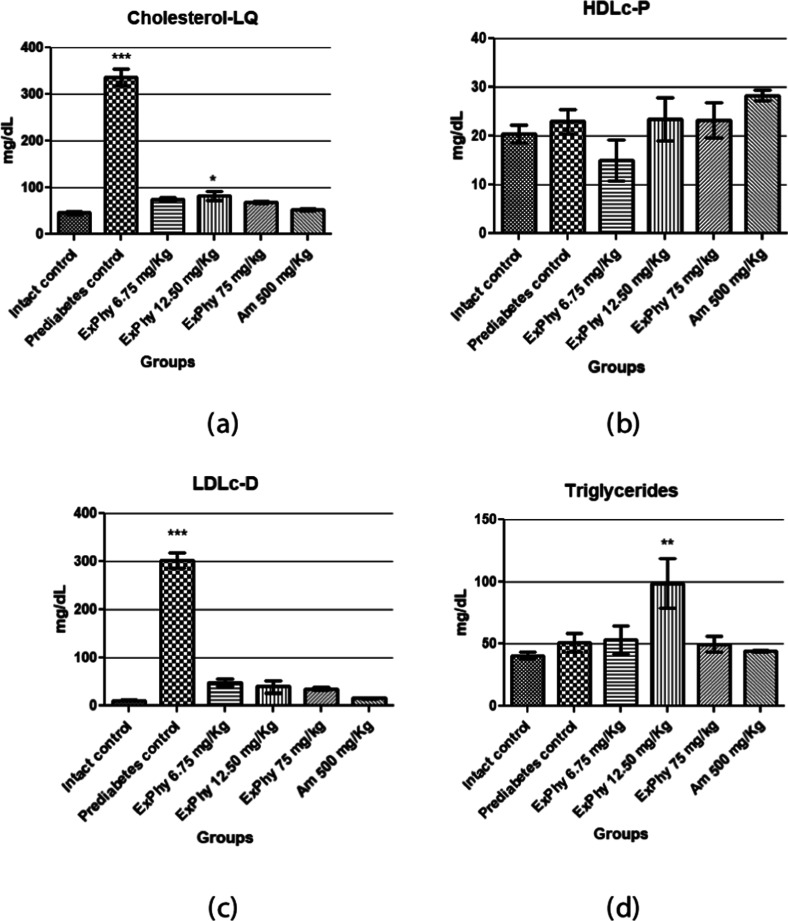 Figure 3
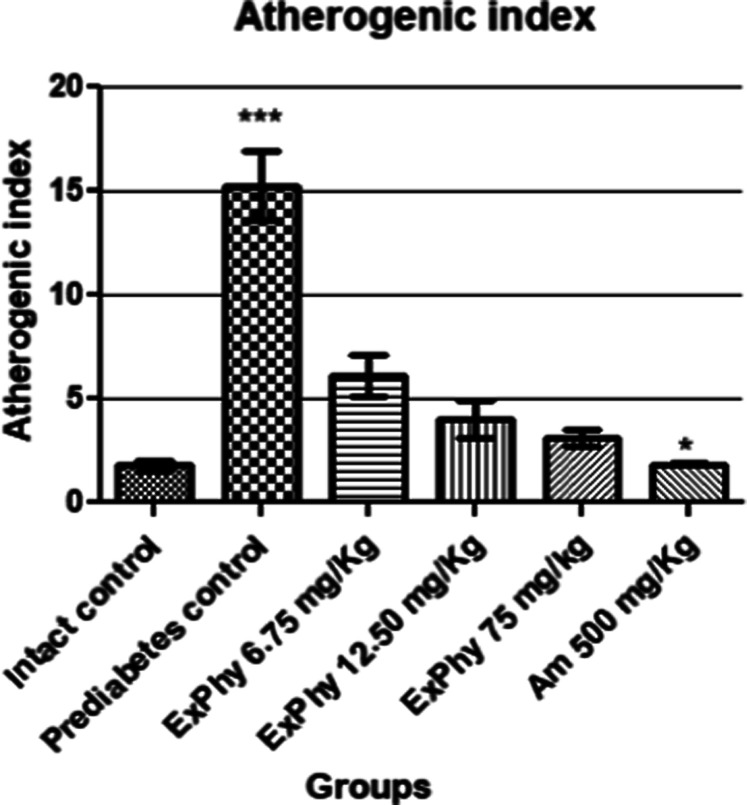 Figure 4
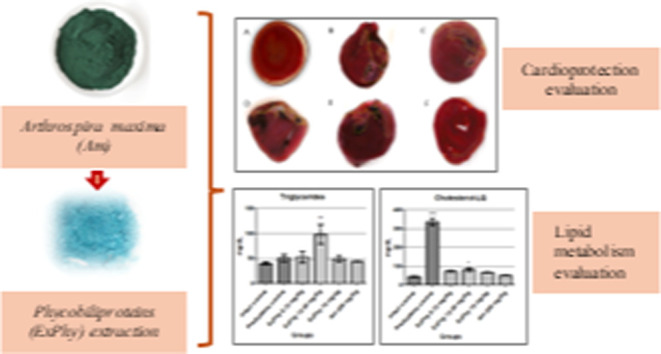 Figure 5
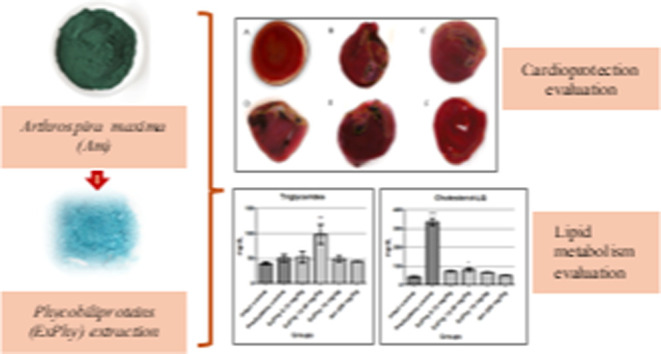 Figure 6
Peer Reviews
No public reviews on file for this paper yet. If you reviewed it on a platform where reviews are public (OpenReview, ICLR, NeurIPS, ICML), you can paste yours below so the community can read it here.
Videos
No videos yet. Explain this paper in a talk, walkthrough, or lecture? Add one.
Taxonomy
TopicsCalpain Protease Function and Regulation · Adipose Tissue and Metabolism · Natural Antidiabetic Agents Studies