Computational Investigation of the Size Evolution of (La2 B 2O7) n Nanoclusters (B = Ce, Ti, Zr)
Carina S. T. Peraça, Mauricio Mocelim, Mylena N. Santos, Juarez L. F. Da Silva

TL;DR
This paper uses computational methods to study how the size of nanoclusters affects their structure and properties, focusing on mixed-oxide materials used in catalysis.
Contribution
The study provides new insights into the size-dependent structural and electronic behavior of (La2B2O7)n nanoclusters using density functional theory.
Findings
Small clusters (n = 2, 4) show structural diversity with all atoms on the surface, while larger clusters (n ≥ 6) develop bulk-like core features.
Zr-based nanoclusters show the strongest bonding and highest stability due to increased binding energy per atom with size.
Oxygen vacancies are more stable on the surface than in the core, with vacancy-induced properties varying significantly based on the B cation.
Abstract
Mixed-oxide particles are commonly used to promote chemical reactions in catalysis. However, our atomistic understanding of how particle size and oxygen vacancies influence their physicochemical characteristics remains limited. To address this issue, we use density functional theory calculations to investigate (La2 B 2O7) n nanoclusters, where B = Ti, Zr, Ce, and n = 2, 4, 6, 8, 10. Our findings and analysis reveal the following: (i) particle size plays a critical role in determining structural motifs, with all atoms in small particles (n = 2, 4) being entirely surface-exposed and exhibiting structural diversity, whereas larger clusters (n ≥ 6) develop bulk-like features in the core region with B cations located in the core and La segregating to the surface region; (ii) binding energy per atom increases with size, indicating enhanced stability resultant from diminished surface effects…
Genes, proteins, chemicals, diseases, species, mutations and cell lines named across the full text — each resolved to its canonical identifier and authoritative record.
Click any figure to enlarge with its caption.
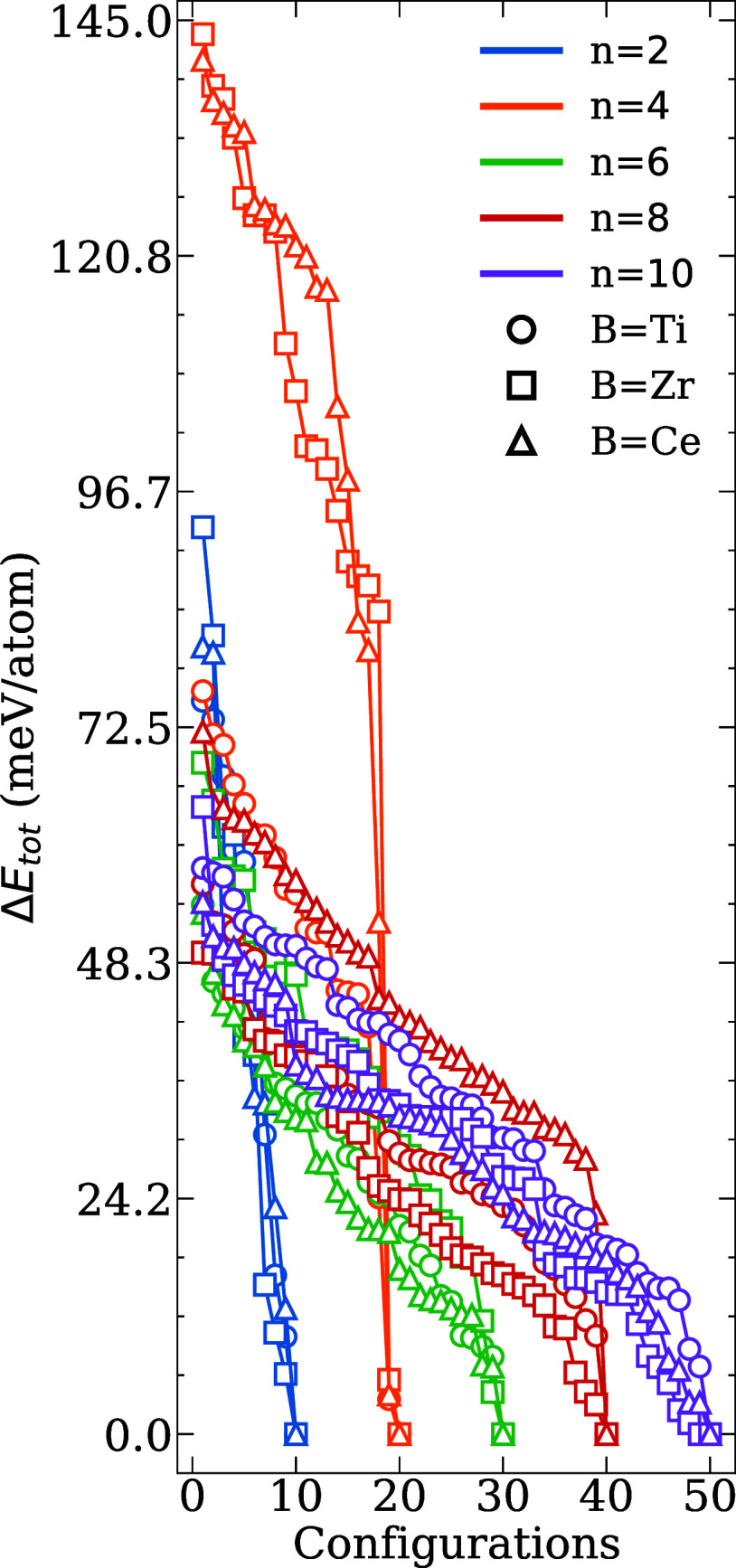 Figure 1
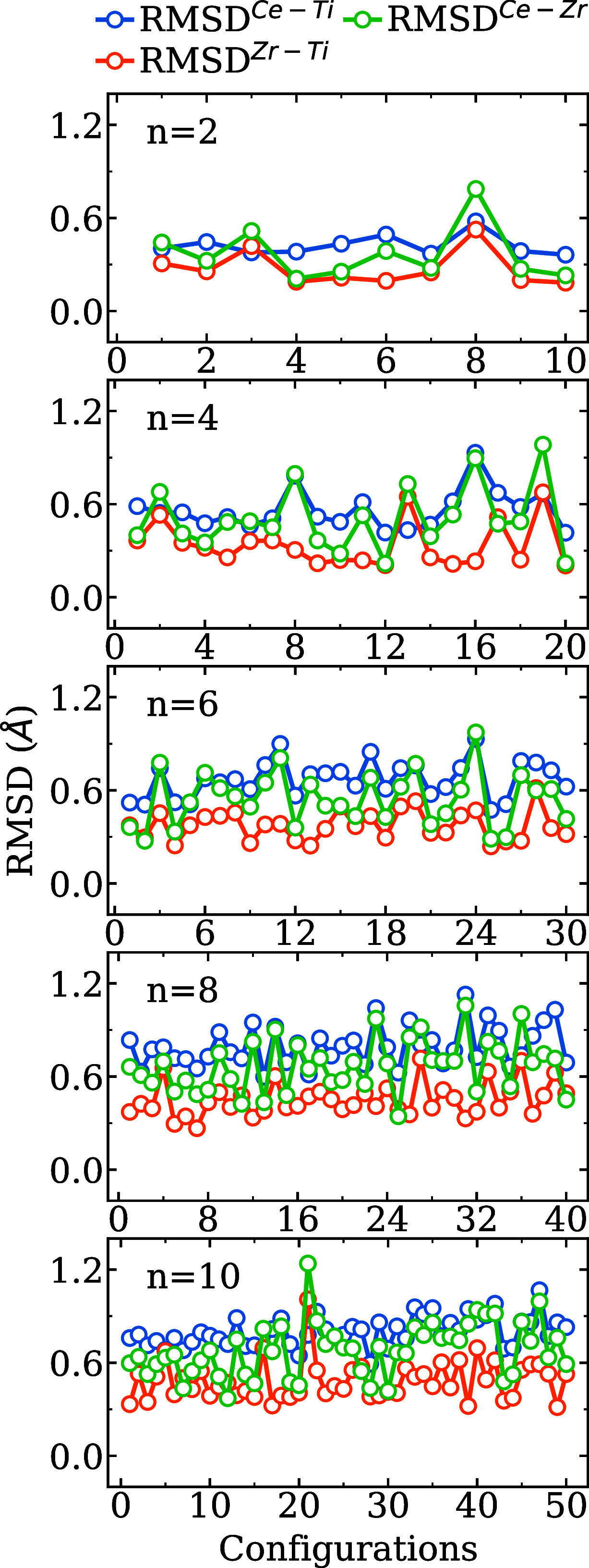 Figure 2
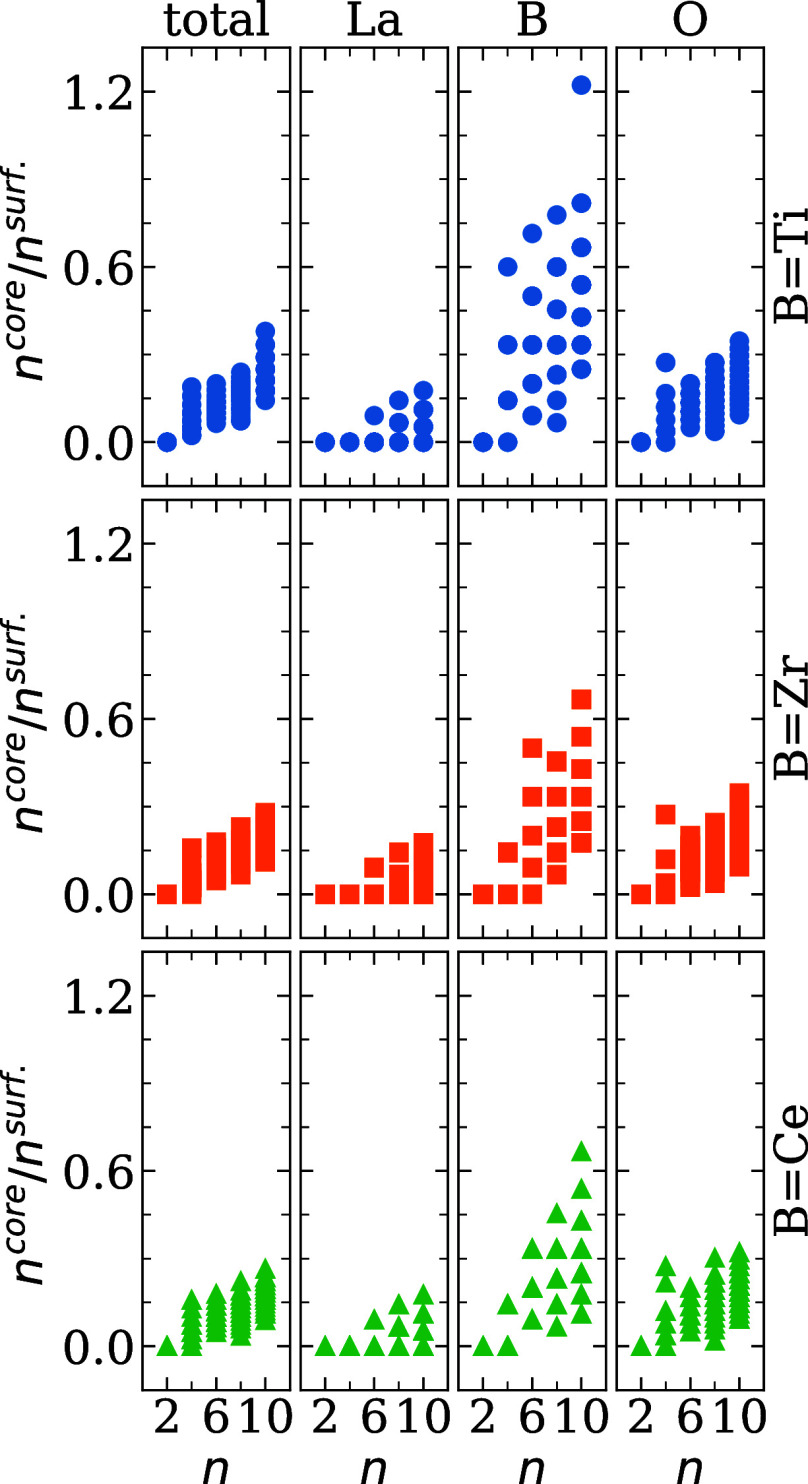 Figure 3
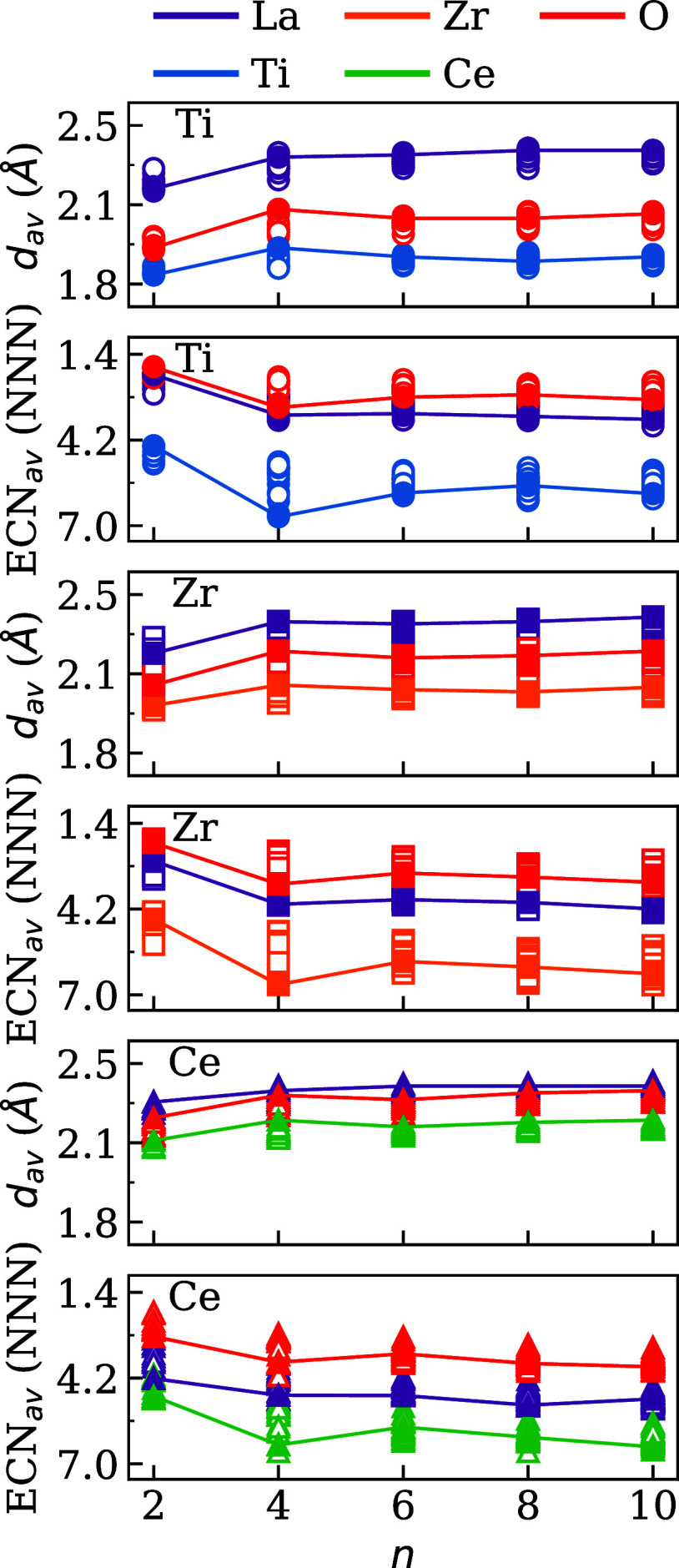 Figure 4
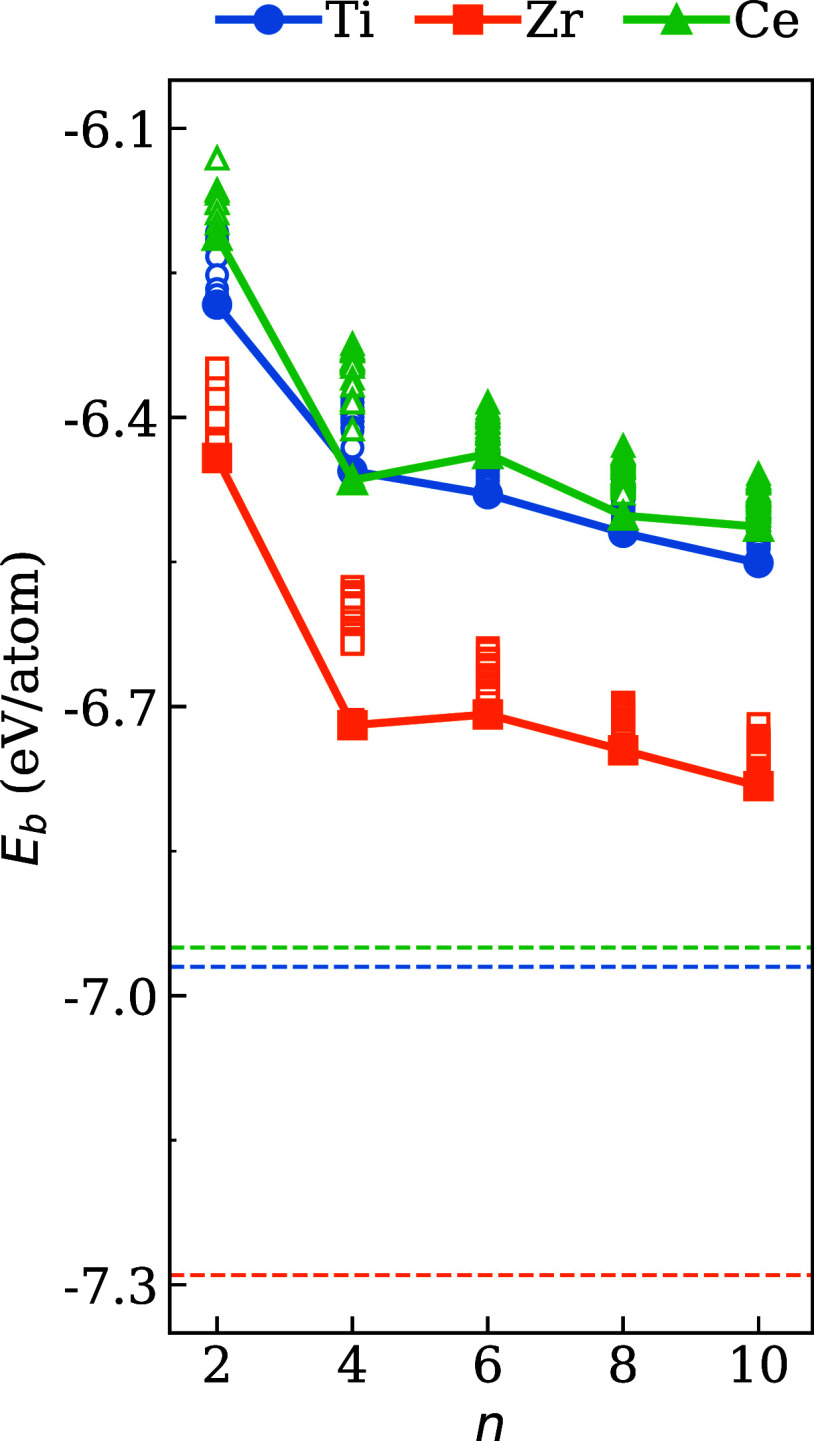 Figure 5
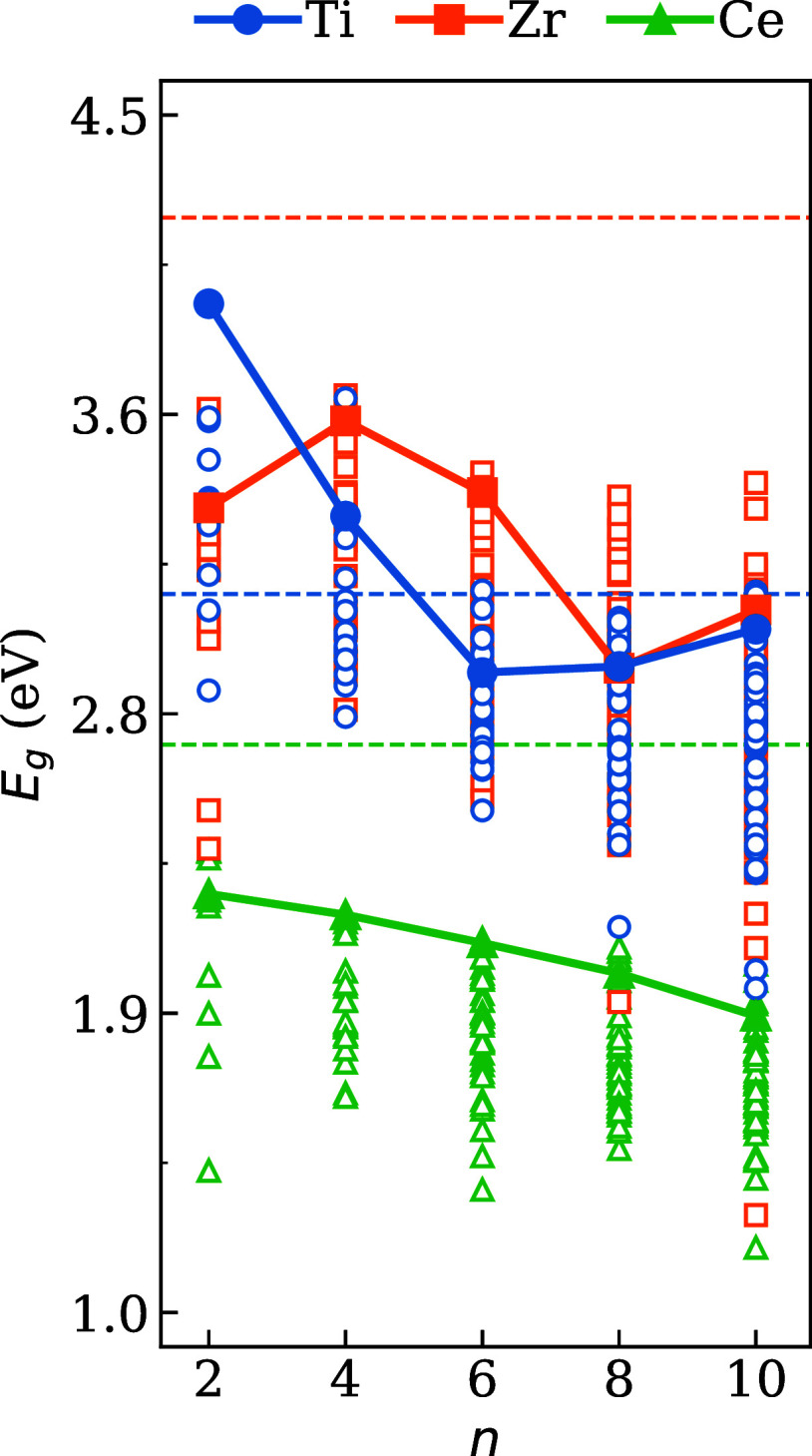 Figure 6
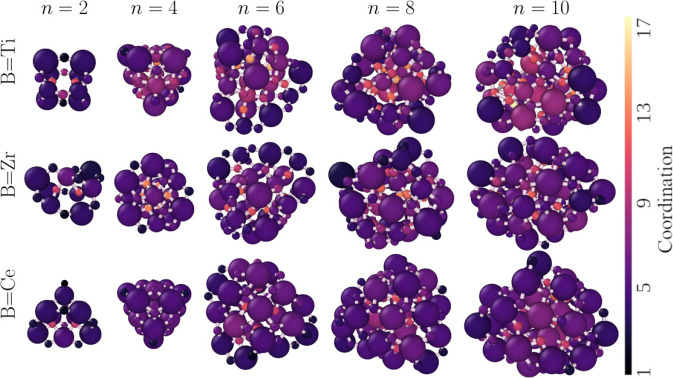 Figure 7
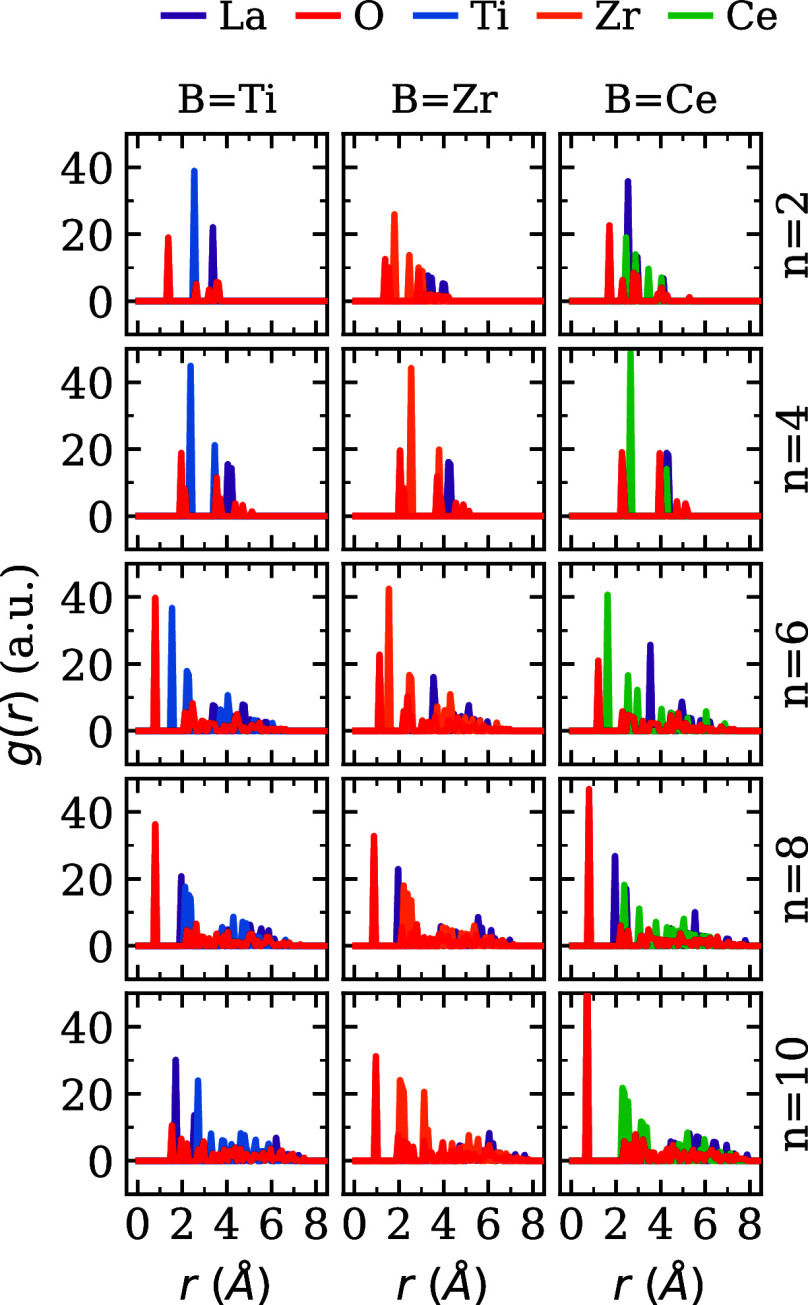 Figure 8
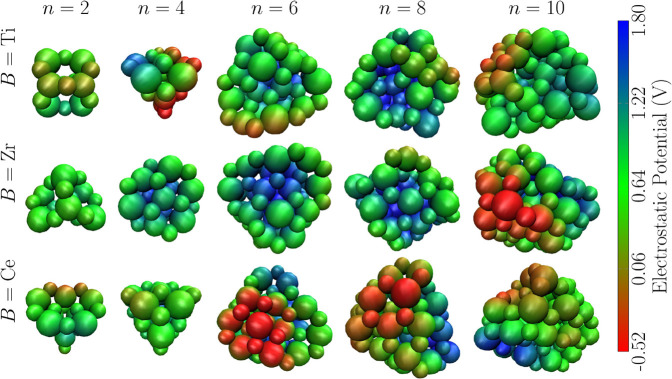 Figure 9
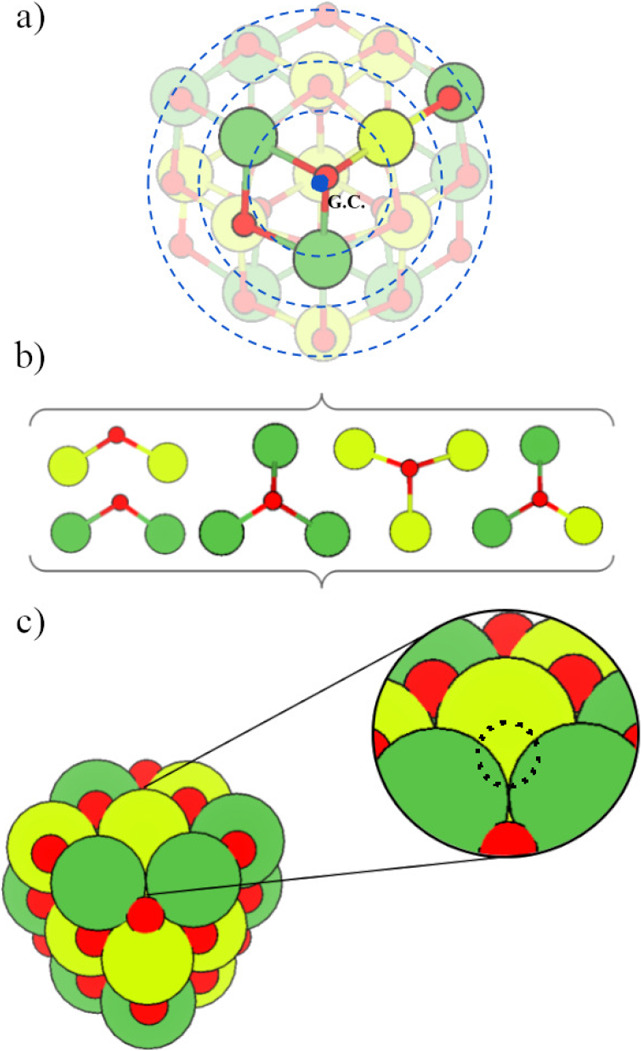 Figure 10
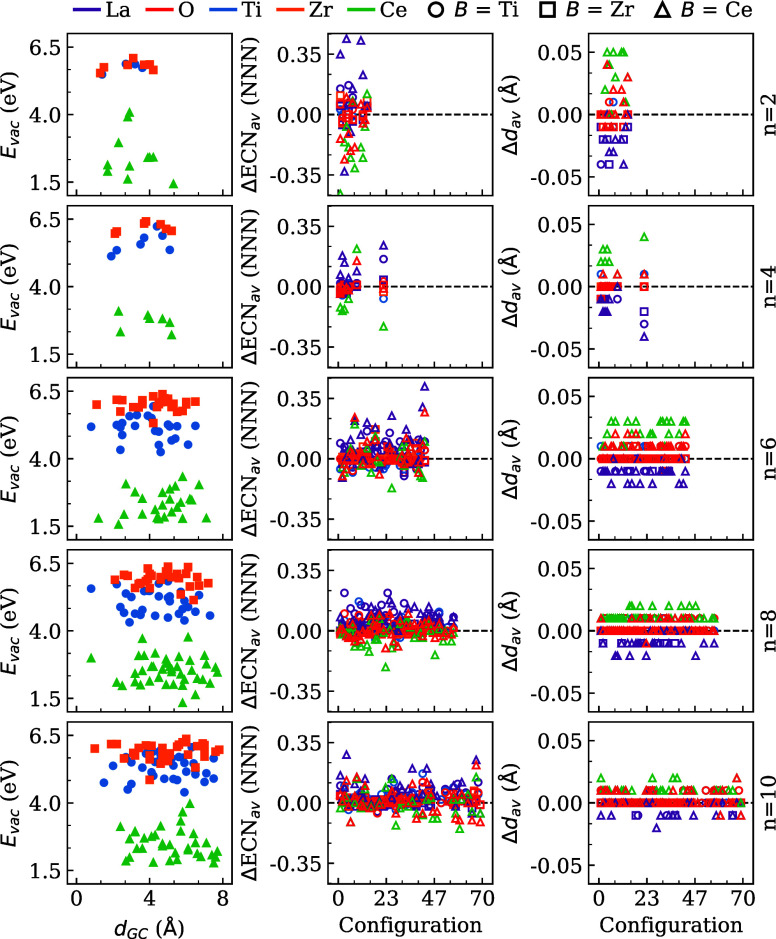 Figure 11
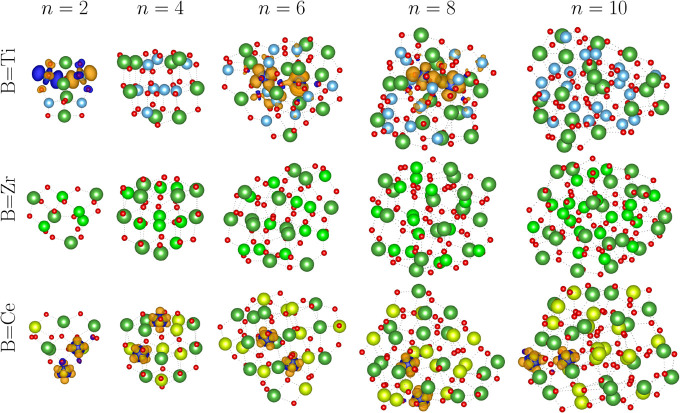 Figure 12
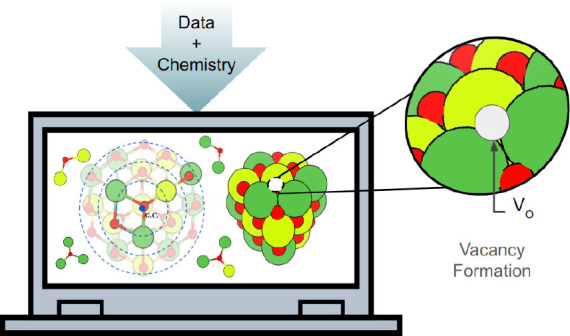 Figure 13
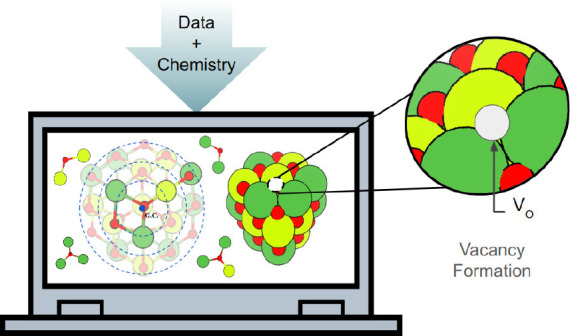 Figure 14
 Figure 15
 Figure 16
 Figure 17
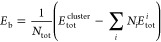 Figure 18
 Figure 19
 Figure 20
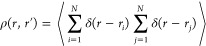 Figure 21
 Figure 22
 Figure 23
 Figure 24
Peer Reviews
No public reviews on file for this paper yet. If you reviewed it on a platform where reviews are public (OpenReview, ICLR, NeurIPS, ICML), you can paste yours below so the community can read it here.
Videos
No videos yet. Explain this paper in a talk, walkthrough, or lecture? Add one.
Taxonomy
TopicsHigh-pressure geophysics and materials · Crystal Structures and Properties · X-ray Diffraction in Crystallography