Comparative genomics of Shiga toxin-producing Escherichia coli reveals host-specific adhesiome adaptations in humans and cattle
Víctor Martínez, José T. Cartajena, Estefanía Méndez, Jessica Dörner, Diego Méndez, Gabriel Arriagada, Jorge Toledo, Richard Arancibia, Nicolás Pizarro, Daniela Castro, Daniela Luna, Romina Ramos, Joaquín Jorquera, Beatriz Escobar, Indira T. Kudva, Nicolás Galarce

TL;DR
This study compares the adhesion genes of STEC bacteria in cattle and humans, revealing host-specific adaptations that could help prevent zoonotic transmission.
Contribution
The study identifies host-specific adhesin genes and genetic adaptations in STEC strains from cattle and humans using comparative genomics and GWAS.
Findings
Genes like ehaA and stgABC are associated with cattle, while eae and cah are more common in human STEC.
GWAS identified yeeJ, espP, and fimC as linked to cattle strains, and clpV, ybgQ, and sab to human isolates.
Human isolates show higher genetic diversity in adhesin genes like yadK and espP.
Abstract
Shiga toxin-producing Escherichia coli (STEC) is a zoonotic pathogen responsible for severe human infections, with cattle recognized as the principal animal reservoir for human infection. Adhesion is a critical step in STEC colonization, facilitating persistence and transmission. While human-associated adhesion mechanisms have been extensively studied, those driving colonization in cattle remain less understood. In this study, we characterized the adhesiome of STEC strains isolated from Chilean cattle and compared them with a global collection to identify host-specific adhesion patterns and genetic adaptations. A total of 948 fecal samples from Chilean cattle were screened, yielding 71 confirmed STEC isolates, which were analyzed alongside 546 publicly available genomes to compare host-specific adhesion patterns. The adhesiome was examined based on gene presence/absence patterns,…
Genes, proteins, chemicals, diseases, species, mutations and cell lines named across the full text — each resolved to its canonical identifier and authoritative record.
Click any figure to enlarge with its caption.
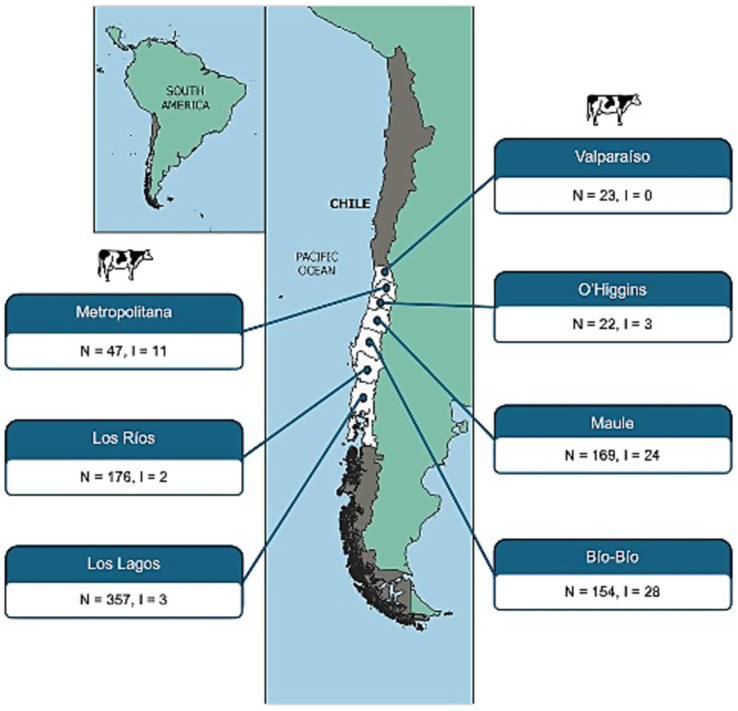 Figure 1
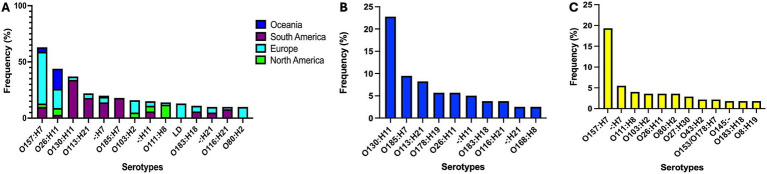 Figure 2
 Figure 3
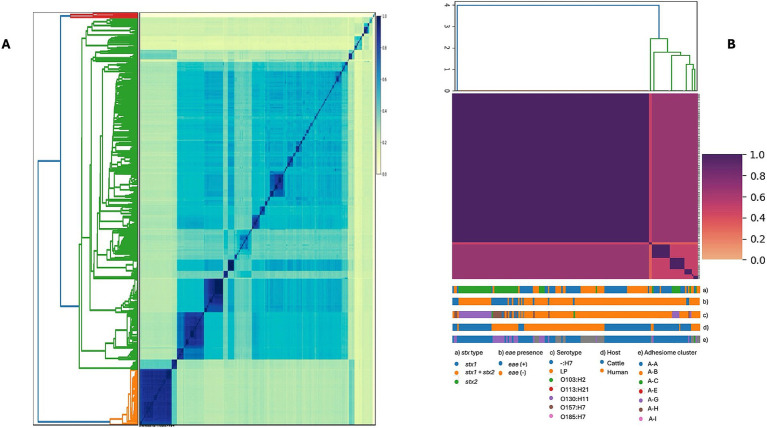 Figure 4
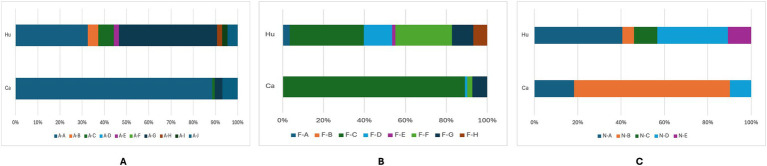 Figure 5
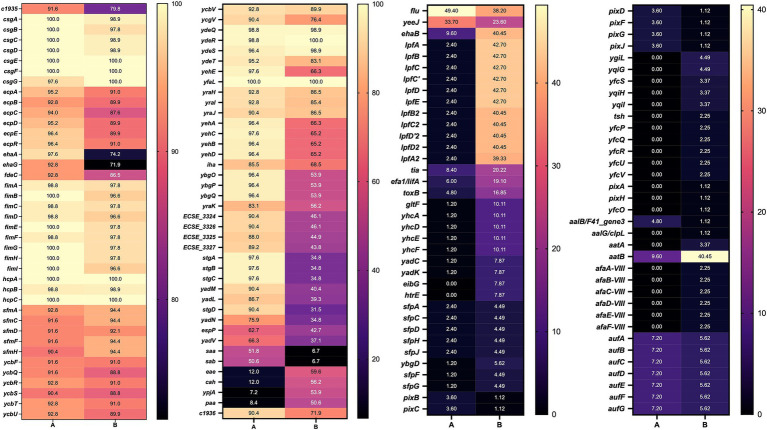 Figure 6
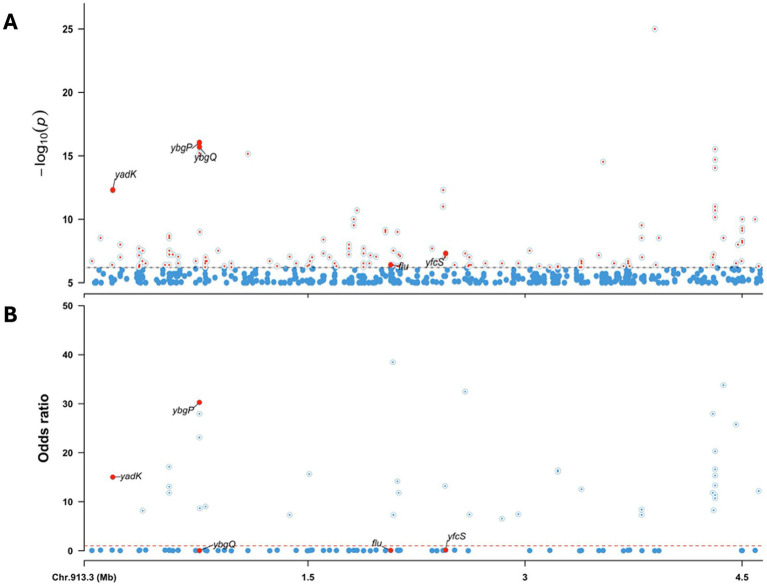 Figure 7
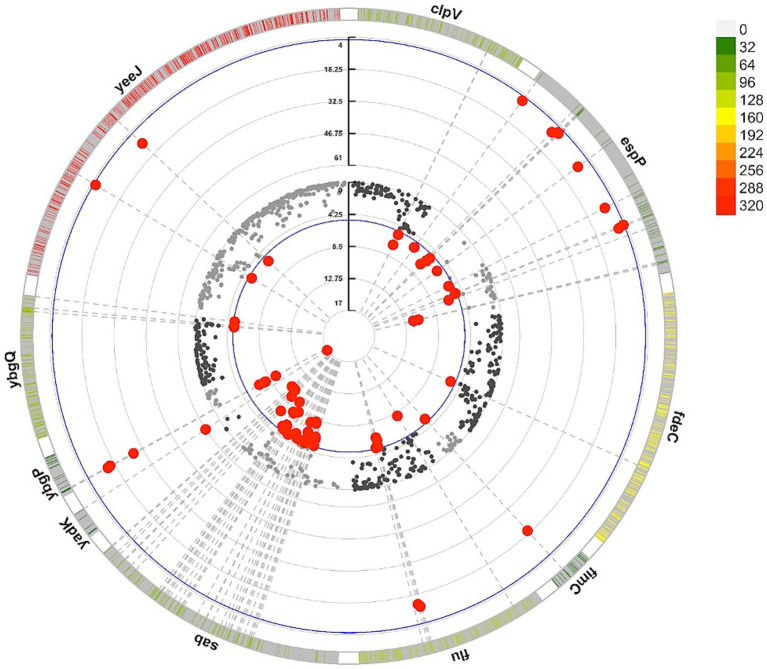 Figure 8
Peer Reviews
No public reviews on file for this paper yet. If you reviewed it on a platform where reviews are public (OpenReview, ICLR, NeurIPS, ICML), you can paste yours below so the community can read it here.
Videos
No videos yet. Explain this paper in a talk, walkthrough, or lecture? Add one.
Taxonomy
TopicsEscherichia coli research studies · Viral gastroenteritis research and epidemiology · Clostridium difficile and Clostridium perfringens research