Pseudolaric acid B induces G2/M phase arrest in canine mammary tumor cells by targeting CDK1
Mengjuan Chen, Hui Han, Mengke Qin, Huixin Li, Qiqi Lu, Xin Huang, Qingda Meng, Shanshan Xie

TL;DR
Pseudolaric acid B stops the growth of canine mammary tumor cells by targeting CDK1, offering a potential new treatment option.
Contribution
Identifies CDK1 as a target of Pseudolaric acid B in canine mammary tumor cells, revealing a novel mechanism for its antitumor activity.
Findings
Pseudolaric acid B reduces cell viability and induces apoptosis in canine mammary tumor cells.
Transcriptomic analysis shows PAB affects cell cycle and senescence pathways.
PAB induces G2/M phase arrest by suppressing CDK1 expression and stability.
Abstract
Current management of canine mammary tumors (CMTs) remains reliant on surgical resection and chemotherapy. However, these strategies are often limited by high recurrence rates and systemic toxicity. Addressing these limitations requires urgent development of safer and more effective therapeutics. Pseudolaric acid B (PAB), a bioactive compound extracted from the roots of the Pseudolarix kaempferi Gord., has garnered attention for its broad-spectrum antitumor activity and favorable pharmacokinetic profile, and it has shown promise in inhibiting the growth of a variety of tumors, including breast cancer. The aim of this study was to investigate the anticancer effects of PAB on canine mammary tumor U27 cells and its underlying mechanisms. In vitro analyses demonstrated that PAB dose dependently reduced cell viability, suppressed cell proliferation, and triggered caspase-mediated apoptosis.…
Genes, proteins, chemicals, diseases, species, mutations and cell lines named across the full text — each resolved to its canonical identifier and authoritative record.
Click any figure to enlarge with its caption.
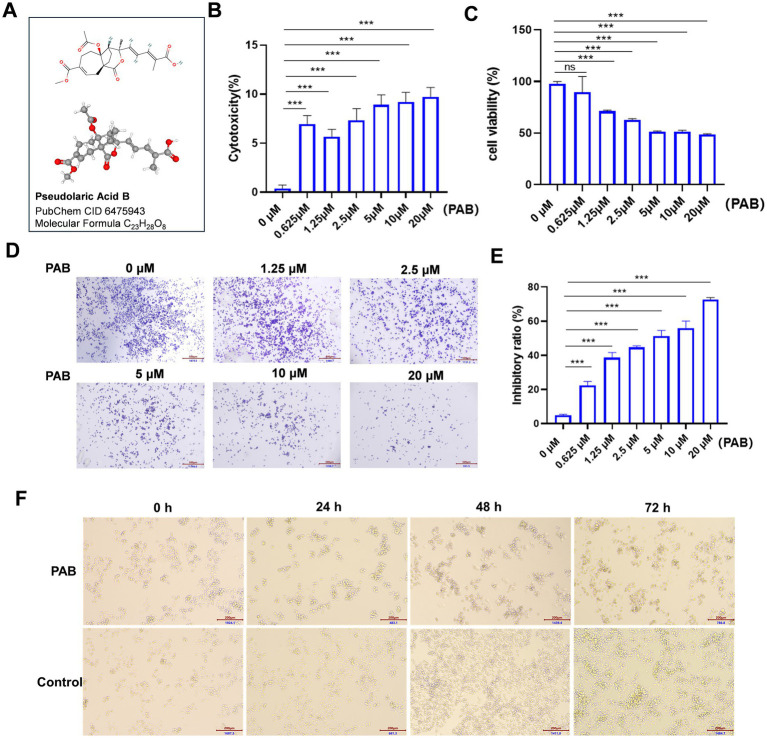 Figure 1
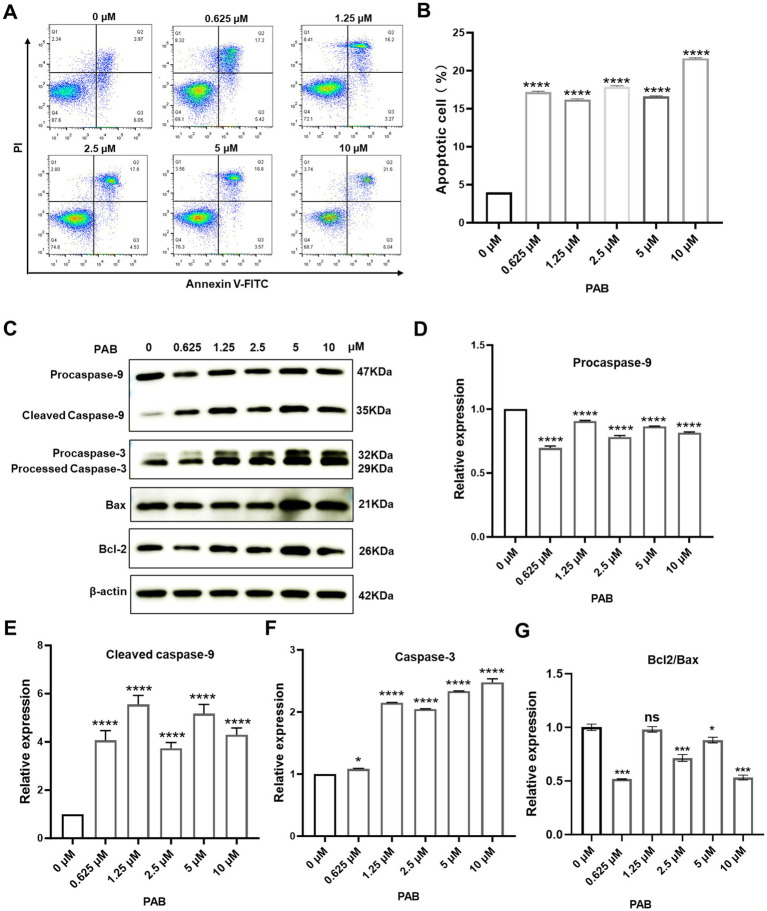 Figure 2
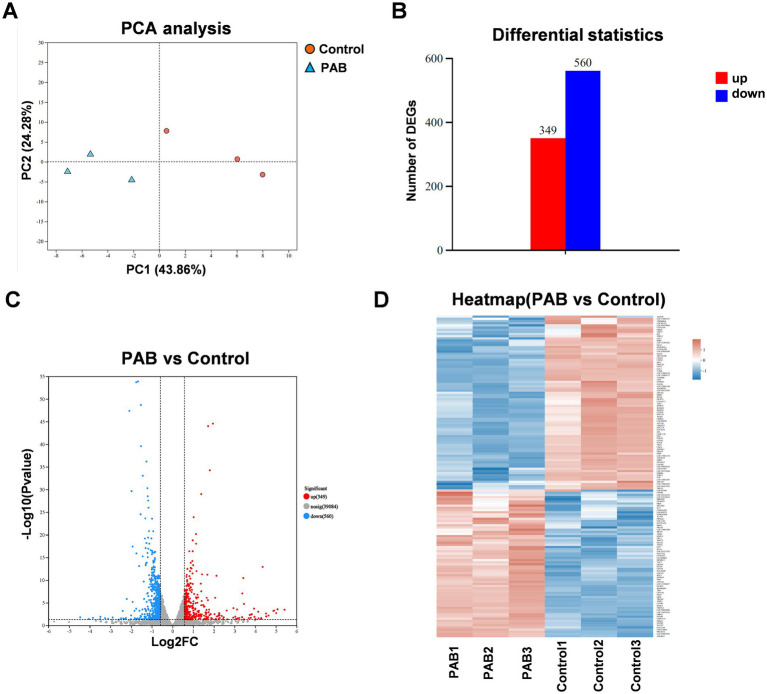 Figure 3
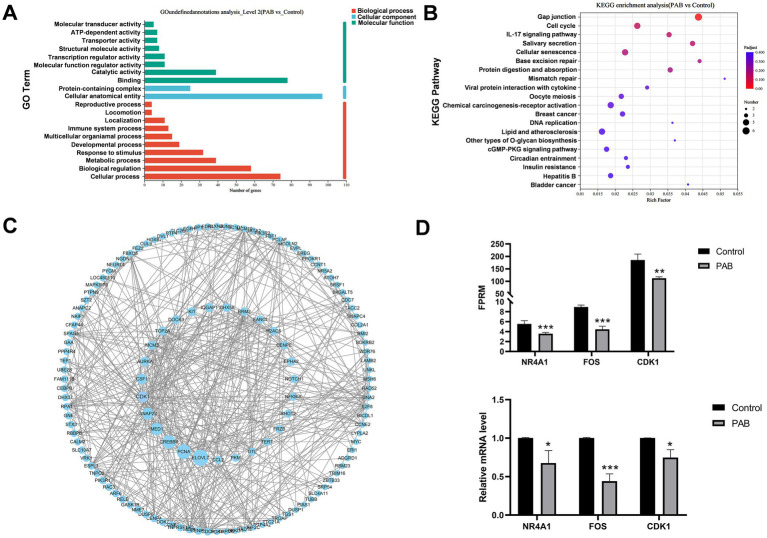 Figure 4
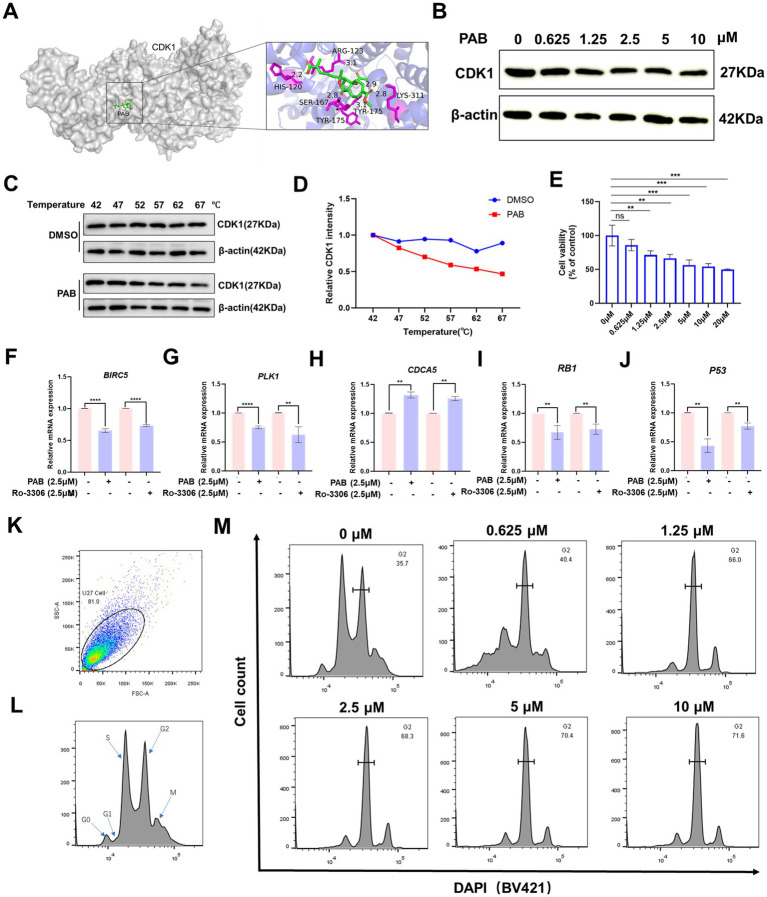 Figure 5
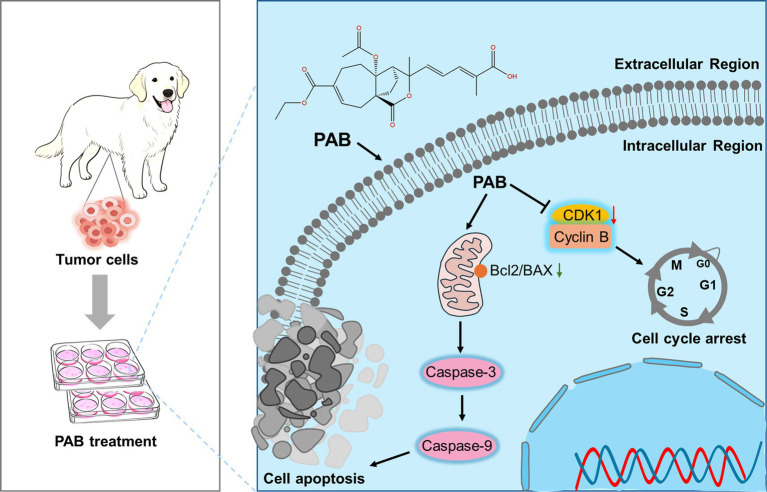 Figure 6
Peer Reviews
No public reviews on file for this paper yet. If you reviewed it on a platform where reviews are public (OpenReview, ICLR, NeurIPS, ICML), you can paste yours below so the community can read it here.
Videos
No videos yet. Explain this paper in a talk, walkthrough, or lecture? Add one.
Taxonomy
TopicsInfectious Diseases and Mycology · Cancer and Skin Lesions · Biological Activity of Diterpenoids and Biflavonoids