StrataSeq: A Workflow for Rapid Development of Molecular Databases for Hard‐To‐Identify Species
Anna K. Merges, Peter Manning, Dennis Baulechner, Katharina John, Andrey Zaitsev, Volkmar Wolters, Damian Baranski, Hans‐Peter Grossart, Jason Woodhouse, Clément Schneider, Miklós Bálint

TL;DR
StrataSeq is a new method to efficiently create DNA reference databases for hard-to-identify species, improving biodiversity monitoring.
Contribution
StrataSeq introduces a systematic workflow to optimize DNA reference database generation for species-rich, hard-to-identify taxa.
Findings
StrataSeq captured 69% of species with only 22% of the effort compared to traditional methods.
The workflow is adaptable to various organisms and environmental settings.
StrataSeq enhances cost-effectiveness and scalability of molecular database development.
Abstract
Biodiversity loss necessitates improved monitoring of small, species‐rich taxa, such as protists, phyto‐ and zooplankton and terrestrial invertebrates. Traditional biomonitoring is often infeasible for these taxa due to complex morphology and few taxonomists. DNA‐based approaches offer promising solutions by enabling rapid species identification. However, the effectiveness of these methods depends on the completeness of molecular reference databases, which remain incomplete, particularly for remote and biodiverse regions. To address this, we propose the StrataSeq workflow, a systematic approach to optimise the generation of DNA reference databases for hard‐to‐identify taxa. Reference sequences allow us to connect molecular operational taxonomic units to a wealth of information available for many described taxa. StrataSeq consists of four key steps: (1) Habitat‐stratified sample…
Genes, proteins, chemicals, diseases, species, mutations and cell lines named across the full text — each resolved to its canonical identifier and authoritative record.
Click any figure to enlarge with its caption.
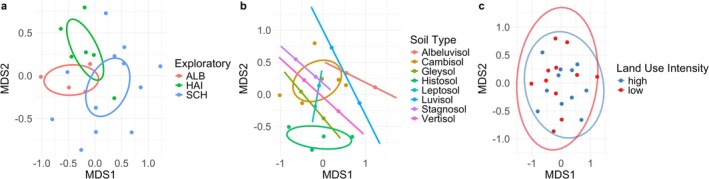 Figure 1
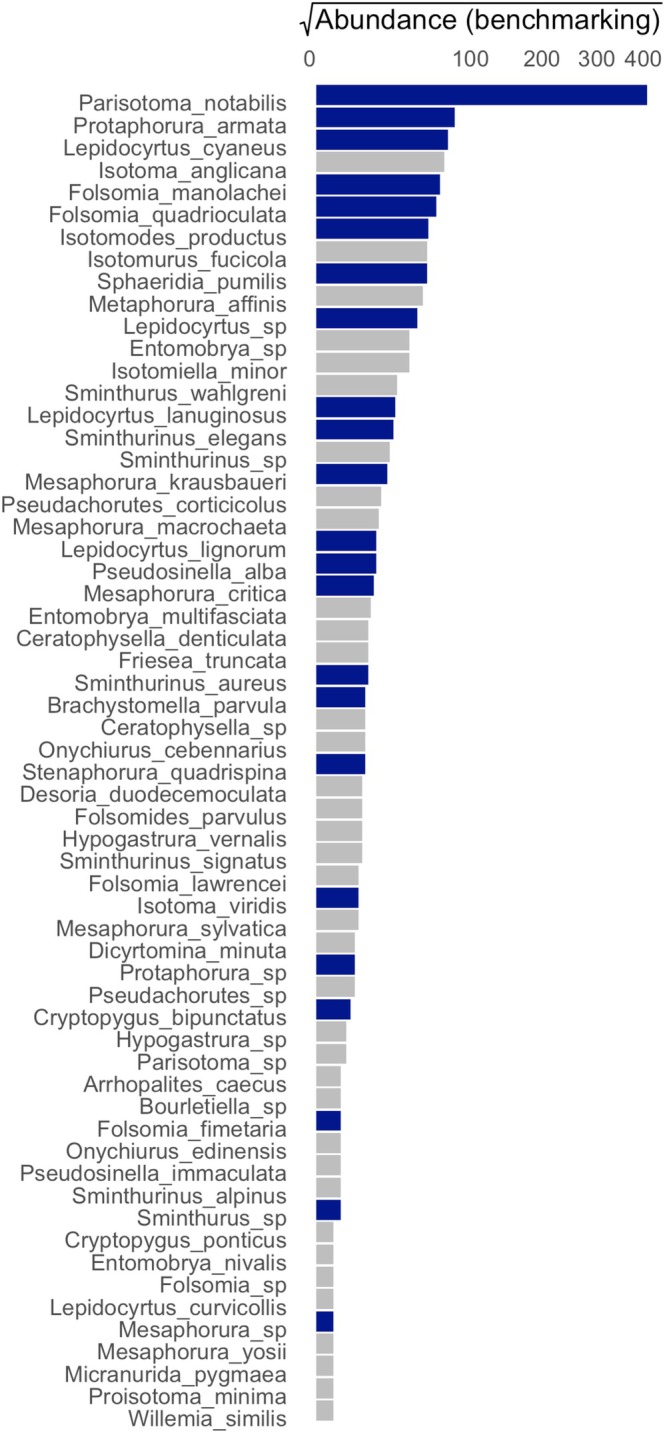 Figure 2
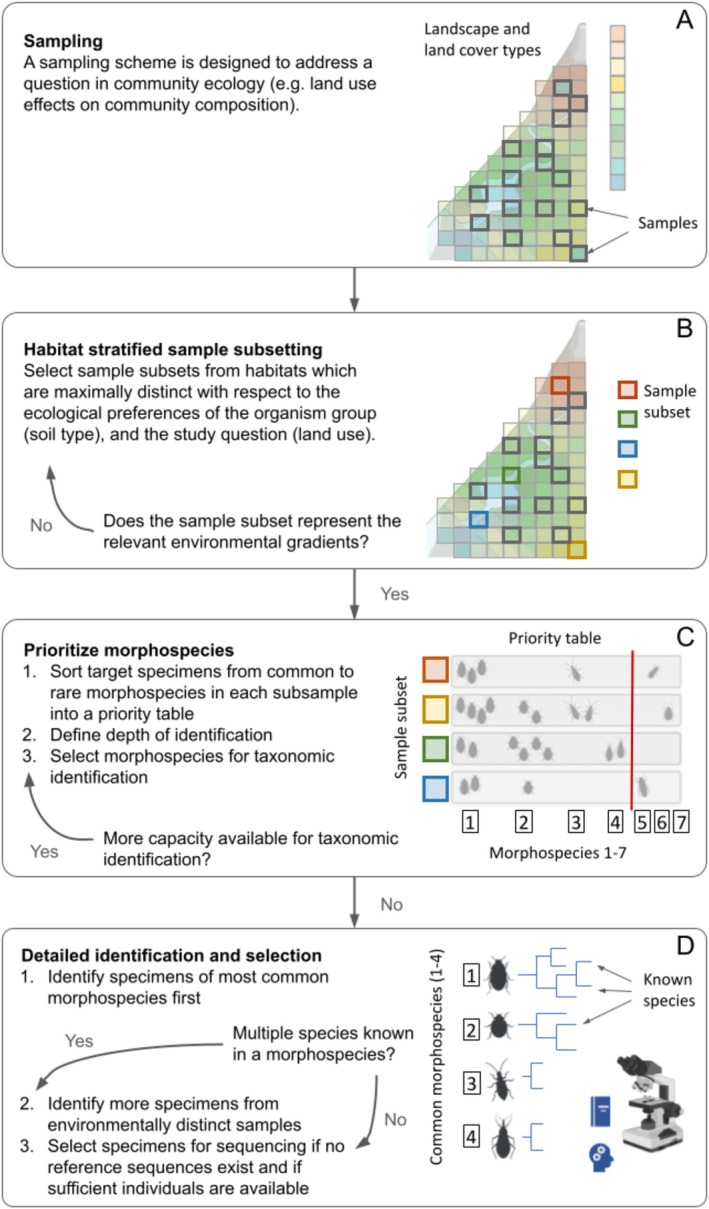 Figure 3
 Figure 4
Peer Reviews
No public reviews on file for this paper yet. If you reviewed it on a platform where reviews are public (OpenReview, ICLR, NeurIPS, ICML), you can paste yours below so the community can read it here.
Videos
No videos yet. Explain this paper in a talk, walkthrough, or lecture? Add one.
Taxonomy
TopicsGenomics and Phylogenetic Studies · Environmental DNA in Biodiversity Studies · Microbial Community Ecology and Physiology