Effects of HIIT at different frequencies in an aquatic environment on mental health in multimorbid older people: A randomized clinical trial
Vitória Oliveira Silva da Silva, Anand Thirupathi, Rafael Alex dos Santos Macedo, Mauricio Fagundes Santos, Ana Claudia de Oliveira Borba, Yaodong Gu, Karin Martins Gomes, Rodrigo Sudatti Delevatti, Paulo Cesar Lock Silveira, Luciano Acordi da Silva

TL;DR
A study found that high-intensity interval training in water twice a week improves sleep and mental health in older adults with multiple health issues.
Contribution
The study demonstrates that twice-weekly HIIT aqua aerobics is effective for mental health in multimorbid older adults.
Findings
Twice-weekly HIIT aqua aerobics improved sleep quality, reduced daytime sleepiness, anxiety, and depression.
Mental health benefits were not observed with once-weekly training.
HIIT in water was safe and well-tolerated by participants with multiple chronic conditions.
Abstract
•HIIT aqua aerobics twice a week improves sleep, anxiety, and depression in older adults.•Mental health benefits were observed only with a training frequency of twice per week.•HIIT in water was safe and well-tolerated by multimorbid elderly participants. HIIT aqua aerobics twice a week improves sleep, anxiety, and depression in older adults. Mental health benefits were observed only with a training frequency of twice per week. HIIT in water was safe and well-tolerated by multimorbid elderly participants. This study aimed to compare the chronic effects of High-Intensity Interval Training (HIIT) aqua aerobics performed once a week (G1) versus twice a week (G2) on sleep quality, daytime sleepiness, anxiety, and depression in older adults with multimorbidities. Both groups performed the same exercises (9 in total) with identical volume (4 sets of 30 seconds of activity followed by 30…
Genes, proteins, chemicals, diseases, species, mutations and cell lines named across the full text — each resolved to its canonical identifier and authoritative record.
Click any figure to enlarge with its caption.
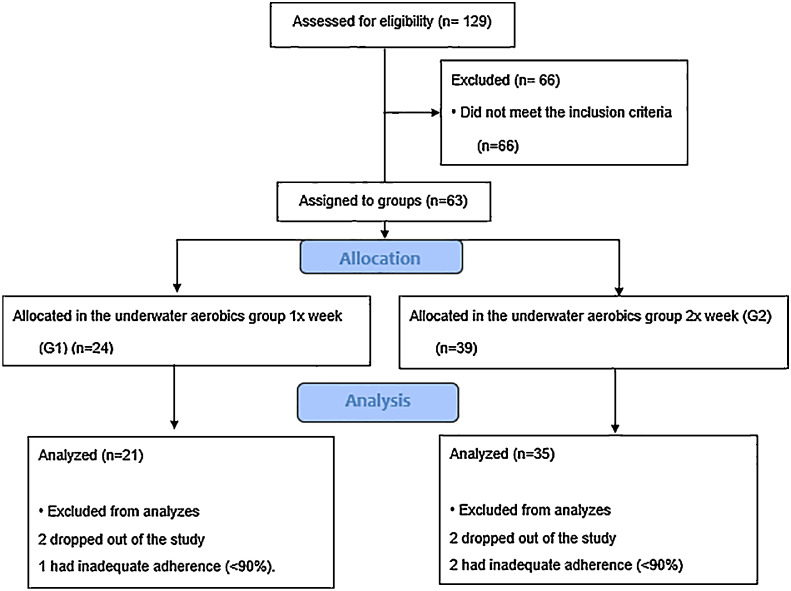 Figure 1
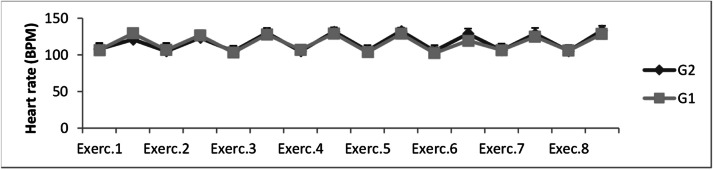 Figure 2
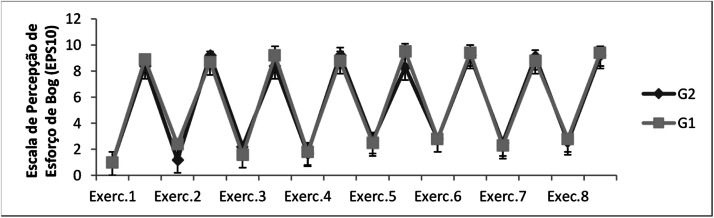 Figure 3
Peer Reviews
No public reviews on file for this paper yet. If you reviewed it on a platform where reviews are public (OpenReview, ICLR, NeurIPS, ICML), you can paste yours below so the community can read it here.
Videos
No videos yet. Explain this paper in a talk, walkthrough, or lecture? Add one.
Taxonomy
TopicsHealth and Well-being Studies