Long-term outcome and complications of acute correction of canine antebrachial deformities with patient-specific three-dimensional printed osteotomy and reduction guides in 15 dogs
Emmanouil Tzimtzimis, Scott Rutherford

TL;DR
This study shows that using 3D-printed guides to correct dog arm deformities leads to good long-term results with minimal complications.
Contribution
The use of patient-specific 3D-printed osteotomy and reduction guides for acute correction of canine antebrachial deformities is evaluated for long-term outcomes.
Findings
19 out of 20 limbs had full function after a mean follow-up of 23 months.
Major complications included surgical site infection and implant-related soft tissue irritation, both successfully treated.
No intraoperative or catastrophic complications occurred.
Abstract
To describe the owner-perceived long-term outcome and complications following acute correction of antebrachial deformities in dogs using patient-specific, three-dimensional (3D)-printed osteotomy and reduction guides and internal fixation. Retrospective study of 15 dogs (20 limbs). Medical records of dogs with antebrachial deformities corrected using patient-specific 3D-printed osteotomy/reduction guides and internal fixation with bone plates and a minimum of 1 year of owner follow-up were reviewed. Data collected included patient and surgical details, perioperative, short-, mid-, and long-term outcomes, as well as complications. Pre-surgical planning involved Computer-Aided Design (CAD) subjective segment orientation, from which patient-specific osteotomy and reduction guides were created. All but one (19/20) limb had full function, and one limb had acceptable function at a mean…
Genes, proteins, chemicals, diseases, species, mutations and cell lines named across the full text — each resolved to its canonical identifier and authoritative record.
Click any figure to enlarge with its caption.
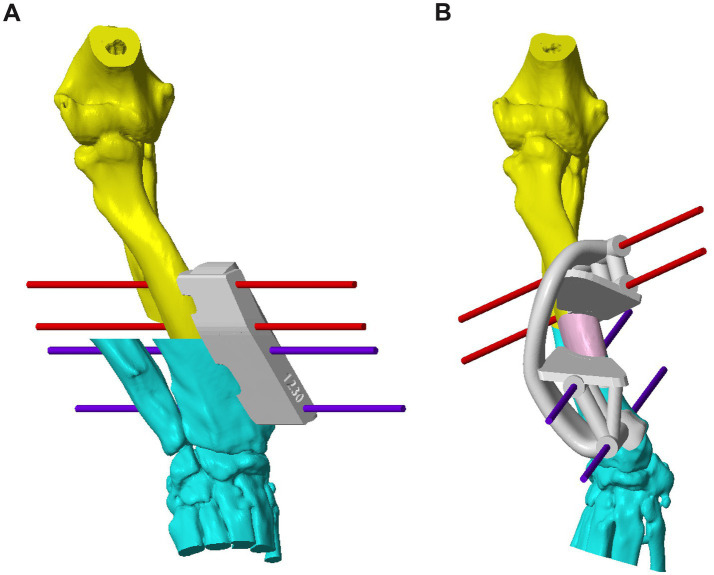 Figure 1
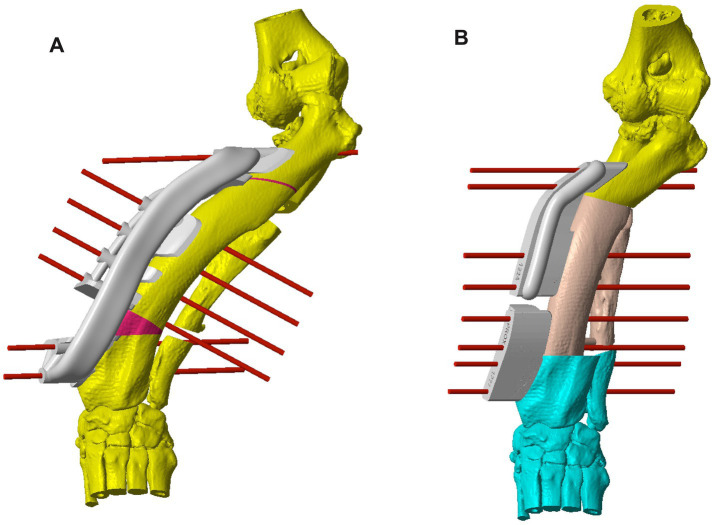 Figure 2
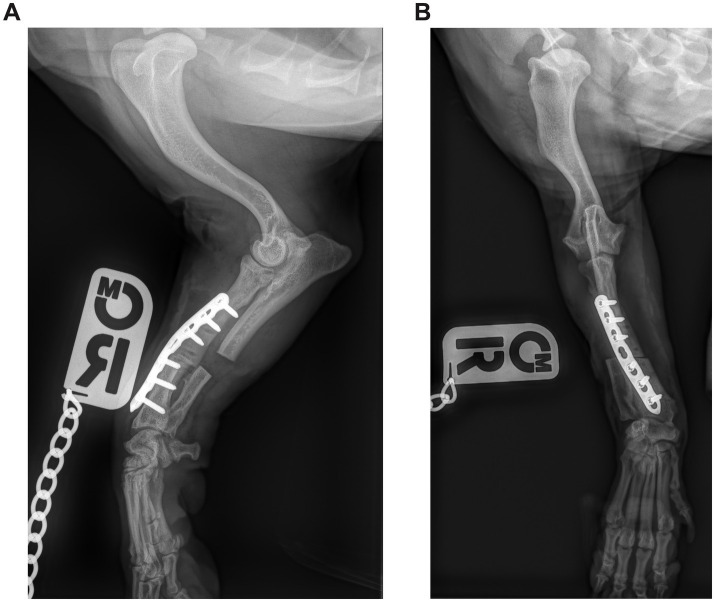 Figure 3
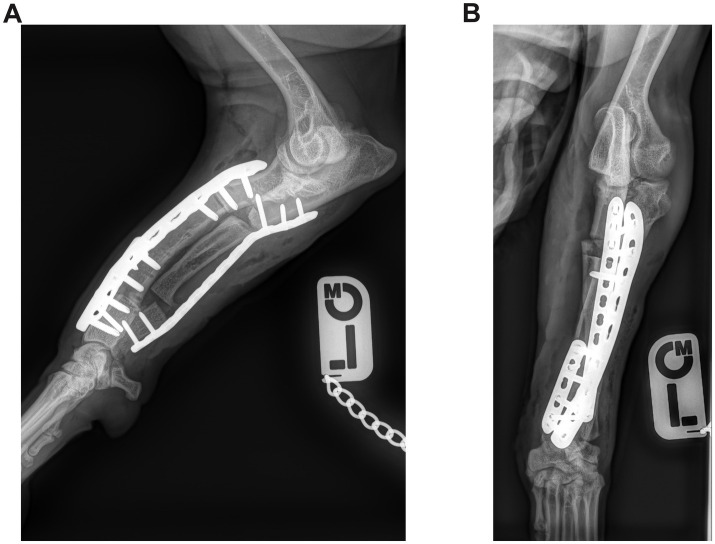 Figure 4
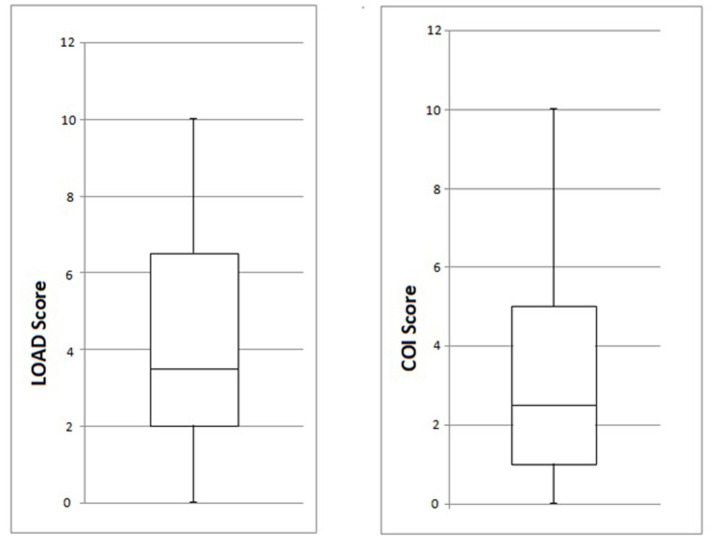 Figure 5
Peer Reviews
No public reviews on file for this paper yet. If you reviewed it on a platform where reviews are public (OpenReview, ICLR, NeurIPS, ICML), you can paste yours below so the community can read it here.
Videos
No videos yet. Explain this paper in a talk, walkthrough, or lecture? Add one.
Taxonomy
TopicsVeterinary Orthopedics and Neurology · Veterinary Oncology Research · dental development and anomalies