A guide to selecting high-performing antibodies for VCP (UniProt ID: P55072) for use in western blot, immunoprecipitation, and immunofluorescence
Vera Ruíz Moleón, Maryam Fotouhi, Joel Ryan, Donovan Worrall, Riham Ayoubi, Vincent Francis, Peter S McPherson, Carl Laflamme, Karen Bowman, Deborah Moshinsky

TL;DR
This paper provides a guide to selecting high-quality antibodies for VCP to aid research in cellular processes and disease mechanisms.
Contribution
A systematic evaluation of sixteen VCP antibodies across multiple techniques to improve reproducibility and guide researchers.
Findings
Sixteen VCP antibodies were tested for western blot, immunoprecipitation, and immunofluorescence.
Results are part of a collaborative initiative to improve antibody reproducibility and transparency.
The study encourages researchers to use these findings to choose the best antibodies for their experiments.
Abstract
Valosin-containing protein (VCP) is a highly conserved and essential ATPase involved in many cellular processes like neuronal function, protein degradation, organelle maintenance, and stress response regulation. Understanding the specific mechanisms by which VCP plays in health and disease can provide novel insides in therapeutic targets, a process that would be facilitated by the availability of high-quality antibodies. Here we have characterized sixteen VCP commercial antibodies for western blot, immunoprecipitation, and immunofluorescence using a standardized experimental protocol based on comparing read-outs in knockout cell lines and isogenic parental controls. These studies are part of a larger, collaborative initiative seeking to address antibody reproducibility issues by characterizing commercially available antibodies for human proteins and publishing the results openly as a…
Genes, proteins, chemicals, diseases, species, mutations and cell lines named across the full text — each resolved to its canonical identifier and authoritative record.
Click any figure to enlarge with its caption.
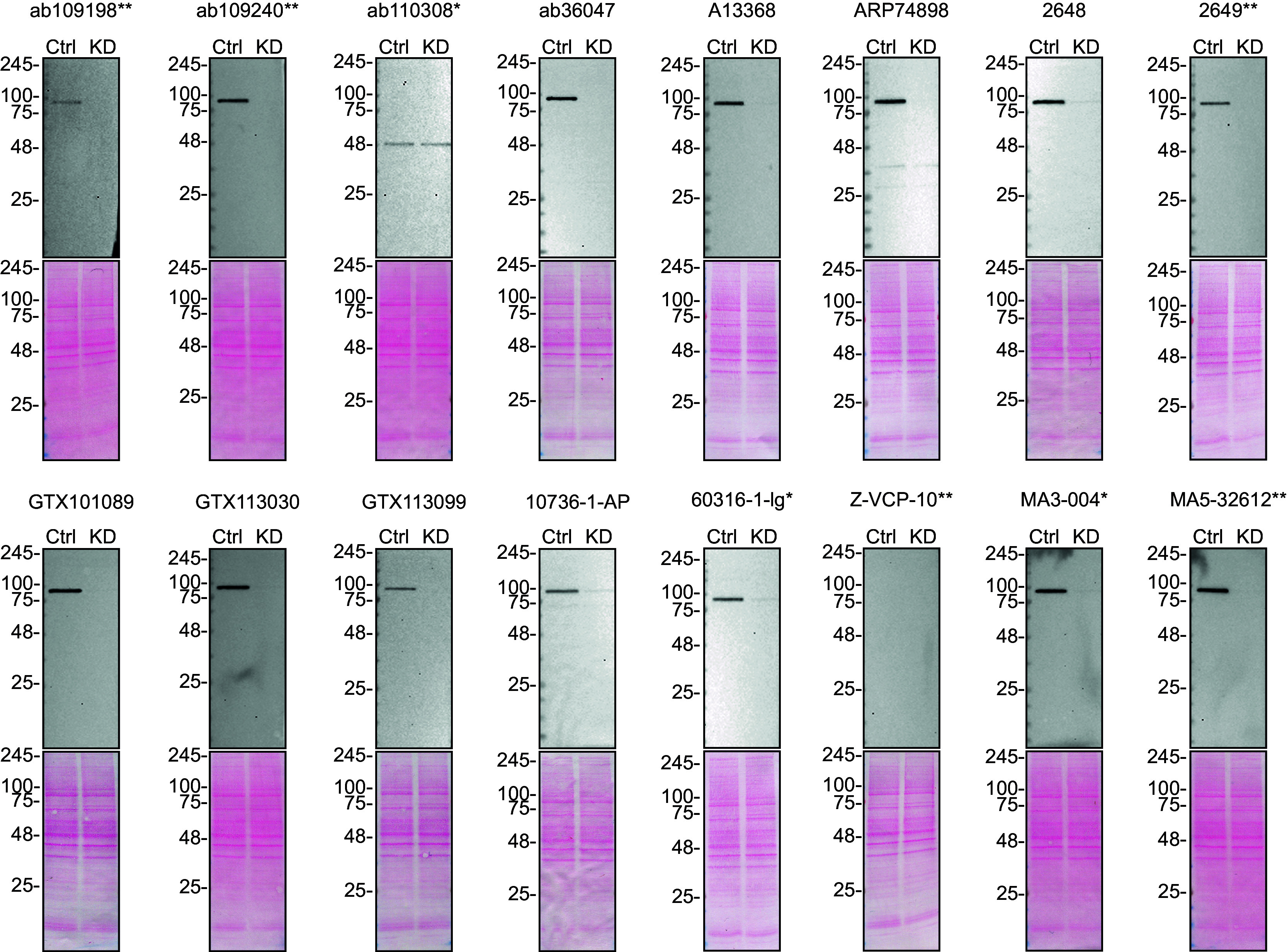 Figure 1
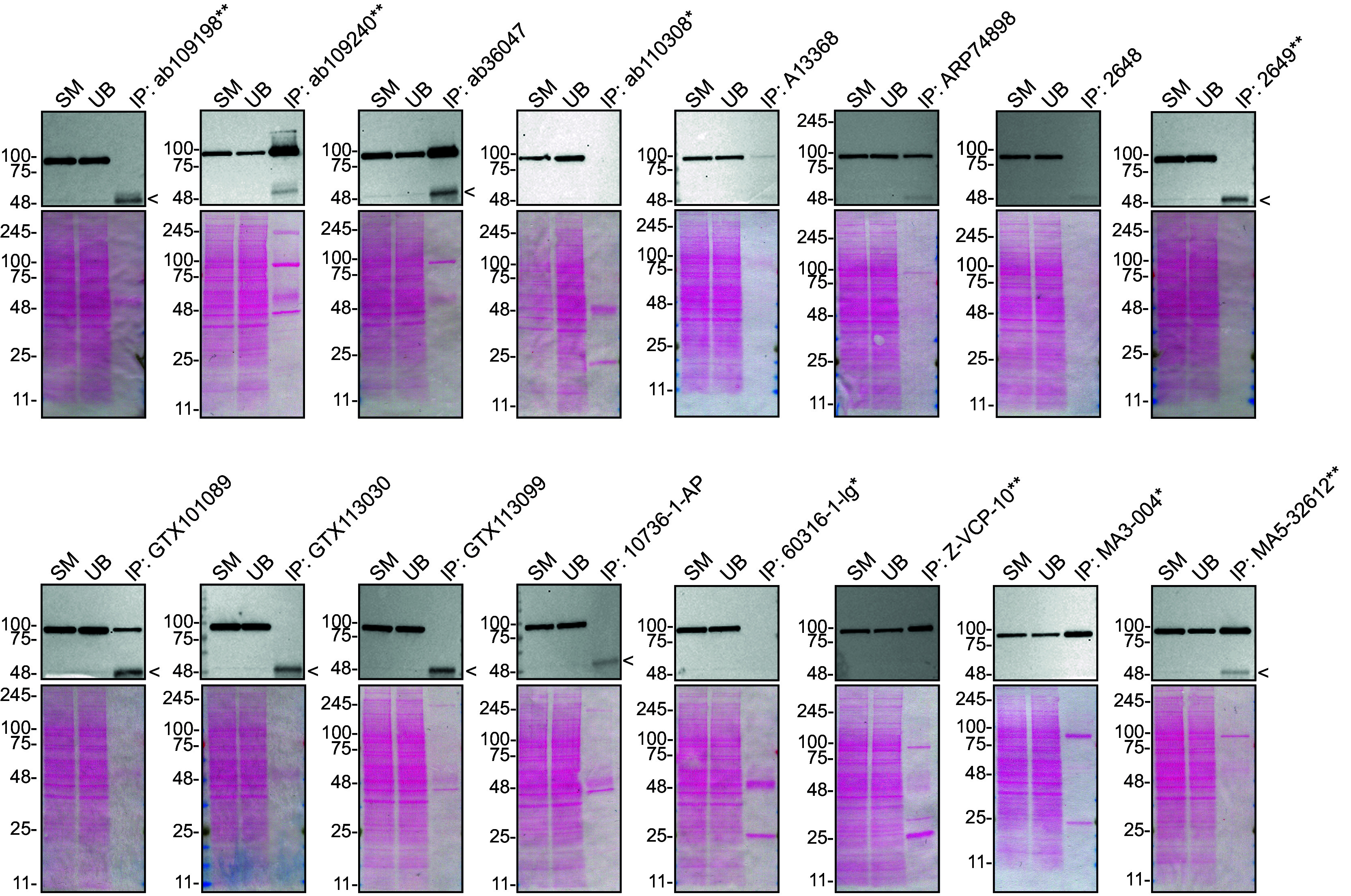 Figure 2
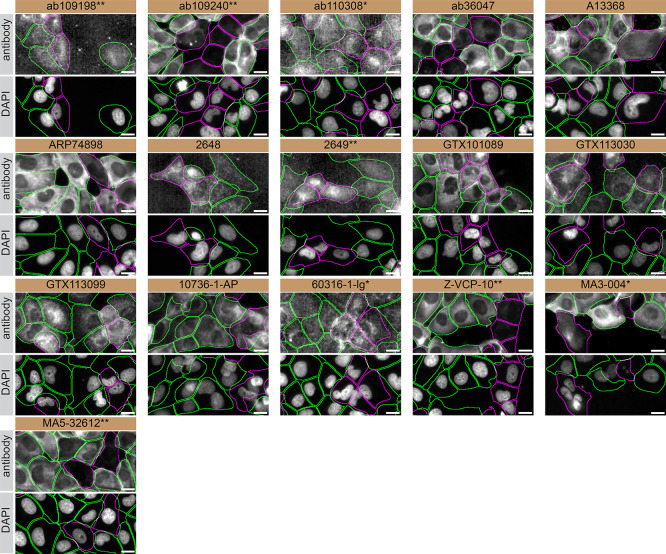 Figure 3
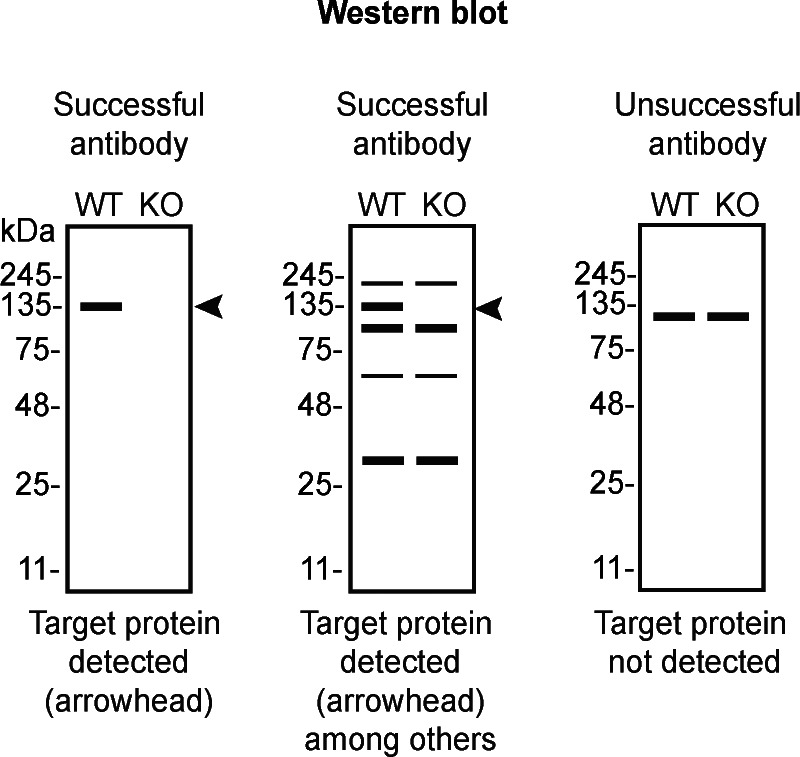 Figure 4
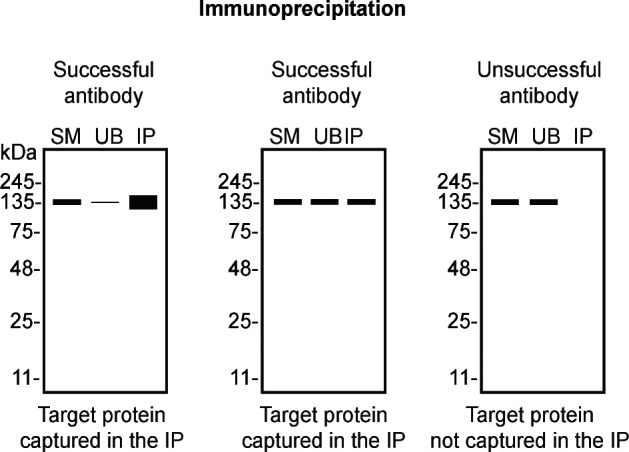 Figure 5
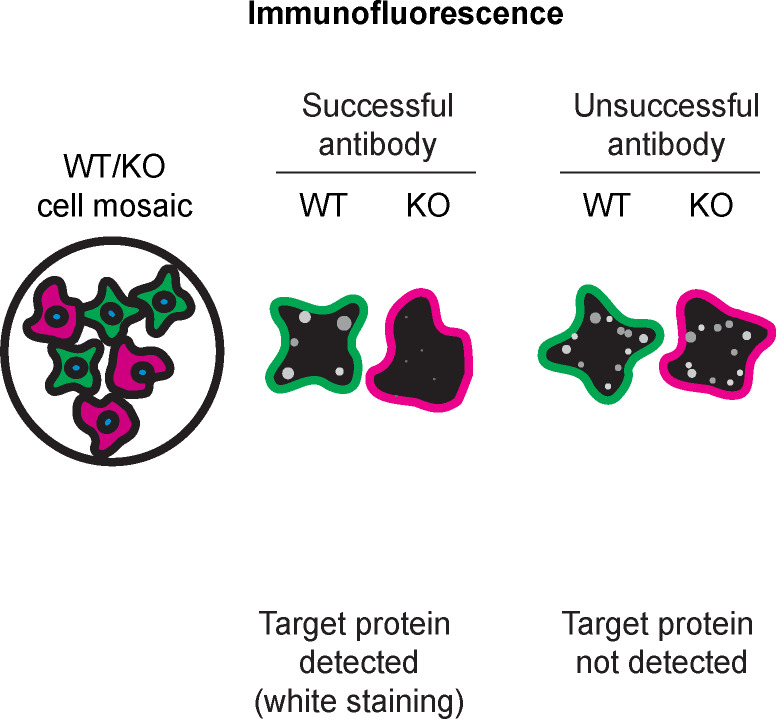 Figure 6
Peer Reviews
No public reviews on file for this paper yet. If you reviewed it on a platform where reviews are public (OpenReview, ICLR, NeurIPS, ICML), you can paste yours below so the community can read it here.
Videos
No videos yet. Explain this paper in a talk, walkthrough, or lecture? Add one.
Taxonomy
TopicsEndoplasmic Reticulum Stress and Disease · Virus-based gene therapy research · Adenosine and Purinergic Signaling