A Case Series Characterizing the Spectrum of Colonic Perforation: A Retrospective Study From a Tertiary Care Center in Central India
Anjani Goli, Krishnanand Anand, Abhimanyu Yadav, Priya S Kushwah

TL;DR
This study examines 15 cases of colonic perforation in Central India, highlighting the importance of early diagnosis and tailored surgical treatment for better patient outcomes.
Contribution
The study provides a detailed case series from a Central Indian tertiary center, emphasizing the spectrum and management of colonic perforation in a resource-limited setting.
Findings
The transverse colon was the most common site of perforation, followed by the sigmoid and descending colon.
Iatrogenic and colonoscopy-related causes were identified among the etiologies, alongside infectious and inflammatory factors.
Surgical strategies included Hartmann’s procedure, primary repair, and repair with stoma, based on contamination and patient stability.
Abstract
Background Colonic perforation is a rare but life-threatening surgical emergency with a broad spectrum of etiologies and presentations. This retrospective case series from a tertiary care center in Central India analyzes 15 consecutive cases to describe patient demographics, clinical features, diagnostic findings, perforation sites, etiologies (including iatrogenic and colonoscopy-related), management strategies, and outcomes, with an emphasis on early recognition and tailored surgical intervention. Methodology This retrospective, observational study included adults with confirmed colonic perforation treated between January 2022 and March 2025 at a tertiary care hospital in Central India. Data collection encompassed demographics, clinical presentation, duration of symptoms, diagnostic workup (imaging modalities, including X-ray and CT, and colonoscopy when available), perforation…
Genes, proteins, chemicals, diseases, species, mutations and cell lines named across the full text — each resolved to its canonical identifier and authoritative record.
Click any figure to enlarge with its caption.
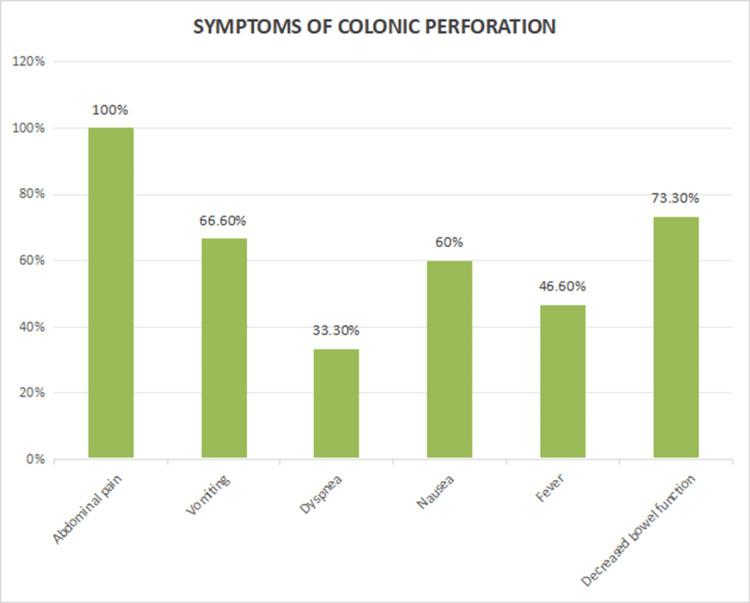 Figure 1
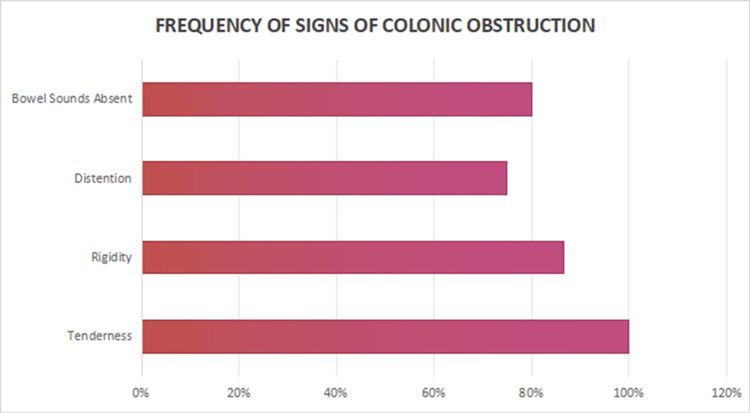 Figure 2
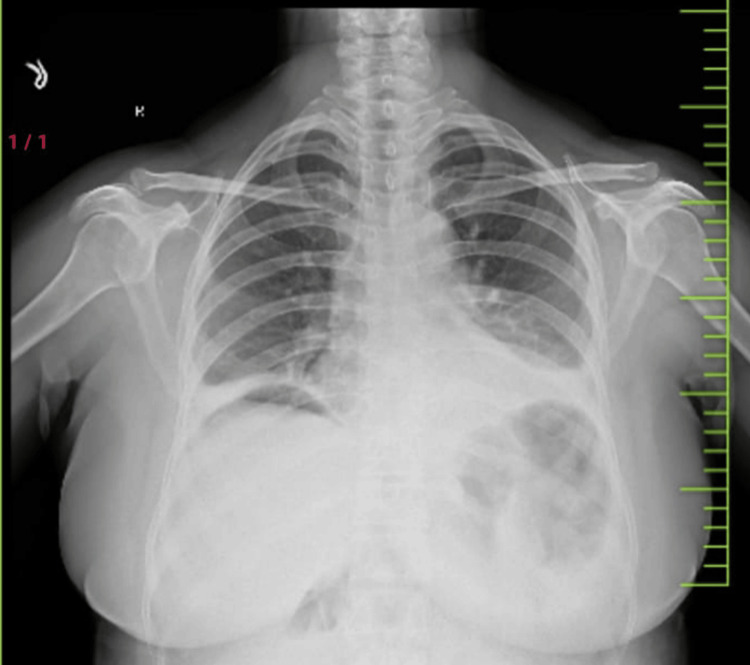 Figure 3
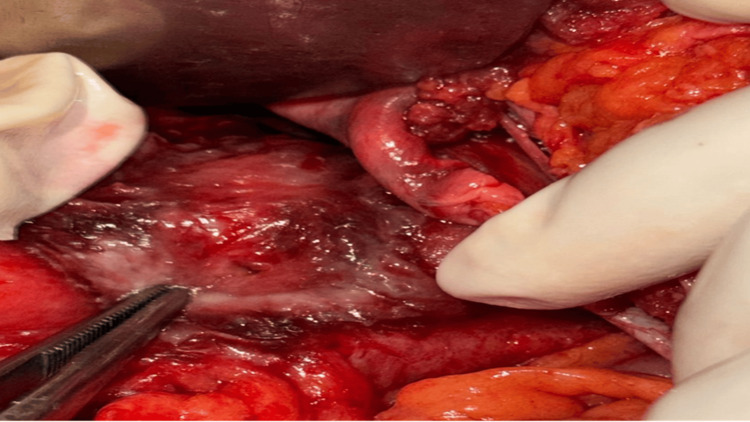 Figure 4
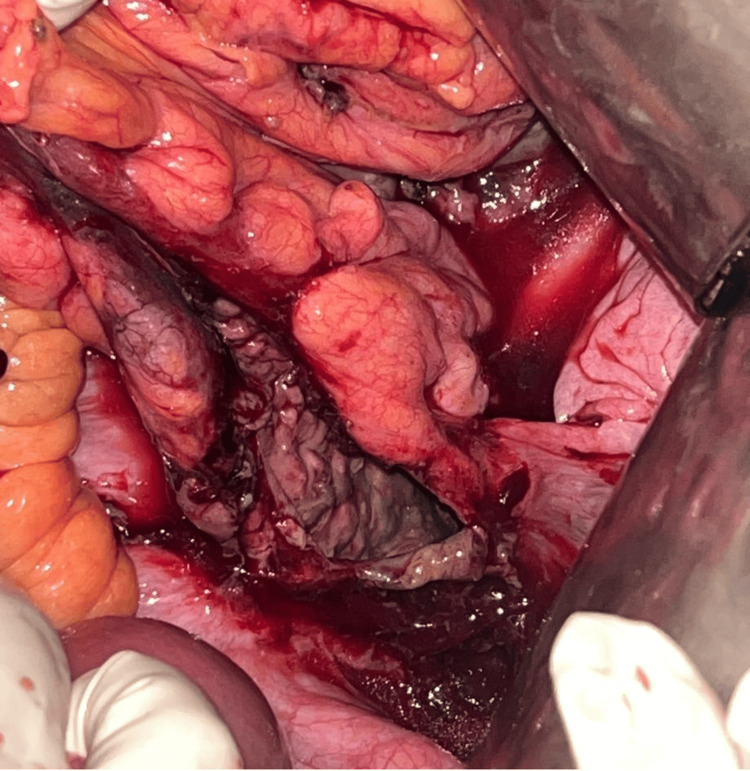 Figure 5
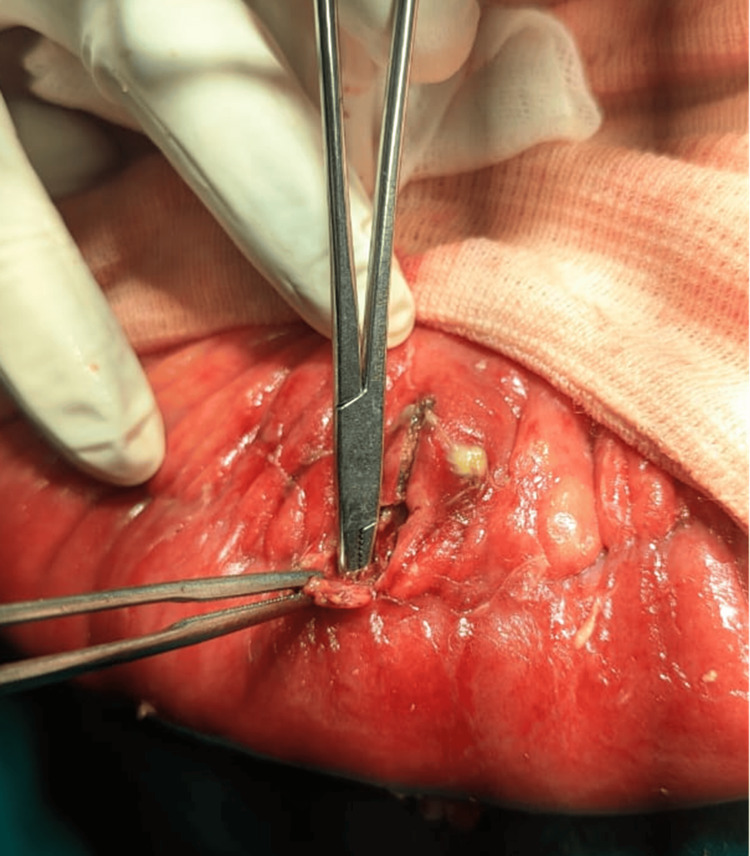 Figure 6
Peer Reviews
No public reviews on file for this paper yet. If you reviewed it on a platform where reviews are public (OpenReview, ICLR, NeurIPS, ICML), you can paste yours below so the community can read it here.
Videos
No videos yet. Explain this paper in a talk, walkthrough, or lecture? Add one.
Taxonomy
TopicsDiverticular Disease and Complications · Gastrointestinal disorders and treatments · Esophageal and GI Pathology