Assessing the neuroendocrine and psychological effects of acute everolimus administration in healthy male participants
Lucie Jacquet, Anna Lena Friedel, Elisa Orth, Nathalie Reiser, Tina Hörbelt-Grünheidt, Sophie Wiczoreck, Oliver Witzke, Manfred Schedlowski, Marie Jakobs

TL;DR
The study found that a single dose of everolimus in healthy men did not cause neuroendocrine or psychological side effects like anxiety or depression.
Contribution
The study provides new evidence on the dose-dependent effects of everolimus on psychiatric and neuroendocrine outcomes in healthy individuals.
Findings
Acute everolimus intake did not alter cortisol, noradrenaline, or DHEA-S levels.
Everolimus did not induce anxiety or depression-like symptoms in healthy men.
Results differ from studies using lower everolimus doses, suggesting a possible dose-dependent effect.
Abstract
Previous experimental studies have shown that immunosuppressive mechanistic target of rapamycin inhibitors can induce neuropsychological changes, such as anxiety and depression, in healthy rodents. Furthermore, psychiatric conditions including anxiety have been reported in transplant patients and healthy subjects receiving the mechanistic target of rapamycin inhibitor everolimus. Thus, the present study aimed to further investigate the potentially dose-dependent neuroendocrine and psychological adverse side effects of acute everolimus intake in healthy male subjects. To this end, P70S6 kinase and Akt expression and phosphorylation in peripheral mononuclear blood cells as well as plasma and saliva cortisol, plasma noradrenaline and plasma dehydroepiandrosterone sulfate have been evaluated via western blotting and ELISA. State anxiety and depression have been assessed using…
Genes, proteins, chemicals, diseases, species, mutations and cell lines named across the full text — each resolved to its canonical identifier and authoritative record.
Click any figure to enlarge with its caption.
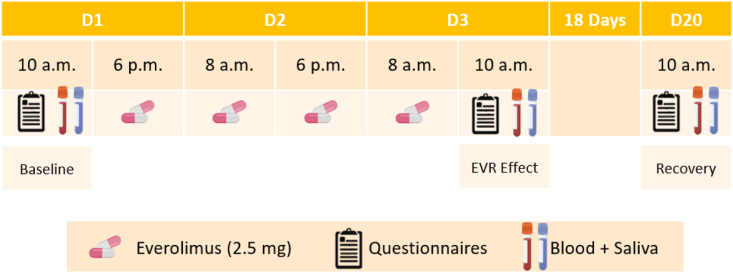 Figure 1
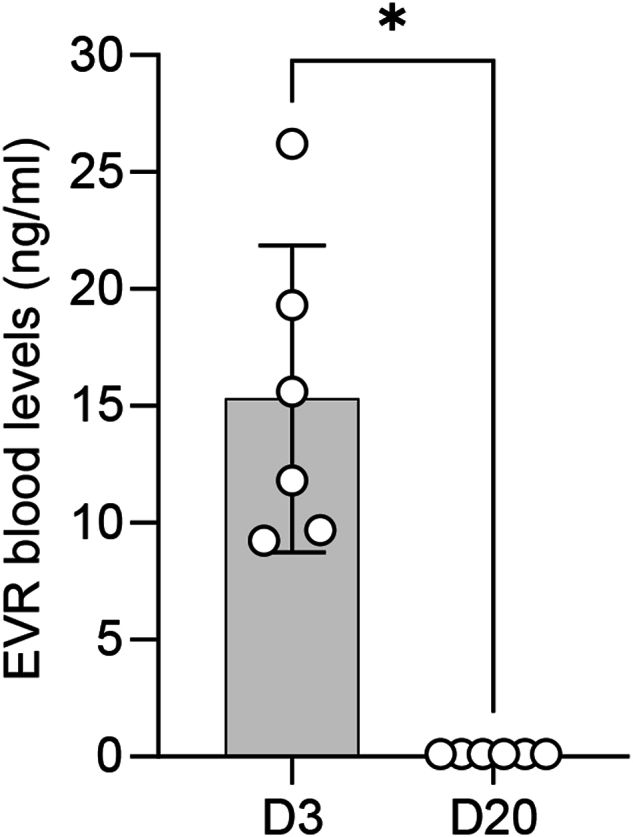 Figure 2
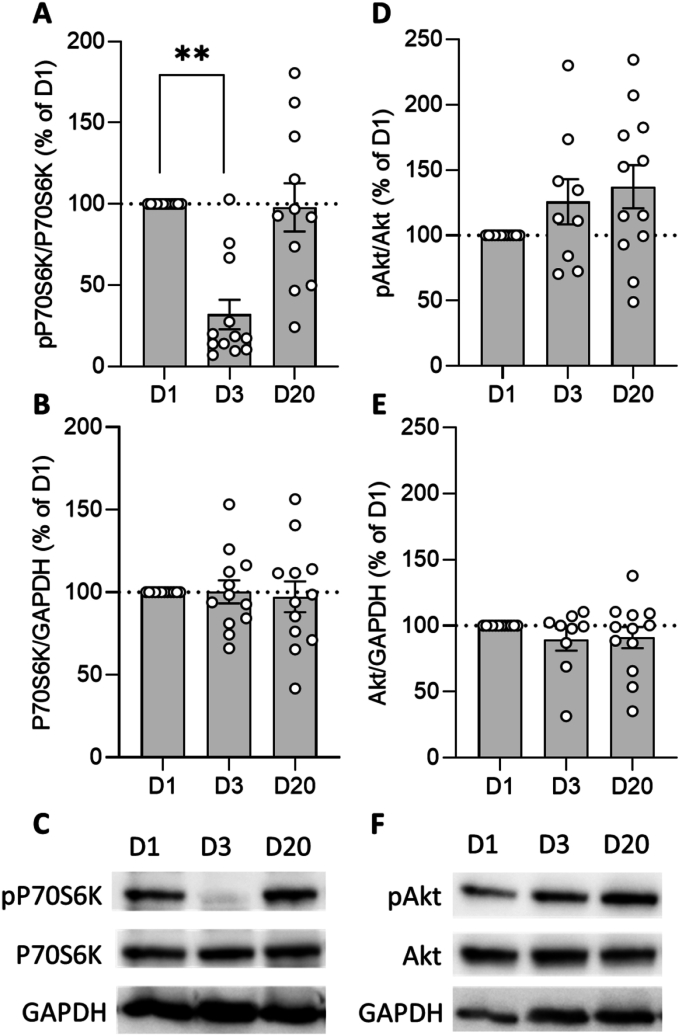 Figure 3
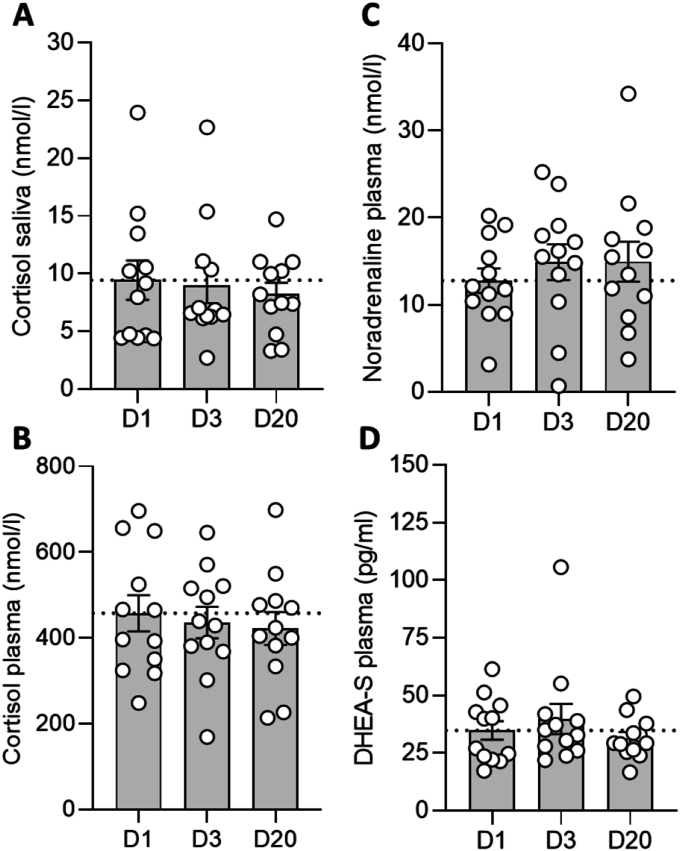 Figure 4
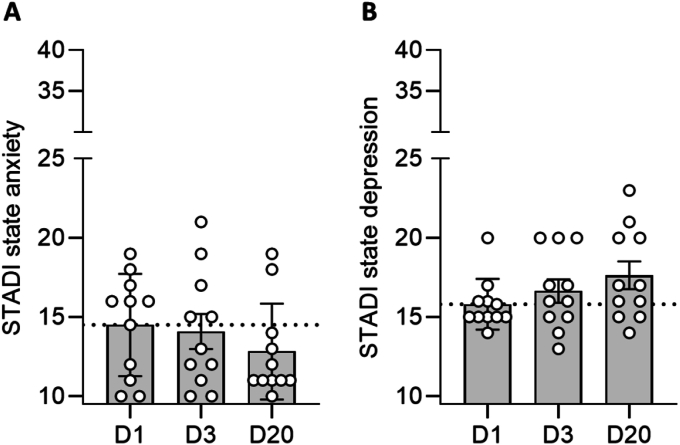 Figure 5
Peer Reviews
No public reviews on file for this paper yet. If you reviewed it on a platform where reviews are public (OpenReview, ICLR, NeurIPS, ICML), you can paste yours below so the community can read it here.
Videos
No videos yet. Explain this paper in a talk, walkthrough, or lecture? Add one.
Taxonomy
TopicsPancreatic function and diabetes · Bipolar Disorder and Treatment · Adenosine and Purinergic Signaling