Cysteine redoxome landscape in the liver of male mice fed a high-fat high-sucrose diet
Cynthia M. Galicia-Medina, Hein Ko Oo, Takumi Nishiuchi, Ryota Tanida, Tuerdiguli Abuduyimiti, Hisanori Goto, Yujiro Nakano, Yumie Takeshita, Kiyo-aki Ishii, Takashi Toyama, Yoshiro Saito, Hiroaki Takayama, Toshinari Takamura

TL;DR
This study maps cysteine redox changes in mouse livers on a high-fat high-sucrose diet, finding specific redox-sensitive residues linked to energy and redox pathways.
Contribution
A comprehensive strategy to map the cysteine redoxome in response to a high-fat high-sucrose diet in mice.
Findings
HFHSD induces dynamic redox changes in 169 cysteine residues across 35 key metabolic and redox pathways.
Redox-sensitive cysteines are enriched in mitochondria and cytosol for oxidation, and extracellular regions for reduction.
Cysteine residues sensitive to reduction are surface-exposed and involved in disulfide bond formation, acting as molecular switches.
Abstract
Reversible cysteine posttranslational modifications serve as a “switch” for protein structure-function dynamics. Herein, we applied a comprehensive strategy to map the cysteine redoxome by pinpointing over 5000 oxidized and reduced cysteine residues in the liver of male mice fed either a normal chow diet or a high-fat/high-sucrose diet (HFHSD). The global and subcellular distribution of oxidized and reduced cysteine residues remained stable across both diet groups, indicating that HFHSD does not induce widespread shifts in cysteine redox equilibrium. Proteomic analyses revealed that HFHSD upregulates proteins involved in genomic stability, lipid detoxification, and energy regulation, while downregulating those linked to detoxification and metabolic flexibility. Notably, 169 cysteine residues exhibited dynamic redox changes in response to HFHSD, mapping to 35 Kyoto Encyclopedia of Genes…
Genes, proteins, chemicals, diseases, species, mutations and cell lines named across the full text — each resolved to its canonical identifier and authoritative record.
Click any figure to enlarge with its caption.
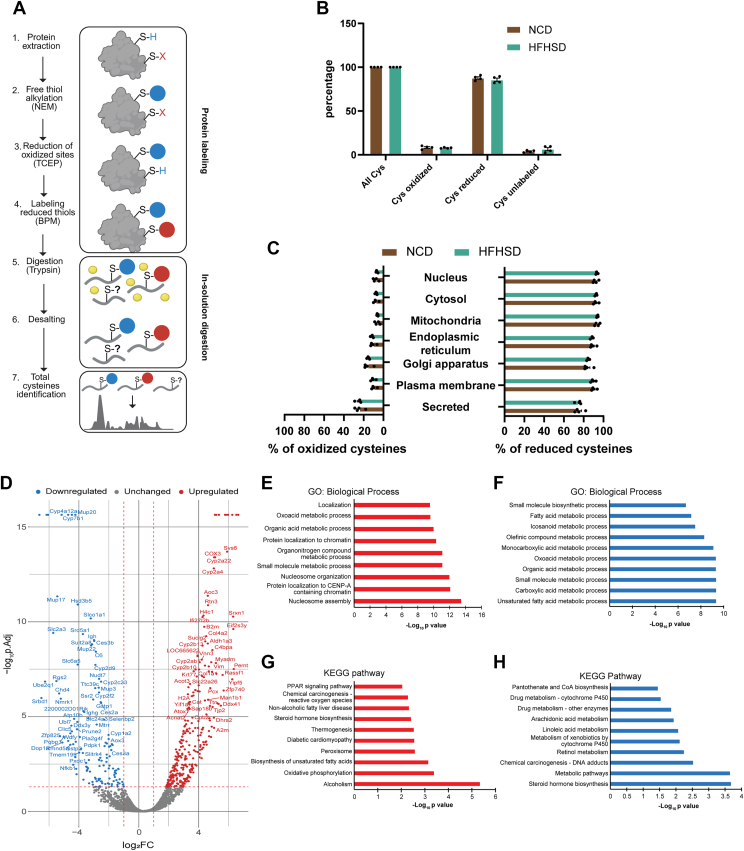 Figure 1
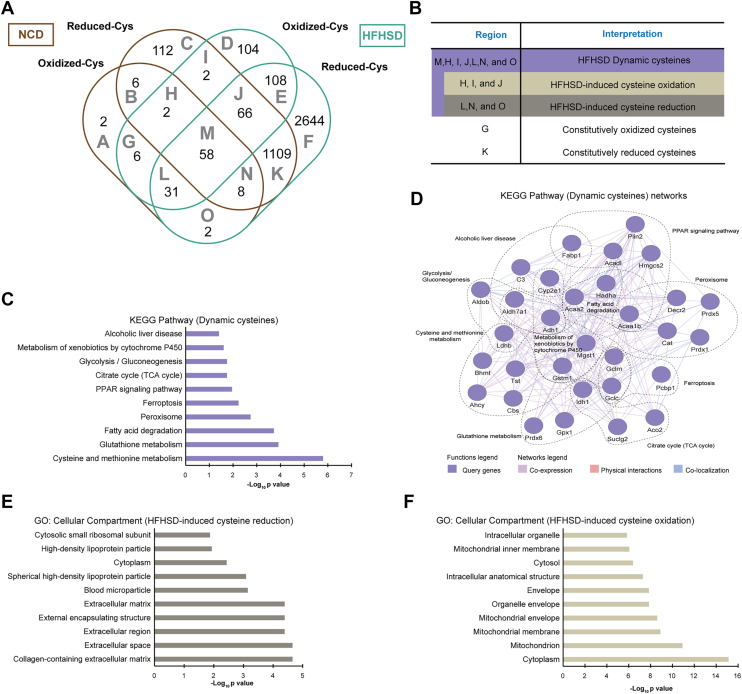 Figure 2
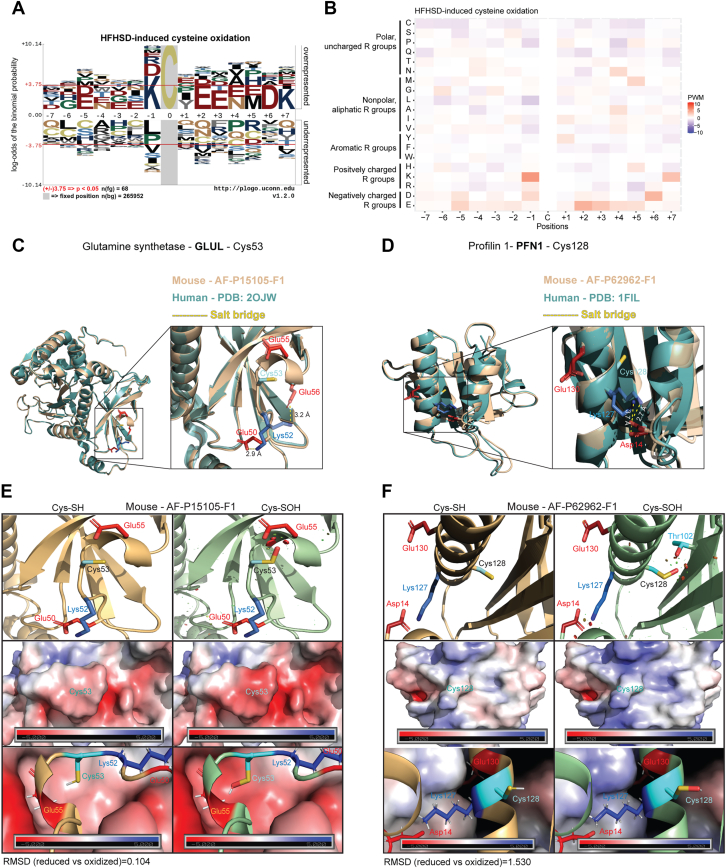 Figure 3
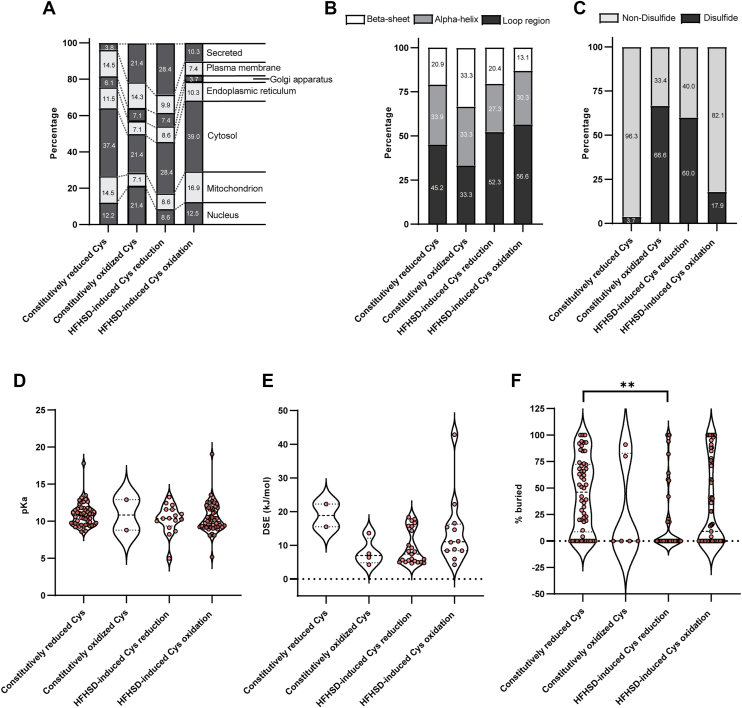 Figure 4
Peer Reviews
No public reviews on file for this paper yet. If you reviewed it on a platform where reviews are public (OpenReview, ICLR, NeurIPS, ICML), you can paste yours below so the community can read it here.
Videos
No videos yet. Explain this paper in a talk, walkthrough, or lecture? Add one.
Taxonomy
TopicsBiochemical effects in animals · Birth, Development, and Health · Aldose Reductase and Taurine