The lipid phosphatase INPP4B controls pancreatic cancer cell migration and invasion by regulating fibronectin exocytosis
Golam T. Saffi, Nicholas Kleine, Leonardo Salmena

TL;DR
This study shows how the lipid phosphatase INPP4B promotes aggressive behavior in pancreatic cancer by controlling fibronectin exocytosis and cell migration.
Contribution
The study reveals a novel mechanism by which INPP4B regulates fibronectin exocytosis and cancer cell invasion in pancreatic ductal adenocarcinoma.
Findings
INPP4B promotes fibronectin 1 secretion via TRPML1-dependent lysosomal exocytosis.
FN1 exocytosis is essential for INPP4B's role in F-actin formation and cell migration.
The INPP4B–TRPML1–FN1 axis contributes to PDAC aggressiveness and is a potential therapeutic target.
Abstract
Increased expression of inositol polyphosphate 4-phosphatase, type II (INPP4B) correlates with aggressive phenotypes in pancreatic ductal adenocarcinoma (PDAC). Although prior studies have linked INPP4B to lysosome positioning, exocytosis, and enhanced cell migration and invasion in PDAC, the specific mechanisms underlying these processes remain unclear. In this study, we demonstrate that INPP4B promotes fibronectin 1 (FN1) secretion via transient receptor potential cation channel mucolipin subfamily member 1–dependent lysosomal exocytosis. In addition, we show that INPP4B-mediated regulation of F-actin formation, focal adhesion kinase activation, and increased cell migration and invasion depend on FN1 exocytosis. These findings underscore the INPP4B–transient receptor potential cation channel mucolipin subfamily member 1–FN1 axis as a critical contributor to PDAC aggressiveness and…
Genes, proteins, chemicals, diseases, species, mutations and cell lines named across the full text — each resolved to its canonical identifier and authoritative record.
Click any figure to enlarge with its caption.
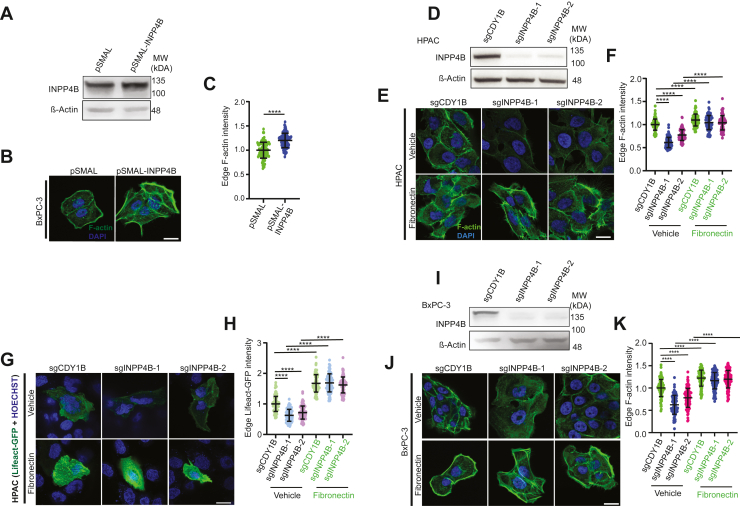 Figure 1
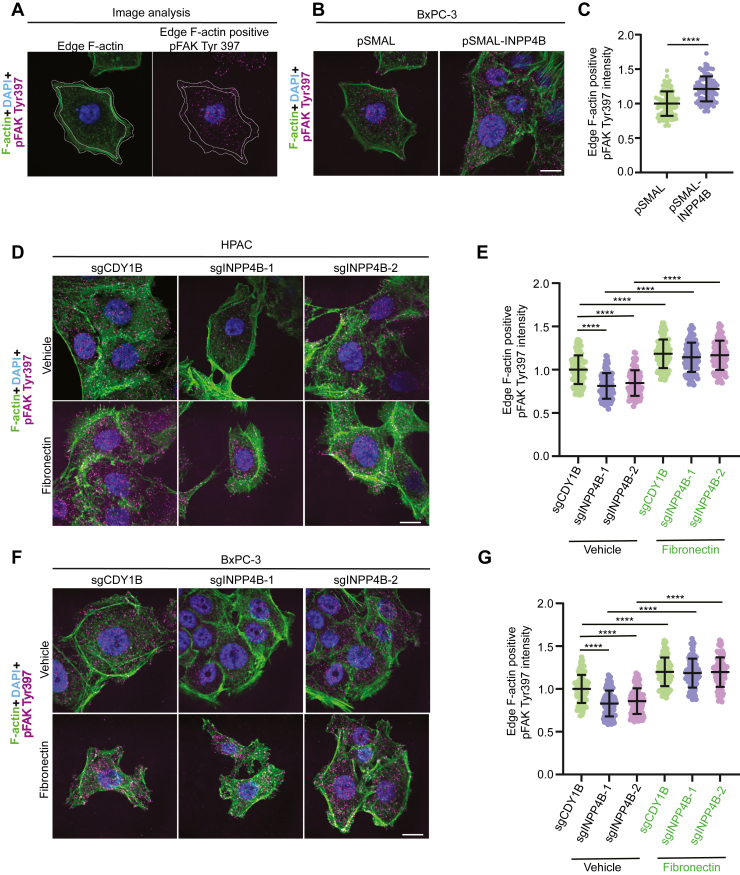 Figure 2
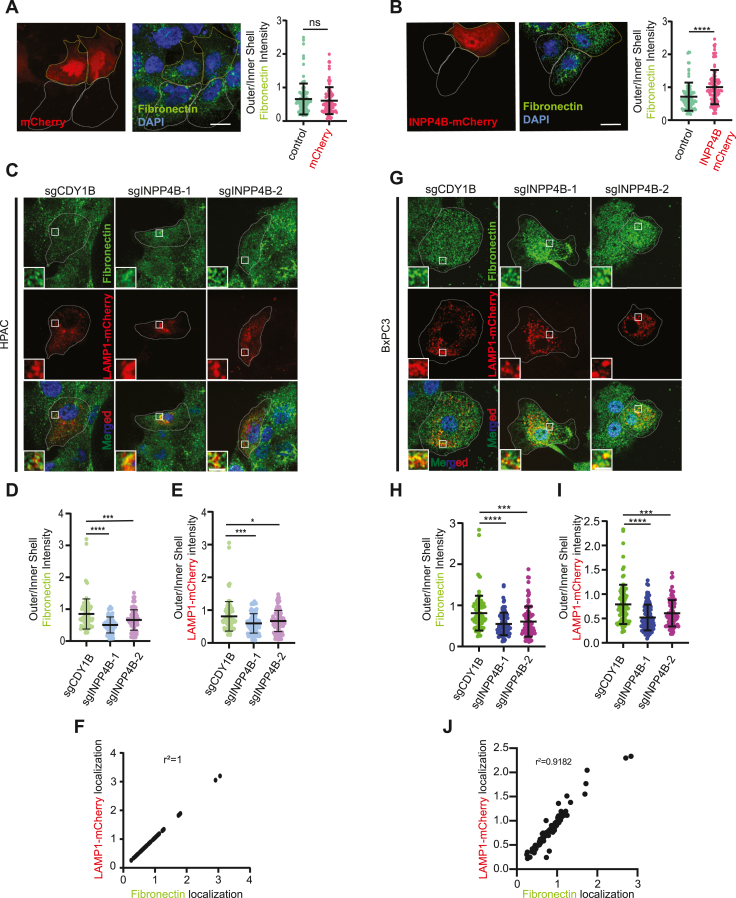 Figure 3
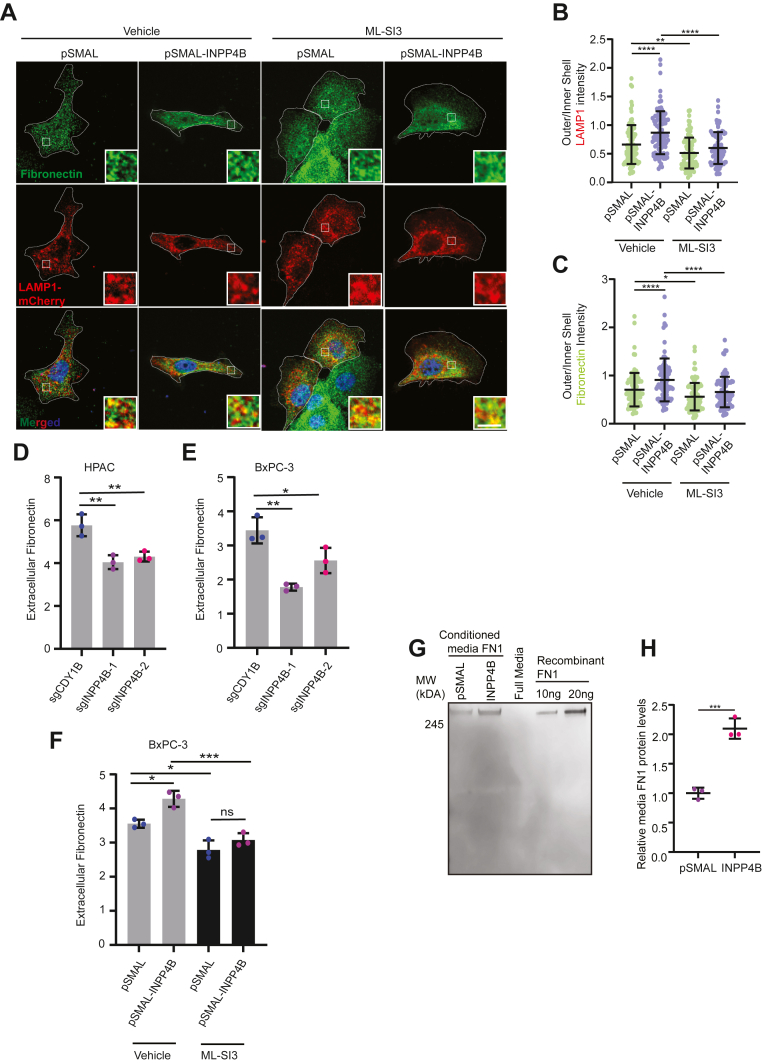 Figure 4
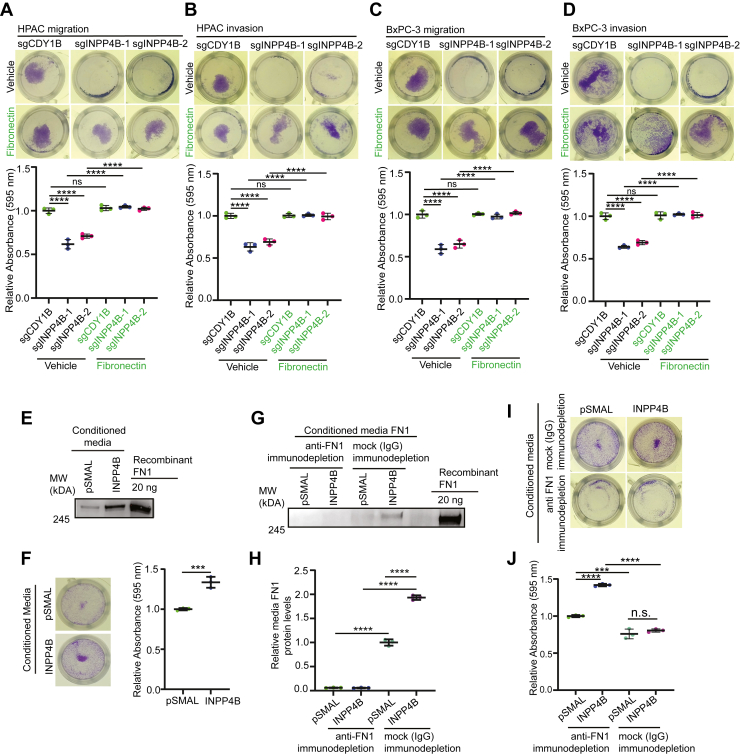 Figure 5
Peer Reviews
No public reviews on file for this paper yet. If you reviewed it on a platform where reviews are public (OpenReview, ICLR, NeurIPS, ICML), you can paste yours below so the community can read it here.
Videos
No videos yet. Explain this paper in a talk, walkthrough, or lecture? Add one.
Taxonomy
TopicsAutophagy in Disease and Therapy · Cell death mechanisms and regulation · Endoplasmic Reticulum Stress and Disease