Siblings of FBXL4-related mitochondrial DNA depletion syndrome, leading to fatal fulminant pneumonia
Takato Akiba, Shino Shimada, Shimpei Matsuda, Shoji Ishida, Yosuke Baba, Atsushi Yamashita, Hiromichi Shoji, Yasushi Okazaki, Kei Murayama

TL;DR
Two siblings with a rare mitochondrial disease caused by FBXL4 gene variants died from severe pneumonia, suggesting the condition may impair the body's ability to fight lung infections.
Contribution
Identifies a novel clinical manifestation of FBXL4-MTDPS as increased susceptibility to fatal pneumonia.
Findings
Two siblings with FBXL4-MTDPS died from fulminant pneumonia in infancy.
Autopsy showed severe bacterial lung infection as the cause of death.
FBXL4-MTDPS may impair pulmonary infection defense mechanisms.
Abstract
The F-box and leucine-rich repeat protein 4 (FBXL4) is a nuclear encoded mitochondrial protein essential for mitochondrial DNA (mtDNA) maintenance. Biallelic variants in FBXL4 cause FBXL4-related mitochondrial DNA depletion syndrome (FBXL4-MTDPS), characterized by lactic acidosis and developmental delay. We report two siblings diagnosed with FBXL4-MTDPS who died of fulminant pneumonia in infancy; autopsy revealed extensive pulmonary inflammation consistent with severe bacterial infection. FBXL4-MTDPS may involve intrinsic defects in pulmonary infection defense, increasing susceptibility to fatal infection such as pneumonia.
Genes, proteins, chemicals, diseases, species, mutations and cell lines named across the full text — each resolved to its canonical identifier and authoritative record.
Click any figure to enlarge with its caption.
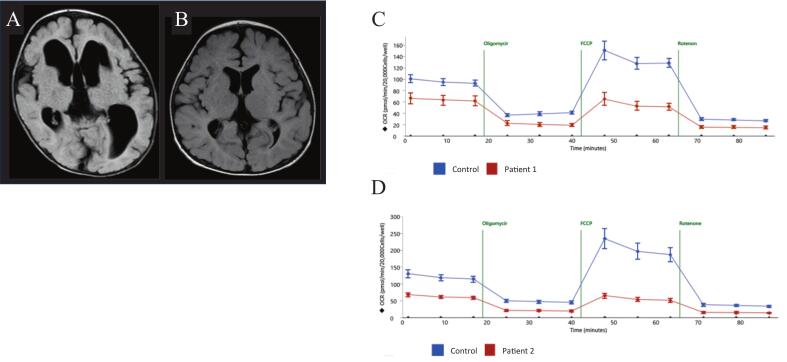 Figure 1
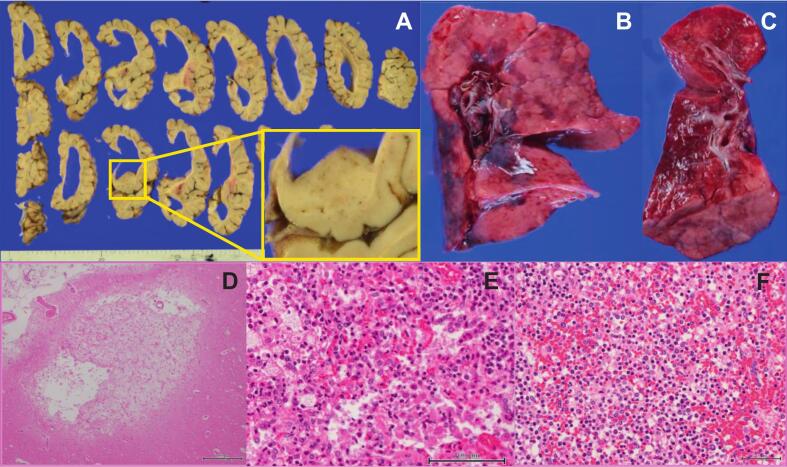 Figure 2
Peer Reviews
No public reviews on file for this paper yet. If you reviewed it on a platform where reviews are public (OpenReview, ICLR, NeurIPS, ICML), you can paste yours below so the community can read it here.
Videos
No videos yet. Explain this paper in a talk, walkthrough, or lecture? Add one.
Taxonomy
TopicsMitochondrial Function and Pathology · Genomics and Rare Diseases · Neurogenetic and Muscular Disorders Research