Minimally Invasive Retrieval of Long-Separated Endodontic Instruments Using a Nitinol Loop Device: A Report of Two Cases
Majed Amran, Aziz Abdullah

TL;DR
This paper describes a minimally invasive method to retrieve broken endodontic instruments using a Nitinol loop device in two clinical cases.
Contribution
The novelty lies in the successful use of a Nitinol loop device to manage long-separated endodontic instrument fragments.
Findings
A Nitinol loop device was successfully used to retrieve long-separated nickel-titanium rotary instruments.
One case involved an instrument fragment extending 3 mm beyond the apical foramen.
The method minimized damage to the canal system and preserved tooth prognosis.
Abstract
Separation of endodontic instruments during root canal treatment is a well-recognized complication that can significantly compromise the prognosis of the affected tooth. Managing such incidents requires careful clinical judgment and technique selection to retrieve or bypass the fragment while minimizing damage to the canal system. This report presents two cases involving the management of long-separated nickel-titanium rotary instruments, one of which extended approximately 3 mm beyond the apical foramen.
Genes, proteins, chemicals, diseases, species, mutations and cell lines named across the full text — each resolved to its canonical identifier and authoritative record.
Click any figure to enlarge with its caption.
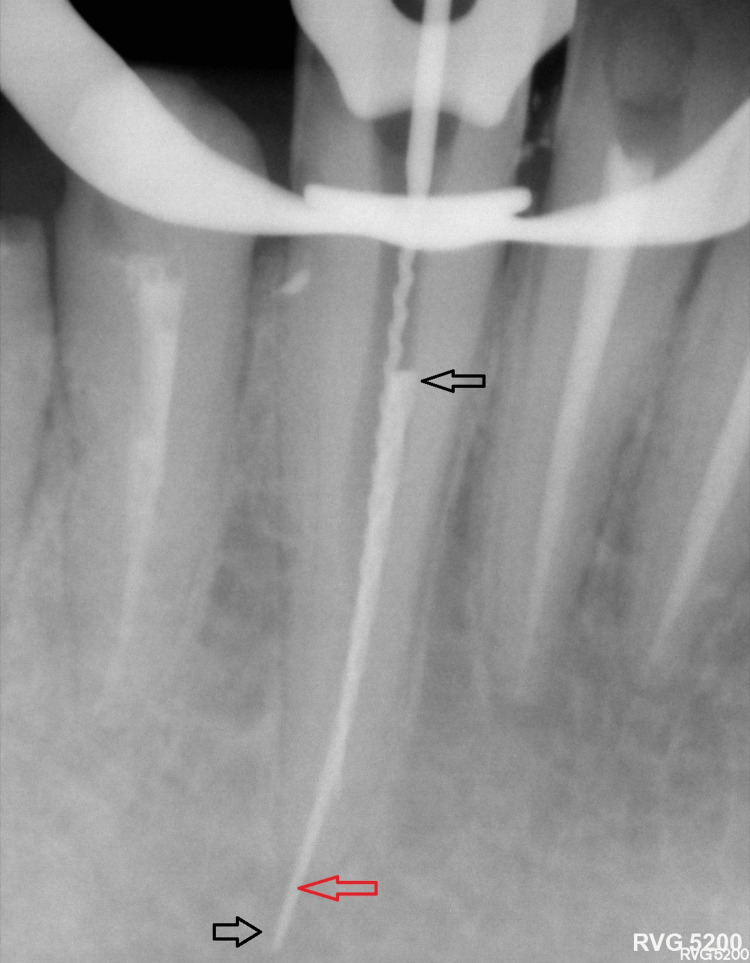 Figure 1
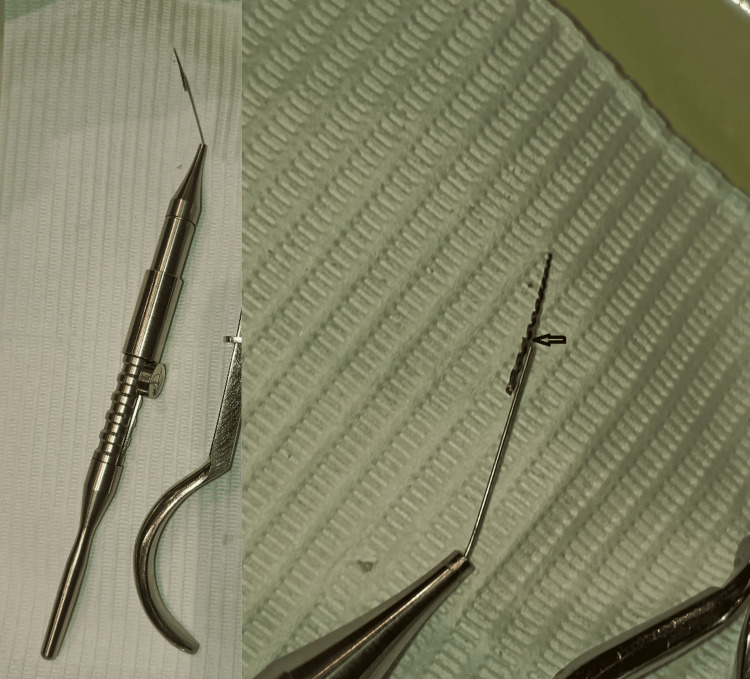 Figure 2
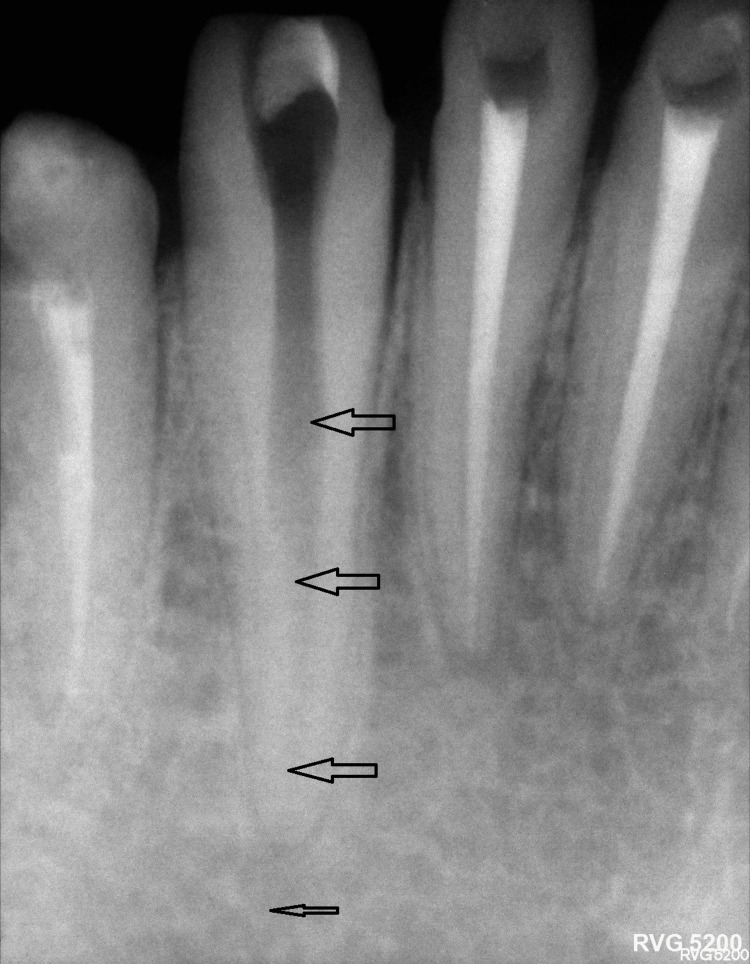 Figure 3
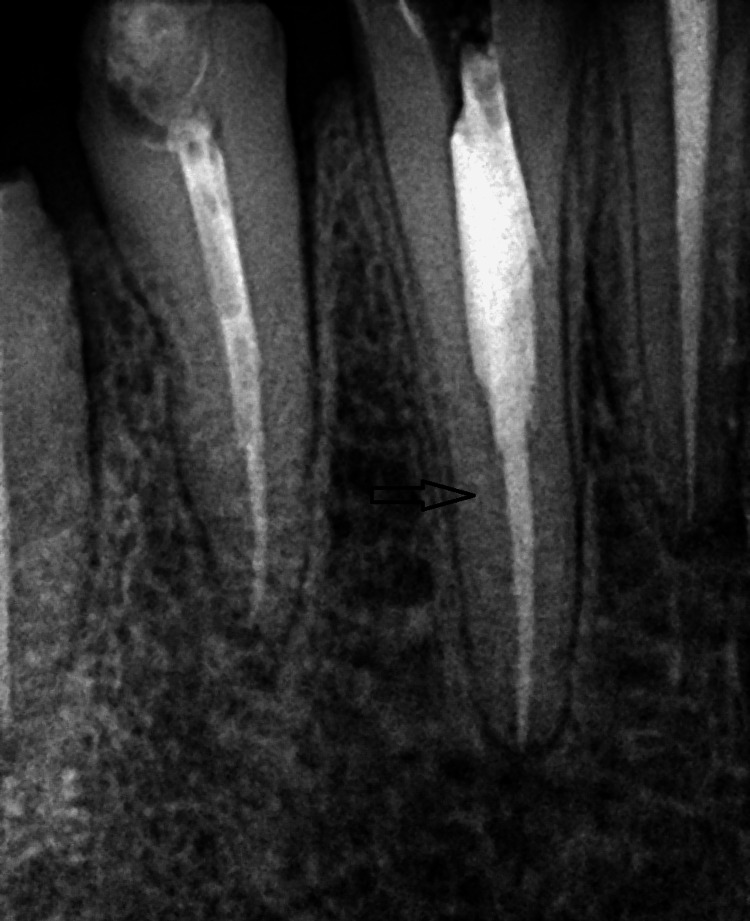 Figure 4
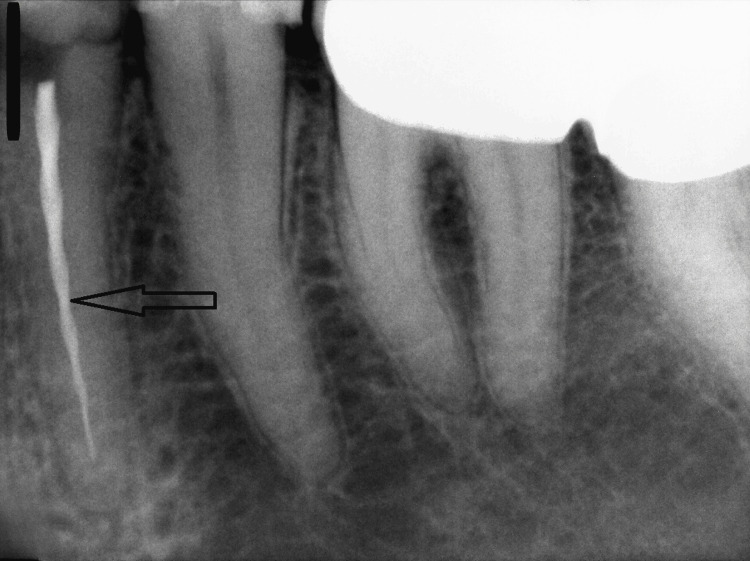 Figure 5
 Figure 6
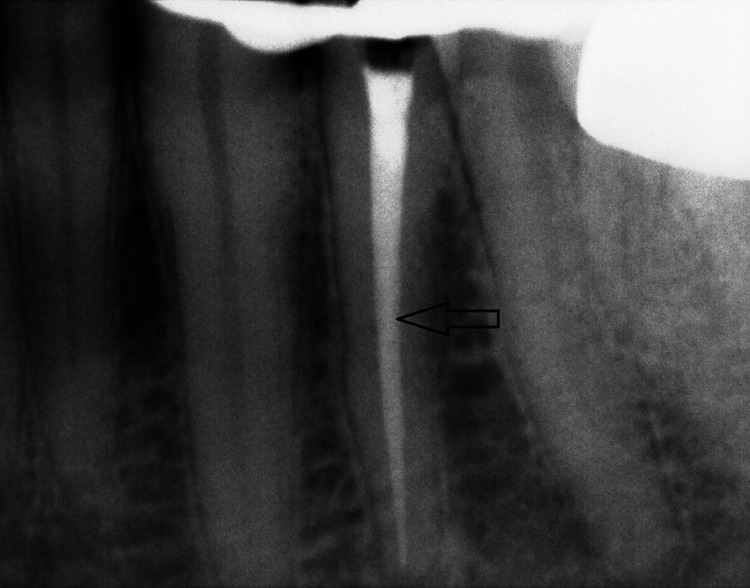 Figure 7
Peer Reviews
No public reviews on file for this paper yet. If you reviewed it on a platform where reviews are public (OpenReview, ICLR, NeurIPS, ICML), you can paste yours below so the community can read it here.
Videos
No videos yet. Explain this paper in a talk, walkthrough, or lecture? Add one.
Taxonomy
TopicsEndodontics and Root Canal Treatments · Dental Radiography and Imaging