A narrative review on the safety of glatiramer acetate in multiple sclerosis: focus on Europe
Refik Pul, Jelena Skuljec, Santosh B. Shirol, Riyaz A. Saboor, Christoph Kleinschnitz

TL;DR
Glatiramer acetate is a safe multiple sclerosis treatment with minimal immune effects and vaccine compatibility, suitable for special populations including older adults and those with comorbidities.
Contribution
This paper provides a focused review on the safety of glatiramer acetate in European MS patients, emphasizing its suitability for special populations and vaccination compatibility.
Findings
Glatiramer acetate has minimal effects on immune function and does not increase infection risk.
GA is compatible with both inactivated and live attenuated vaccines and does not compromise vaccine efficacy.
GA is safe during pregnancy and breastfeeding, with no increased risk of adverse outcomes.
Abstract
Glatiramer acetate (GA) has been a pivotal therapy for relapsing multiple sclerosis (MS) due to its favorable safety profile. Long-term data spanning decades demonstrate its continued use in diverse patient populations. Adverse events include manageable localized injection site reactions, lipoatrophy or necrosis, and rare cases of liver injury. GA has minimal effects on immune function, and does not increase the risk of opportunistic infections, making it suitable for MS patients at risk for infections or reactivation of latent infections. GA’s immunomodulatory properties may pose a lower infection risk than other disease-modifying treatments. Progressive multifocal leukoencephalopathy risk with GA is low, and screening for latent infection is unnecessary before treatment. Vaccination is important for preventing infections in MS patients. GA does not compromise vaccine efficacy and is…
Genes, proteins, chemicals, diseases, species, mutations and cell lines named across the full text — each resolved to its canonical identifier and authoritative record.
Click any figure to enlarge with its caption.
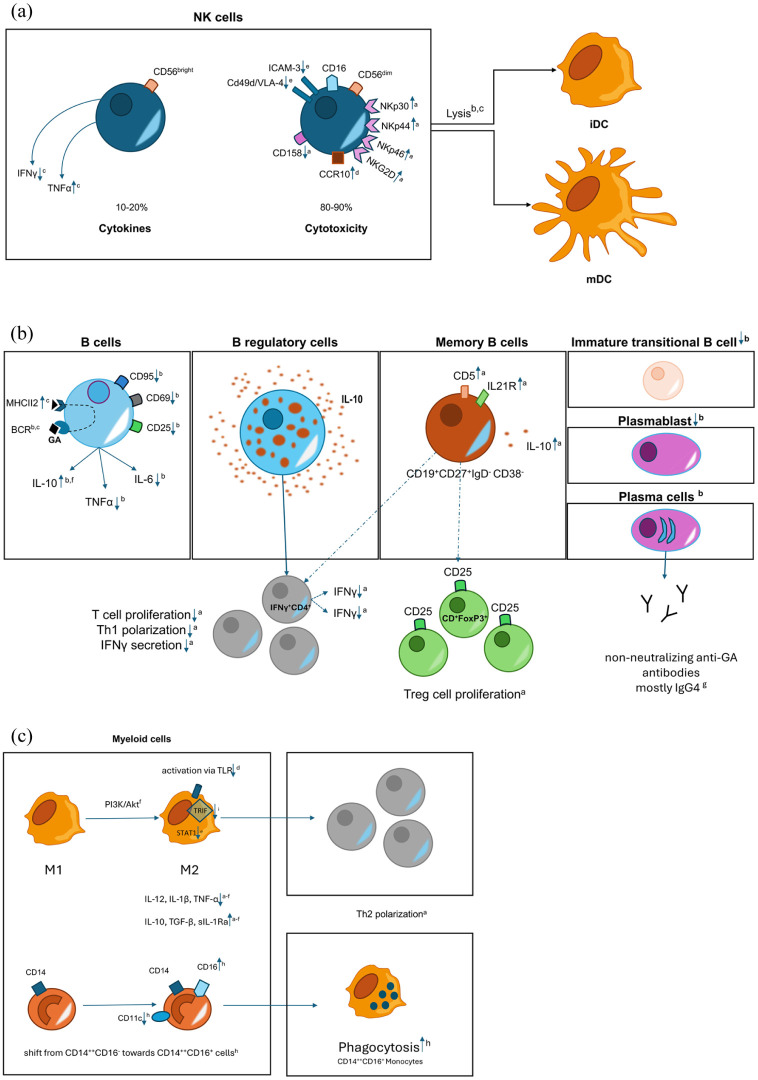 Figure 1
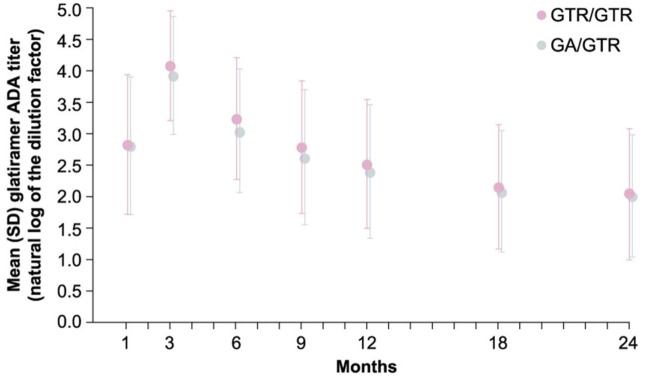 Figure 2
 Figure 3
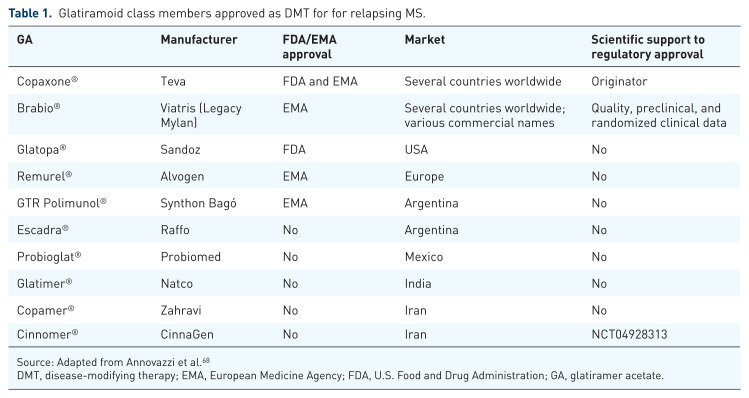 Figure 4
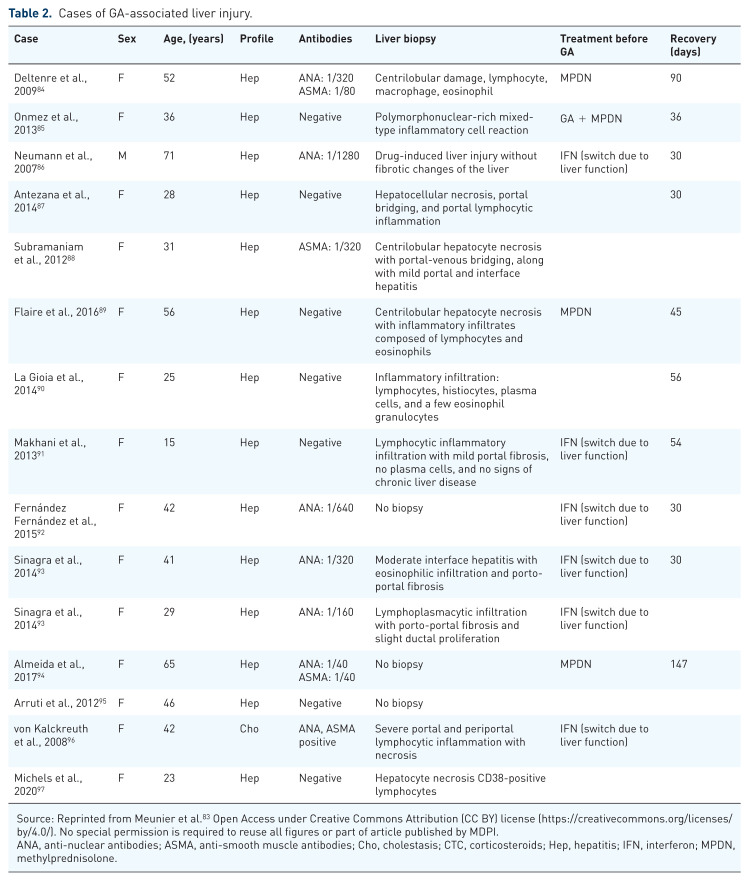 Figure 5
Peer Reviews
No public reviews on file for this paper yet. If you reviewed it on a platform where reviews are public (OpenReview, ICLR, NeurIPS, ICML), you can paste yours below so the community can read it here.
Videos
No videos yet. Explain this paper in a talk, walkthrough, or lecture? Add one.
Taxonomy
TopicsMultiple Sclerosis Research Studies · Polyomavirus and related diseases · Cervical Cancer and HPV Research