Social and health impacts of exoskeleton use on care workers
Riika Saurio, Satu Pekkarinen, Pihla Säynäjäkangas, Satu Mänttäri, Ari-Pekka Rauttola, Juha Oksa, Helinä Melkas

TL;DR
This study explores how exoskeletons affect care workers' health and work practices, finding potential benefits with proper implementation.
Contribution
The study introduces a novel mixed-methods approach to evaluate exoskeleton use in care work.
Findings
Exoskeletons reduced muscle activity during work tasks but increased perceived discomfort.
Qualitative feedback showed benefits in bed care activities and potential for work practice improvements.
No significant impact on metabolic strain or exertion was observed.
Abstract
In many countries, the growing shortage of care workers versus the growing number of people needing care is causing concern. In this healthcare transformation, exoskeletons, a form of wearable robotics, have been introduced as a means to aid care workers in their physically demanding and ergonomically challenging work. This study investigated the human impacts of exoskeleton use in care work. We followed a mixed-methods research approach, presenting a novel combination of qualitative and quantitative research. We conducted a three-week trial of an exoskeleton with eight assistant nurses in a round-the-clock care home. Qualitative data consist of pre-interviews, post-interviews and user diaries. Quantitative data were collected via physiological measurements. Several types of social and health impacts of exoskeleton use were identified. The qualitative analysis revealed physical,…
Genes, proteins, chemicals, diseases, species, mutations and cell lines named across the full text — each resolved to its canonical identifier and authoritative record.
Click any figure to enlarge with its caption.
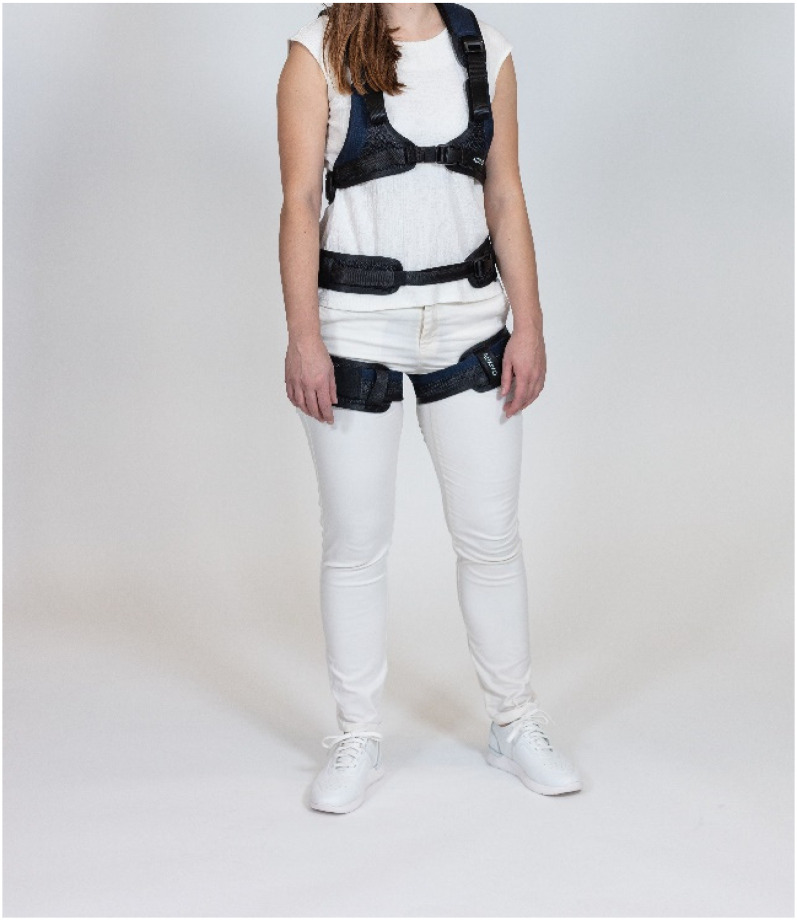 Figure 1
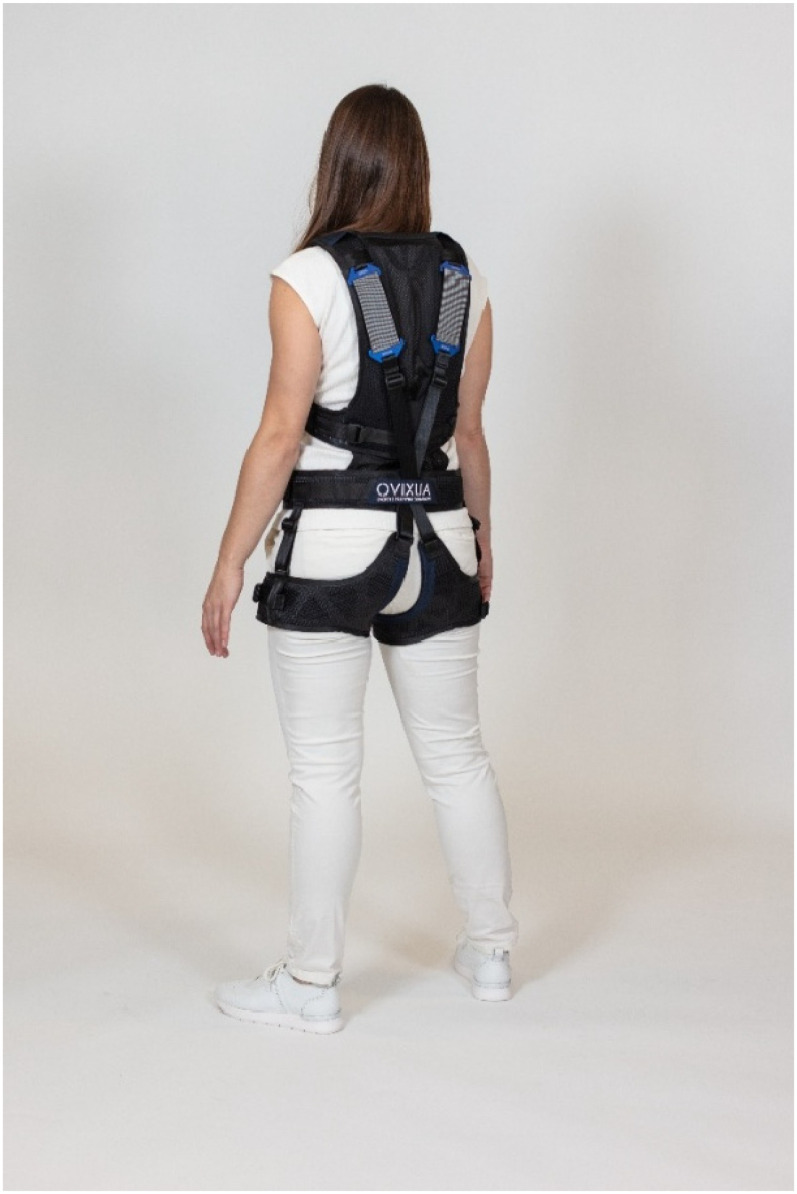 Figure 2
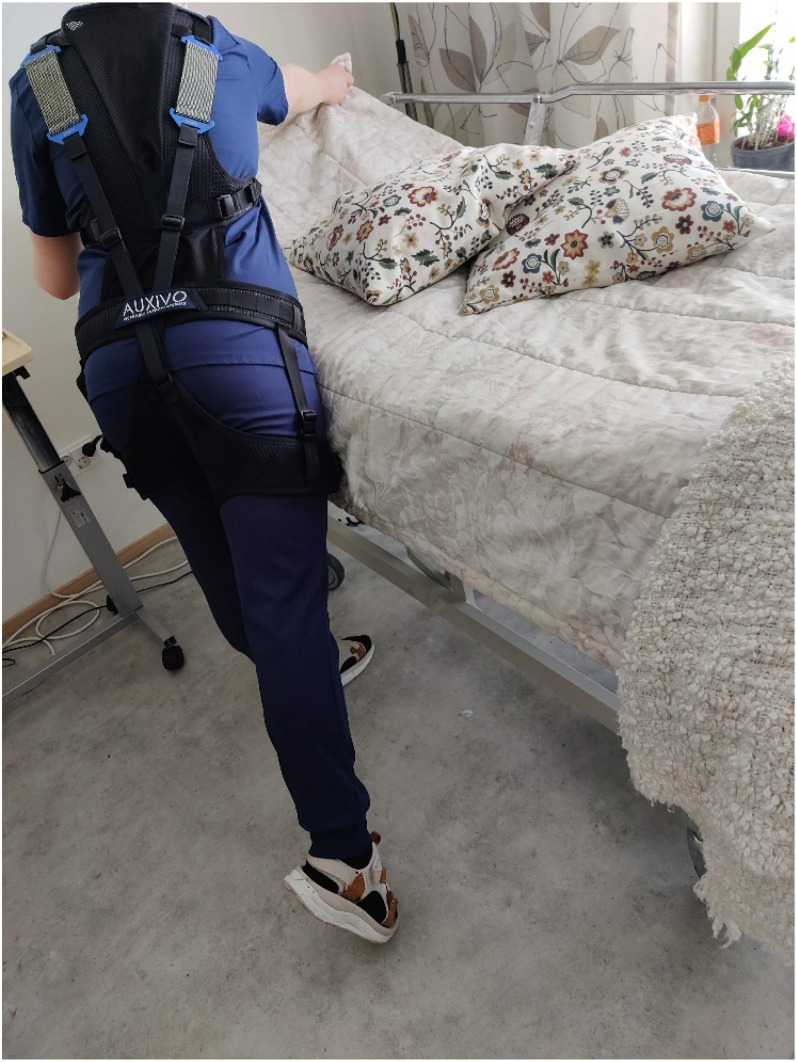 Figure 3
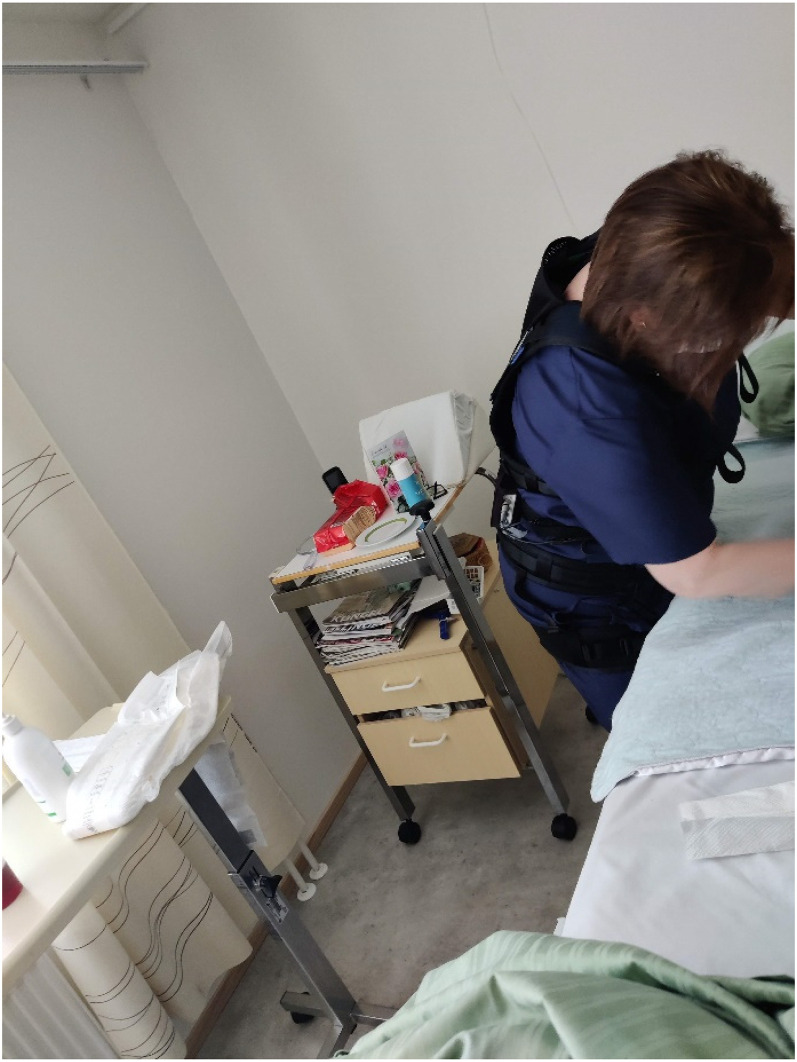 Figure 4
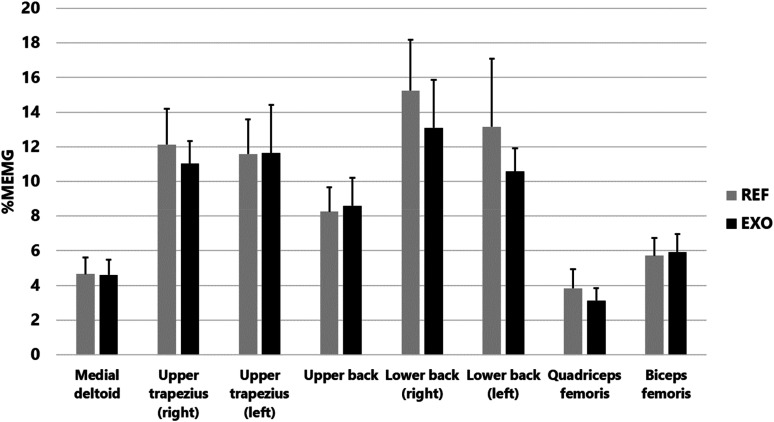 Figure 5
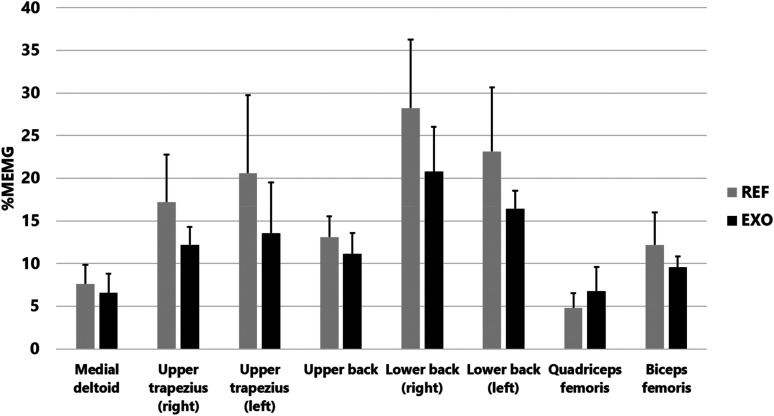 Figure 6
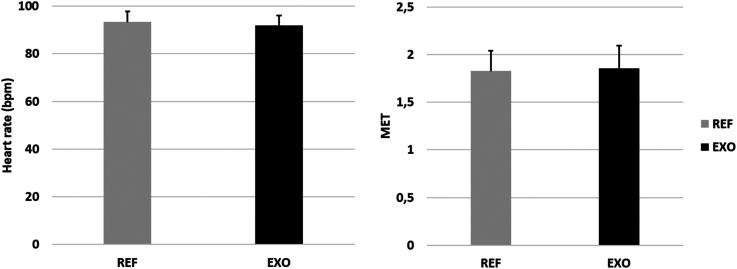 Figure 7
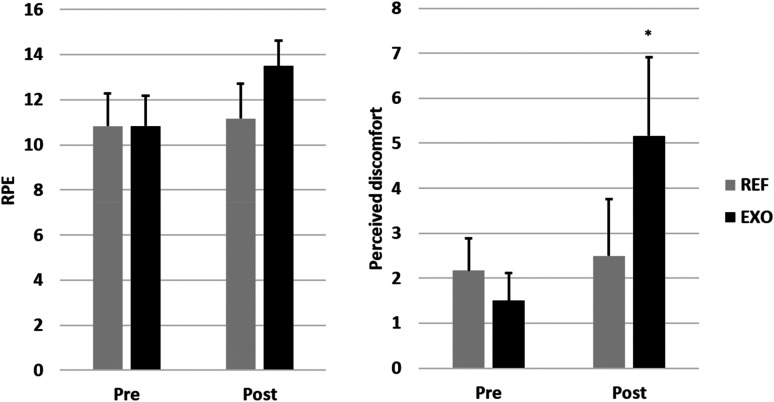 Figure 8
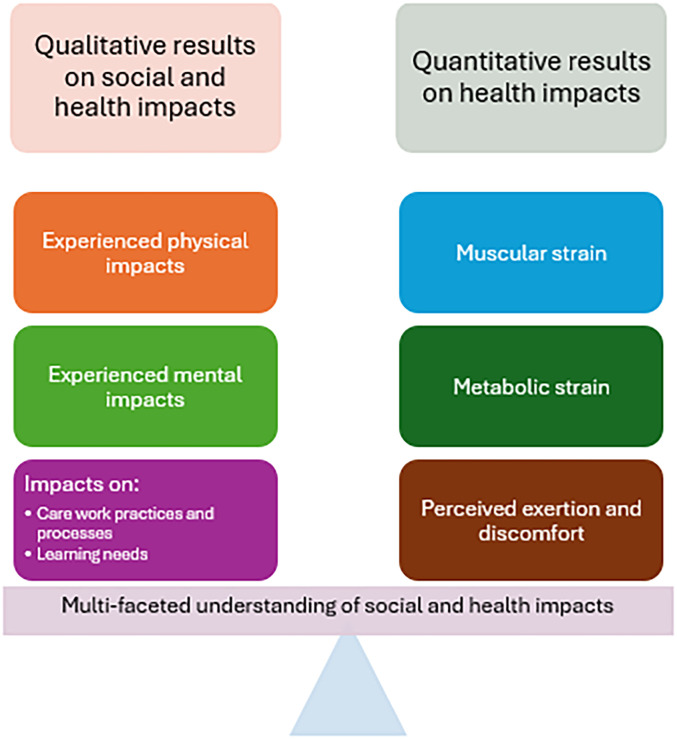 Figure 9
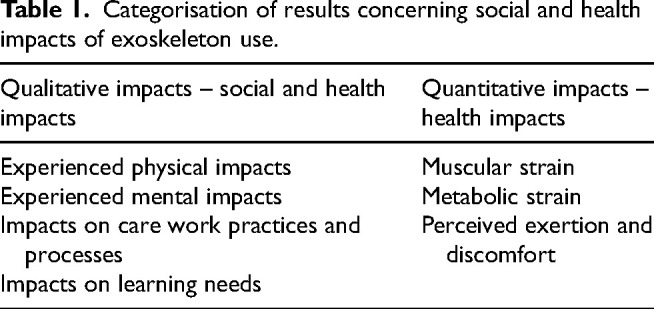 Figure 10
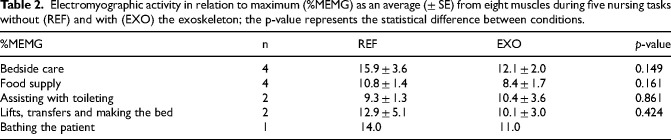 Figure 11
Peer Reviews
No public reviews on file for this paper yet. If you reviewed it on a platform where reviews are public (OpenReview, ICLR, NeurIPS, ICML), you can paste yours below so the community can read it here.
Videos
No videos yet. Explain this paper in a talk, walkthrough, or lecture? Add one.
Taxonomy
TopicsStroke Rehabilitation and Recovery · Prosthetics and Rehabilitation Robotics · Assistive Technology in Communication and Mobility