TOR signaling regulates GPCR levels on the plasma membrane and suppresses the Saccharomyces cerevisiae mating pathway
Nicholas R. Leclerc, Toby M. Dunne, Sudati Shrestha, Cory P. Johnson, Joshua B. Kelley

TL;DR
This study shows that TOR signaling controls GPCR levels on the cell surface in yeast, affecting mating pathway activity.
Contribution
The paper reveals a novel TOR-mediated regulation of GPCR endocytosis in yeast mating signaling.
Findings
TORC1 inhibition leads to Ste2 GPCR internalization via TORC2, Ypk1, and α-arrestins Rod1 and Rog3.
Atg8, a key autophagy protein, delivers active Ste2 receptors to the vacuole to suppress mating signaling.
TORC2 activity is essential for both ligand-dependent and ligand-independent endocytosis of Ste2.
Abstract
Target of rapamycin (TOR) complexes and G protein–coupled receptors (GPCRs) are crucial signaling hubs that coordinate adaptive responses to environmental inputs. While GPCR-mediated regulation of TOR has been extensively studied, little is known about TOR-mediated regulation of GPCRs. Here, we establish TOR as a regulator of GPCR signaling via its control of receptor endocytosis in the yeast mating system. By pairing fluorescence microscopy with yeast genetic approaches, we identify the machinery that bridges TOR nutrient sensing to internalization of the mating GPCR, Ste2. We found that TORC1 inhibition drives internalization of Ste2 through TORC2, the kinase Ypk1, and the α-arrestins Rod1 and Rog3. Furthermore, we find that Atg8, a central player in autophagy, is employed during mating to deliver active receptor to the vacuole (lysosome), suppressing the mating pathway. These results…
Genes, proteins, chemicals, diseases, species, mutations and cell lines named across the full text — each resolved to its canonical identifier and authoritative record.
Click any figure to enlarge with its caption.
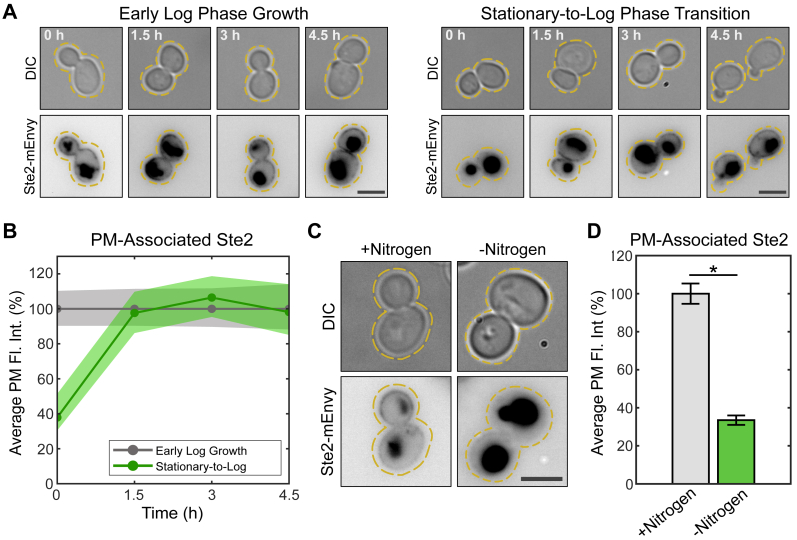 Figure 1
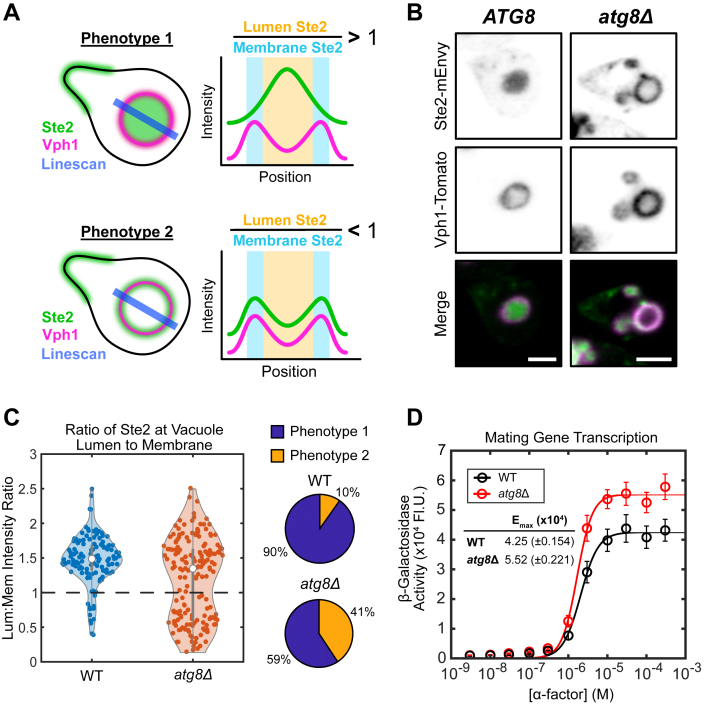 Figure 2
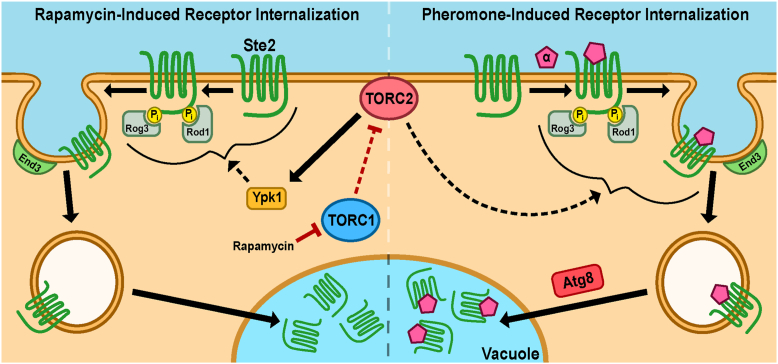 Figure 3
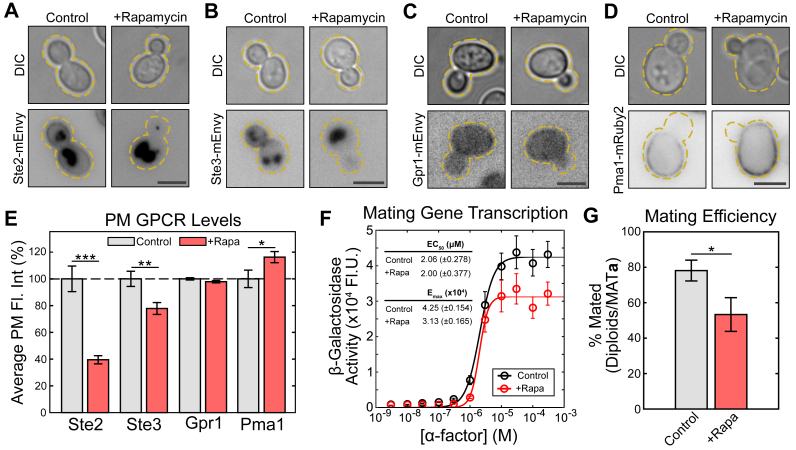 Figure 4
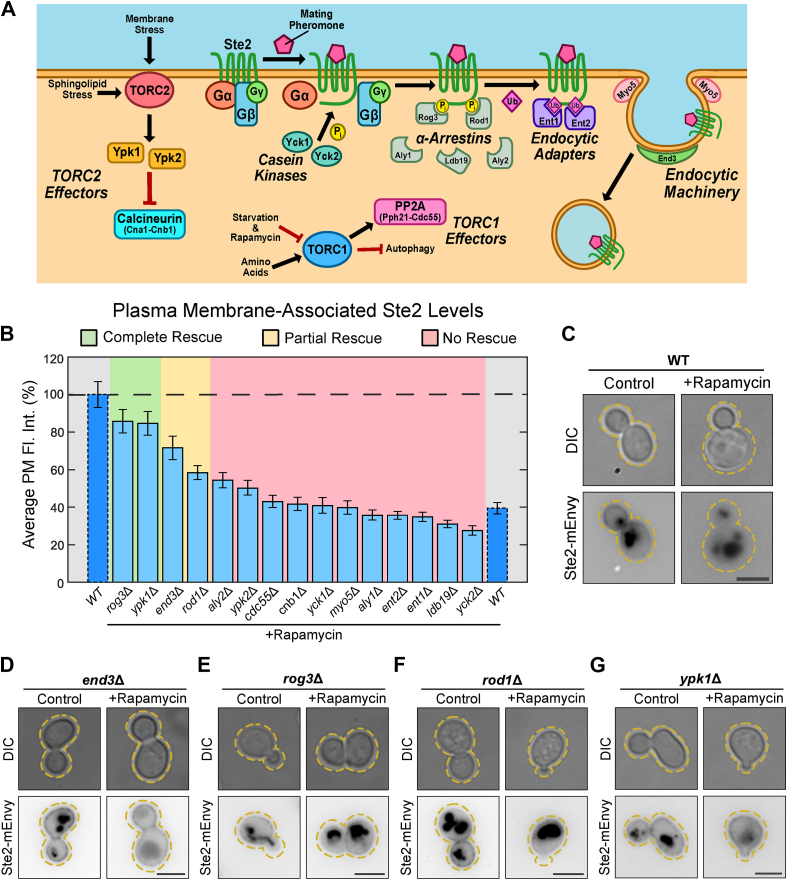 Figure 5
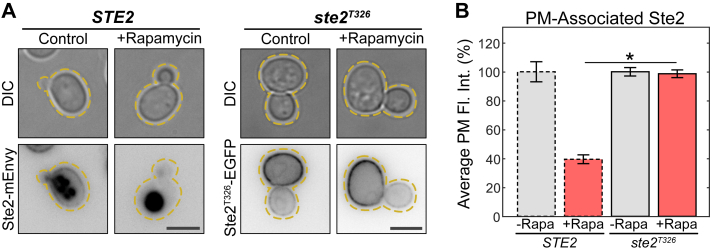 Figure 6
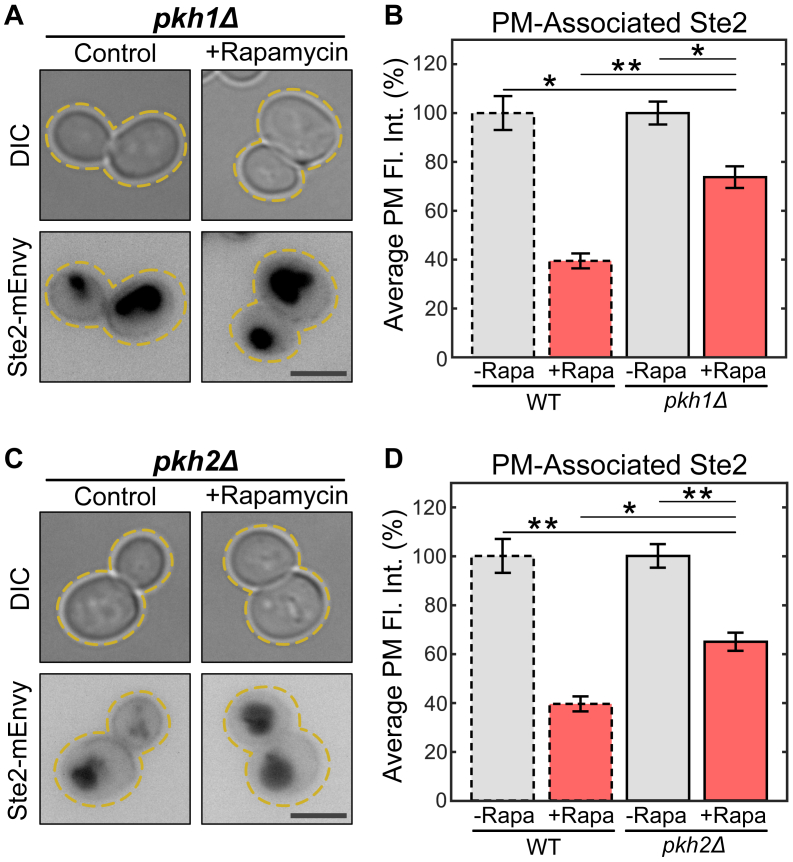 Figure 7
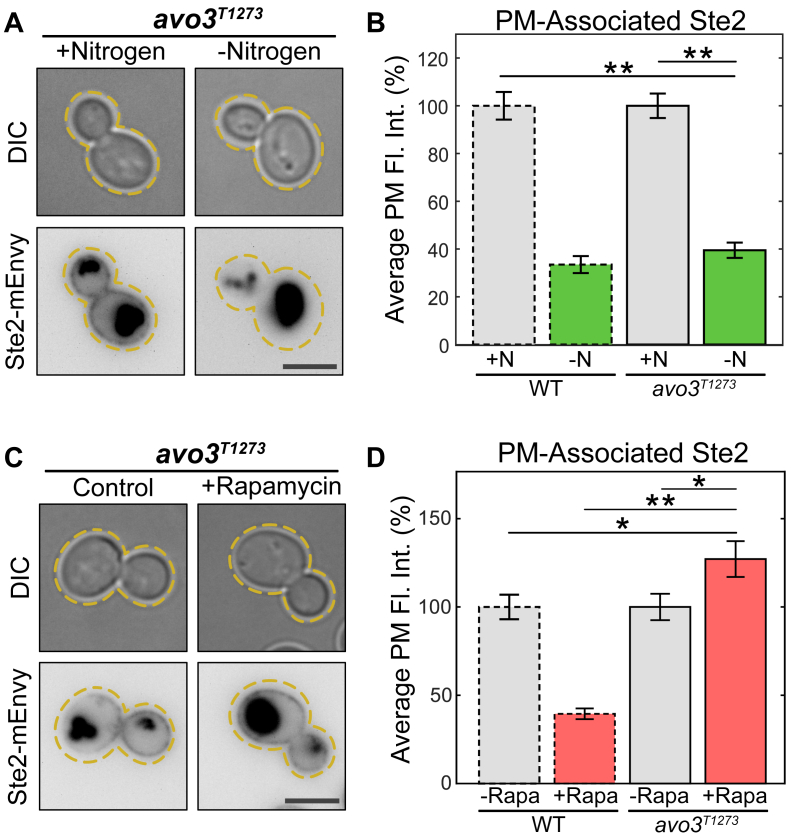 Figure 8
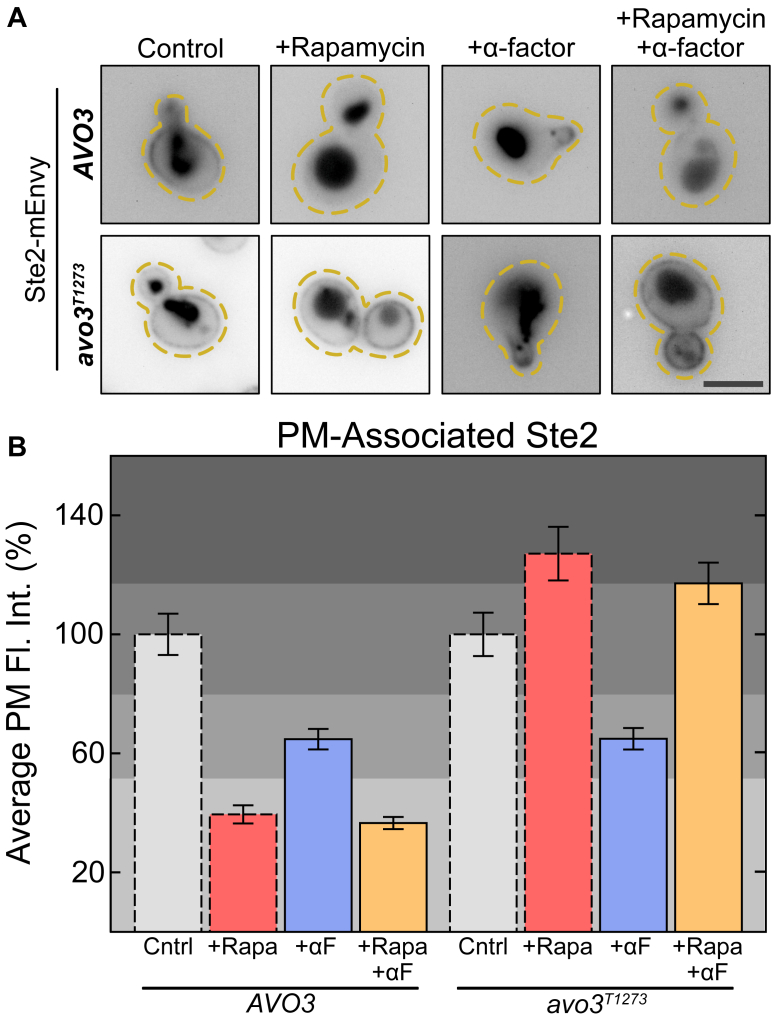 Figure 9
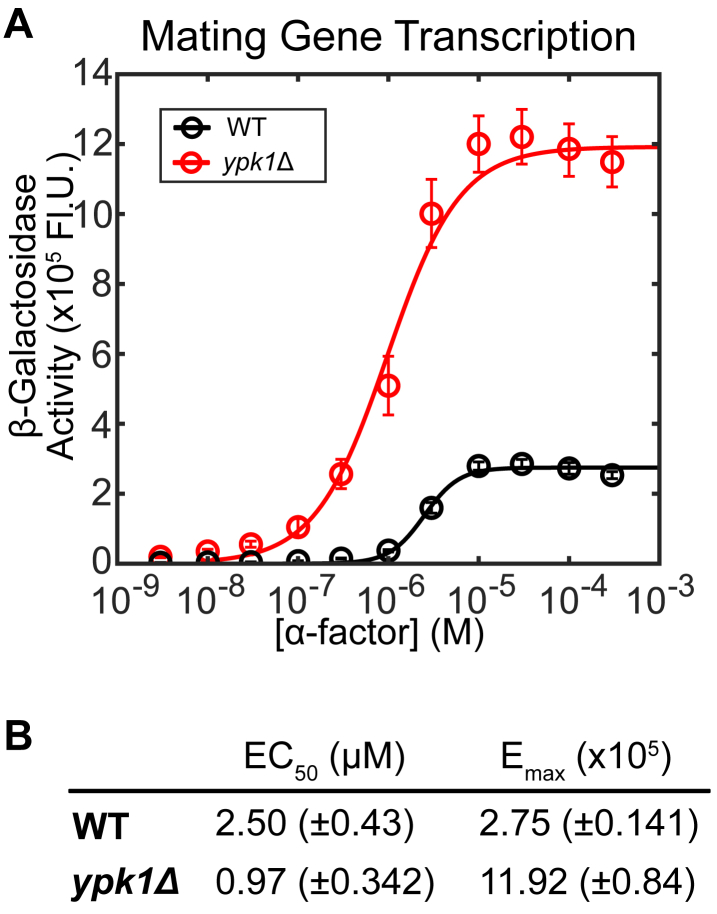 Figure 10
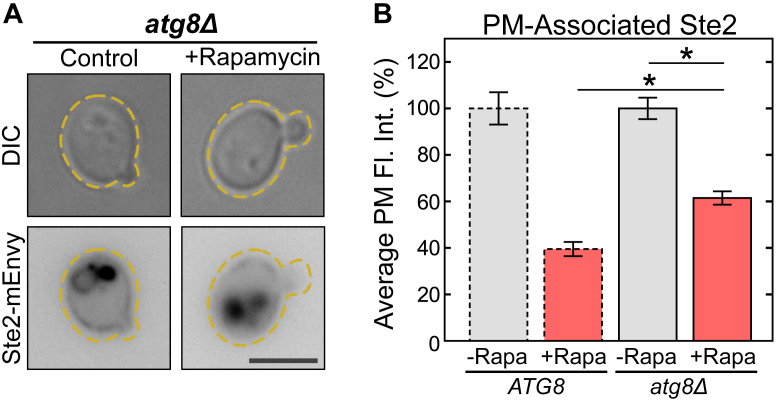 Figure 11
Peer Reviews
No public reviews on file for this paper yet. If you reviewed it on a platform where reviews are public (OpenReview, ICLR, NeurIPS, ICML), you can paste yours below so the community can read it here.
Videos
No videos yet. Explain this paper in a talk, walkthrough, or lecture? Add one.
Taxonomy
TopicsFungal and yeast genetics research · Receptor Mechanisms and Signaling · PI3K/AKT/mTOR signaling in cancer