Detection of aspartyl aminopeptidase in atherosclerosis mice and clinical sample using an optical probe
Chenhui Zhou, Fangkun Yang, Chunyan Li, Hengyi Mao, Kai Wang, Jinhui Shang, Xiang Gao, Wenming He

TL;DR
This study develops a new optical probe to detect an enzyme linked to atherosclerosis in mice and human samples, offering potential for improved diagnosis.
Contribution
A novel optical probe (HD-DNPEP) for sensitive and specific detection of DNPEP in atherosclerosis.
Findings
HD-DNPEP shows high selectivity and pH stability for DNPEP detection in physiological conditions.
Elevated DNPEP levels were detected in foam cells and cerebrospinal fluid of atherosclerosis patients.
The probe was validated in cells, atherosclerosis mice, and human clinical samples.
Abstract
Atherosclerosis (AS) remains a major global health concern, contributing significantly to cardiovascular morbidity and mortality. Recent research into enzymes like aspartyl aminopeptidase (DNPEP) has shed light on its potential role in regulating inflammation and protein metabolism, offering new avenues for targeted diagnostics and therapies. In light of these challenges, this study aims to develop a novel optical imaging probe (HD-DNPEP) specifically designed to detect DNPEP expression in atherosclerotic lesions. By addressing the current limitations in sensitivity, specificity, and in vivo detection, we seek to create a highly selective and sensitive imaging tool that can provide real-time, high-resolution insights into the role of DNPEP in atherosclerosis. This innovative approach has the potential in the diagnosis of atherosclerosis, enabling more precise intervention strategies and…
Genes, proteins, chemicals, diseases, species, mutations and cell lines named across the full text — each resolved to its canonical identifier and authoritative record.
Click any figure to enlarge with its caption.
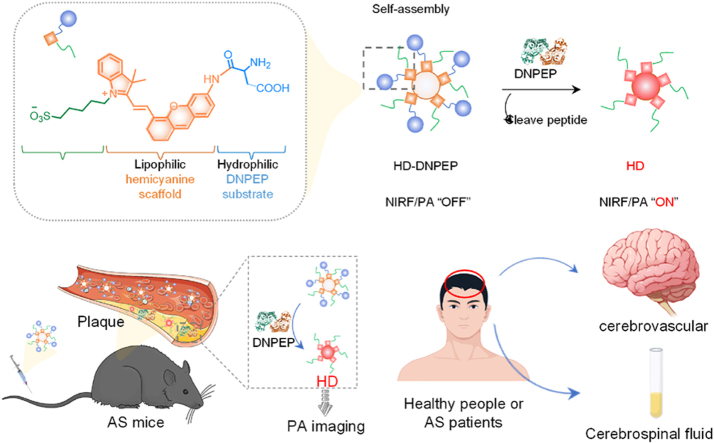 Figure 1
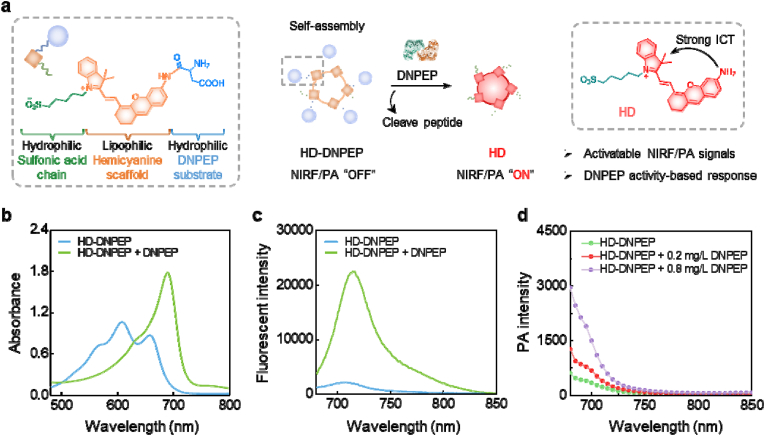 Figure 2
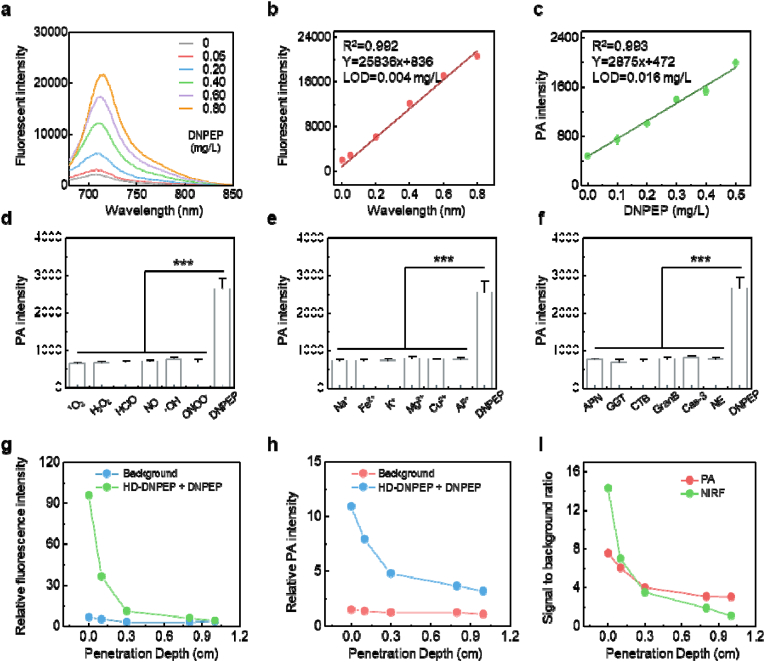 Figure 3
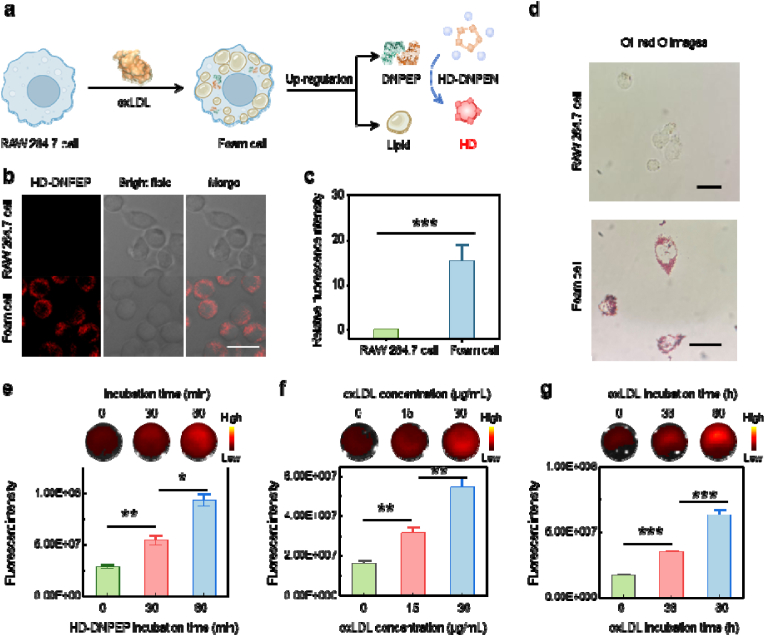 Figure 4
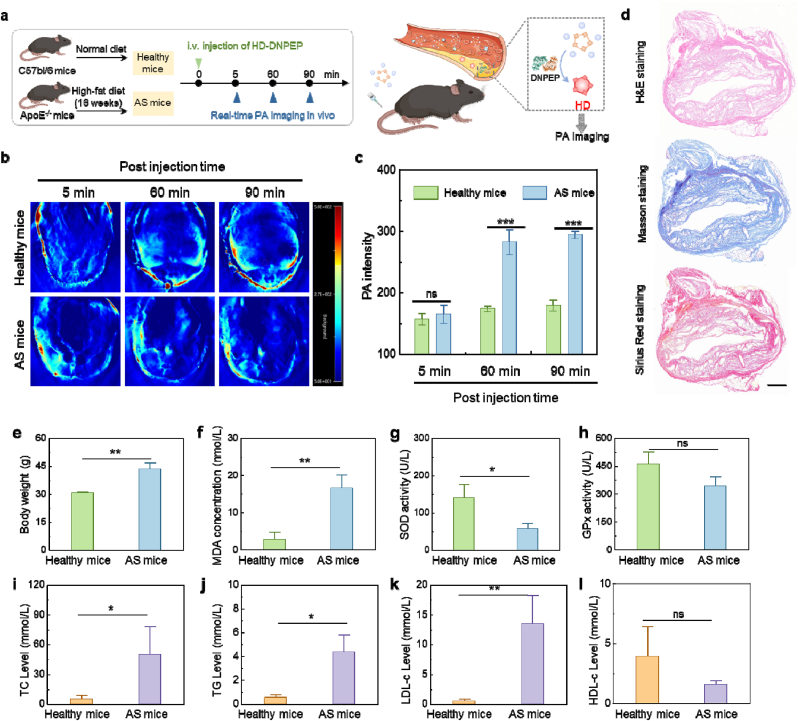 Figure 5
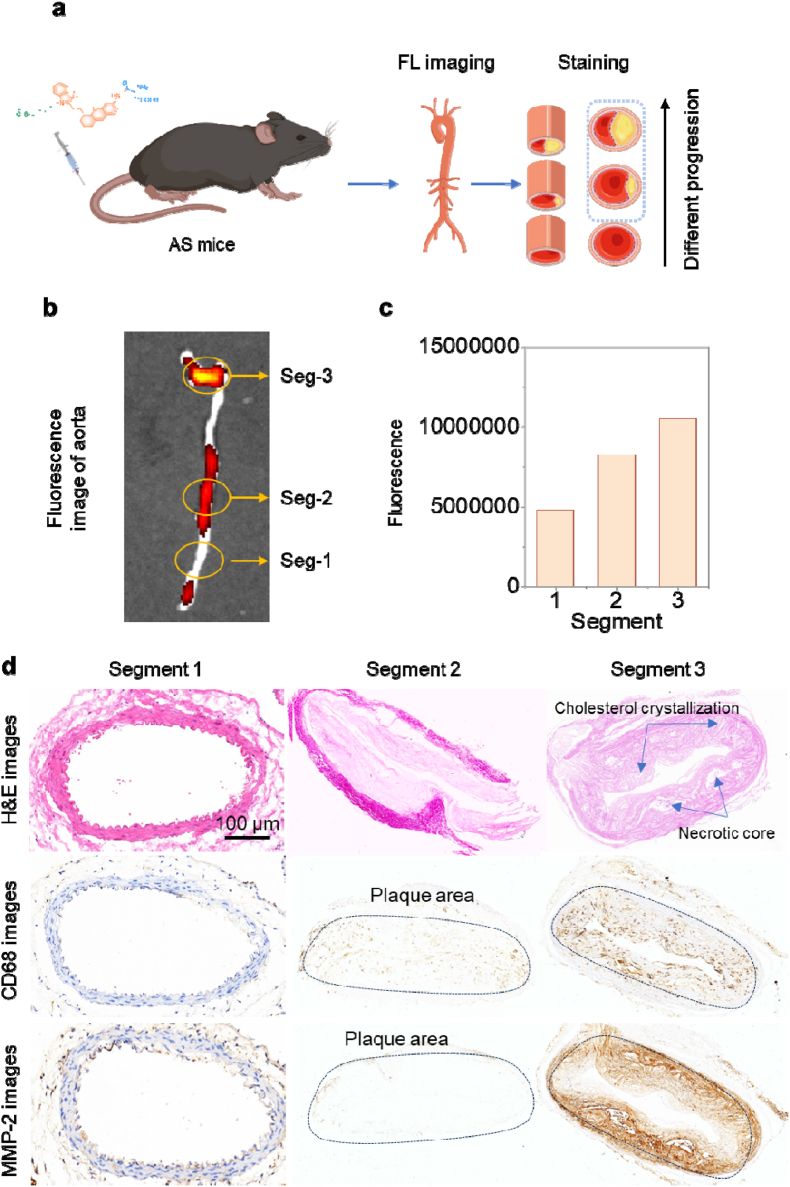 Figure 6
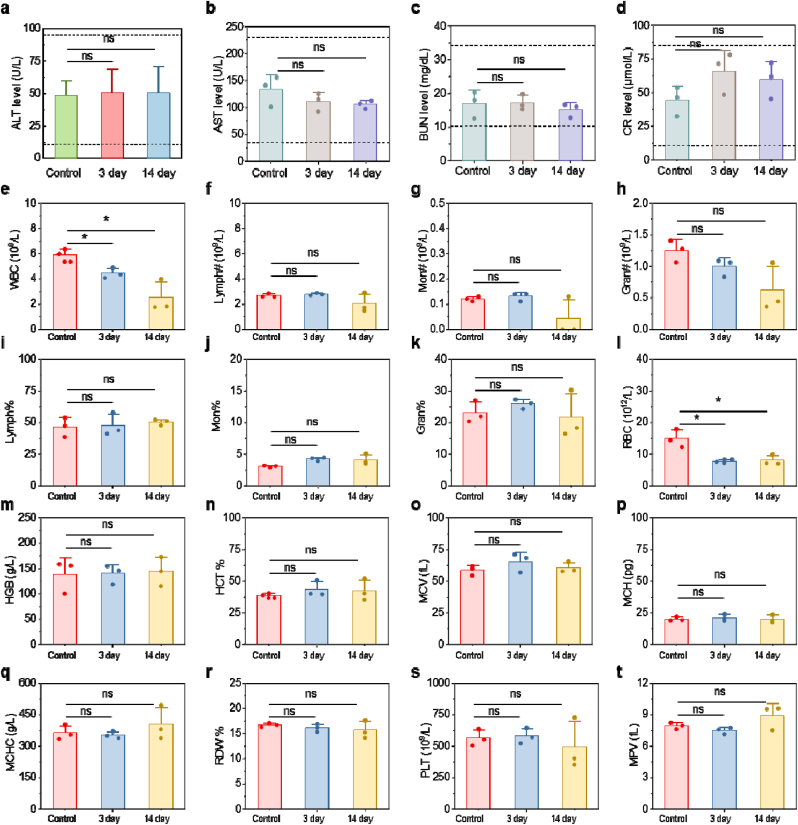 Figure 7
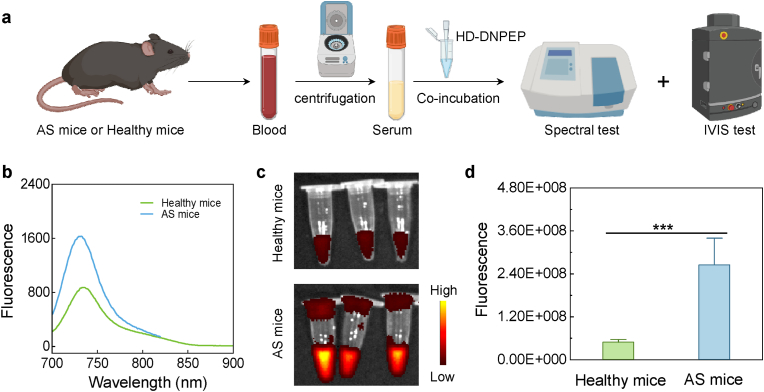 Figure 8
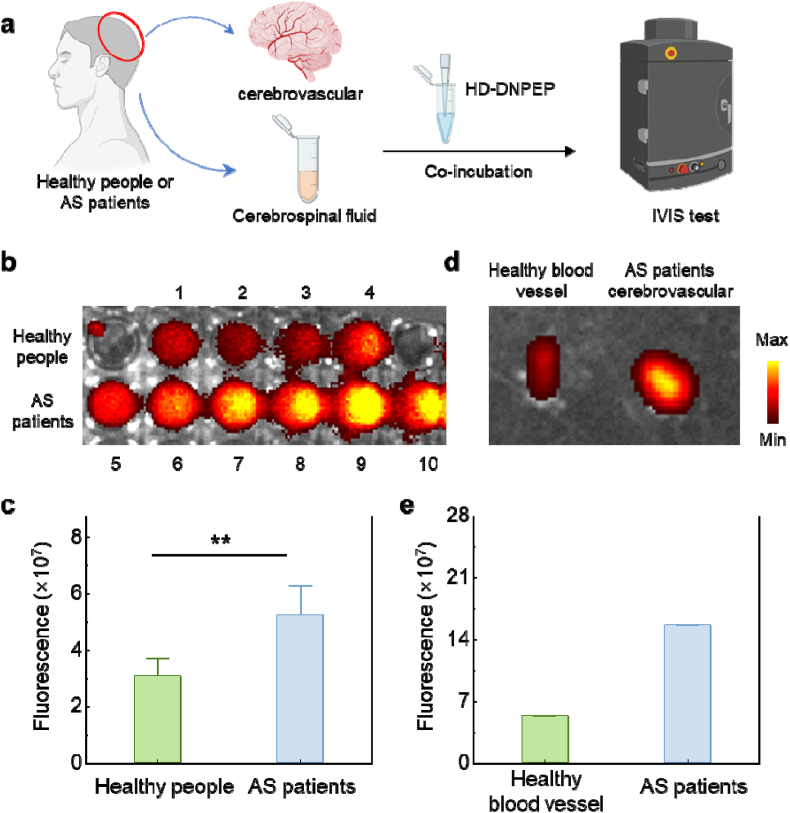 Figure 9
Peer Reviews
No public reviews on file for this paper yet. If you reviewed it on a platform where reviews are public (OpenReview, ICLR, NeurIPS, ICML), you can paste yours below so the community can read it here.
Videos
No videos yet. Explain this paper in a talk, walkthrough, or lecture? Add one.
Taxonomy
TopicsAtherosclerosis and Cardiovascular Diseases · Chemokine receptors and signaling · Glycosylation and Glycoproteins Research