Task allocation in a cooperative breeder reflects current needs, not early-life experience
Océane Vanessa Ferreira, Barbara Taborsky

TL;DR
In cooperative cichlids, current needs determine task roles, not early-life experiences, showing flexibility in social behavior.
Contribution
Demonstrates that task allocation in cooperative breeders is driven by present needs rather than early-life experiences.
Findings
Early-life experiences with predator defense or territory maintenance did not influence later task performance.
Current needs like egg care and territory maintenance directly affect task allocation in helpers.
Cooperative breeders prioritize immediate group demands over past experiences when assigning tasks.
Abstract
Division of labour is often perceived as one of the major evolutionary transitions in social groups. Specialisation of individuals in different tasks performed in a territory can increase group efficiency in cooperative breeders and eusocial insects. Nevertheless, environmental unpredictability should select for the presence of generalist individuals, which can flexibly perform all tasks in the territory. Whether individuals should develop as specialists or generalists has been intensively studied to understand ecological influences on the evolution of complex societies. Experiences occurring during early life are crucial for the acquisition of appropriate behaviours in a social context. We examined later-life task performance of helpers of the cooperatively breeding cichlid Neolamprologus pulcher, which had received different early life experiences of helping needs. We demonstrated…
Genes, proteins, chemicals, diseases, species, mutations and cell lines named across the full text — each resolved to its canonical identifier and authoritative record.
Click any figure to enlarge with its caption.
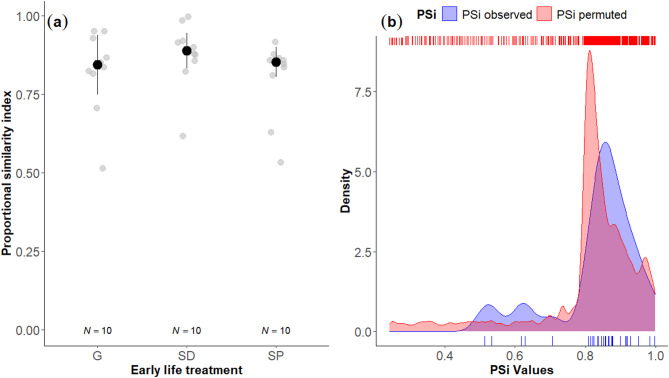 Figure 1
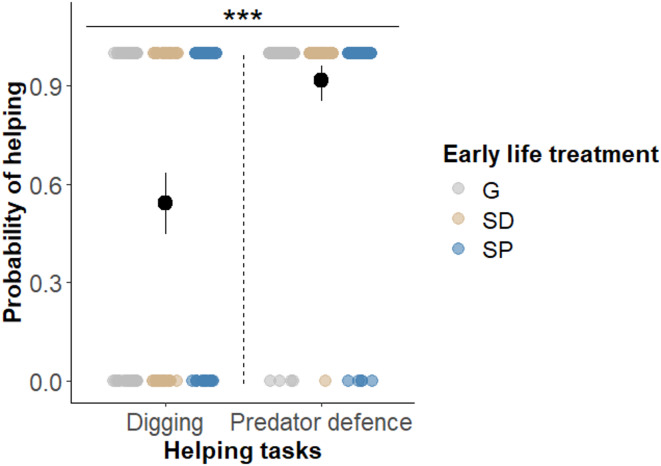 Figure 2
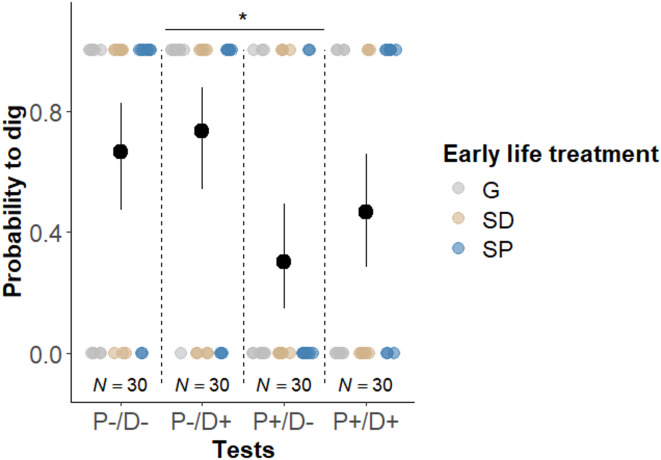 Figure 3
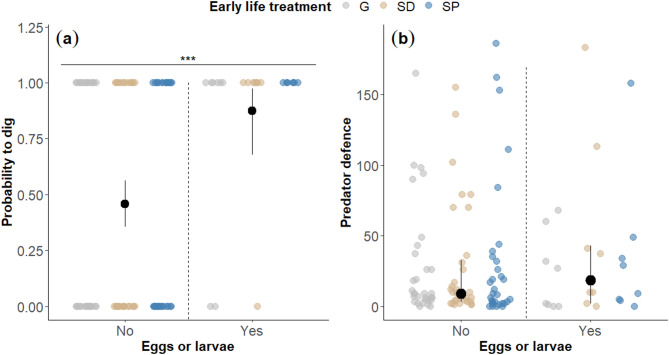 Figure 4
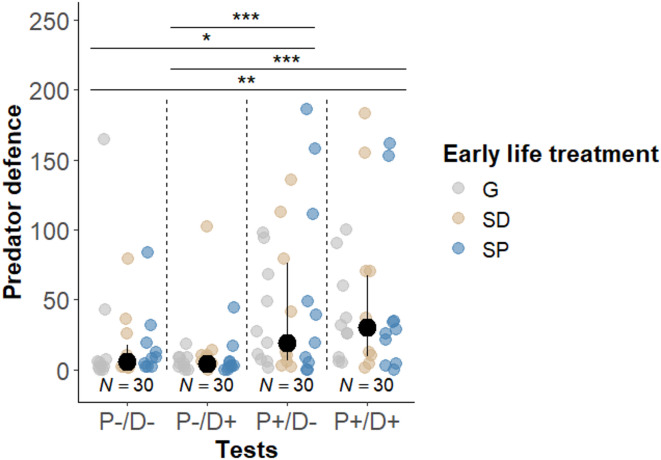 Figure 5
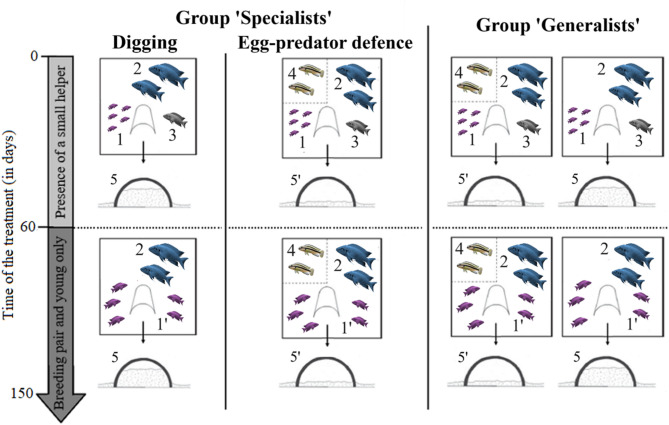 Figure 6
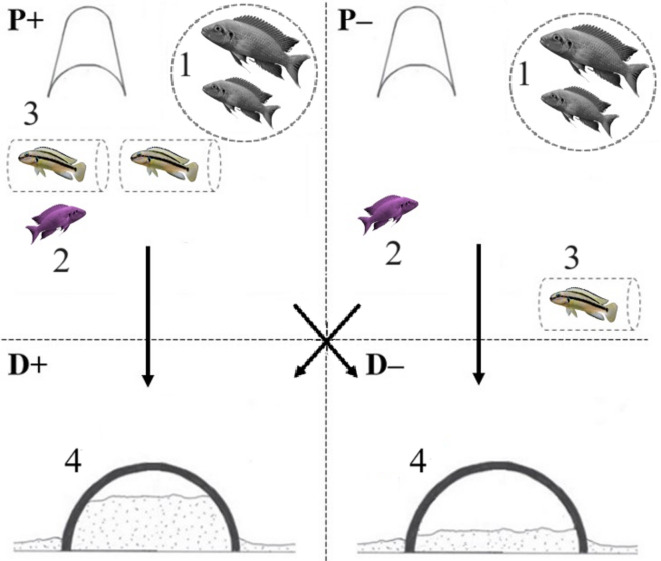 Figure 7
Peer Reviews
No public reviews on file for this paper yet. If you reviewed it on a platform where reviews are public (OpenReview, ICLR, NeurIPS, ICML), you can paste yours below so the community can read it here.
Videos
No videos yet. Explain this paper in a talk, walkthrough, or lecture? Add one.
Taxonomy
TopicsAnimal Behavior and Reproduction · Plant and animal studies · Insect and Arachnid Ecology and Behavior