Complementary immunoregulatory effects of Bifidobacterium longum 1714TM associated exopolysaccharide and tryptophan metabolism
David Groeger, Lu Yao, Fergus Collins, Ida Søgaard Larsen, Hern-Tze Tina Tan, Selena Healy, Valentina Ambrogi, Karolina Tykwinska, Martin Schmidt, Patrick Golletz, Barry Kiely, Gerard Clarke, Timothy G. Dinan, Eileen F. Murphy, Liam O’Mahony

TL;DR
This study shows that Bifidobacterium longum 1714 reduces inflammation through its exopolysaccharide and tryptophan metabolism, which may help modulate immune responses and protect the nervous system.
Contribution
The study identifies complementary mechanisms—exopolysaccharide and tryptophan metabolites—that contribute to the immunomodulatory effects of B. longum 1714.
Findings
B. longum 1714 reduced proinflammatory cytokine responses in human and murine models.
EPS and tryptophan metabolite ILA increased IL-10 secretion and reduced TLR-induced inflammation.
Human consumption of B. longum 1714 increased plasma tryptophan and kynurenic acid levels.
Abstract
• Bifidobacterium longum 1714 impacts the immune system via multiple mechanisms, reducing peripheral inflammation. • B. longum 1714 reduced proinflammatory cytokine responses in stimulated PBMCS and in LPS-, stress-, and obesity-induced murine models. • B. longum 1714 consumption in humans increased plasma tryptophan and kynurenic acid levels, supporting immunoregulatory effects. • EPS and tryptophan metabolite ILA selectively promoted PBMC IL-10 secretion, while reducing TLR-induced cytokines and NF-κB activation. • Intrinsic properties like its cell wall, EPS, and tryptophan metabolism contribute to immunomodulatory and anti-inflammatory effects. Bifidobacterium longum 1714 impacts the immune system via multiple mechanisms, reducing peripheral inflammation. B. longum 1714 reduced proinflammatory cytokine responses in stimulated PBMCS and in LPS-, stress-, and obesity-induced murine…
Genes, proteins, chemicals, diseases, species, mutations and cell lines named across the full text — each resolved to its canonical identifier and authoritative record.
Click any figure to enlarge with its caption.
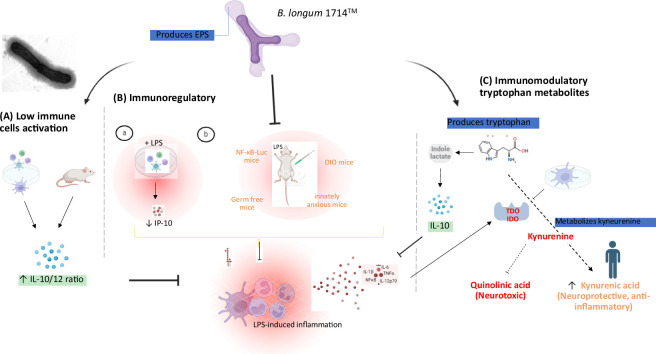 Figure 1
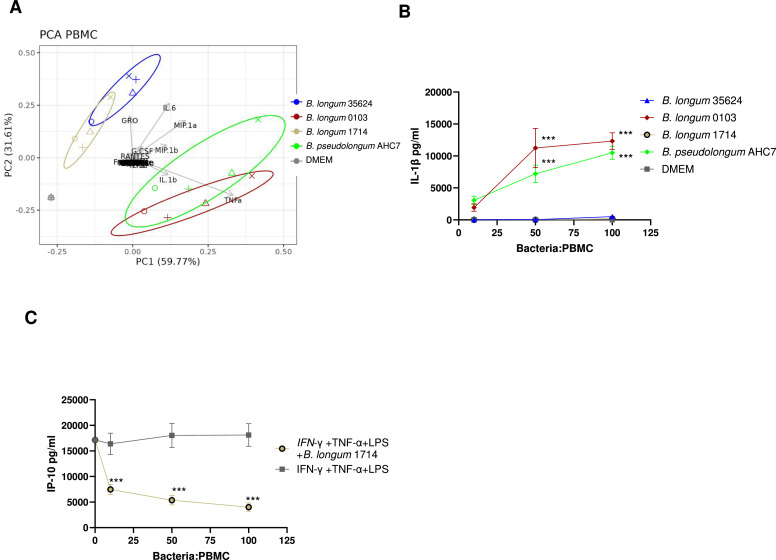 Figure 2
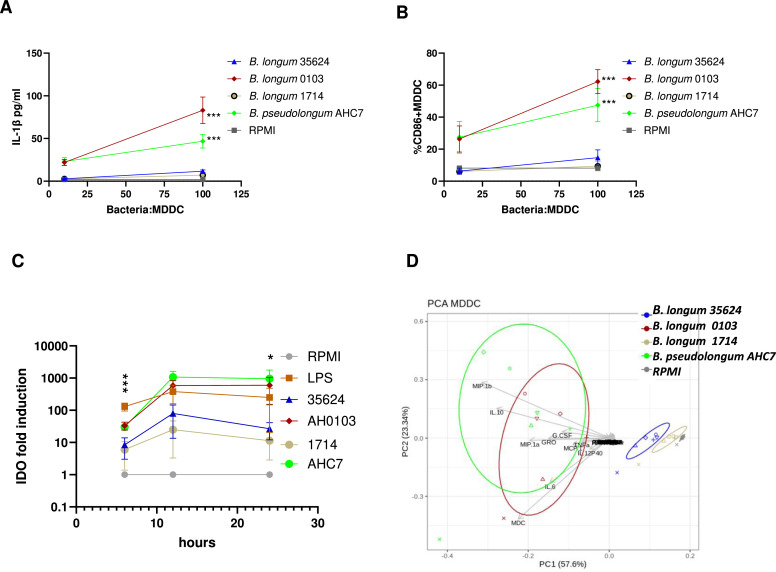 Figure 3
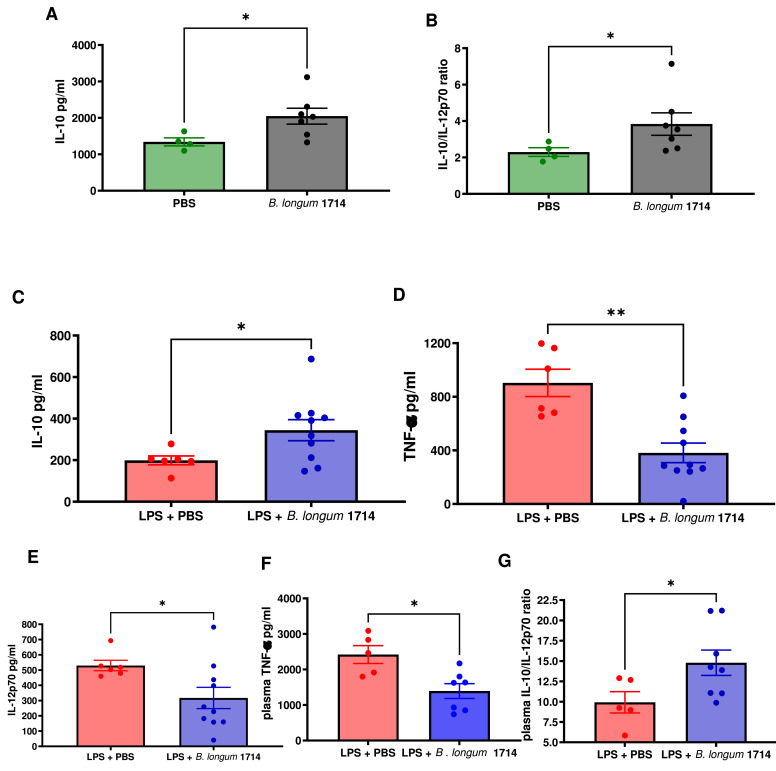 Figure 4
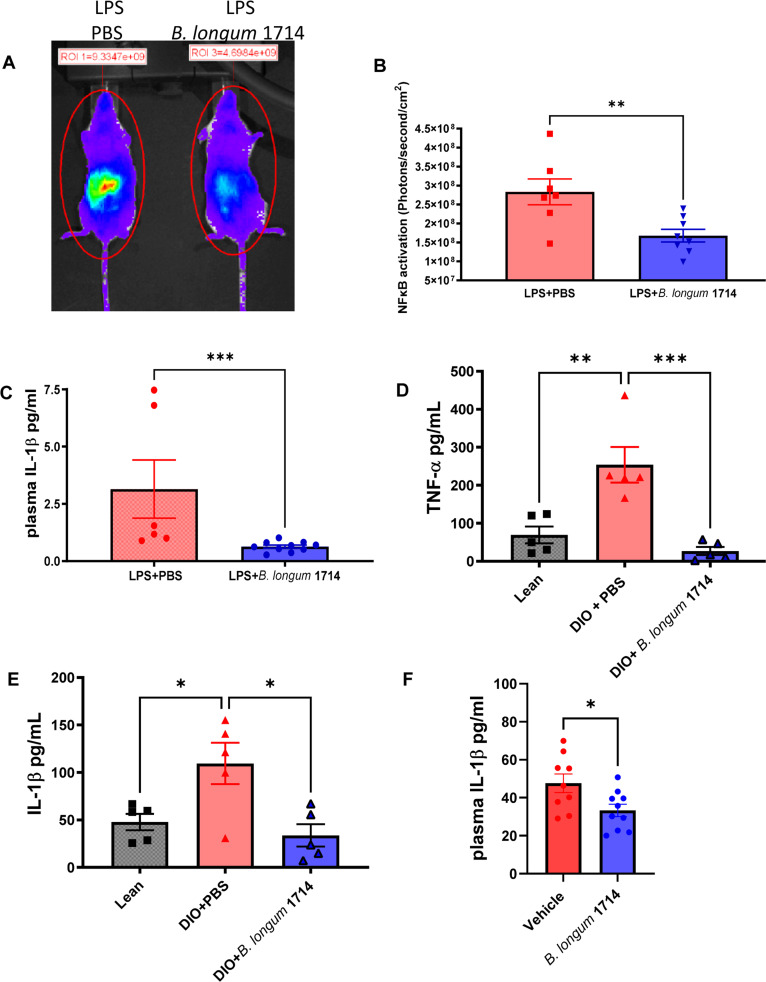 Figure 5
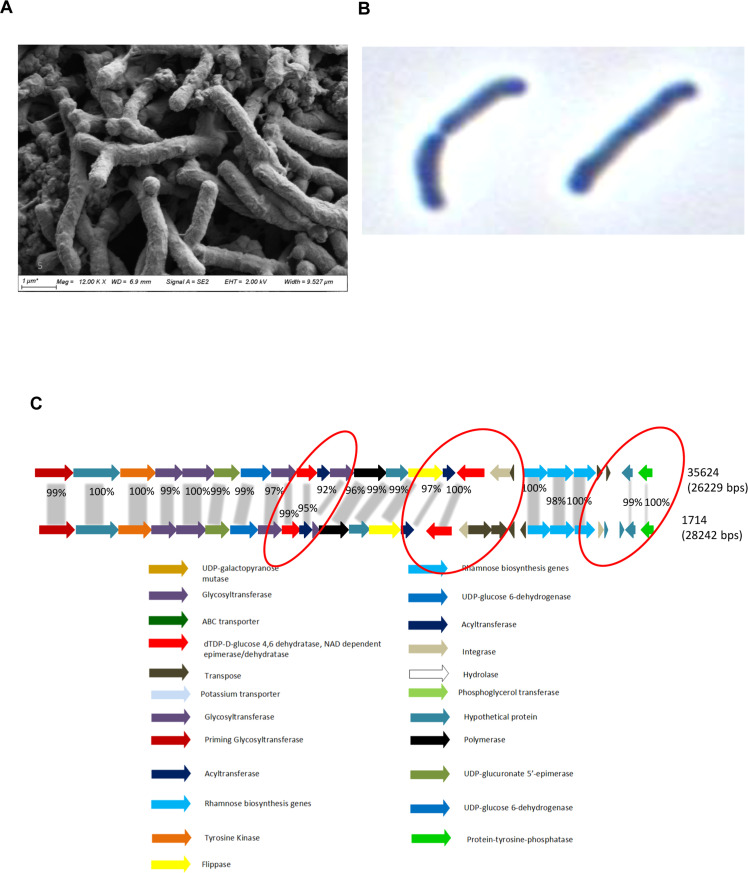 Figure 6
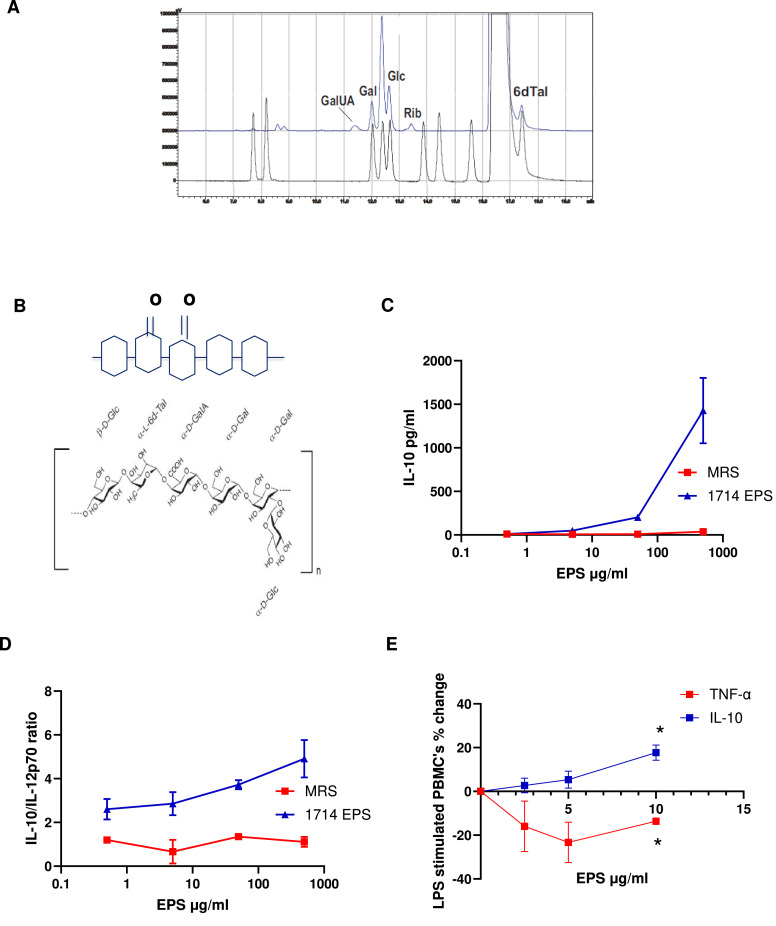 Figure 7
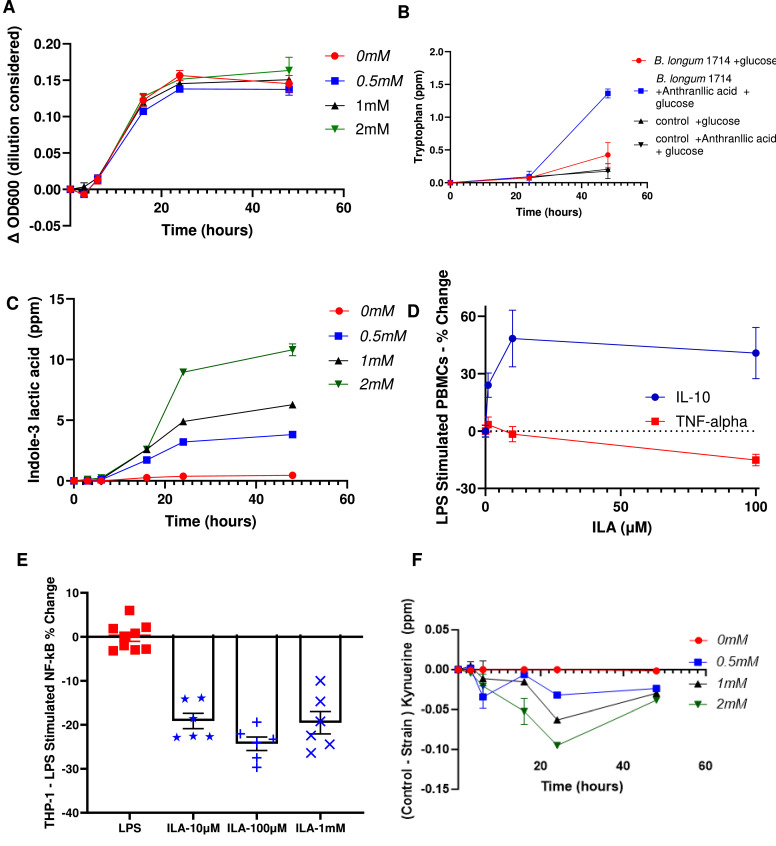 Figure 8
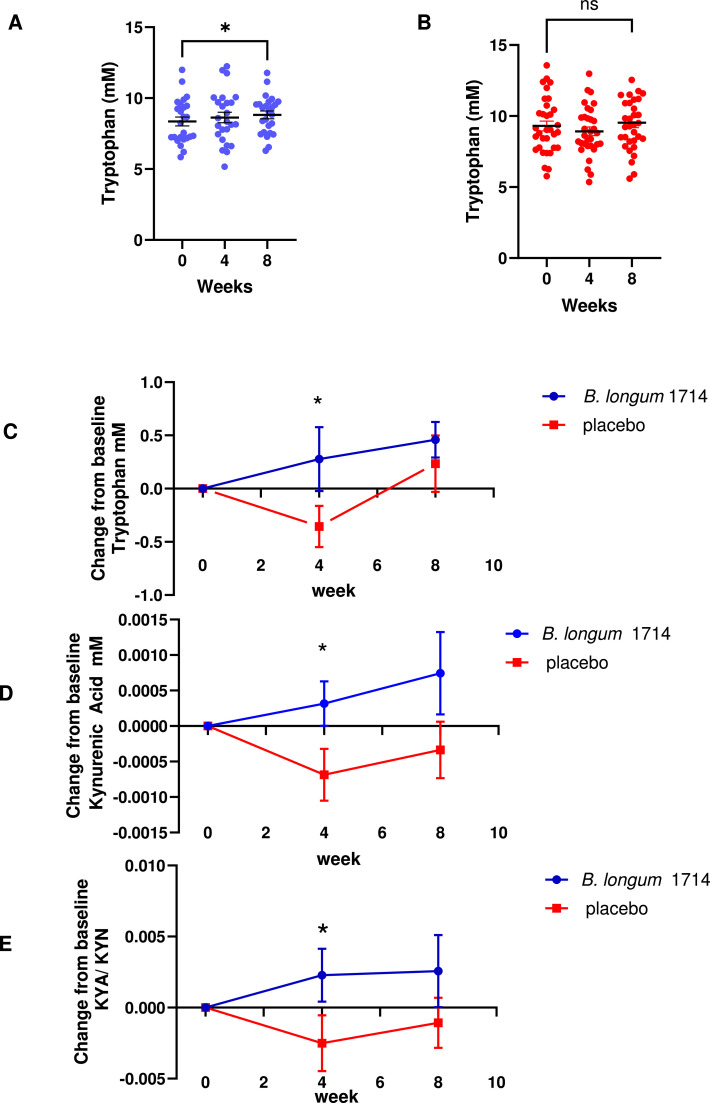 Figure 9
Peer Reviews
No public reviews on file for this paper yet. If you reviewed it on a platform where reviews are public (OpenReview, ICLR, NeurIPS, ICML), you can paste yours below so the community can read it here.
Videos
No videos yet. Explain this paper in a talk, walkthrough, or lecture? Add one.
Taxonomy
TopicsGut microbiota and health · Pharmacological Effects of Natural Compounds · Probiotics and Fermented Foods