Hybridization and embryological patterns underpinning reproductive barriers in Dactylorhiza (Orchidaceae)
Aleksandra M. Naczk, Małgorzata Kapusta, Bożena Kolano, Joanna Znaniecka, Katarzyna Meyza, Marcin Górniak, Joanna Rojek

TL;DR
This study explores how hybridization and embryological patterns create reproductive barriers in the Dactylorhiza orchid genus.
Contribution
The research provides new insights into postzygotic barriers and allopolyploid formation in Dactylorhiza.
Findings
D. majalis showed significantly lower seed viability compared to diploids and D. maculata.
Fluorescent in situ hybridization confirmed the allopolyploid origin of D. majalis.
Maternal influence was observed in hybrid genotypes based on microsatellite marker analysis.
Abstract
Pre- and postmating barriers are strongly associated with embryological processes occurring in developing flower buds and flowers. Although the embryology of Dactylorhiza representatives has been briefly described, comprehensive cytoembryological studies are scarce. In this study, the mechanisms of reproductive isolation within the Dactylorhiza incarnata/maculata complex were examined using cytological, embryological, and molecular approaches. Four taxa were analyzed: the diploid ancestors D. incarnata and D. fuchsii, the autotetraploid D. maculata, and the allotetraploid D. majalis. Fluorescent in situ hybridization revealed species-specific rDNA patterns, with D. majalis exhibiting rDNA patterns consistent with the hypothesis of its allopolyploid origin. Embryological assessments under controlled pollination conditions demonstrated variable gametophyte development and seed viability,…
Genes, proteins, chemicals, diseases, species, mutations and cell lines named across the full text — each resolved to its canonical identifier and authoritative record.
Click any figure to enlarge with its caption.
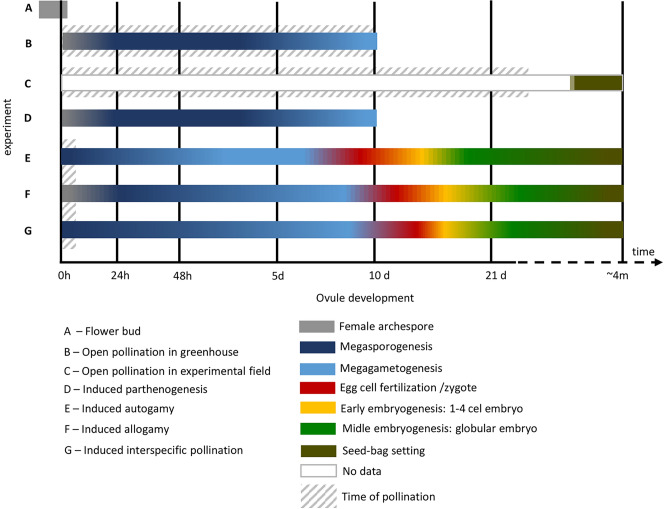 Figure 10
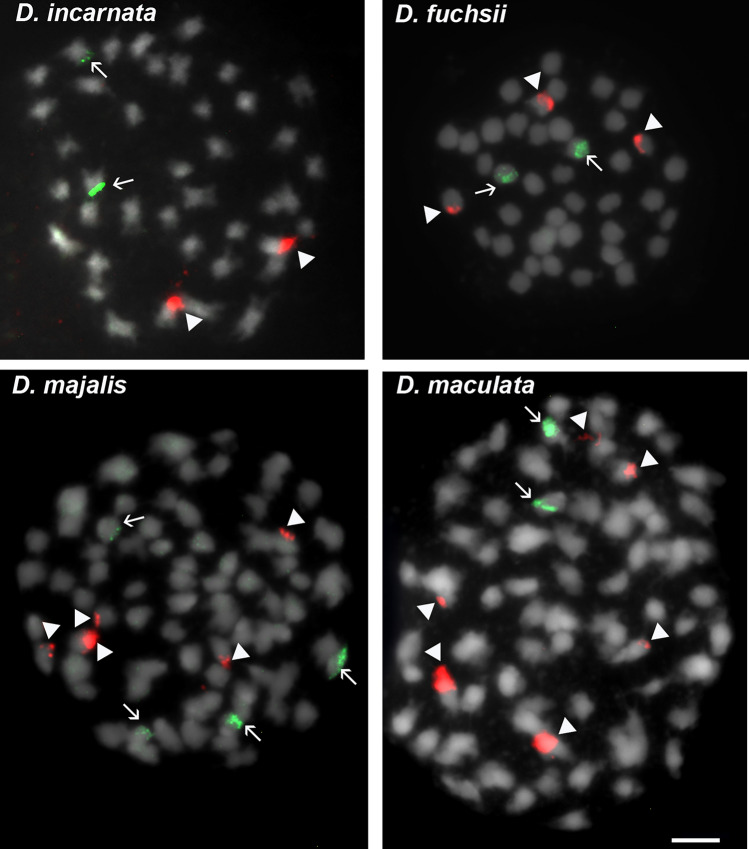 Figure 1
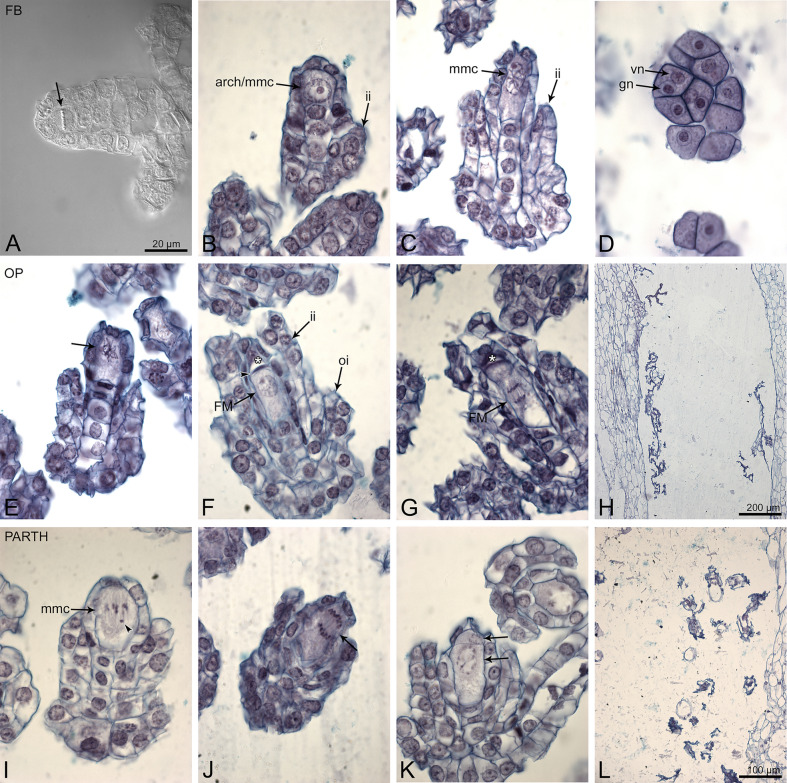 Figure 2
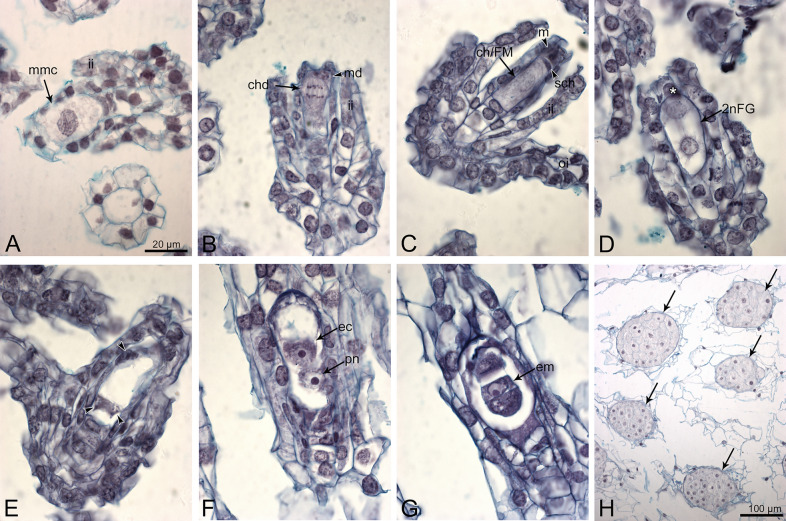 Figure 3
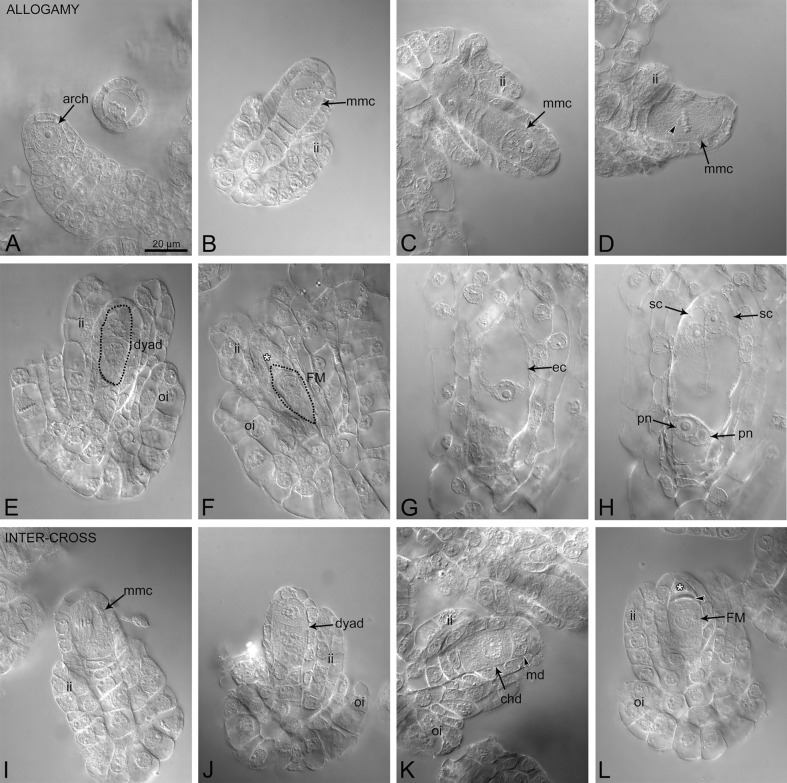 Figure 4
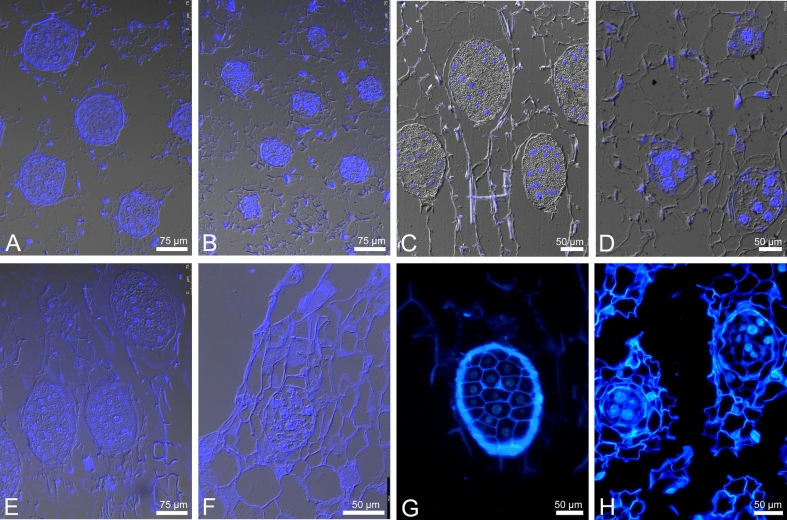 Figure 5
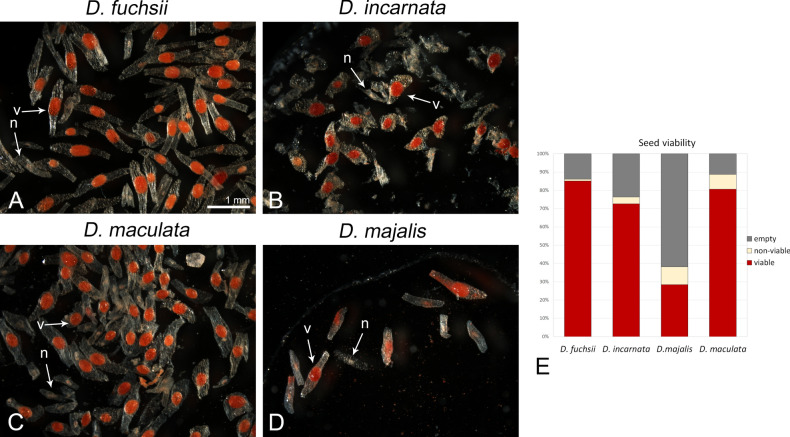 Figure 6
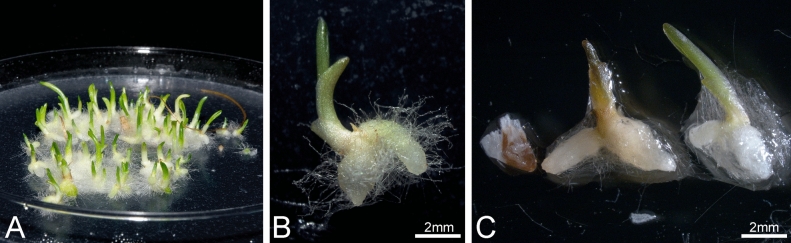 Figure 7
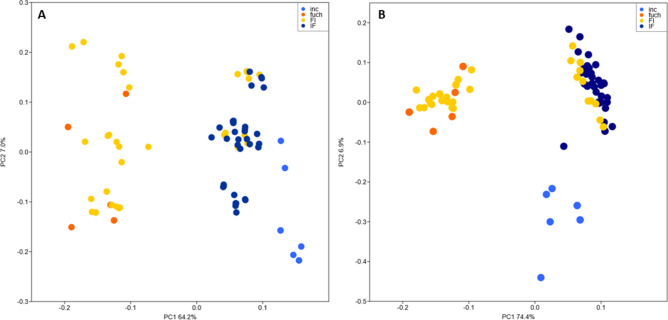 Figure 8
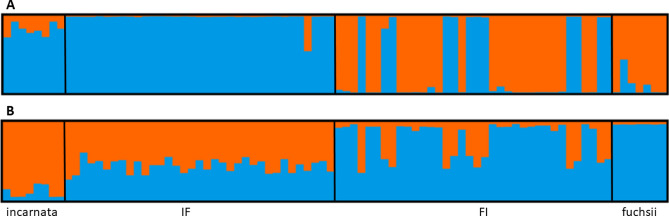 Figure 9
Peer Reviews
No public reviews on file for this paper yet. If you reviewed it on a platform where reviews are public (OpenReview, ICLR, NeurIPS, ICML), you can paste yours below so the community can read it here.
Videos
No videos yet. Explain this paper in a talk, walkthrough, or lecture? Add one.
Taxonomy
TopicsPlant and animal studies · Plant tissue culture and regeneration · Chromosomal and Genetic Variations